
Don’t rely on YouTube for your backup power plan
Photo credit: Hocus focus/istock.com
You can learn almost anything on YouTube—except how to build a safe, reliable backup power setup for your home. That might sound harsh, but it’s true. The platform is full of videos showing creative, “budget-friendly” generator setups and DIY power solutions that look great on camera but fall apart in real life. Some are even dangerous.
When it comes to backup power, there’s a big difference between what works for ten minutes in a tutorial and what holds up when your house depends on it for days.
What works online doesn’t always work off-grid
A lot of creators mean well, but their setups are often built for views, not longevity. They might run a generator on the tailgate of a truck, plug it into a house outlet, or chain together extension cords in ways that no electrician would recommend.
YouTube can show you what’s possible—but not what’s safe. Many of those videos skip key steps like grounding, transfer switches, or fuel management because they make the process look complicated. But skipping those steps is what leads to burned-out generators, fried appliances, or worse.
It’s easy to underestimate the risks until the lights go out and you’re standing outside in the rain trying to figure out why nothing’s running.
A proper setup starts with safety
If your generator setup doesn’t prioritize safety, it’s not worth having. You need proper ventilation, grounding, and distance from the house. A lot of videos skip the part where carbon monoxide quietly seeps through an open window or vent. That’s not an exaggeration—it’s one of the leading causes of generator-related deaths every year.
Generators should always sit outdoors, on level ground, at least 15–20 feet away from the house, with the exhaust facing away. If the video you’re watching suggests putting it in a garage, shed, or under a porch roof—turn it off and find a better source.
The setup needs to protect your home and your family, not create a hidden hazard waiting for the next storm.
Electrical hookups aren’t one-size-fits-all
You’ll see a lot of DIYers showing how they “backfeed” their home by plugging a generator into a dryer outlet. It might look convenient, but it’s also one of the most dangerous things you can do. Without a transfer switch, you’re pushing power back into the utility lines, which can electrocute a lineman or cause thousands in electrical damage.
Every home setup is different. What works for one system could overload another. You need to know your wattage needs, your breaker setup, and whether your generator can handle surge loads without tripping. That information doesn’t come from a video—it comes from your home’s electrical specs and a bit of professional guidance.
An electrician can help you install a transfer switch or interlock kit so you can safely power your home without risking injury or property damage.
The wrong advice can shorten your generator’s life
YouTube has plenty of videos on “how to maintain your generator,” but many skip the details that actually matter. You’ll hear people say to “run it dry,” “use stabilizer every time,” or “change the oil once a season”—but the right approach depends on your exact model and how often you use it.
Too much stabilizer can gum up your fuel lines. Running it dry can dry out seals. Missing oil changes can ruin the engine.
Your manual—not a video—is your best resource for maintenance. That’s where you’ll find how often to change filters, what type of oil to use, and when to run it for best performance.
You can’t “hack” your way around wattage
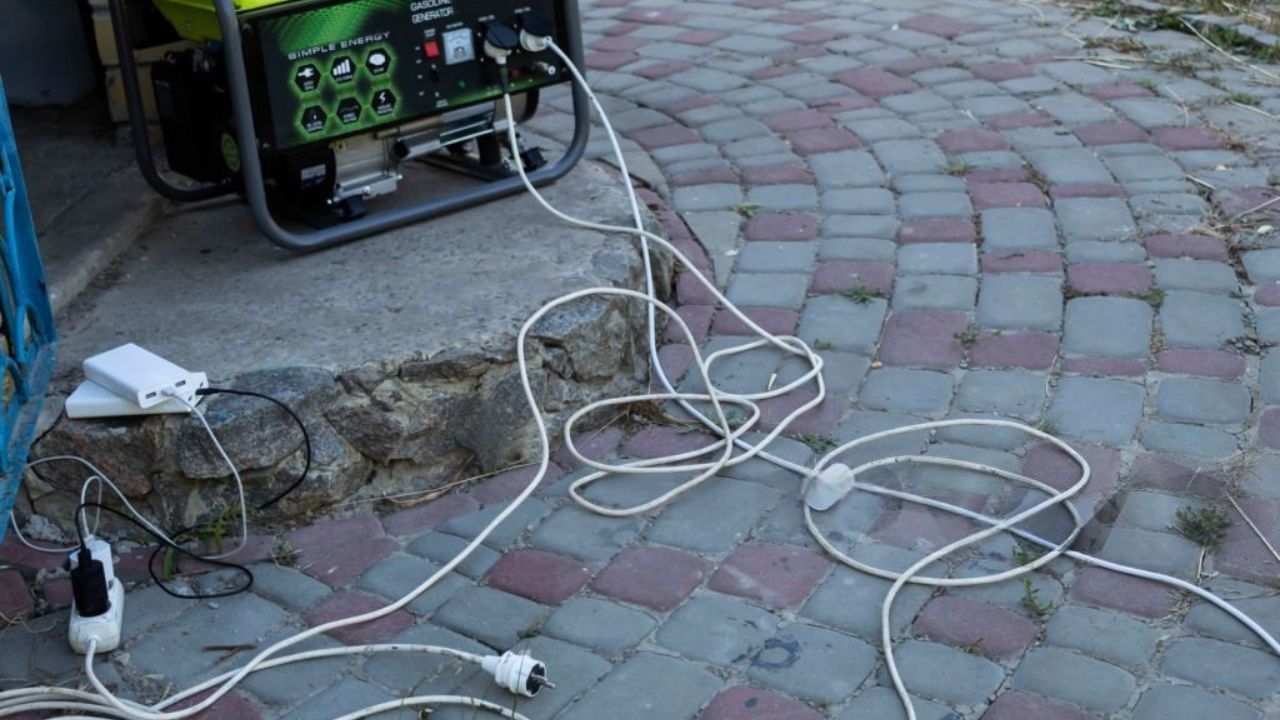
Some videos make it seem like you can stretch a generator’s capacity with creative wiring, power strips, or adapters. In reality, that’s a fast way to overload your system or melt cords.
Every generator has a rated wattage, and it’s there for a reason. Going past that limit doesn’t make your setup “more efficient”—it makes it dangerous. It also shortens your generator’s life by forcing the engine to work harder than it’s designed to.
If you’re running short on power, the fix isn’t a YouTube hack. It’s upgrading to a bigger unit or using power more strategically.
YouTube doesn’t show you what fails
You rarely see a follow-up video from the same creator six months later showing how their setup held up. What looks clean and clever today might be rusted, corroded, or fried by next storm season.
Real reliability comes from proper installation, consistent maintenance, and safe operation. That’s not flashy or quick, but it’s what keeps your generator alive for years instead of months.
If a setup seems too easy or too cheap to be true, it probably is.
Learn, but verify
There’s nothing wrong with learning from YouTube—it can help you understand how systems work and give you confidence to tackle basic maintenance. But treat every video like a suggestion, not a guide.
Before you try anything, verify it with your generator’s manual, your local codes, or an electrician who actually works with backup power systems. You’ll save yourself time, money, and a whole lot of risk.
Good power plans are built, not copied
Backup power is one of those things you want to get right the first time. When the grid goes down, you don’t want to be guessing whether your setup is safe. You want to know it’s been tested, grounded, and capable of handling whatever load you throw at it.
A good generator can last a decade or more. But a bad setup—especially one copied off YouTube—can take it out in a single storm.
Do the research, build it right, and you’ll have a system that works when you actually need it.
Like Fix It Homestead’s content? Be sure to follow us.