Firewood storage habits that keep rooms smoke free
If you’re using a fireplace or wood stove, how you handle your firewood has a big impact on how clean it burns inside the house. Damp, dirty, or green wood leads to more smoke, more soot, and more smell. The goal is to give your wood enough time and right conditions to dry out and stay that way.
Give wood time to season properly
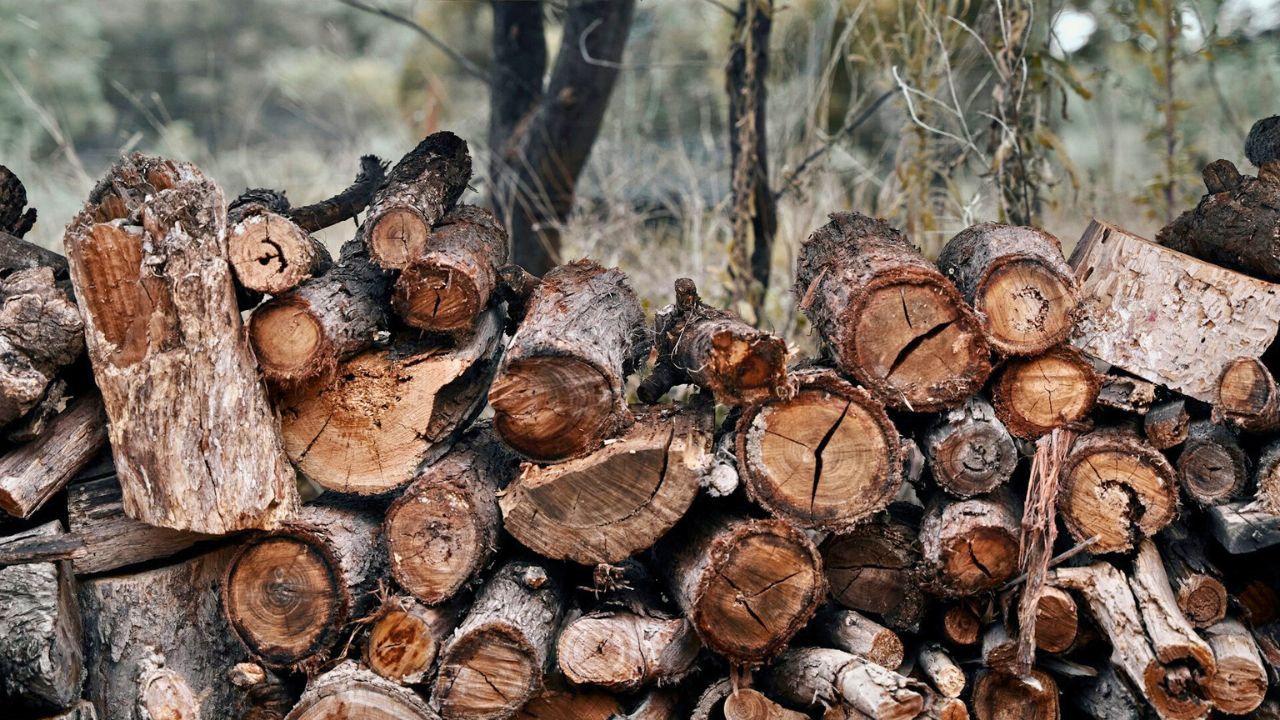
Freshly cut wood, or “green” wood, holds a lot of moisture. Burning it too soon produces heavy smoke and creosote buildup in your chimney. Most firewood needs at least six months to a year of seasoning, depending on the type. Plan ahead so you’re always burning older, well-seasoned wood instead of what was just cut.
Stack wood off the ground
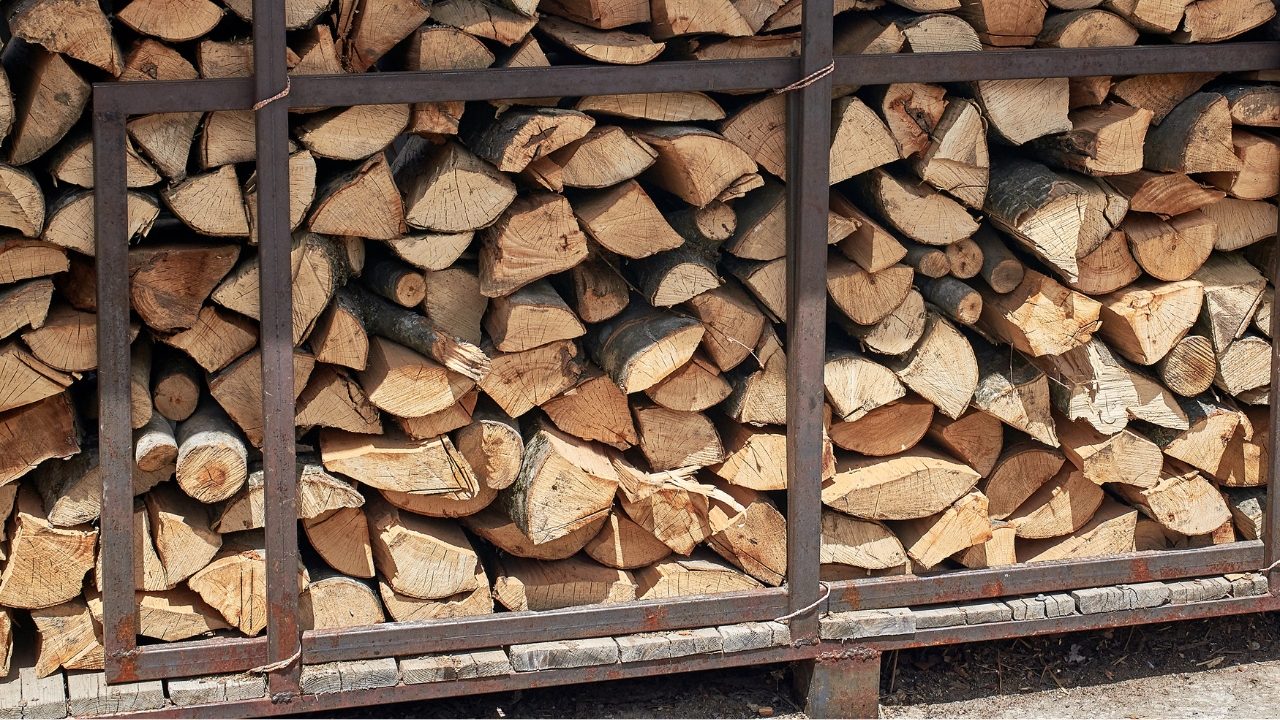
Wood stacked directly on the ground draws moisture and stays damp. Use pallets, landscape timbers, or a simple rack to lift the stack a few inches. That allows air to flow underneath and keeps the bottom row from rotting or molding.
Let air move through the stack
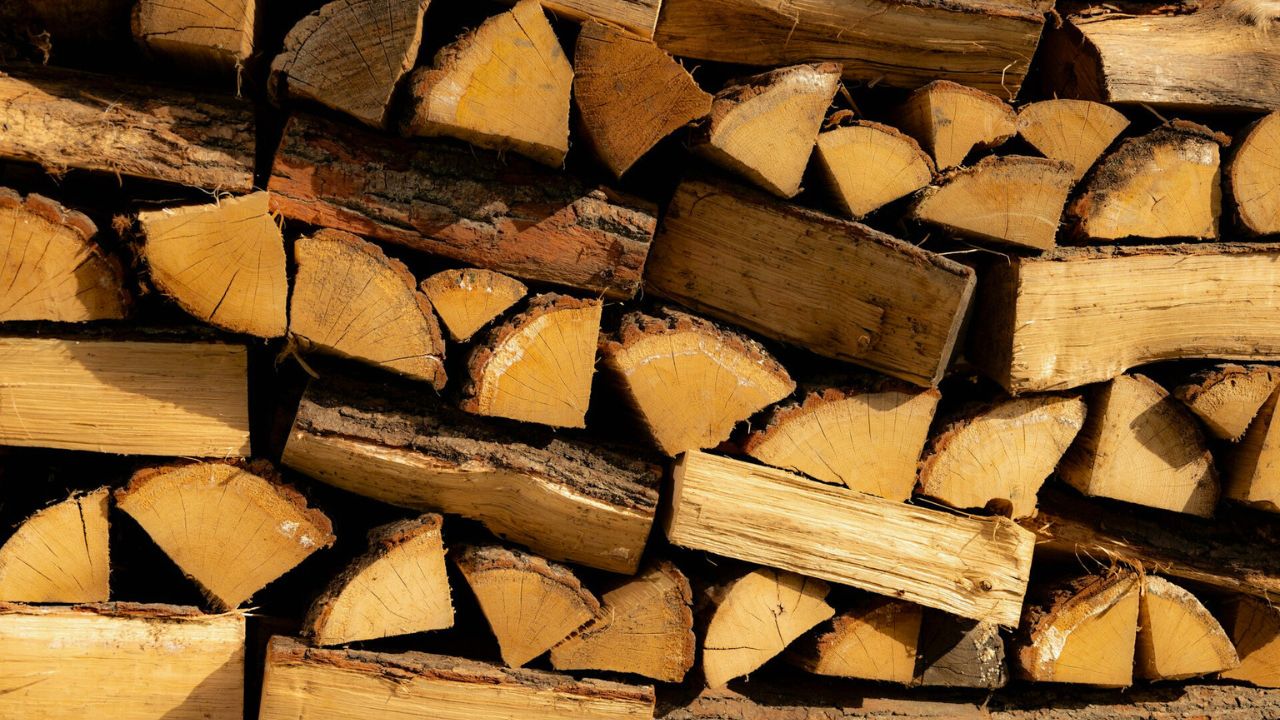
A solid wall of wood holds moisture. When you stack, alternate directions or leave small gaps so air can move between logs. A single row exposed to air on both sides dries better than several deep rows. A simple roof or tarp over the top is fine—just avoid covering the sides completely.
Keep most of your wood outside
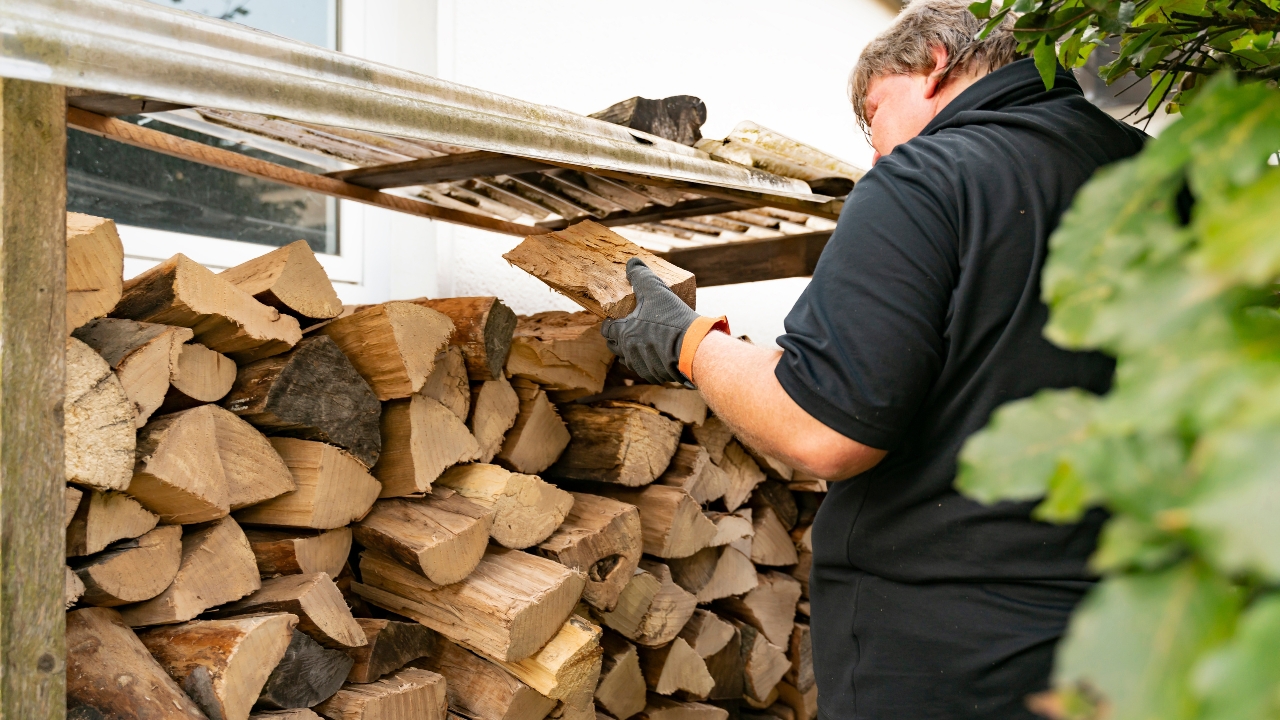
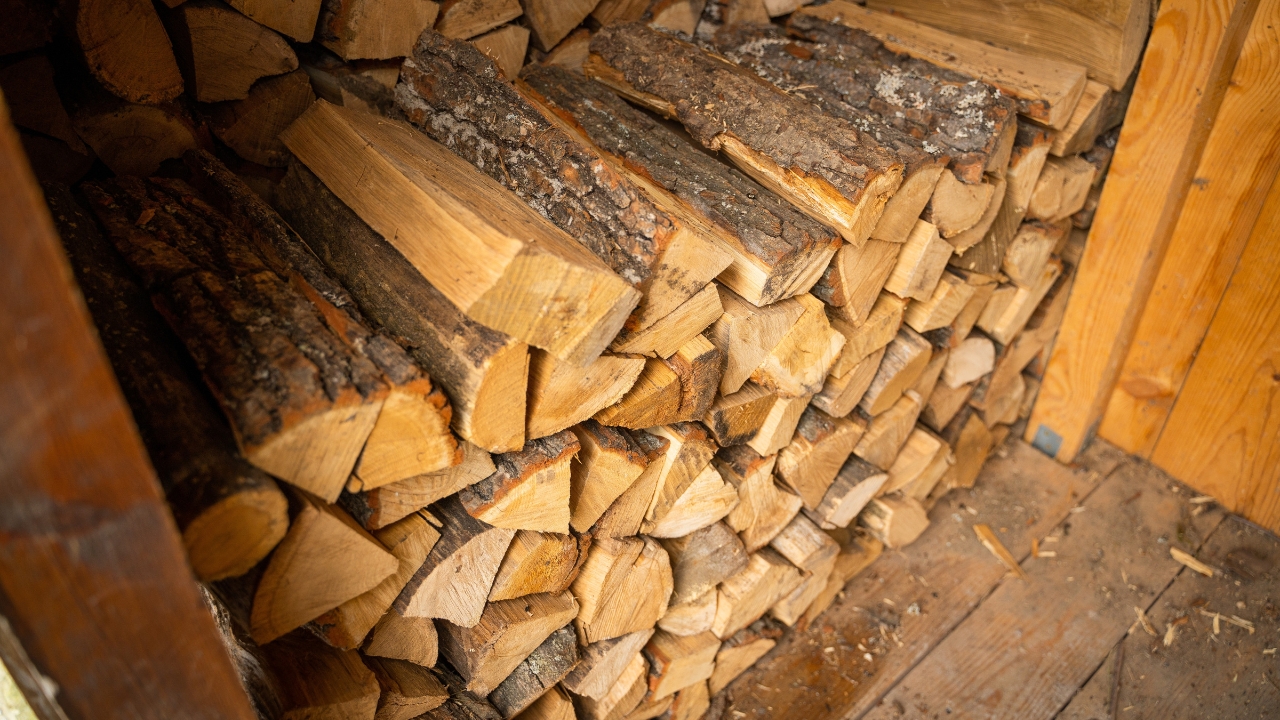
It’s tempting to haul in huge stacks to avoid trips outside, but storing a lot of wood indoors brings in bugs, dirt, and extra moisture. Keep only a small amount inside near the fireplace—enough for a day or two. The main stash belongs outside or in a covered, well-ventilated area like a carport or woodshed.
Use a dedicated indoor rack or bin
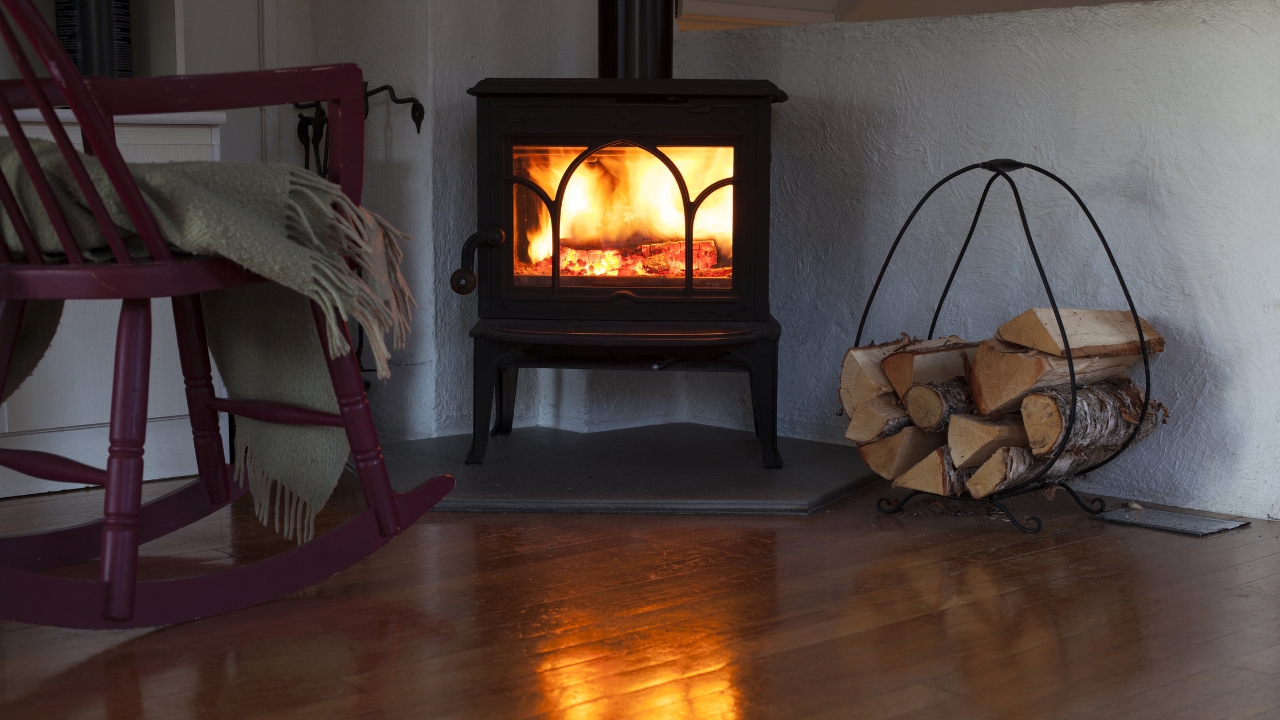
Inside, use a small rack, bin, or basket to keep logs contained and off the floor. That cuts down on dust and bark pieces spreading everywhere. Put a mat or tray under the rack if you want extra protection for your flooring.
Don’t burn wet or moldy pieces
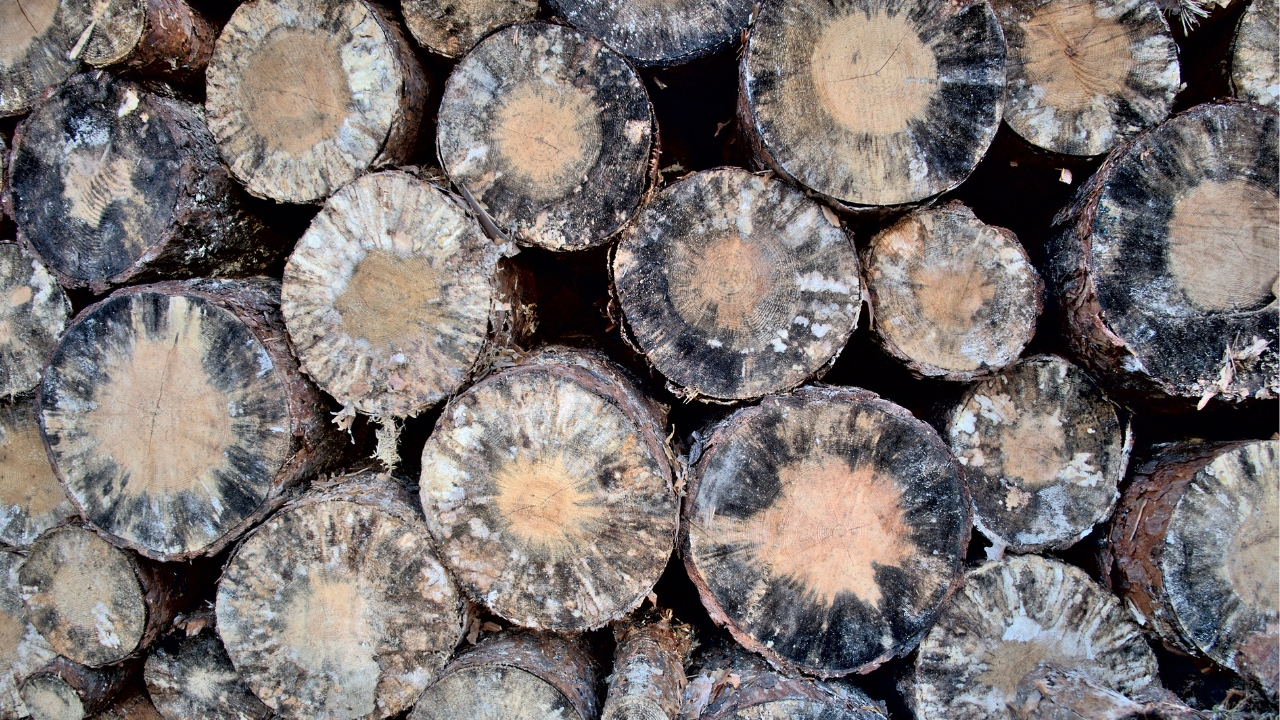
If a log feels damp, looks green, or has visible mold, set it aside. Forcing that into your fireplace will create more smoke and odor. If a batch of wood seems questionable, mix it with very dry, seasoned pieces and open your damper fully so smoke draws up the chimney, not into the room.
Clean out ash regularly
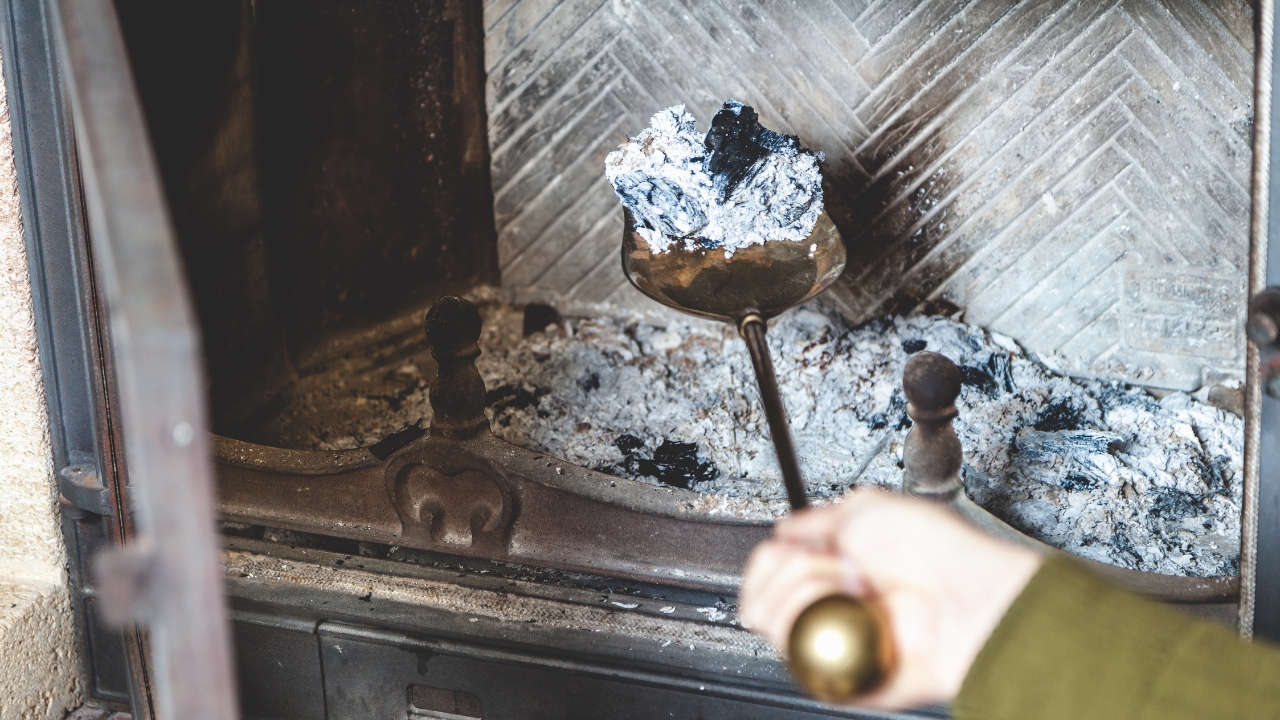
Too much ash in the firebox can interfere with airflow, making fires smokier. Leave a thin layer if your stove or fireplace manual recommends it, but scoop out the excess into a metal bucket with a lid and store it away from anything that can burn. Even ash that looks cold can hold hot embers.
Like Fix It Homestead’s content? Be sure to follow us.
- I made Joanna Gaines’s Friendsgiving casserole and here is what I would keep
- Pump Shotguns That Jam the Moment You Actually Need Them
- The First 5 Things Guests Notice About Your Living Room at Christmas
- What Caliber Works Best for Groundhogs, Armadillos, and Other Digging Pests?
- Rifles worth keeping by the back door on any rural property
*This article was developed with AI-powered tools and has been carefully reviewed by our editors.