Five clubhouse rules for a Christmas cactus that actually blooms
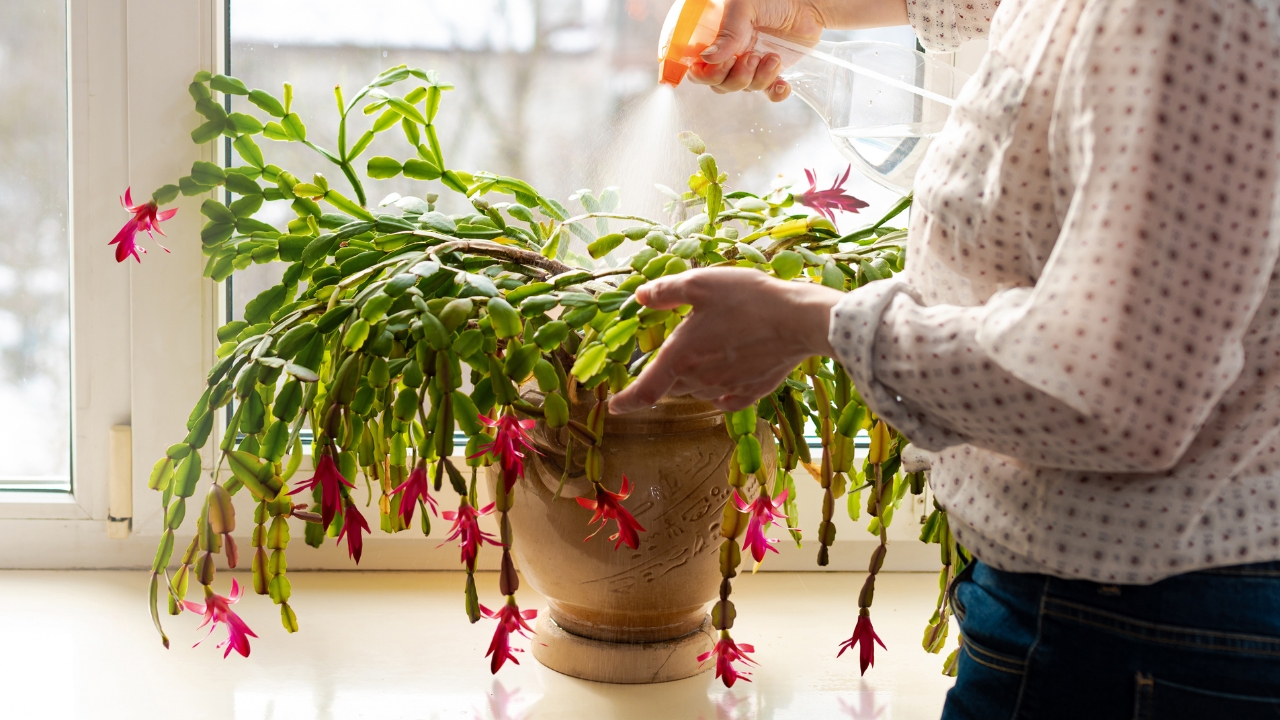
Christmas cactus is one of those plants people keep for years without ever seeing more than a few random blooms. The trick is remembering it’s not a desert cactus—it comes from shady Brazilian forests—so it likes different treatment. With the right light, watering, and fall routine, it can bloom on schedule every year.
Here are five simple “clubhouse rules” to actually get flowers.
1. Bright but indirect light, not hot sun

Christmas cactus wants bright, indirect light—near a window but not baking in strong afternoon sun. Too much direct sun can scorch pads and stress the plant; too little and it won’t have the energy to bloom. A north or east window, or a few feet back from a bright south window, is usually ideal.
2. Water when the top inch of soil is dry
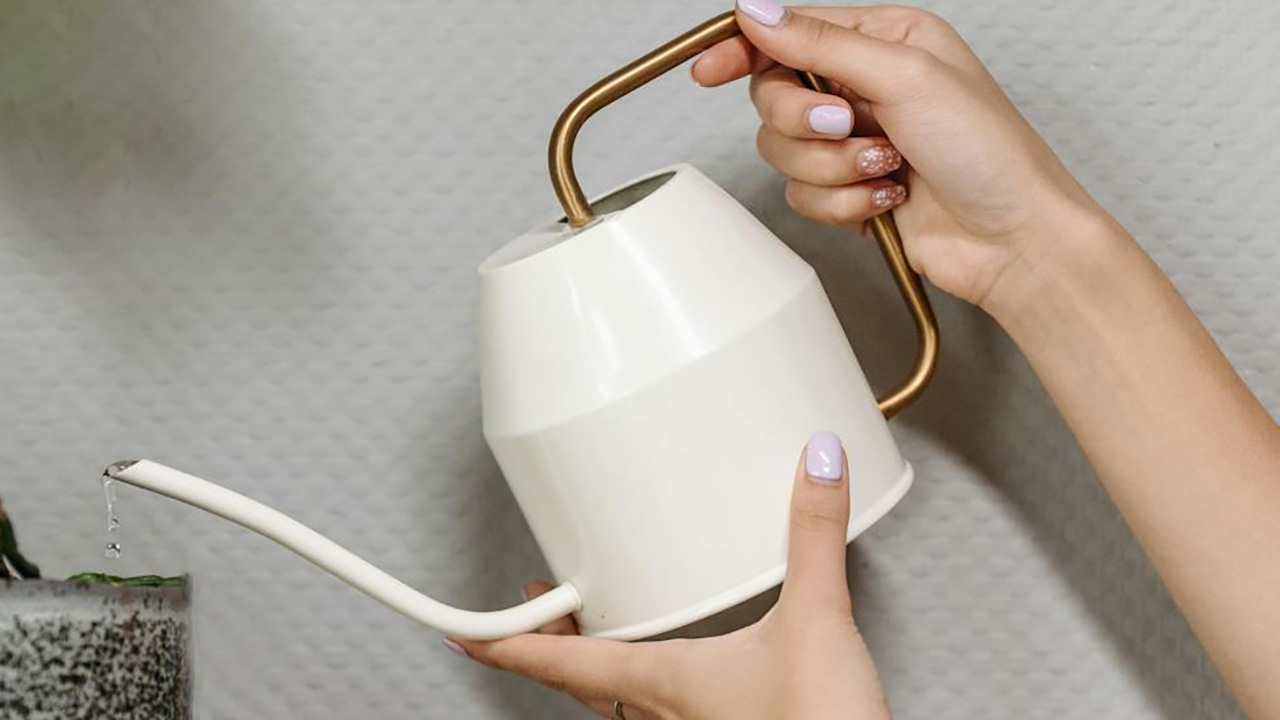
Unlike desert cacti, Christmas cactus likes consistently lightly moist soil, not bone-dry dust. Water thoroughly when the top inch is dry, then let excess drain. Don’t let it sit in standing water. Overwatering leads to rot; underwatering causes pads to shrivel and buds to drop. In winter, watering slows down a bit when growth is slower.
3. Give it a fall “rest” with cool temps and long nights
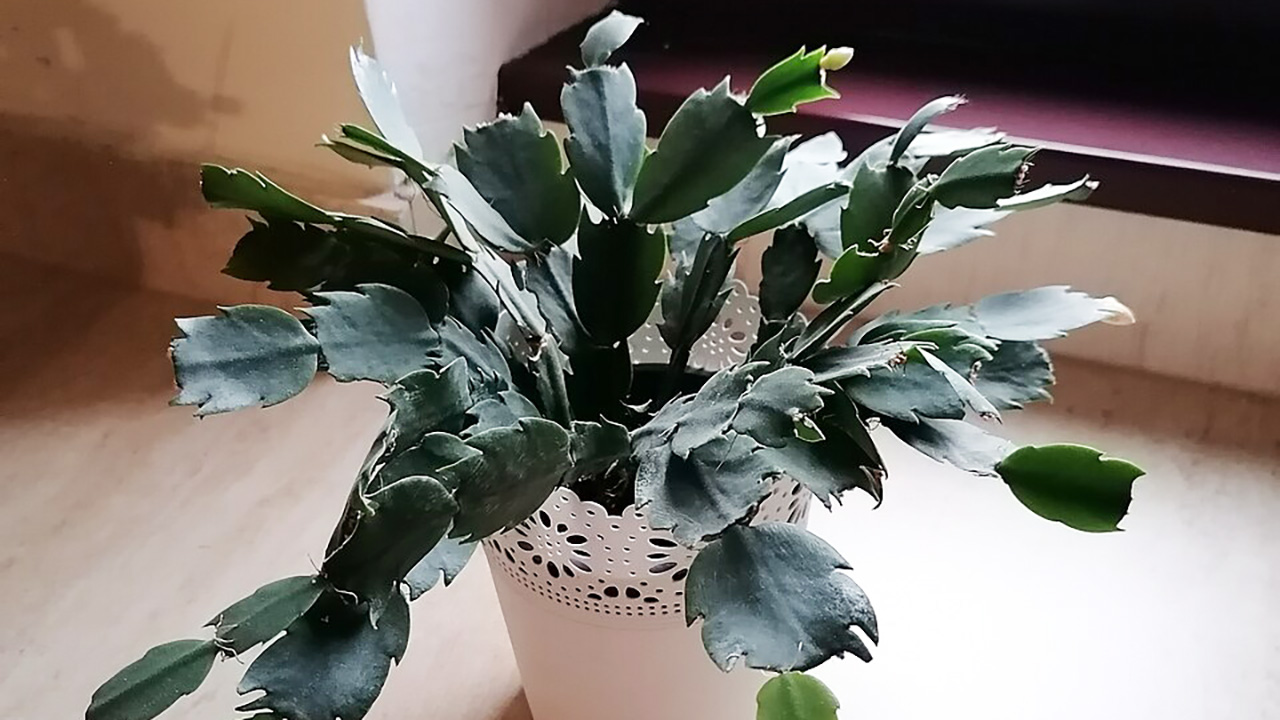
To set buds, it needs about 6–8 weeks of cooler temperatures (around 55–65°F) and roughly 12–14 hours of darkness each day. That can be as simple as moving it to a cooler room that stays dark at night and turning off lamps. Streetlights and late-night room lights can interrupt this, so pick a spot that truly goes dark.
4. Don’t shuffle it around once buds form
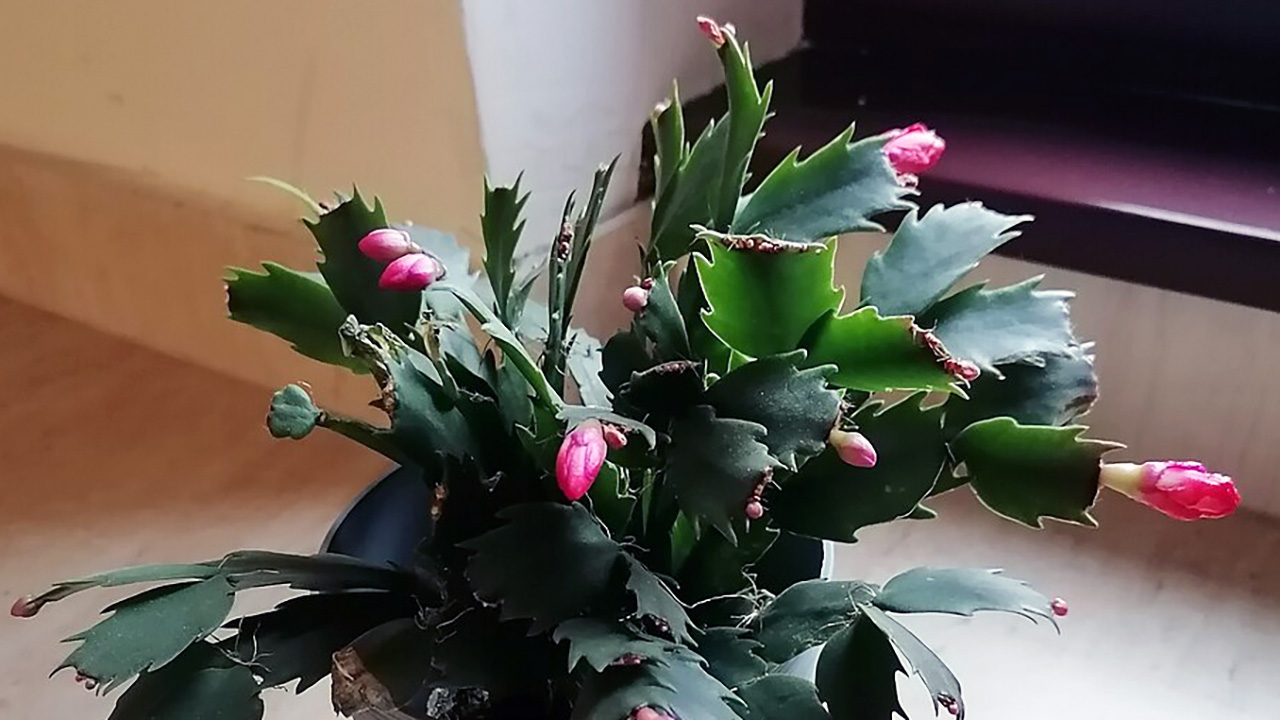
Once you see buds, try not to move the plant too much. Sudden changes in light or drafts can cause buds to drop. Keep it in one steady spot away from heat vents, cold doors, or frequently opened windows. If you want to display it, wait until buds are clearly set and then move it carefully.
5. Feed and repot at the right time
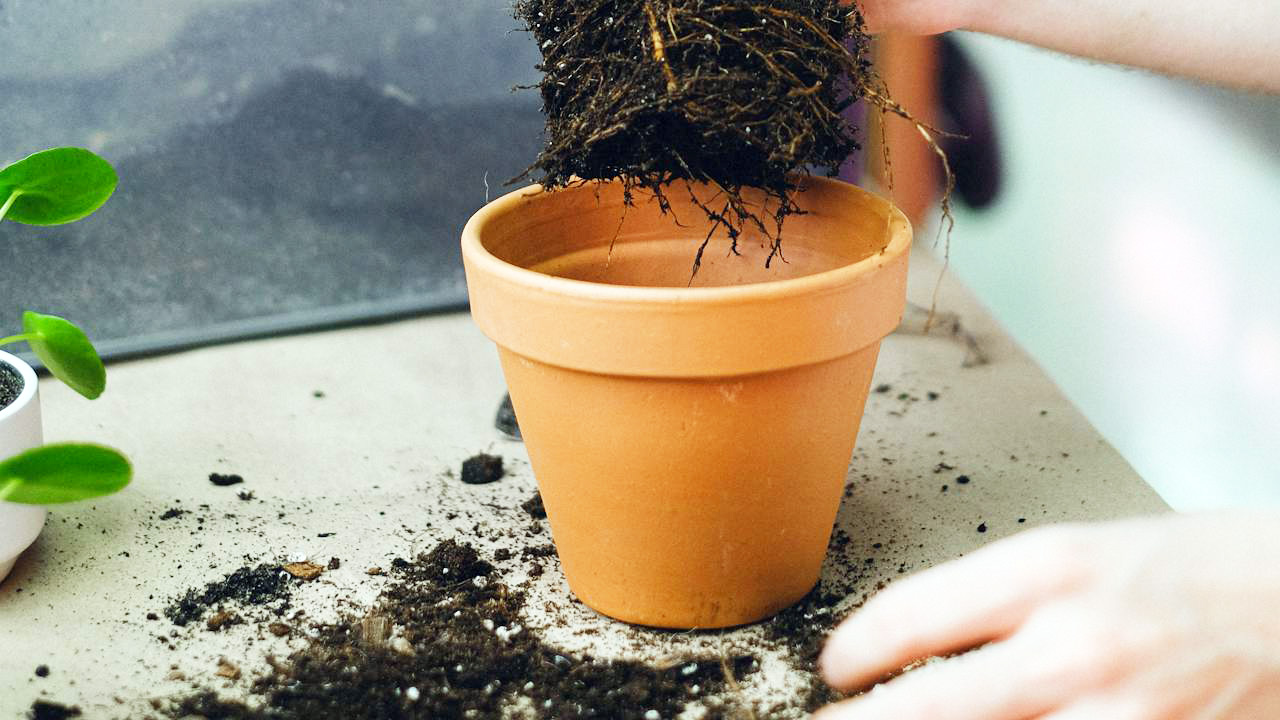
Fertilize lightly during spring and summer with a balanced houseplant fertilizer, then taper off in fall as you head into the bud-setting period. Repot only every few years, and only after flowering, into a slightly larger pot with well-draining mix. A pot that’s a bit snug can actually encourage better blooming than one that’s oversized and stays soggy.
Like Fix It Homestead’s content? Be sure to follow us.
- I made Joanna Gaines’s Friendsgiving casserole and here is what I would keep
- Pump Shotguns That Jam the Moment You Actually Need Them
- The First 5 Things Guests Notice About Your Living Room at Christmas
- What Caliber Works Best for Groundhogs, Armadillos, and Other Digging Pests?
- Rifles worth keeping by the back door on any rural property
*This article was developed with AI-powered tools and has been carefully reviewed by our editors.