Freezing weather outage plan, the 5 items that keep pipes from becoming the main problem
When the power goes out in a cold snap, the real emergency often starts inside your walls. A burst pipe can turn a routine outage into a five‑figure repair, especially if it floods finished floors or ceilings before you even know there is a leak. With a simple plan and a short list of gear, you can keep water moving, protect vulnerable lines, and turn a dangerous freeze into an inconvenience instead of a disaster.
The goal is not to winterize your home like a mountain lodge, it is to buy yourself time. By focusing on five practical tools and habits, you give your plumbing system a fighting chance in freezing weather, whether you still have power or you are riding out an extended blackout.
1. Heat and backup power: the foundation of your freeze plan
Your first line of defense is always indoor heat, because the warmer your rooms stay, the less likely it is that pipes in walls, floors, and ceilings will reach the freezing point. Whole‑home guidance stresses that maintaining a steady temperature, not cycling the thermostat up and down, is what keeps water lines safer in every room, especially in corners and exterior walls that cool faster than the rest of the house. When you keep the air warm, you are not just protecting visible plumbing, you are buying protection for every hidden run of pipe you cannot see or easily reach.
That is where a backup power source becomes more than a comfort item. A properly sized generator can keep your furnace or heat pump running, and it can also supply electricity to dedicated pipe‑warming solutions so they are available when you need them most. Expert breakdowns of how generators keep your pipes safe emphasize that maintaining heat throughout your home is the single most important way to prevent freezing, because it stabilizes the entire building envelope instead of chasing cold spots one by one.
2. Insulation and pipe wraps: armor for the coldest spots
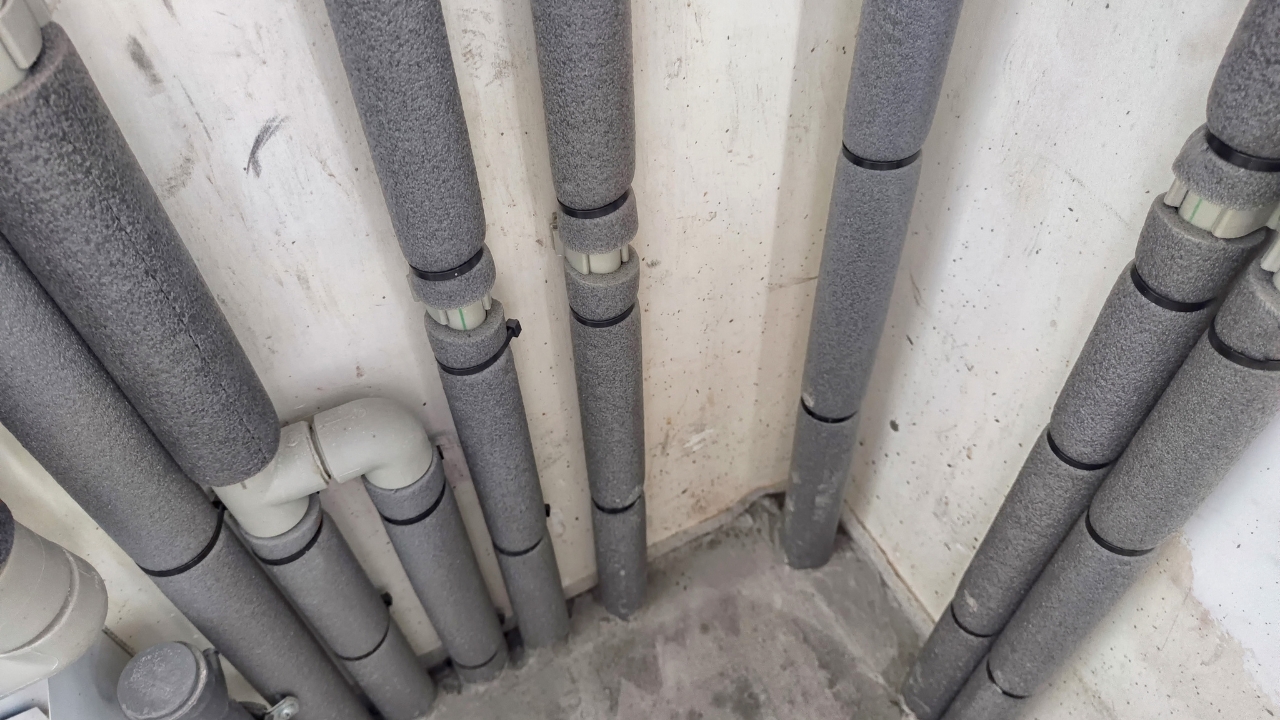
Even with the heat on, some parts of your plumbing system are simply more exposed to the weather than others. Attics, crawl spaces, unheated basements, and exterior walls all create pockets where cold air can settle around pipes and drop their temperature faster than the rest of the house. Risk managers recommend that you insulate your building and pay special attention to any plumbing system susceptible to freezing, because those are the lines most likely to burst first when the mercury plunges.
On individual pipes, targeted insulation is one of the cheapest and most effective upgrades you can make before a storm. You can wrap exposed pipes with heavy materials, such as foam sleeves or thick fabric, to slow heat loss and keep water above freezing longer, a step that detailed guides on wrapping exposed pipes highlight alongside letting a small trickle of water maintain flow. In regions that routinely see hard freezes, you can go further and consider installing specific products made to insulate water pipes, such as foam tubes or electric heat cables, particularly in areas that face wind or prolonged temperatures below freezing, as cold‑weather advisories urging you to consider installing specific products make clear.
3. Smart water movement: dripping, flowing, and cabinet tactics
When temperatures plunge, moving water is your friend. Municipal guidance explains that if prolonged freezing temperatures are in the forecast, you may wish to drip your faucets to avoid water freezing in the lines, because even a slow stream keeps water circulating and relieves pressure that can build up behind an ice plug. The recommendation is to let cold water drip from the faucet farthest from your meter to help keep lines from freezing, a strategy laid out in detail in city instructions on how to prevent frozen pipes.
Inside your kitchen and bathroom, you can also use the warm air you already have more effectively. Opening cabinet doors in the kitchen and bathroom lets warmer room air circulate around the plumbing, which can make a critical difference for pipes that run along exterior walls. That simple step, described as opening cabinet doors so warmer air can reach plumbing according to the American Red Cross, is especially important under sinks where cold air can pool behind closed doors. Local TV demonstrations, including a kitchen walk‑through by reporter Matt Fernandez, show how quickly you can open those spaces up and combine them with a slow drip to protect vulnerable runs.
4. Thermostats, reminders, and the 5 key tools you should own
Temperature discipline is one of the most overlooked parts of a freeze plan. Public awareness campaigns on how to prevent frozen pipes urge you to set home thermostats above 55 degrees during cold weather and to drip cold water in the farthest faucet from your meter to keep water moving. That 55‑degree floor is not about comfort, it is about keeping the air around pipes, especially in closets and corners, just warm enough that they do not cross the freezing threshold while you sleep or leave the house.
To make those habits stick, it helps to think in terms of five concrete items you should have ready before the forecast turns ugly. First, pipe insulation or foam sleeves for exposed lines in basements, crawl spaces, and garages. Second, heavy wraps or blankets you can quickly secure around problem spots, as detailed in broader advice on how to keep pipes from freezing without power. Third, a reliable space heater or two for the coldest rooms, used safely and never left unattended. Fourth, a backup power option, from a portable generator to a battery system, to keep heat and critical circuits alive. Fifth, a simple checklist or phone reminder that prompts you to open cabinets, set the thermostat, and start drips whenever a hard freeze warning hits, echoing the seasonal reminders to insulate exposed pipes in unheated areas and let warm air circulate around plumbing.
5. Planning for outages, ice storms, and the new normal
In recent years, the risk has shifted from occasional cold snaps to a pattern of more frequent and disruptive weather events. Analysts warn that the grid is failing in ways that matter directly to your plumbing, noting that from Spain‘s massive blackout to Texas freezing in the dark, widespread power outages are becoming the new normal. That means you cannot assume the lights will stay on through the next Arctic blast, and your pipe‑protection plan has to work even when the furnace is silent and the neighborhood is dark.
Ice storms add another layer of risk, because they can knock out power long before temperatures bottom out. Meteorologists point out that just a quarter‑inch of ice can lead to power outages, a threshold that has already produced historic events like the Texas Freeze in February 2021, as explained in a breakdown that notes how just a quarter‑inch of ice can topple lines. In that kind of storm, your five essentials work together: insulation and wraps slow the cold, drips and open cabinets keep water moving, your thermostat is already set high enough to buy time, and any backup power you have can be directed to the rooms and pipe‑warming tools that matter most.
Finally, it is worth practicing your plan before you need it. Short, practical videos, such as a homeowner walking through 6 tips to prevent your pipes from freezing, show how quickly you can move from room to room once you know which valves, faucets, and cabinets to target. When the forecast calls for freezing drizzle or a deep freeze, you do not want to be hunting for foam sleeves or guessing which faucet is farthest from the meter. You want a routine that turns a power outage into a checklist: insulate, wrap, drip, open, and power what you can, so your pipes never become the main problem.
Like Fix It Homestead’s content? Be sure to follow us.
- Man Says He Found Out the Fence He Paid For Wasn’t Actually on His Property
- Woman Says Her Neighbor Started Taking Mulch From Her Delivery Pile Before She Could Even Spread It
- I made Joanna Gaines’s Friendsgiving casserole and here is what I would keep
- What Caliber Works Best for Groundhogs, Armadillos, and Other Digging Pests?
*This article was developed with AI-powered tools and has been carefully reviewed by our editors.