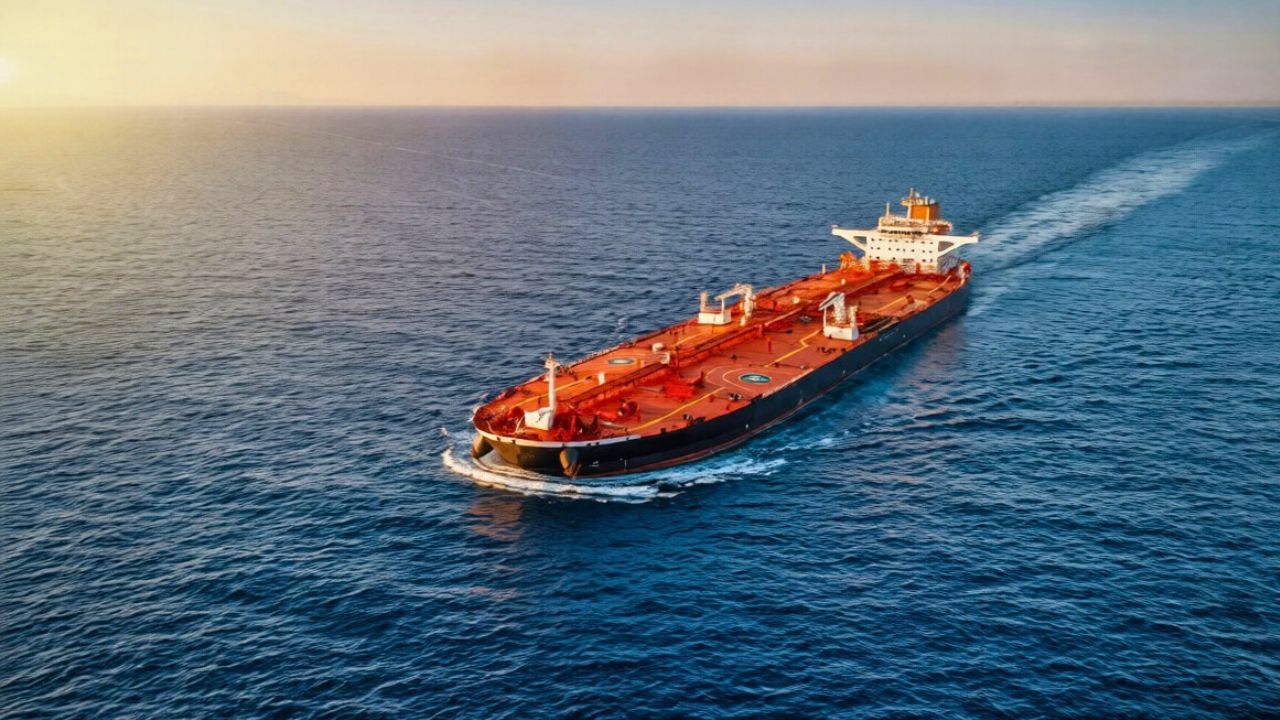
Global oil supply concerns intensify as shipping routes face threats
Photo credit: Sven Hansche/Shutterstock.com
Global oil markets are facing their most acute test in years as conflict in the Middle East chokes off tanker traffic through vital sea lanes and pushes prices sharply higher. The Strait of Hormuz, a narrow channel that handles a significant share of the world’s seaborne crude, has become the focal point of a maritime crisis that is forcing energy traders, shippers, and governments to rethink supply security in real time.
The sudden disruption is already feeding through to pump prices, freight costs, and inflation expectations, while raising the risk that any miscalculation at sea could trigger a broader economic shock.
From airstrikes to a closed chokepoint
Tensions escalated rapidly after US and Israeli forces struck Iran on February 28, an operation followed within 48 hours by an effective closure of the Strait of Hormuz to normal tanker traffic. The Strait of Hormuz is being described as the most severe disruption to global shipping and logistics since the pandemic, with energy cargoes at the center of the shock.
Analysts had long warned that any move by Iran to interfere with traffic through this corridor could send shockwaves through energy markets, and that scenario is now playing out in real time.
Iran has halted tanker traffic through the Strait of Hormuz, a move that immediately affected about 20 percent of global oil shipments that normally pass through the channel. Commentators tracking the disruption say oil markets worldwide with what one trader described as “insane” price moves as benchmarks spike and volatility surges.
The halt has left tankers idling or diverting, with shipowners weighing the risk of transit against the cost of extended voyages around Africa.
Tankers vanish from the map
Shipping trackers that normally show dense streams of vessels through Hormuz now display an eerie gap. Maritime analysts have highlighted that there are virtually no ships in the Strait of Hormuz, a pattern explained in part by carriers deciding that the threat environment is simply too volatile to justify routine passage.
On one widely watched maritime program, host Salaglano walked viewers through live tracking data and asked why there are suddenly no commercial ships in the Strait of Hormuz, underscoring how quickly a once predictable corridor has turned into a high-risk zone.
Operational data from maritime intelligence firms backs up the visual evidence. One Operational Overview of the crisis noted that transit activity through the Strait of Hormuz has been heavily suppressed, with only a handful of outbound and inbound movements recorded over a full day.
Ships that do attempt passage are understood to be facing direct kinetic risk, which has pushed insurance premiums sharply higher and prompted many operators to suspend voyages altogether.
Industry notices show how quickly corporate risk assessments have shifted. An UPDATE circulated to clients explained that as of March 1 several carriers have halted or rerouted vessel movements through the Strait of Hormuz and the Suez, forcing wholesale changes to schedules for Gulf bound cargo.
Those decisions are rippling through container and tanker markets alike, as vessels are redeployed and charter rates reset.
Attacks, threats, and a “Tanker War” narrative
The closure is unfolding against a backdrop of attacks on Gulf shipping and explicit Iranian warnings that oil flows could be targeted. A detailed account of the so-called Tanker War of 2026 describes how the Strait of Hormuz Closure Disrupts Global Oil and LNG Trade, with reports that Hormuz shut to routine tanker movements by early March after a series of incidents involving commercial ships.
By March 8, the maritime crisis in the Gulf had escalated significantly following a week of hostilities between the U.S. and regional actors, with one update noting that the stakes for retaliatory maritime attacks had risen sharply and that ship operators were reassessing exposure across the Gulf.
Iranian rhetoric has added to the anxiety. A widely shared video clip from Arab media highlighted WATCH Iran’s threats to block oil traffic through the vital Strait of Hor, a message that drew 11K likes and 199 comments and fed public debate about the risk of a prolonged blockade.
Iranian military officials have also warned that oil prices could surge above 200 dollars per barrel if the Middle East conflict widens, prompting social media calls to FILL YOUR VEHICLES as drivers brace for further spikes in fuel costs.
Oil prices spike past 100 dollars
Energy benchmarks have reacted with speed and force. According to one detailed market report, Brent crude oil reached almost $105 per barrel, while WTI oil futures topped $102 per barrel as traders scrambled to price in the loss of Hormuz supply. Those figures of $105 per barrel and $102 per barrel highlight how quickly benchmarks have vaulted back into triple digits.
The same analysis stressed that the disruption in shipping traffic is already tightening supplies and driving up prices for refiners and end consumers.
Social media posts from market watchers describe how oil prices have surged nearly 5 percent as the IRAN conflict escalates, with one widely shared graphic warning that higher crude costs will feed directly into inflation and fuel bills worldwide.
In Dubai, United Arab Emirates, coverage framed the situation as Oil Prices Surge, capturing the sense of unease among traders and policymakers as they watch price movements in energy markets.
Volatility has been intense rather than one directional. One energy market briefing noted that oil prices dropped after the US granted a license to countries to purchase Russian oil that had been stranded on sea for 30 days, illustrating how alternative supplies can briefly cap rallies even as geopolitical risk stays elevated.
Yet the underlying fear that a prolonged Hormuz disruption could push prices far higher remains a key theme in trader commentary and official warnings.
Global stakes from Washington to Nairobi
Political leaders are scrambling to shape the response. One televised address showed a senior US figure urging oil tankers to continue using the Strait of Hormuz despite Iran threats, arguing that the strategic corridor is vital to the global economy and carries roughly 25 to 30 percent of seaborne oil in normal times.
That call reflects a calculation that ceding the route entirely to Iranian control would hand Tehran significant leverage over global energy flows.
In East Africa, the impact is already visible. A dispatch by Edith Mutethya in Nairobi, Kenya reported that the escalating tensions in the Middle East are threatening global shipping and energy markets, with fuel markets also tightening as import-dependent economies brace for higher landed costs and possible shortages.
Kenyan transport operators and power producers are among those watching the Gulf crisis closely, since elevated crude prices can quickly filter into bus fares, electricity tariffs, and food prices.
Energy agencies are also revisiting long standing assessments of chokepoint risk. One technical note from US analysts, Discovered via the Strait of Hormuz Closure research, has long highlighted that any sustained disruption in this corridor would require rerouting large volumes of oil on longer paths, a shift that would strain tanker capacity and add significant cost.
Those warnings now read less like theoretical stress tests and more like a live description of the current crisis.
Rerouting, reserves, and fragile confidence
With the Strait effectively shut, traders are turning to strategic stockpiles and alternative routes. Some Gulf exporters are pushing more barrels through pipelines to Red Sea ports, while Asian buyers explore increased intake from West Africa and the Americas.
However, the capacity of these alternatives is limited, and shipping around the Cape of Good Hope adds weeks to voyages and raises freight costs for every cargo.
Governments are quietly modeling scenarios that range from a short, sharp disruption to a drawn out standoff that forces coordinated releases from strategic reserves. The European Union, India, China, and major importers in East Asia all have a direct stake in how long Hormuz remains unsafe for routine traffic.
Like Fix It Homestead’s content? Be sure to follow us.
Here’s more from us:
- I made Joanna Gaines’s Friendsgiving casserole and here is what I would keep
- Pump Shotguns That Jam the Moment You Actually Need Them
- The First 5 Things Guests Notice About Your Living Room at Christmas
- What Caliber Works Best for Groundhogs, Armadillos, and Other Digging Pests?
- Rifles worth keeping by the back door on any rural property
*This article was developed with AI-powered tools and has been carefully reviewed by our editors.