How to keep pipes warm with things you already own
Frozen pipes turn a normal cold snap into an expensive emergency fast. You don’t always get much warning, either—one really cold night can be enough if your pipes are in a drafty spot.
You can absolutely buy pipe insulation and heat tape, and those are great long-term fixes. But sometimes the freeze warning hits and you only have what’s in your house right now. That can still work. A lot of everyday items do a decent job of giving pipes just enough protection.
Start by knowing which pipes are at risk
You don’t need to worry about every single pipe in the house. Focus on the vulnerable ones:
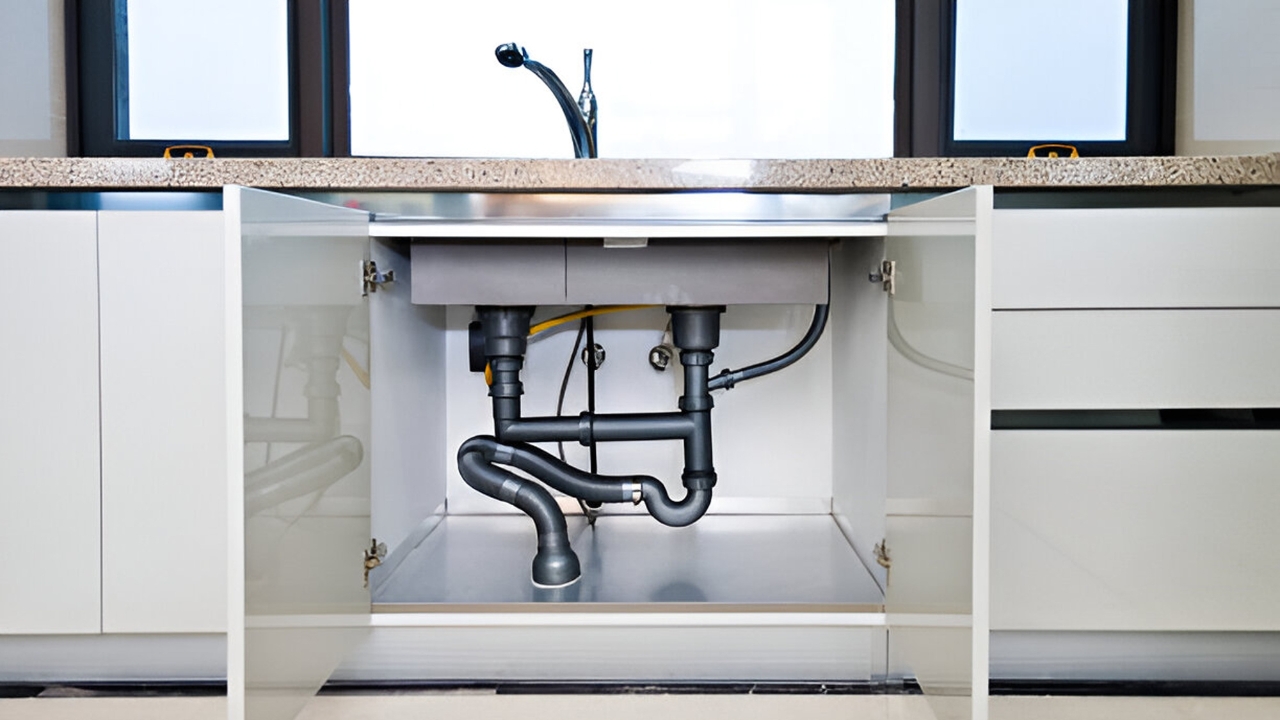
- Under sinks on exterior walls
- In unheated garages, basements, and crawlspaces
- Near drafty doors, windows, or vents
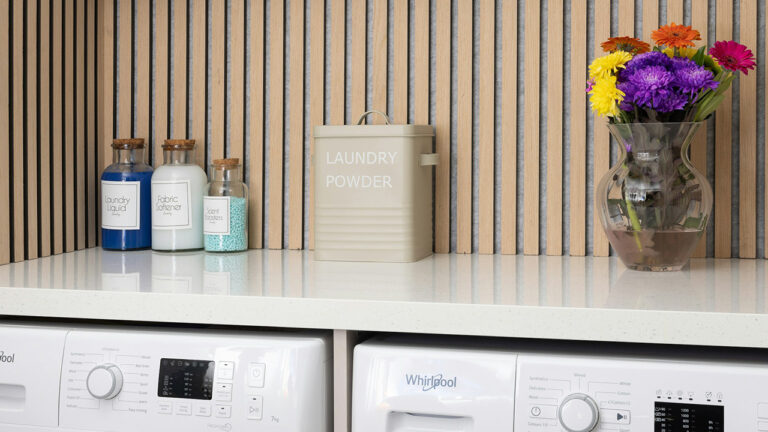
- In laundry rooms with little insulation
If you’ve ever had pipes freeze before, start there. Those spots are basically trying to warn you they’re the weakest links.
Open the cabinets and let the room’s heat do some work
One of the quickest, easiest things you can do is open the doors under sinks on exterior walls. Closed doors trap cold air around the pipes. Open doors let warm room air reach them.
On extremely cold nights:
- Open under-sink cabinets in kitchens and bathrooms
- Move cleaners or anything dangerous to kids or pets up higher first
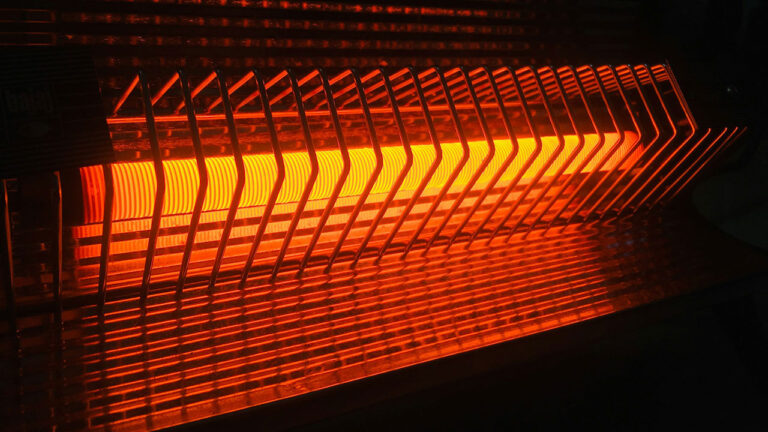
- If the room is still chilly, set a small space heater in the room (away from anything flammable) on a low setting
You’re not trying to make it toasty. You’re just fighting off that sharp cold pocket around the pipes.
Use towels and blankets as makeshift insulation
If you don’t have pipe insulation, you can improvise with:
- Old bath towels
- Fleece throws
- Sweatshirts
- Thick socks
Wrap these around exposed sections of pipe, especially where they run along cold walls or near drafty spots. Secure with string, tape, or rubber bands—not tightly enough to crush anything, just enough to hold them in place.
It’s not fancy, but even that thin layer of fabric gives the pipe a buffer from the cold air. That buffer is sometimes the difference between “cold” and “frozen solid.”
Put cardboard and rugs between pipes and cold surfaces
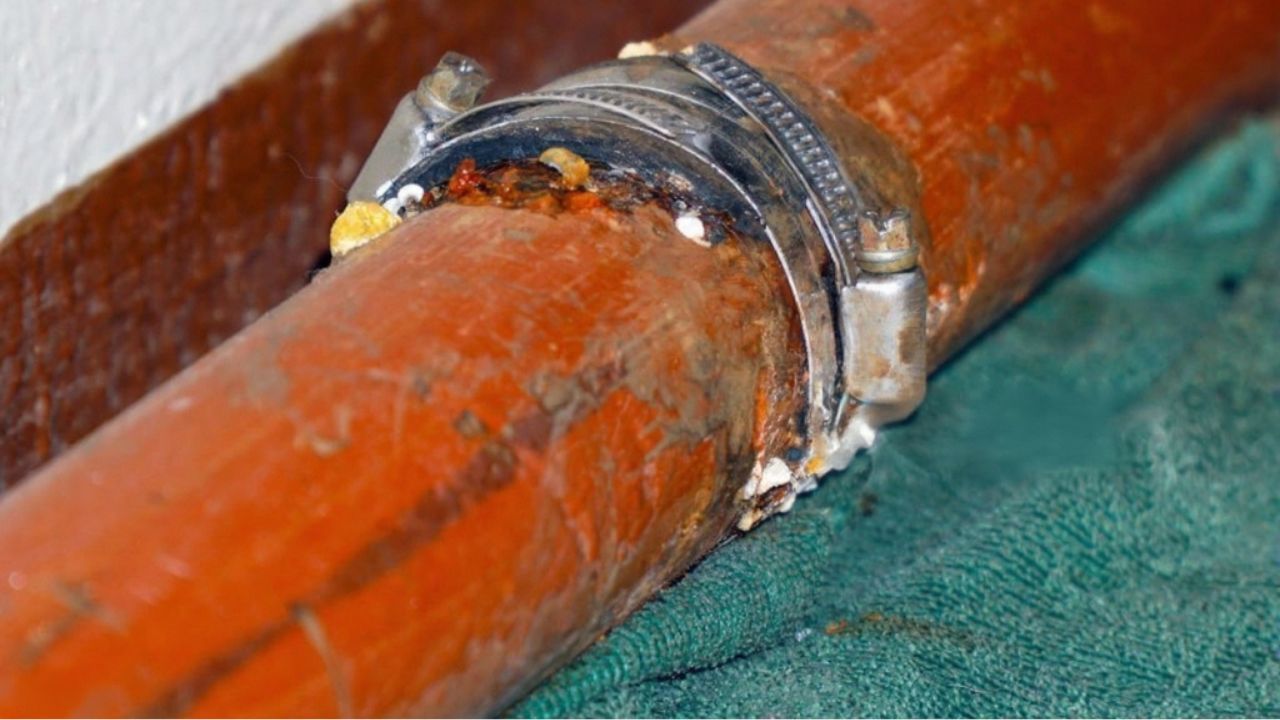
Cold comes from all directions—concrete floors, exterior walls, uninsulated garage doors. You can block some of that with what you’ve already got.
Try:
- Leaning flattened cardboard boxes against a cold wall behind pipes in a garage or basement
- Laying old rugs or mats on the floor under exposed pipes
- Sliding a piece of foam, folded blanket, or spare board between pipes and an exterior wall where possible
You’re building a little barrier so the pipe isn’t in direct contact with the coldest surfaces. That little separation can keep temperatures around the pipe a few degrees higher.
Let faucets trickle in the coldest areas
Moving water is harder to freeze. On very cold nights, especially if you’ve had issues before, let faucets in vulnerable areas run at a slow trickle.
Focus on:
- Sinks on exterior walls
- The farthest faucet from where water enters the house
- Any tap that shares a line with a pipe you know is in a cold space
A pencil-thin stream is enough. Yes, it uses a bit of water, but it’s cheaper than a burst pipe and a plumber visit. You can even put a pitcher or bucket under it to capture water for flushing or other uses.
Close drafts you can see or feel
If cold air is blasting in near pipes, deal with the draft. You don’t have to perfectly seal the whole house—just do enough to protect the area around the lines.
Quick things that help:
- Roll up towels and stuff them at the base of exterior doors near plumbing
- Use painter’s tape and plastic (or even trash bags) over very drafty windows in rooms with plumbing
- Close vents that blow cold air into crawlspaces or garages if it’s safe to do so
You’re trying to keep the immediate area around the pipes from turning into outdoor temperatures.
Use space heaters smart, not risky
Space heaters can help keep pipes warm, but you have to use them carefully. If you run one:
- Keep it away from anything flammable (curtains, cardboard, towels)
- Don’t set it inside a cabinet—heat the room, not the cabinet walls
- Use the lowest setting that keeps the chill off
- Never leave it running unattended overnight unless it has good safety features and you’re comfortable with that risk
Think of the heater as a background assist, not the only thing standing between your pipe and disaster.
Don’t forget appliance hoses
Washing machine hoses and dishwasher lines often sit against exterior walls or in cold rooms. If you’re in a hard freeze:
- Leave the laundry room door open
- Wrap exposed hoses with towels just like you would regular pipes
- Avoid running the washer overnight during the coldest hours
Those thin hoses are easier to forget and easier to damage, but a little fabric and airflow can protect them just as well.
If you suspect a pipe is starting to freeze
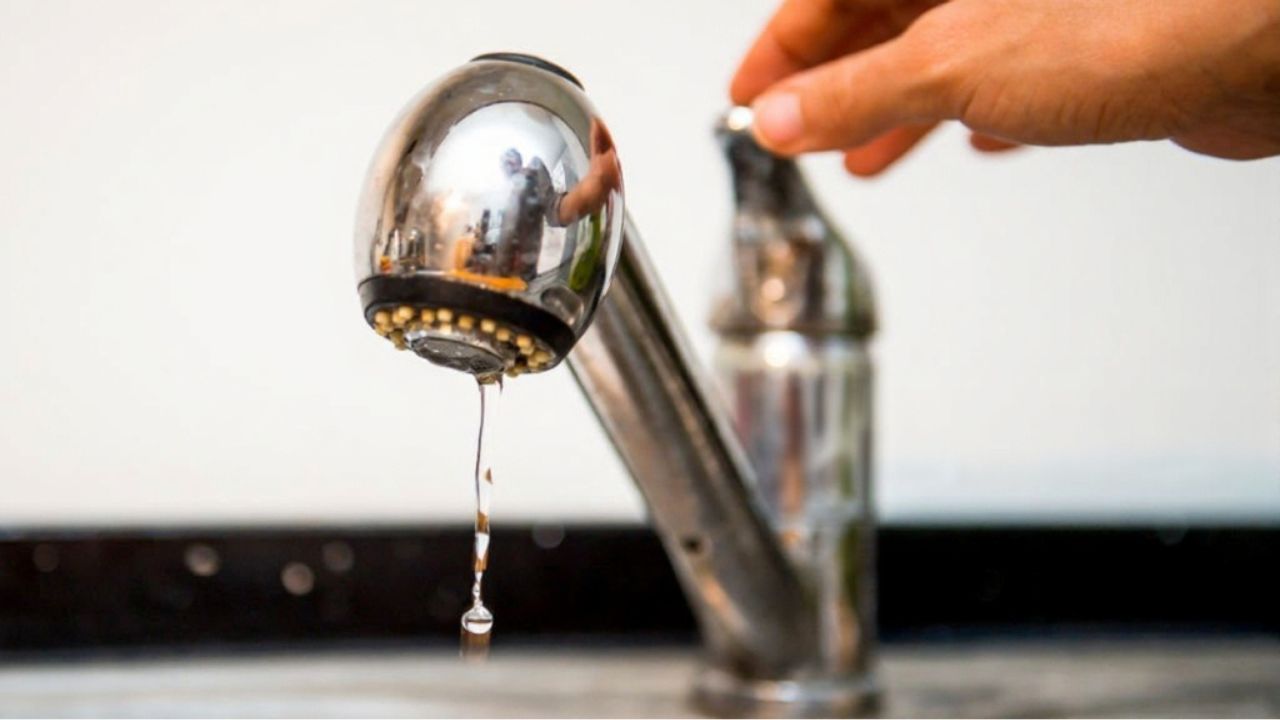
If you turn on a faucet and only a trickle comes out, something might be freezing up. Don’t panic, but act quickly:
- Turn the faucet to a small stream if you can
- Open the cabinet doors
- Warm the area with a space heater in the room or a hair dryer aimed near, not directly touching, the pipe (keep everything moving and never leave it unattended)
Your goal is to gently warm the area around the pipe, not blast it with intense heat. If you can’t get water moving again or see signs of a leak, that’s when it’s time to shut off the main water and call a pro.
You don’t have to have everything perfect to get through a cold snap. Using towels, blankets, cardboard, and some better airflow with what you already own can give your pipes enough of a fighting chance to make it through the night without a disaster.
Like Fix It Homestead’s content? Be sure to follow us.
- I made Joanna Gaines’s Friendsgiving casserole and here is what I would keep
- Pump Shotguns That Jam the Moment You Actually Need Them
- The First 5 Things Guests Notice About Your Living Room at Christmas
- What Caliber Works Best for Groundhogs, Armadillos, and Other Digging Pests?
- Rifles worth keeping by the back door on any rural property
*This article was developed with AI-powered tools and has been carefully reviewed by our editors.