How to Start a Backyard Homestead with Just One Raised Bed
You don’t need a whole acre to start homesteading. One raised bed in your backyard is more than enough to grow real food, learn useful skills, and start building a more self-reliant lifestyle.
Starting small keeps things manageable, and with the right setup, that one bed can produce more than you’d expect. Here’s how to make the most of it and kick off your homestead one square foot at a time.
Choose the Right Spot
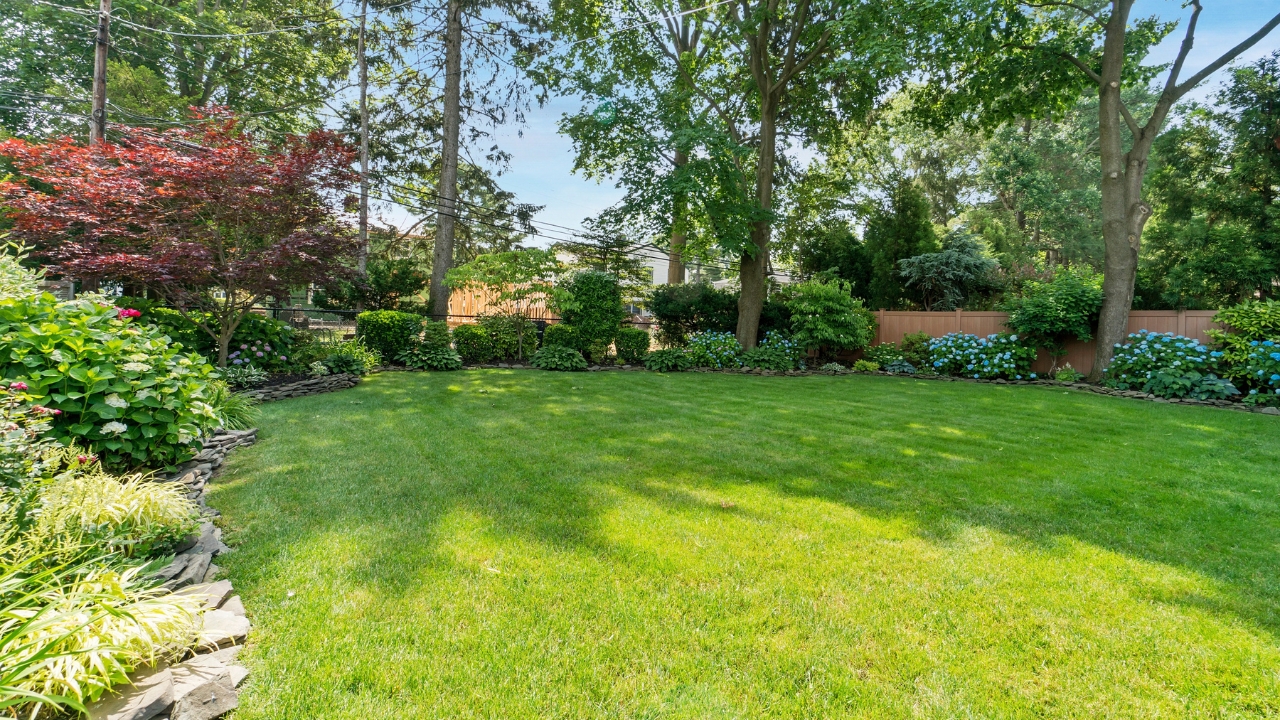
Before you build anything, take time to figure out where that bed should go. You want at least six hours of sunlight a day, decent drainage, and access to water. Skip the shady corner and aim for a flat spot that won’t flood when it rains.
A little planning now saves a lot of frustration later. Watch how the sun moves across your yard and test the soil underneath. Even if you’re filling the bed with new dirt, it still helps to know what you’re working with underneath it.
Build a Manageable Size
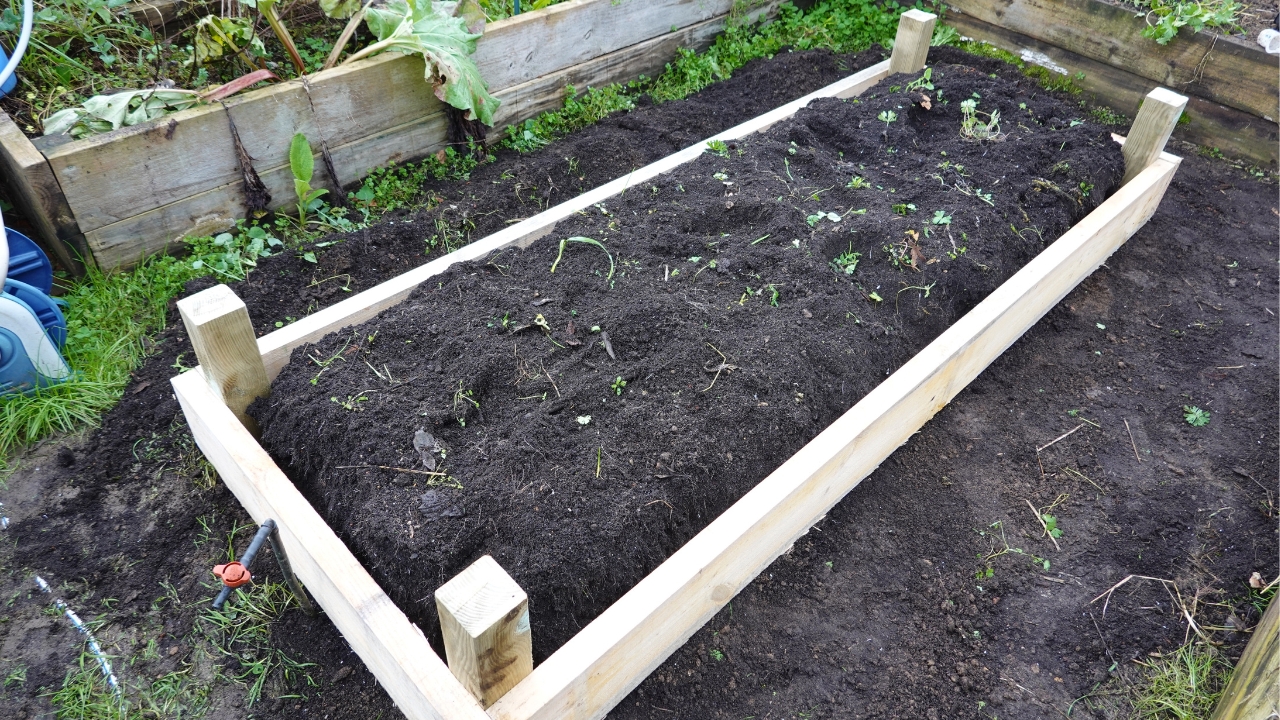
You don’t need a giant setup to get started. A 4×8 bed is plenty for a beginner—it’s big enough to grow a good variety of crops but still small enough to manage without getting overwhelmed.
Stick with untreated wood or food-safe materials. Keep the depth around 10 to 12 inches to give roots room to spread. Make sure you can reach the middle from all sides so you’re not stepping in the bed and compacting the soil.
Focus on High-Yield Crops

With limited space, you’ve got to make every square foot count. Stick to crops that produce a lot over time—like cherry tomatoes, zucchini, bush beans, or leaf lettuce. These give you the most harvest for the least space.
Avoid stuff like corn or pumpkins that take up too much room for too little return. Think in terms of what your family eats often and what keeps producing instead of a one-and-done harvest.
Use Companion Planting
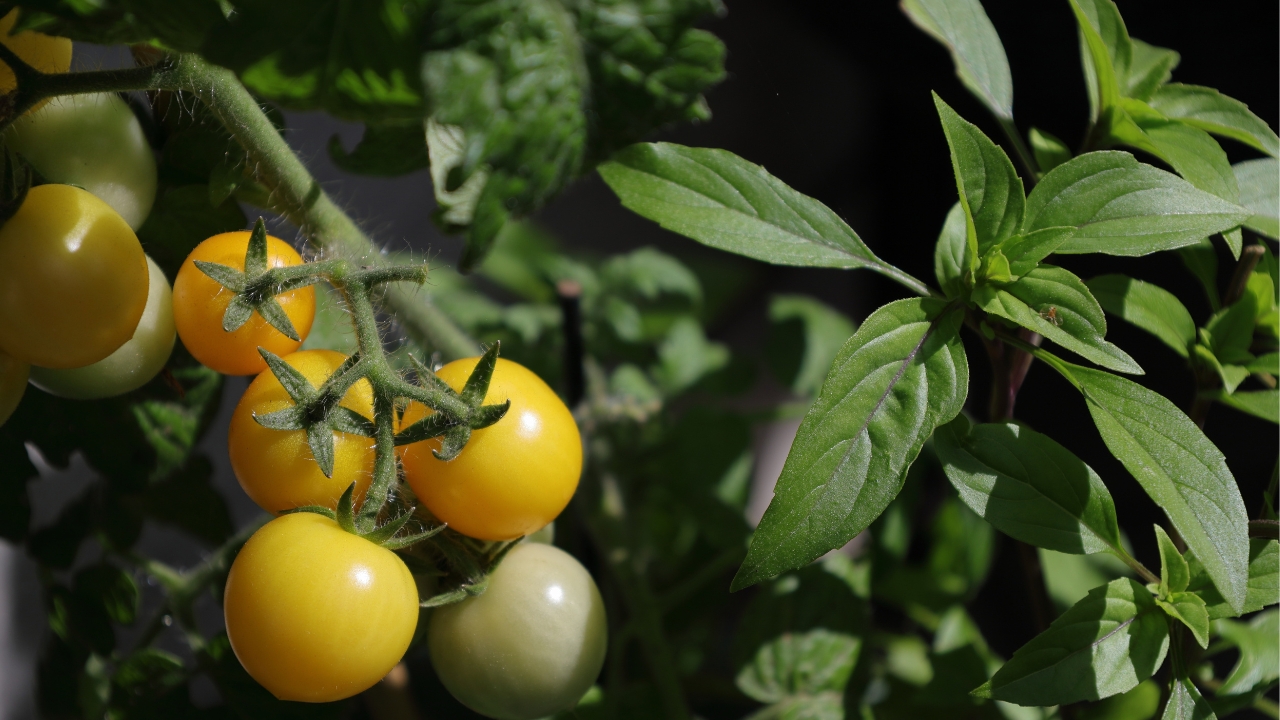
Companion planting helps you squeeze more into your space while keeping things healthier. Certain plants support each other by attracting good bugs, deterring pests, or making better use of nutrients.
For example, pair tomatoes with basil or beans with carrots. You’ll reduce the need for pest control and improve your chances of a steady harvest. It’s a smart way to stretch a small bed even further without adding more work.
Practice Succession Planting
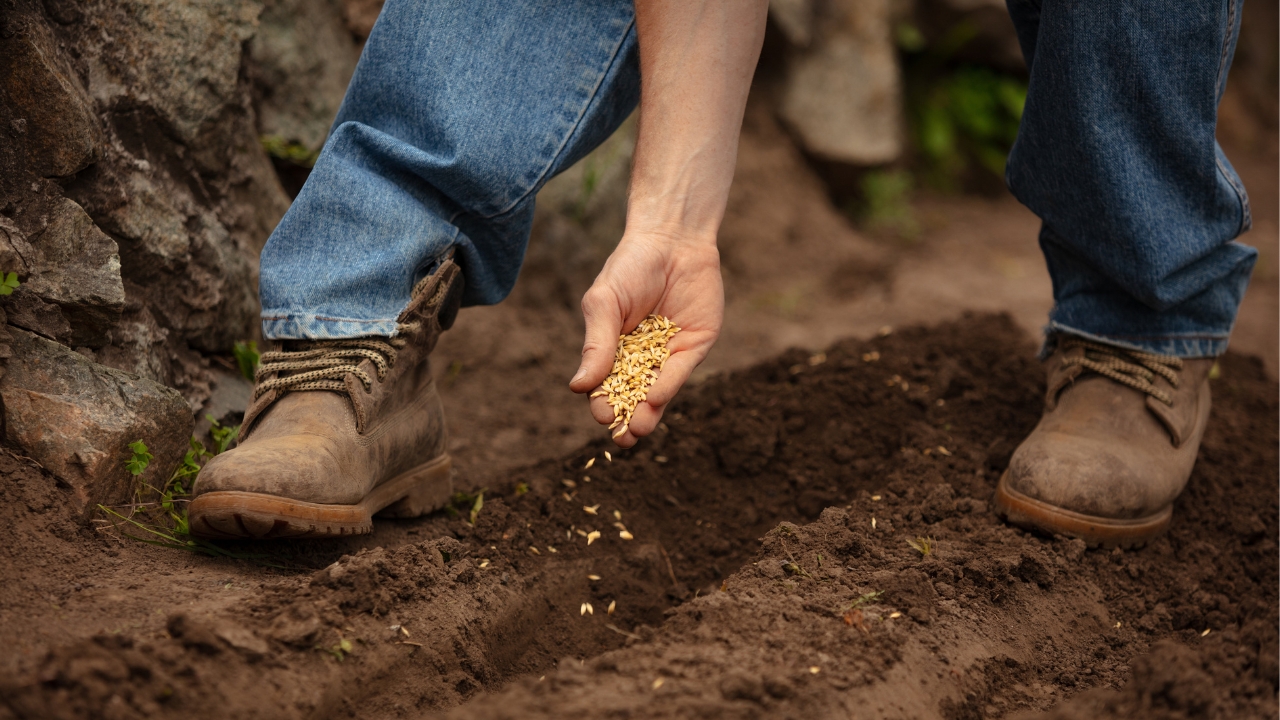
When one crop finishes, don’t let the space sit empty. Pull it and plant something else. That’s succession planting—keeping your bed productive all season long. Fast growers like radishes, lettuce, and spinach are great for this.
With some planning, you can get two or even three rounds of crops out of the same square footage. Keep a planting calendar handy, and always be ready to put new seeds in the ground when space opens up.
Keep Your Soil Healthy

Your raised bed will only be as productive as the soil inside it. Start with a mix of compost, topsoil, and peat or coco coir. Avoid cheap bagged mixes full of filler. And every time you pull a crop, top off the bed with fresh compost.
Healthy soil grows stronger plants that can fight off pests and disease on their own. You’ll get more food with fewer problems, and it only takes a little effort to maintain once you’re set up.
Add a Simple Trellis
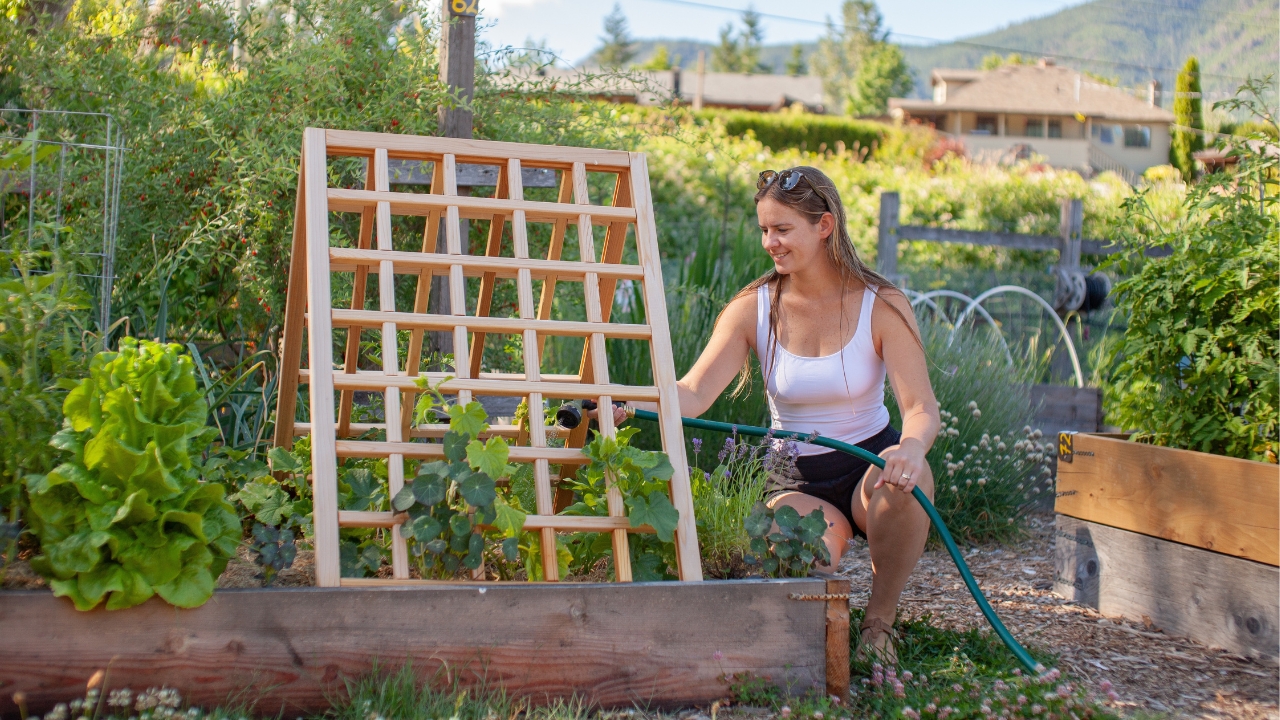
A basic trellis can double your growing space by going vertical. Use it for crops like tomatoes, cucumbers, or pole beans. Even just a few stakes and some twine can get the job done.
Trellising saves space, keeps plants healthier by improving airflow, and makes harvesting easier. It’s one of the easiest upgrades you can make, and it helps your raised bed produce more without taking up more ground.
Mulch to Control Weeds and Hold Moisture

A good layer of mulch helps keep the soil from drying out too fast and blocks out weeds before they get started. Use straw, leaves, or even grass clippings—as long as they’re clean and chemical-free.
Mulch also keeps the soil temperature steady and improves it over time as it breaks down. You’ll water less, weed less, and your plants will thank you.
Start a Compost Bin Nearby
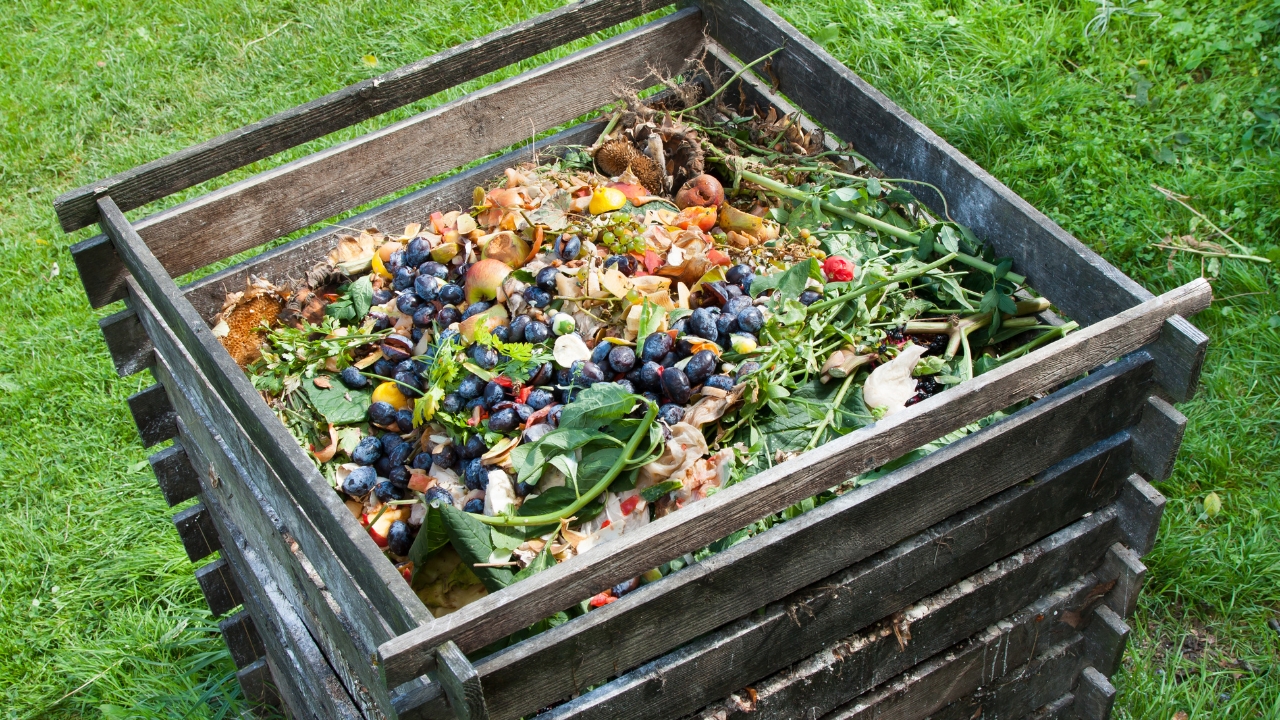
Even a small compost bin can make a big difference. Use kitchen scraps, yard waste, and old plant material to build your own compost pile. It’ll feed your raised bed for free and cut down on what you’re throwing away.
You don’t need anything fancy—just a basic bin or even a covered pile in the corner of the yard. Turn it now and then, and in a few months, you’ll have rich material ready to boost your soil again.
Keep Learning and Take Notes

Homesteading is a long game. Start slow, pay attention to what works, and don’t be afraid to adjust as you go. Keep a simple notebook or use your phone to track planting dates, harvests, and what flopped.
That one raised bed will teach you more than any book. And the better you get at managing that small space, the easier it’ll be to expand later if you want to. Homesteading always starts small—what matters is that you start.
*This article was developed with AI-powered tools and has been carefully reviewed by our editors.