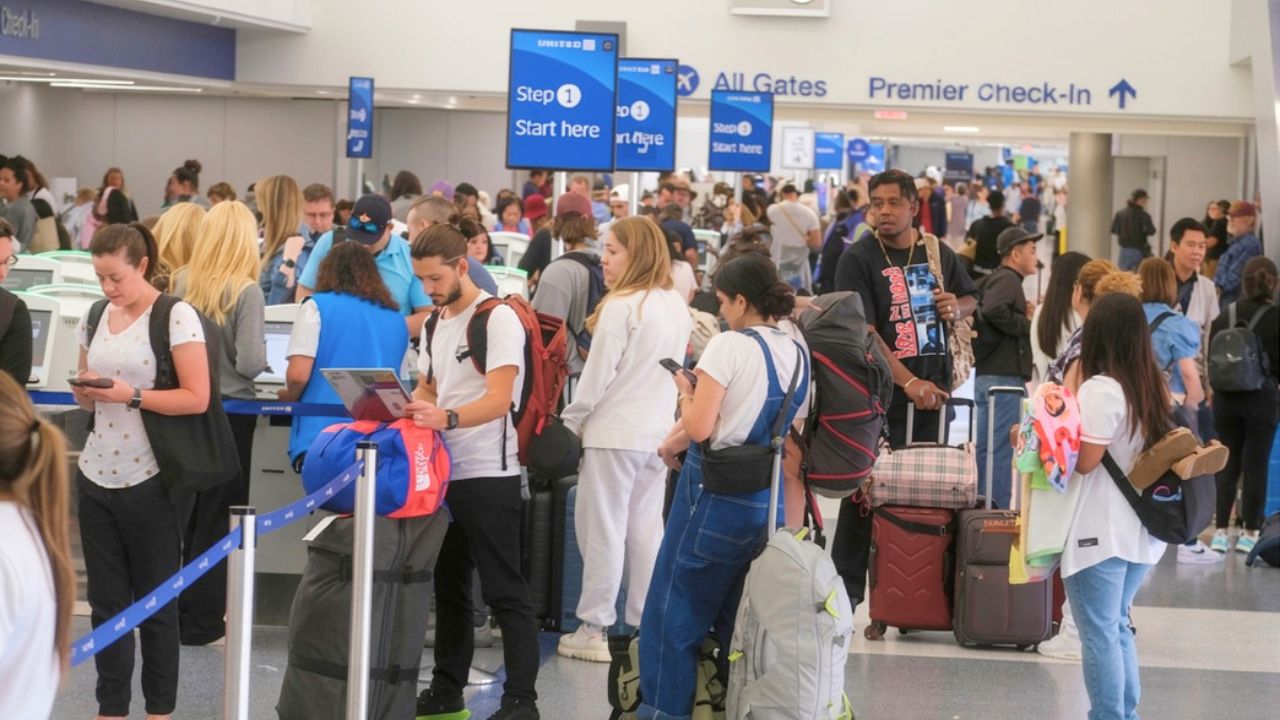
Hundreds of TSA officers have quit during shutdown chaos, and airports are still feeling it
The fallout from the recent government funding lapse is still rippling through U.S. airports, with staffing losses now emerging as one of the biggest long-term concerns. While exact numbers are still being clarified, officials and reporting from outlets like the Associated Press indicate that a meaningful number of Transportation Security Administration officers left their roles during or shortly after the period when federal employees were required to work without pay. Even a relatively small percentage loss can create major disruptions in a system that depends on precise staffing at security checkpoints.
During the funding gap, TSA workers were classified as essential, meaning they were required to report to work despite not receiving paychecks on schedule. That situation led to increased absenteeism at the time, with some officers calling out sick or unable to afford commuting and childcare costs without income. Now, the longer-term effect is becoming clearer: some workers have chosen not to return at all, leaving airports to operate with thinner staffing levels than before.
That gap is not easy to fill. TSA officers require background checks, training and certification before they can fully staff checkpoints, which means replacing experienced workers takes time. In the meantime, airports are relying on overtime, adjusted schedules and temporary measures to keep lines moving. Travelers may notice that while wait times have improved compared to the peak of the disruption, they can still fluctuate more than usual depending on the day and location.
Airports with heavier passenger traffic are feeling the strain the most. Even small staffing shortages can slow down screening lines during busy travel windows, especially as spring and summer travel ramps up. That has led to renewed advice from officials for passengers to arrive earlier than recommended minimum times and to build in extra buffer before flights.
The situation has also raised broader questions about workforce stability in critical infrastructure roles. TSA has long faced challenges with retention and pay competitiveness, and the funding lapse appears to have amplified those issues. Lawmakers on both sides have pointed to the disruption as an example of how quickly essential services can be affected when federal pay is interrupted, even temporarily.
For travelers, the impact is still being felt in subtle ways—longer lines at certain hours, slower throughput at checkpoints and less predictability overall. While conditions are improving as pay issues are resolved, the loss of trained officers means the system is still in a rebuilding phase, and it may take weeks or months before operations feel fully back to normal.
Like Fix It Homestead’s content? Be sure to follow us.
- Man Says He Found Out the Fence He Paid For Wasn’t Actually on His Property
- Woman Says Her Neighbor Started Taking Mulch From Her Delivery Pile Before She Could Even Spread It
- I made Joanna Gaines’s Friendsgiving casserole and here is what I would keep
- What Caliber Works Best for Groundhogs, Armadillos, and Other Digging Pests?
*This article was developed with AI-powered tools and has been carefully reviewed by our editors.