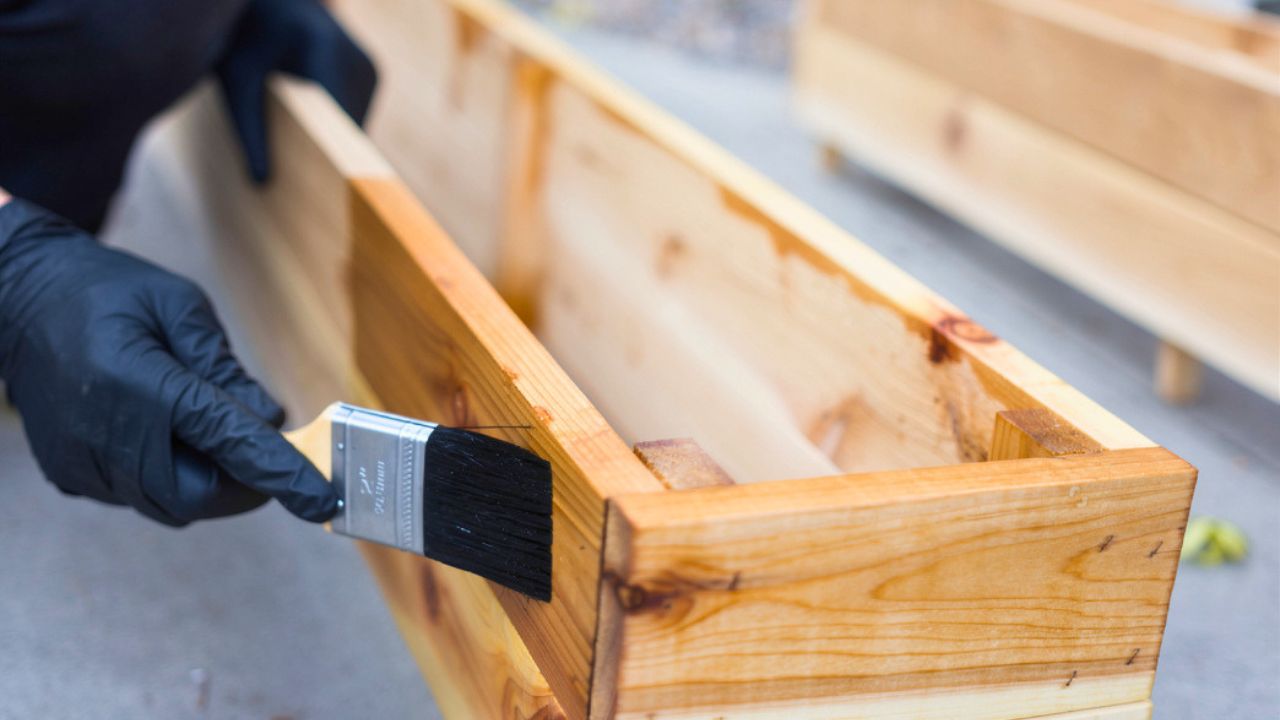
I skipped sealing the new planter boxes and they aged faster than I expected
New wooden planter boxes promise years of lush growth, yet untreated boards can start to grey, warp, and soften in a single hard season. When sealing is skipped, weather, soil contact, and UV light accelerate that slide from crisp joinery to tired lumber far faster than many home gardeners expect.
Wood species such as cedar and redwood arrive with natural resistance, but they are not invincible. Without a barrier against moisture and sun, even premium beds can need repair, sanding, and stain long before the plants inside reach their stride.
How unsealed planters age so quickly
Outdoor planters live at the intersection of constant moisture and constant drying, which is exactly where wood breaks down fastest. Soil pressed against boards keeps the interior faces damp, while the exterior bakes in sun and wind, creating internal stress that encourages cupping and checks.
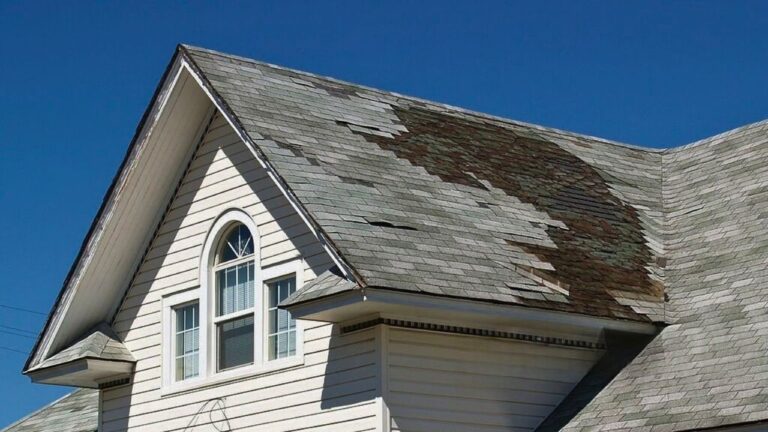
Guides on cedar planter box describe how UV exposure alone can bleach rich tones to a flat grey and open the surface grain. When that weathering is combined with wet soil, the trim and boards at soil level become the first weak points.
Once hairline cracks appear, water penetrates deeper into the fibers. Seasonal freeze and thaw cycles then expand those gaps, creating the conditions for rot fungi to move in and for fasteners to loosen. Over a few seasons, that process turns crisp corners into soft, flaking edges.
What sealing actually does for a planter box
Modern sealers are designed to slow that cycle rather than stop it entirely. Penetrating products soak into the grain, repel liquid water, and leave a breathable surface that lets vapor escape instead of trapping it under a plastic film.
Products marketed specifically for raised beds and pet structures, such as the plant-based formulas sold as garden box sealer, are built around food-contact-safe ingredients so soil, herbs, and vegetables do not sit against harsh solvents. That positioning speaks directly to gardeners who want longevity without sacrificing safety.
More general-purpose water repellents, such as RainGuard Wood Sealer, emphasize a clear, non-yellowing finish that leaves the natural color visible. They are often sold as concentrates that dilute into several gallons of treatment, which matters when multiple beds or large planters need coverage.
Manufacturers of penetrating sealers highlight that these coatings do not form a glossy skin, which can peel, but instead become part of the wood fibers. That approach is particularly useful on rough-sawn cedar and pine, where film finishes struggle to bond evenly.
Where gardeners cut corners
Many home builds stop at assembly. Boards are screwed together, soil is added, and seedlings go in before any finish has a chance to cure. The inside faces that touch soil are almost always left raw.
Experienced woodworkers on forums discussing what top coat point out that soil contact keeps moisture against the wood longer and that organic matter carries fungi and bacteria. That combination is exactly what leads to premature softening along the bottom boards.
Even when exterior faces get a coat of oil or varnish, the end grain and the underside often stay untreated. Those are the most absorbent parts of each board, and they act like wicks, drawing water up from wet ground or pooling irrigation.
How fast unsealed planters can fail
DIY repair videos show the results of that neglect in uncomfortable detail. In one project, the presenter in a tutorial on how to un-rot opens up a bed that was built the previous season and finds lower boards already punky and darkened while upper boards remain sound.
Another restoration guide on reviving five-year-old boxes walks through replacing warped boards, extensive sanding, and fresh stain just to bring the planters back to a presentable state. The owners describe how repeated soaking from sprinklers and standing snow left the surfaces significantly wet for long stretches.
Together, those examples underline a basic pattern. Without some kind of water barrier and UV protection, even sturdy cedar can move from crisp to shabby in three to five years, and softer woods can deteriorate even faster.
What a better build looks like
Specialists in outdoor joinery argue that the most durable beds are treated as small pieces of exterior furniture rather than disposable garden accessories. That mindset starts with careful cleaning and prep before any finish goes on.
Spring checklists for wooden planters recommend washing away dirt and algae with mild soap, as described in guides on how to prepare. Once dry, a light sanding removes raised grain and gives sealers a consistent surface to penetrate.
On new builds, many makers line the interior with landscape fabric or a rigid plastic liner to keep soil from sitting directly against the boards. Others leave a small gap between the soil and the sidewalls and rely on a thick mulch layer to retain moisture for plants while allowing the wood to dry.
Choosing between plant-based and conventional sealers
For gardeners who grow food, the chemistry of the sealer matters. Plant-based formulas marketed for raised beds and pet structures, such as the FDA food-contact-safe sealer listed for planters and pet houses, advertise that cured surfaces are safe around vegetables and animals.
Other products, such as Seal It Green, are positioned as non-toxic and suitable for cedar, bamboo, redwood, and pressure treated lumber. These sealers aim to combine deep penetration with resistance to water and weather on a wide range of wood types.
Conventional penetrating repellents, including premium waterproofer concentrates, focus on long-term repellency and a clear finish. Labels for these products often specify that they are low odor and non-yellowing, which appeals to homeowners who want the wood to look natural instead of coated.
Routine maintenance that actually extends life
Once a finish is in place, maintenance becomes the difference between a planter that lasts a decade and one that needs replacement halfway through. Seasonal cleaning to wipe off dirt keeps the surface from holding moisture.
Guides on how to restore wooden planters recommend medium-grit sanding to remove weathered fibers, followed by fresh stain or oil that is allowed to dry fully before replanting. That cycle can be repeated every few years instead of waiting for structural damage.
For older cedar furniture, step-by-step tutorials on how to restore start with assessing the condition, then cleaning, sanding, and refinishing. The same logic applies to planter boxes, which are essentially outdoor furniture pieces exposed to even harsher conditions.
When repair is still possible
Even when decay has started, not every planter is a write-off. Videos on repairing rotten planters show how to cut out failed boards, splice in new lumber, and reinforce corners with basic tools.
In some cases, homeowners power wash weathered surfaces, as seen in demonstrations that refinish boxes built from red grandis with finishes like Total Bo marine-style coatings. Once the grey layer is stripped and the surface is dry, a fresh coat of oil or sealer can dramatically reset the appearance.
Another restoration walkthrough on staining garden planters highlights simple tools: a bucket or tray for stain, a stiff brush to knock off residue, and a dedicated brush for application. The process is accessible for most homeowners, which makes regular upkeep more realistic.
The cost of skipping that first coat
For gardeners weighing the tradeoff between immediate planting and prep work, the pattern across these examples is consistent. Skipping sealing on new planter boxes saves a weekend at the start and often costs several weekends of repair, sanding, and board replacement a few seasons later.
Manufacturers that focus on cedar planters advise applying a UV-protective oil such as Osmo-style finishes before the first winter to slow greying and surface checking. That early investment aligns with the experience of DIYers who find that unsealed beds need far more aggressive intervention later.
In the end, the faster-than-expected aging of raw planter boxes is less a surprise and more a predictable outcome of wood science. Where moisture, UV light, and soil meet, unprotected boards will always age in dog years, and a single careful coat of sealer can change that timeline dramatically.
Like Fix It Homestead’s content? Be sure to follow us.
Here’s more from us:
- I made Joanna Gaines’s Friendsgiving casserole and here is what I would keep
- Pump Shotguns That Jam the Moment You Actually Need Them
- The First 5 Things Guests Notice About Your Living Room at Christmas
- What Caliber Works Best for Groundhogs, Armadillos, and Other Digging Pests?
- Rifles worth keeping by the back door on any rural property
*This article was developed with AI-powered tools and has been carefully reviewed by our editors.