I stored birdseed in the shed and learned why that can go sideways fast
Stashing a sack of birdseed in a backyard shed looks tidy and practical, right up until the rodents, insects and mold arrive for a buffet. Many backyard birders learn the hard way that a quiet outbuilding can quickly turn into a magnet for pests and spoiled feed.
The risks are predictable and preventable. With the right containers, placement and rotation habits, bird lovers can keep seed safe for finches and cardinals instead of feeding rats, moths and raccoons.
How a simple shed stash turns into a wildlife problem
Birdseed is a high calorie, high fat food source, which means it appeals to far more than chickadees. When it sits in a shed, the smell carries, and the structure often has gaps around doors, vents or floorboards that make access easy.
One backyard discussion features Louise Adkins Mezera warning that rats and mice chew right through plastic, no matter how thick it is, and she describes switching to metal trash cans so they cannot get at her birdseed.
Others in the same conversation pile on with similar experiences, describing galvanized cans, stainless steel trash cans and locking lids as the only options that have held up against gnawing rodents and persistent raccoons.
Another Facebook thread about whether someone can store bird food in a shed points out that seed might be a draw for foxes, possums and skunks, especially if any spills or torn bags leave a trail of scent out the door.
Those larger visitors bring their own problems, from tipped containers and scattered seed to droppings that can contaminate anything left on the floor.
The invisible threats: mold, moths and stale seed
The shed itself can also work against the seed. Many backyard structures swing between humid heat in summer and condensation in cooler months, conditions that encourage clumping and mold growth inside paper or thin plastic bags.
One advisory on bird feed storage warns that even if someone removes visible clumps, the danger does not go away, because mold spores and mycotoxins can spread through the rest of the bag and make birds sick.
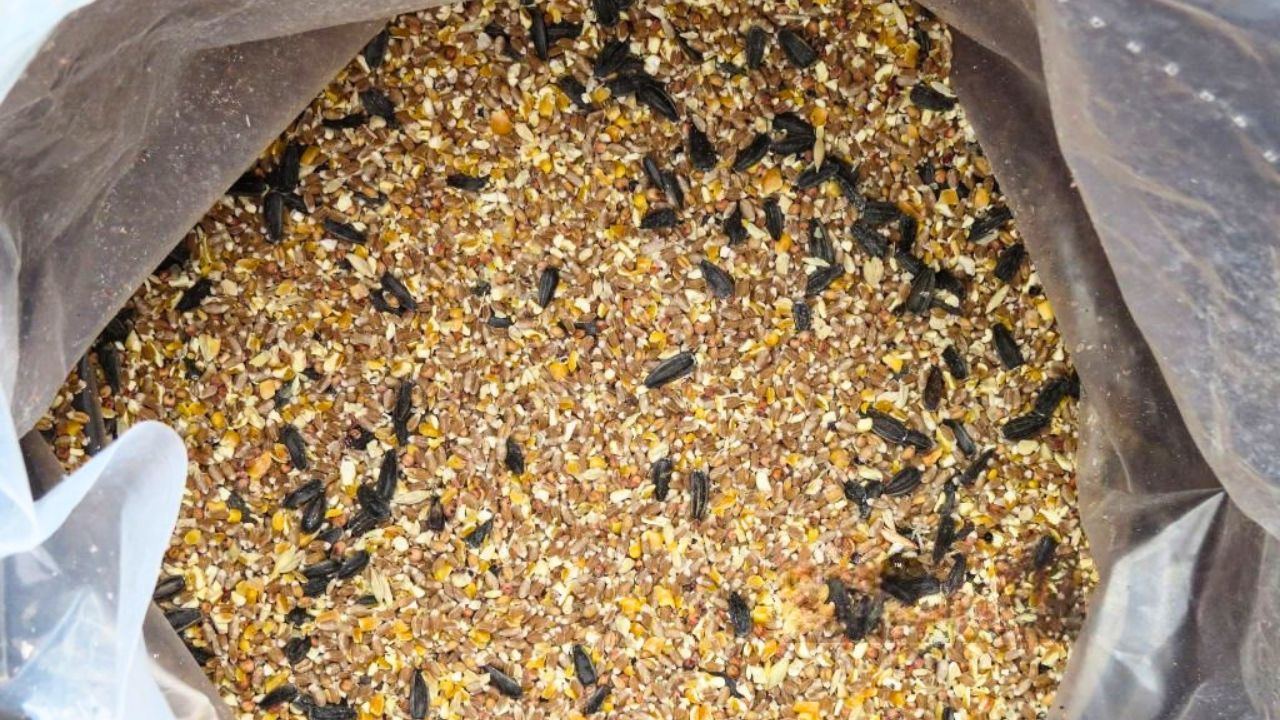
Specialists who focus on bird feeding note that any seed can become infested with grain moths and weevils, and that these insects can multiply quickly in warm, still air if old seed is left in the bottom of a container.
Guidance from bird food retailers stresses that purchasing bird food in bulk is cost effective but can be hard to manage, and that poorly stored bulk bags are exactly where moths, beetles and rodents tend to show up first.
Over time, heat and moisture also strip seeds of oils and nutrients. That leaves stale, dusty feed that birds may reject, which can make it look like a feeder has gone quiet for no reason.
Why container choice matters more than location
Experts and experienced birders are remarkably consistent on one point: the container matters more than the building around it. Advice from one feed and supply guide recommends using durable containers for storing birdseed and says galvanized metal or heavy gauge plastic are best, with rounded corners that are easier to clean and less likely to trap moisture.
Education material from a bird feeding store explains that keeping bird seed fresh and healthy means using containers that seal tightly, stay dry and are easy to empty completely before refilling.
Several backyard bird lovers echo that guidance in practice. One commenter describes keeping chicken food in a metal trash can with a lid and a handle that flips up and locks it in place, an approach that easily transfers to birdseed.
In the same group, people trade photos of aluminum cans, locking lids and even cement blocks on top to stop raccoons from prying open the storage.
Some bird feeding guides go further and recommend that any container used in a shed or garage be rodent proof, which in real terms means metal walls and a lid that cannot be chewed or nudged open.
Is a shed ever the right place for birdseed?
Whether a shed can work at all depends on how closely it mimics the conditions of a pantry. Advice on how to store bird seed from home and garden experts emphasizes a cool, dry place out of direct sunlight and protected from extreme temperatures, with a container that keeps out rodents and insects and a scoop that minimizes spills.
General storage tips for bird food repeat the same priorities: always keep seed in a cool and dry area, avoid places that heat up in the sun, and do not buy more than birds will eat over roughly a two week period in warm weather.
Some bird feeding education pages add that seed should be stored indoors whenever possible, where temperature and humidity are more stable than in a yard structure.
Yet many birders do not have spare indoor space, so they compromise. A well built shed with solid doors, intact flooring and no obvious gaps can work if the seed stays off the ground, in a sealed metal can, and the area is checked often for droppings or chew marks.
Anecdotes from online groups suggest that trouble usually starts when bags sit directly on a shed floor, when lids are left loose, or when spilled seed is not swept up promptly.
How to keep a backyard feeding station from turning into a pest buffet
Even perfect storage cannot fully separate birdseed from neighborhood wildlife. One consumer advice piece on bird feeders notes that birdseed can lure creatures not normally considered backyard guests, and that these visitors can also carry mites and insects.
That risk begins at the feeder but extends back to storage, because every spill under a hanging bag or open lid becomes an invitation.
Several practical steps emerge from the combined guidance.
- Use a rodent proof container, ideally a galvanized or stainless steel trash can with a tight fitting or locking lid, for all seed stored in sheds or garages.
- Place containers on shelves or pallets rather than directly on the floor, especially in wooden sheds where gaps and damp spots are common.
- Limit how much seed is purchased at once so it can be used within a few weeks in warm seasons, which reduces the chance of mold and insect infestations.
- Inspect seed regularly for clumps, off smells or webbing that can indicate mold or moths, and discard any suspect batch instead of trying to salvage it.
- Clean containers between refills so old seed dust and hulls do not sit under fresh seed where moisture and pests can hide.
Community discussions also point out that location around the home matters. One thread that was shared by a well known lifestyle brand repeats that bird food stored close to outdoor feeding areas might be a draw for foxes, possums and skunks, and suggests that people who want to keep those animals away should avoid putting out a buffet for them in the first place.
Another Facebook post that links to the same advice reinforces the idea that storage choices and feeder placement work together, and that both can either discourage or invite non bird visitors.
Why smarter storage pays off for birds and people
Getting birdseed storage right is not just about protecting a shed. It directly affects bird health, neighborhood sanitation and the cost of a hobby that can already feel expensive when bags of sunflower hearts and nyjer are involved.
When seed stays dry, cool and pest free, birds get the full nutritional value of what is offered, and people do not have to throw away moldy or infested bags.
Keeping rodents and raccoons from finding an easy food source in a shed also makes them less likely to move into walls, garages or attics in search of more.
Like Fix It Homestead’s content? Be sure to follow us.
Here’s more from us:
- I made Joanna Gaines’s Friendsgiving casserole and here is what I would keep
- Pump Shotguns That Jam the Moment You Actually Need Them
- The First 5 Things Guests Notice About Your Living Room at Christmas
- What Caliber Works Best for Groundhogs, Armadillos, and Other Digging Pests?
- Rifles worth keeping by the back door on any rural property
*This article was developed with AI-powered tools and has been carefully reviewed by our editors.