
Is your exterior paint winter ready? Here is how to tell
Exterior paint does more than look nice—it’s a layer of protection against moisture, sun, and temperature swings. If that layer is failing going into winter, you’re more likely to see peeling, mildew, or even damage to the siding underneath. Before the cold settles in, it’s worth taking half an hour to see how your paint is really doing.
Walk the house and look for peeling, bubbling, and bare spots
Start with a slow walk around the outside of your home. Pay attention to the places that get hammered the most: south-facing walls, areas near sprinklers, and spots where water tends to drip or sit.
Flaking, curling, or bubbling paint are signs that moisture is getting behind the surface or that the paint has simply aged out. Bare spots where wood or siding shows through are especially important—those spots are no longer protected from the weather.
Check high-moisture areas first: trim, sills, and near gutters
Window sills, door trim, fascia boards, and areas under gutters and downspouts are the first to show trouble. If you see peeling paint, soft wood, or dark staining, that’s your signal.
Press lightly with a fingernail or screwdriver handle. If the wood feels spongy, that’s more than a paint problem—it’s a moisture issue. Ideally, you’ll at least scrape, spot-prime, and repaint these vulnerable zones before freeze–thaw cycles make things worse.
Look for hairline cracks and chalky surfaces
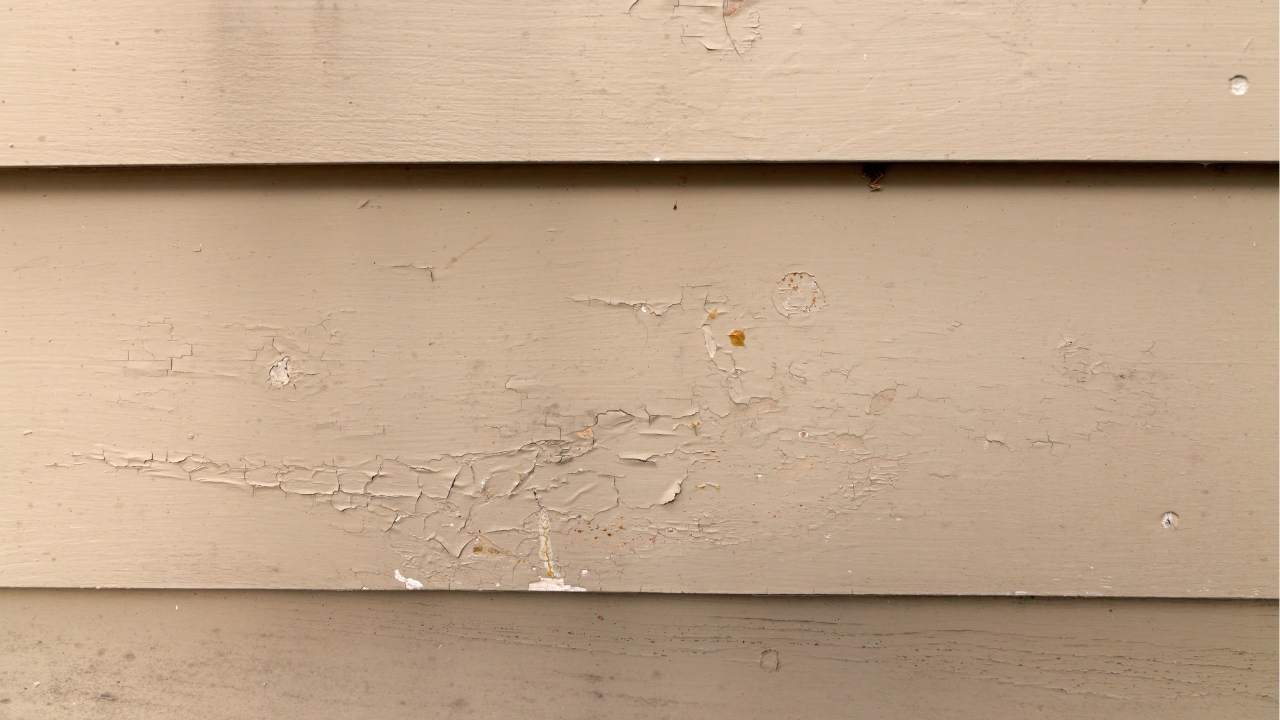
Even if the paint isn’t peeling, hairline cracks can let water seep in. Run your hand gently along the siding—if you pull back a chalky residue, the paint’s surface is breaking down from sun exposure.
Chalkiness doesn’t mean you need a full repaint tomorrow, but it does tell you the finish is aging. At minimum, wash the surface and address any cracked areas with touch-up paint designed for exteriors so winter moisture isn’t finding easy openings.
Pay attention to caulk lines around joints and openings
Paint isn’t working alone—caulk around windows, doors, and trim is part of the weather barrier too. If that caulk is cracked, pulled away, or missing, water can sneak in even if the paint looks okay.
Check the seams around frames, where different materials meet, and where siding butts up against trim. If you see gaps, re-caulk with a good exterior-grade product and let it cure before any major rain or deep freeze hits.
Note any areas where paint looks faded or patchy
Fading and patchiness are cosmetic at first, but they’re also a warning. The finish is losing its UV protection, which can accelerate damage to the material underneath. South- and west-facing walls usually show this first.
If only one wall looks rough, you might get away with a targeted wash and refresh. If most of the house looks tired and patchy, it’s probably time to plan a full repaint in the next season or two and budget accordingly.
Decide what you can realistically tackle before winter
Ideally, major exterior painting happens in mild, dry weather—not in a cold snap. If you’re already pushing into colder temps, focus on spot repairs in the worst areas rather than trying to repaint everything in a rush.
Scrape any loose paint, prime bare spots with an exterior primer, and apply a good exterior paint to those zones. Fix failing caulk. You’re basically doing triage—shoring up the vulnerable parts so the rest of the house can ride out winter without extra damage.
Make notes for spring, even if you can’t do it all now
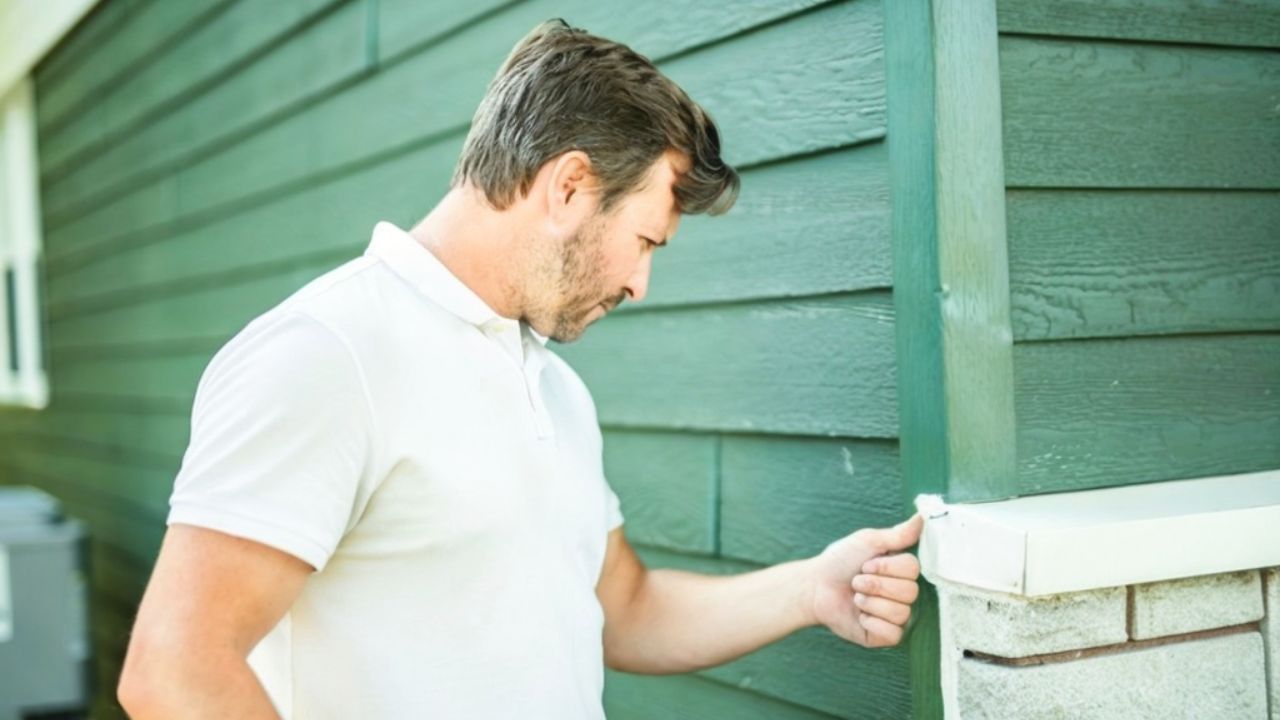
As you walk around, jot down what you see: specific walls, trim boards, or sides of the house that clearly need attention. Take a few photos. Come spring, you’ll have a ready-made list of what to tackle instead of trying to remember which corner was worrying you.
Exterior paint doesn’t have to look perfect to do its job. But if you go into winter with peeling, bare wood, and failed caulk, the season will only make those problems louder. A quick check now saves you from bigger repairs later.
Like Fix It Homestead’s content? Be sure to follow us.
- I made Joanna Gaines’s Friendsgiving casserole and here is what I would keep
- Pump Shotguns That Jam the Moment You Actually Need Them
- The First 5 Things Guests Notice About Your Living Room at Christmas
- What Caliber Works Best for Groundhogs, Armadillos, and Other Digging Pests?
- Rifles worth keeping by the back door on any rural property
*This article was developed with AI-powered tools and has been carefully reviewed by our editors.