Junk or Jackpot exposes the sentimental clutter mistake that keeps families stuck
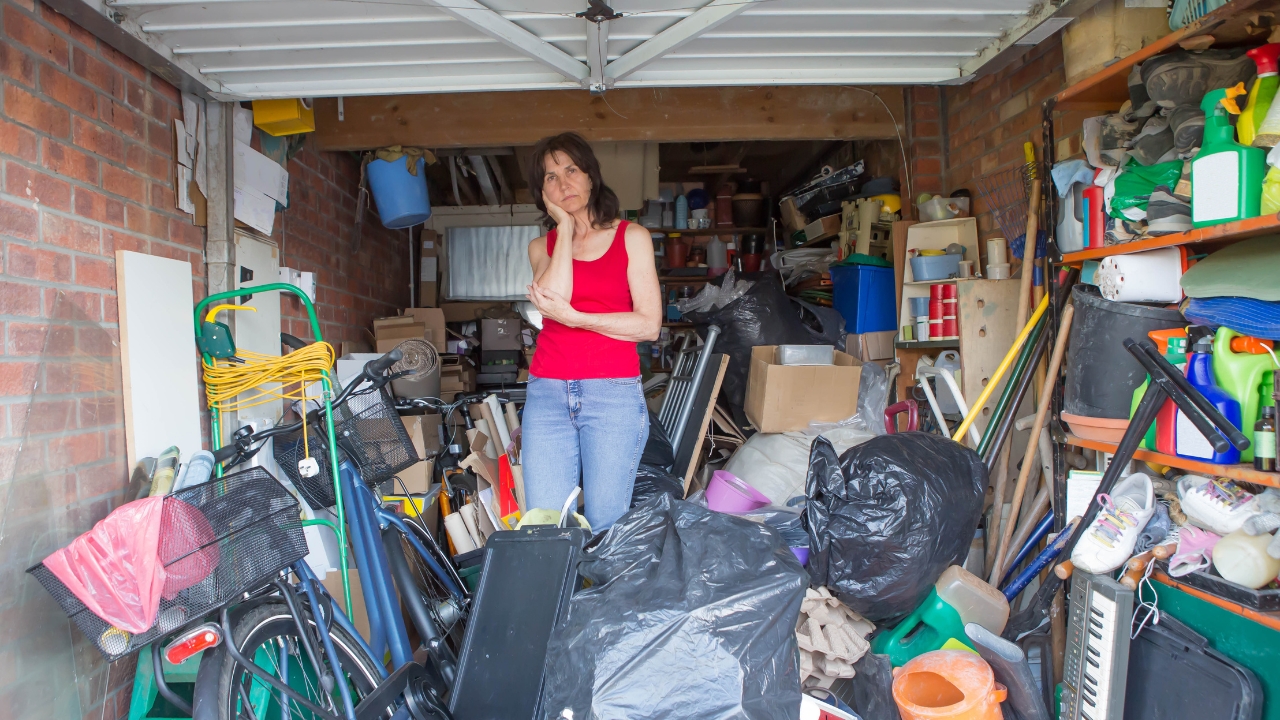
Family homes rarely fill up because of laziness. They fill up because you care, because every ticket stub, baby outfit, and inherited knickknack feels like a piece of your story. The problem is that this emotional logic quietly traps you, turning rooms into storage units and keeping your family stuck in yesterday instead of living comfortably today. HGTV’s new show “Junk or Jackpot?” puts that trap under a spotlight, revealing how sentimental clutter can quietly derail your space, your relationships, and even your future plans.
How “Junk or Jackpot?” turns clutter into a mirror
On the surface, “Junk or Jackpot?” is a makeover show about sorting through piles of stuff, but its real hook is how it forces you to confront why you kept those piles in the first place. Each episode follows collectors whose homes have been overtaken by belongings, and the cameras capture the moment they must decide whether a cherished item is actually meaningful or simply taking up oxygen in their lives. The format is built around that emotional fork in the road, not just the before-and-after glamour shots.
The show’s structure is simple but pointed: you watch people decide whether their possessions are junk or a potential jackpot, financially and emotionally, with the outcome shaping whether they earn a dream redesign. The official HGTV description highlights episodes like “It’s Giving Fashion,” where a vintage fashion collection has spilled into every room of a woman’s house, turning what started as a passion into a full-scale takeover. By the time the credits roll, the clutter is no longer just a mess on the floor, it is a visible record of postponed decisions and unresolved feelings that will look uncomfortably familiar to many families.
Bobby Berk’s quiet rule: you have to choose
Design expert Bobby Berk of “Queer Eye” fame anchors the show with a deceptively gentle approach. He has been clear that he is not there to bulldoze anyone into tossing their memories, but he is also not willing to let people hide behind them. In one interview, he explained that he wanted families to “go through the exercise” of parting with things and stressed that he never pushed, he simply refused to make the decisions for them, a stance he described while discussing a case where he “wasn’t there to push them” but to guide their own choices about what stayed and what left, as detailed in a Dec conversation.
That insistence on personal responsibility is the heart of the show’s message for your own home. Berk and his team find collectors whose belongings have spiraled out of control and, as he put it, whose lives have “gotten out of control” along with the stuff, then help them bring both back in order. In one interview he described how they “find collectors whose collections have gotten a little bit out of control” and then work to get their homes and lives “back in order,” a process he outlined in a Dec interview. The show’s quiet ultimatum is the same one you face at home: if you do not decide what matters, the clutter will decide for you.
When love for stuff replaces room for life
One of the most revealing storylines Berk has shared involves a couple who had been told they could not have children. In his retelling, they poured their happiness into their collections, filling their home with objects that stood in for the family they thought they would never have. When they later had a child, the house was already packed, and the father simply “wanted more,” leaving little space for the new life they had hoped for so long, a dynamic Berk described in a Dec profile that captured how quickly coping mechanisms can harden into clutter.
That story is not just television drama, it is a warning about what happens when you let objects carry emotional weight that should belong to people and experiences. When your living room is dominated by collections that grew out of grief or disappointment, it becomes harder to welcome new chapters, whether that is a baby, a partner moving in, or even a home-based business. The sentimental clutter that once felt like comfort starts to crowd out the very life you were trying to build, leaving your family physically and emotionally squeezed by yesterday’s coping strategies.
The show’s format: a makeover with emotional fine print
“Junk or Jackpot?” is structured to make that emotional fine print impossible to ignore. The series concept follows collectors whose homes have been overtaken by their belongings, then offers a clear trade: if they can confront their attachment to the clutter and let go of what no longer serves them, they move closer to a dream makeover. The Series Concept and Format description spells out that the path to that transformation runs directly through the sorting process, not around it.
The network has framed the show as a fresh start for people who are ready to stop letting their stuff run the household. An UPDATE on the series notes that “Junk or Jackpot,” featuring Bobby Berk of Queer Eye, focuses on families who are ready for a fresh start and willing to do the hard work of letting go. That framing matters for you because it reframes decluttering from a chore into a gateway: the redesign is not a reward for good behavior, it is a visible symbol of what becomes possible when you stop letting sentimental clutter dictate how your home functions.
Why sentimental clutter feels different from regular mess
It is easy to toss a broken blender. It is much harder to part with your child’s first soccer jersey or your late grandmother’s costume jewelry, even if it has been tangled in a box for years. Minimalist writers point out that sentimental items are uniquely sticky because they are tied to identity and relationships, not just utility. One guide on handling sentimental clutter notes that when you own fewer things overall, the items you do keep can bring a greater sense of value to the relationship they represent, and that these belongings are often the ones you have an emotional attachment to, a point made explicitly in a Mar reflection on how to handle these objects.
That insight lines up with what you see on “Junk or Jackpot?” when people cling to boxes they have not opened in a decade because they are afraid that letting go of the object means letting go of the memory. The show’s real challenge is not convincing anyone to declutter, it is helping them realize that their memories are not stored in the attic, they are stored in their minds and relationships. Once you accept that, it becomes easier to keep a few deeply meaningful items and release the rest, which is exactly the shift that allows families on the show to reclaim their homes without feeling like they are erasing their past.
The six sentimental traps hiding in your house
If you look around your own home, you will probably spot the same categories of emotional clutter that experts warn about. One guide to letting go of sentimental items opens with the observation that “Memories often sneak into our homes disguised as objects,” from an old jacket tucked in the closet to a stack of letters hidden in a drawer, a pattern described in detail in a piece titled “Memories.” Those disguised memories often fall into a handful of familiar traps: clothes that no longer fit, gifts you never liked, inherited items you feel obligated to keep, children’s artwork, old love letters, and hobby supplies from a past version of yourself.
On “Junk or Jackpot?” those same categories show up in more extreme form, like the vintage fashion collection that swallowed every room in “It’s Giving Fashion” or the walls of memorabilia that leave no space for current family photos. The show’s message, backed by those expert lists, is not that you should live in a blank white box. It is that when every drawer and shelf is crammed with yesterday’s identity, there is no room for who you are now or who you are becoming. Spotting which sentimental category is clogging your own home is the first step toward loosening its grip.
How the show nudges you past the “someday” excuse
One of the most powerful aspects of “Junk or Jackpot?” is how it exposes the “someday” story you tell yourself about your stuff. Families on the show often insist they will sort the boxes, sell the collection, or digitize the photos someday, but the cameras reveal that someday never comes until there is a deadline and a clear incentive. Coverage of the series notes that the format is built around helping collectors declutter by keeping what truly matters and then redesigning their spaces so they can enjoy their own lives alongside them, a dynamic summarized in a set of Key Takeaways that highlight how the show blends emotional work with practical design.
You can borrow that structure at home without a camera crew. Give yourself a real deadline, tie it to a positive outcome, and make the sorting process nonnegotiable. For example, decide that if you clear the guest room closet by a certain weekend, you will finally turn it into a home office or a reading nook. The show’s families are not more disciplined than you, they are simply given a framework that makes “someday” concrete. Once you see how much lighter they look in their finished spaces, it becomes harder to keep pretending that your own sentimental clutter will magically sort itself out later.
Why this is more than just another home show
Plenty of home shows promise dramatic transformations, but “Junk or Jackpot?” is unusually explicit about the emotional cost of hanging on to too much. The series is positioned as a new flagship for HGTV, with Bobby Berk of Queer Eye bringing his track record of blending design with personal growth to a format that centers collectors whose homes have been overtaken by their own passions. Another overview of the show notes that it “delves into the lives of collectors whose homes have been overtaken by their belongings” and that the path to a dream makeover runs through confronting that overload, a framing laid out in a Jul feature that underscores how central the emotional work is to the format.
That focus makes the show a kind of cultural mirror. You are not just watching strangers sort their stuff, you are watching a national conversation about what happens when consumer culture, grief, nostalgia, and family expectations all collide in a three-bedroom house. The sentimental clutter mistake that keeps families stuck is not that they care too much, it is that they have never been taught how to honor their memories without drowning in them. “Junk or Jackpot?” offers one blueprint: treat your home as a living space, not a museum, and let your most meaningful objects support your life instead of suffocating it.
Like Fix It Homestead’s content? Be sure to follow us.
Here’s more from us:
- I made Joanna Gaines’s Friendsgiving casserole and here is what I would keep
- Pump Shotguns That Jam the Moment You Actually Need Them
- The First 5 Things Guests Notice About Your Living Room at Christmas
- What Caliber Works Best for Groundhogs, Armadillos, and Other Digging Pests?
- Rifles worth keeping by the back door on any rural property
*This article was developed with AI-powered tools and has been carefully reviewed by our editors.