Merz calls Munich conference a “seismograph” as Europe gauges U.S. ties and the Ukraine war
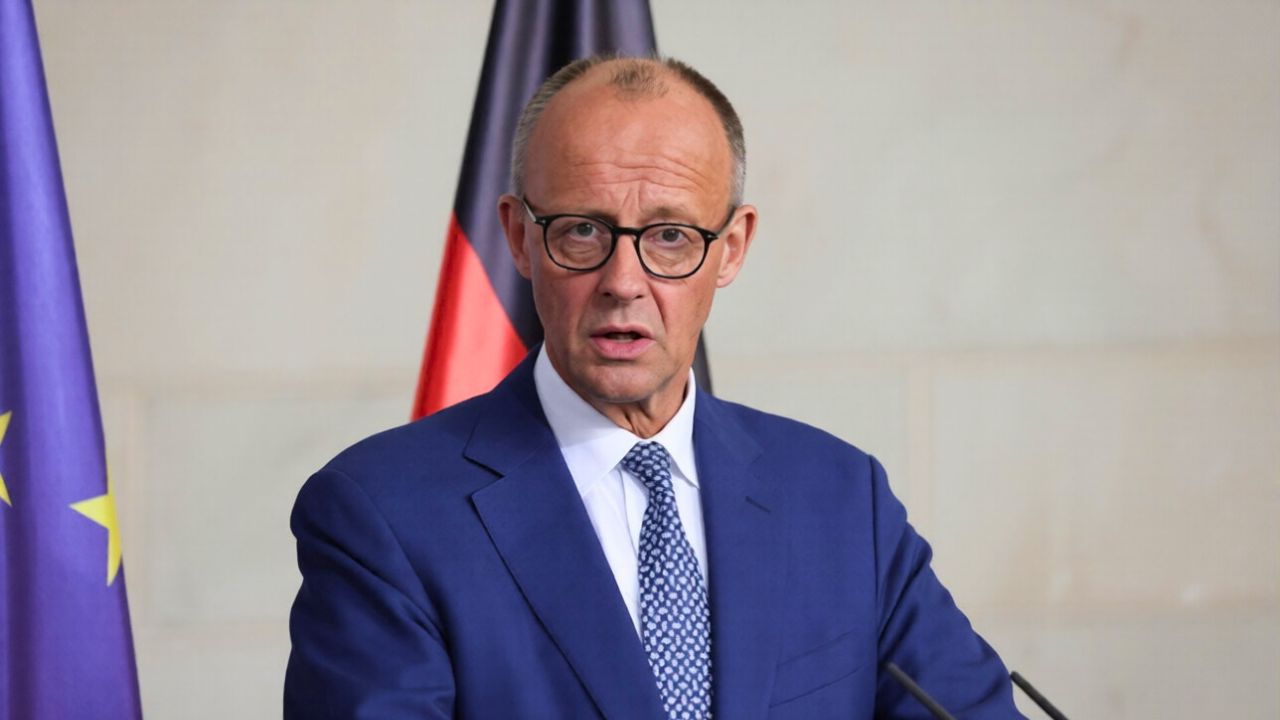
MUNICH — German Chancellor Friedrich Merz opened the Munich Security Conference on Friday by calling the annual gathering “a seismograph for the political situation,” arguing that the mood in Munich reflects how quickly global assumptions are shifting and how urgently allies need to recalibrate. The line landed as European officials arrived with a mix of anxiety and resolve, facing a war on the continent, rising pressure to increase defense capability, and questions about what transatlantic cooperation will look like in the years ahead.
Merz, speaking to an audience packed with diplomats, defense officials, and industry leaders, used the “seismograph” framing to cast the conference as more than a venue for speeches. In his telling, it is an instrument measuring stress across alliances — from military readiness to trade conflict to the push-and-pull between national sovereignty and collective security. He urged the United States and Europe to “repair and revive transatlantic trust” and warned that, in an era of great-power rivalry, even Washington cannot manage crises alone without partners.
The remarks came as U.S. Secretary of State Marco Rubio arrived for meetings with European counterparts, with officials watching closely for signals about Washington’s priorities on Ukraine, defense spending, and economic policy. Rubio has described the current moment as “a new era in geopolitics,” a message that has heightened the conference’s underlying tension: European leaders say they want the United States fully engaged, but they also want Europe to be more capable if U.S. attention shifts.
Inside conference halls and side meetings, the practical debate has focused on how to turn political urgency into measurable capacity. European governments have increased defense budgets and reworked procurement plans in recent years, but officials and analysts say stockpiles, production timelines, and interoperability remain stubborn challenges. Merz’s speech reflected a growing push for a stronger European “pillar” within NATO — not as a replacement, but as a way to ensure the alliance can deter threats even under strain.
Ukraine remained central to the conference’s agenda, with leaders expected to discuss sustained military support, air defense, and long-range strike capability, alongside the diplomatic question that always hovers over Munich: what conditions would need to exist for talks to move beyond early-stage outreach. Merz and other European leaders have argued that any credible path to negotiations requires continued pressure on Russia and clear commitments to Ukraine’s sovereignty.
Merz’s “seismograph” line resonated because it matched what many attendees were saying privately: the ground is moving. The conference, they argue, is now measuring not only the war in Ukraine, but also the durability of the political and economic relationships that have underpinned European security for decades.