Space heater rules for bedrooms, what to do if someone insists on using one overnight
Photo credit: New Africa/Shutterstock.com
Space heaters promise quick comfort on cold nights, but in a bedroom they also concentrate some of the most serious fire and burn risks in your home. If someone in your household insists on running one while they sleep, you need clear rules, a realistic sense of the danger, and a plan for what you will and will not allow.
Handled carefully, a modern heater can take the edge off a drafty room, yet the margin for error is slim once everyone is asleep and less able to react. The goal is not to scare you into shivering through winter, but to give you practical, defensible boundaries so you can protect the people you care about without turning every cold night into an argument.
Why bedrooms and space heaters are a risky mix
Bedrooms feel like the safest rooms in a home, but when it comes to heating equipment they are disproportionately deadly. Data from the National Fire Protection Association shows that although only a small share of home heating fires start in bedrooms, those fires account for just over one quarter of the deaths and more than one in ten injuries linked to heating equipment, a pattern detailed in the NFPA’s heating equipment report. That imbalance reflects how vulnerable people are when they are asleep, surrounded by bedding, clothing, and upholstered furniture that ignite and spread flames quickly.
Portable heaters add another layer of risk because they concentrate a lot of heat in a small footprint and are often placed close to beds or piles of laundry. Safety officials repeatedly warn that anything that can burn, from curtains to comforters, needs to be kept well away from heating devices, a point emphasized in winter fire prevention guidance from local departments that echo Keep anything that can burn at least several feet from the heat source. In a cramped bedroom, that clearance is hard to maintain, which is why you should treat overnight use as an exception that demands strict conditions, not a casual habit.
What experts actually say about sleeping with a heater on
When you strip away marketing language and online anecdotes, the professional advice on overnight use is blunt. Multiple safety specialists say it is generally not recommended to leave a portable space heater running while you sleep, because you are not actively monitoring it and may not wake up quickly if something goes wrong, a warning captured in guidance that states Generally, it is not recommended to operate these units unattended. That caution is echoed by heating companies that tell customers, in plain language, that you should never, ever use a space heater while sleeping, advice framed under the question Should You Leave Space Heaters on at night.
Some consumer and home experts do carve out a narrow path for using a heater at night, but only if you treat it like a high‑risk appliance that demands layers of protection. They note that, despite the potential dangers, it is possible to run a heater safely at night if you choose a modern unit with strong safety features, place it correctly, and follow strict rules about supervision and shutoff, a nuanced view reflected in advice that begins, Despite the potential dangers. If someone in your home insists on overnight use, your baseline should be that the default is “no,” and any “yes” must be earned with equipment choice, room setup, and clear agreements.
Understanding how space heater fires actually start
To negotiate rules that people will respect, you need to understand what typically turns a small heater into a big problem. Fire investigators and safety researchers point to three recurring triggers: flammable items placed too close, heaters that tip over, and electrical overloads or faults. National guidance on winter heating fires stresses simple but non‑negotiable steps like keeping combustibles away, having equipment inspected, and calling the fire department or gas company if you suspect a problem, as laid out in seasonal advice that begins in January 2025 with a focus on preventing winter heating fires. These are not abstract risks; they are the patterns that show up again and again in incident reports.
Electrical stress is a quieter but equally serious hazard. Testing organizations note that nearly half of all home heating fires involve some form of space heating, and they warn that plugging a high‑wattage heater into an extension cord, power strip, or undersized circuit can cause overheating in the wiring long before the heater itself looks distressed, a risk highlighted in technical guidance that explains how Nearly half of all home heating fires are linked to these devices and that misuse can cause overheating. In a bedroom, where outlets are already feeding lamps, chargers, and perhaps a TV, that extra load can quietly push a circuit past its safe limit.
Non‑negotiable safety rules for any bedroom heater
If you decide to allow a space heater in a bedroom at all, you should treat a core set of safety rules as non‑negotiable. Fire safety campaigns repeatedly emphasize that you must keep anything that can burn at least three feet away from the heater, including bedding, clothing, and furniture, a standard echoed in local winter fire guidance that urges you to Keep anything that can burn clear of the unit. You should also insist that the heater be plugged directly into a wall outlet, never into a power strip or extension cord, and that it be turned off and unplugged whenever the room is empty.
State‑level safety checklists reinforce these basics and add a few more that belong in your house rules. They advise you to keep space heaters three feet away from drapes, furniture, or other things that can burn, to plug heaters directly into a wall outlet rather than an extension cord, and to follow the manufacturer’s instructions carefully, guidance summarized in a practical list under the heading Using space heaters safely. If someone in your home wants a heater in their bedroom, you can point to these standards as the minimum bar, not a menu of optional suggestions.
Placement, cords, and the three‑foot rule
Where you put a heater in a bedroom often matters more than which model you buy. Home safety experts stress that the placement of your heater is critical and that you should keep at least three feet of space around the heater clear of anything that could catch fire, a principle spelled out in guidance that notes The placement of your heater and the clearance around it are key to safe operation. In a bedroom, that usually means the heater cannot sit right next to the bed, under a desk crowded with cords, or near a laundry basket that tends to overflow.
Electrical layout is just as important as physical distance. Safety organizations and electrical professionals warn against plugging heaters into power strips or multi‑outlet adapters, because these devices are not designed for sustained high current and can overheat internally, a point underscored in advice that cautions you not to use power strips with space heaters. If the only available outlet is behind the bed or under a rug, that is a sign the room is a poor candidate for a portable heater, especially overnight.
Choosing safer models and features if you cannot say no
When someone insists on using a heater at night, your next line of defense is the hardware itself. Not all heaters are created equal, and some designs are inherently safer than others. Licensed electricians and home repair experts point out that enclosed ceramic and oil‑filled radiators are generally safer than open‑coil heaters, and they stress that no space heater is truly safe to leave unmonitored, even if some are less risky, a distinction made in guidance that answers What is the safest heater to leave on overnight. You should look for models with automatic tip‑over shutoff, overheat protection, and a thermostat that can cycle the unit off once the room reaches a set temperature.
Real‑world experiences also show how quickly things can go wrong when a heater is poorly chosen or misused. In one widely discussed case, a user named Jan described how a previous heater incident unfolded so fast that it left them wary of relying on similar devices, prompting them to seek advice from electricians on how to stay warm safely with an electric heater, a conversation captured in a thread where Jan was told, You’ll be fine if you respect certain limits. Use that kind of story as leverage: if a heater does not have modern safety features or a clear safety record, it does not belong in a bedroom, especially not overnight.
Carbon monoxide, air quality, and other invisible risks
Most electric space heaters do not produce combustion gases, but that does not mean every heater is harmless to breathe around. Any device that burns fuel, including some portable heaters, can emit carbon monoxide if it is not properly vented, and running such a unit in a closed bedroom overnight can be deadly. Appliance safety guidance spells out that carbon monoxide (CO) is a colorless, odorless gas that can build up when fuel‑burning heaters are used improperly, and it lists CO poisoning as one of the reasons you should not leave a space heater on overnight, a warning detailed in advice that explains how Carbon monoxide (CO) can accumulate.
Even with electric models, there are quieter health considerations. A heater that runs constantly can dry out the air, aggravate asthma or sinus issues, and stir up dust that irritates allergies, especially in small bedrooms with limited ventilation. Heating companies that counsel customers on overnight use remind them that if a heater ever smells odd, sparks, or seems to malfunction, you should shut it off immediately and call for help, advice that appears in space heater safety tips that urge you to contact professionals or Space heater safety
Setting house rules when someone insists on overnight use
Once you understand the risks, the conversation with a partner, roommate, or teenager who insists on sleeping with a heater becomes easier to ground in facts rather than feelings. You can start from the expert consensus that it is not recommended to leave a space heater on while you sleep, then explain that any exception requires strict conditions: a modern unit with safety features, proper placement, and a clear shutoff plan. Home comfort guides that tackle the question directly frame it in similar terms, noting that Can I leave a space heater on overnight is really a question about whether you can control the variables tightly enough to make the risk acceptable.
From there, you can lay out specific rules: the heater must sit on a hard, level surface, at least three feet from the bed and anything flammable; it must be plugged directly into a wall outlet; it must have tip‑over and overheat shutoff; and it must be turned off if the person using it is under the influence of alcohol, sedatives, or anything else that might slow their reaction. Fire safety campaigns on social platforms reinforce these basics, urging people to avoid placing space heaters on furniture, to keep them away from water, and to stay warm and stay safe by following simple placement and shutoff rules, advice summarized in a seasonal reminder that says Avoid placing space heaters on unstable surfaces. Writing these expectations down and posting them near the heater can turn an argument into a shared safety contract.
Smarter alternatives and compromises for cold bedrooms
Sometimes the safest answer is not a better heater but a different way to stay warm. Heating specialists often suggest focusing on the home’s main system first, sealing drafts, and using programmable thermostats or zoned heating so bedrooms stay comfortable without relying on portable devices. Local safety campaigns that address winter heating remind residents that if they do use a space heater, they should keep it at least three feet away from anything that can burn, never leave it running when they leave the room or go to sleep, and always unplug the space heater when it is not in use, a set of tips summarized in a seasonal advisory that urges you to Keep the heater at a safe distance and unplug it.
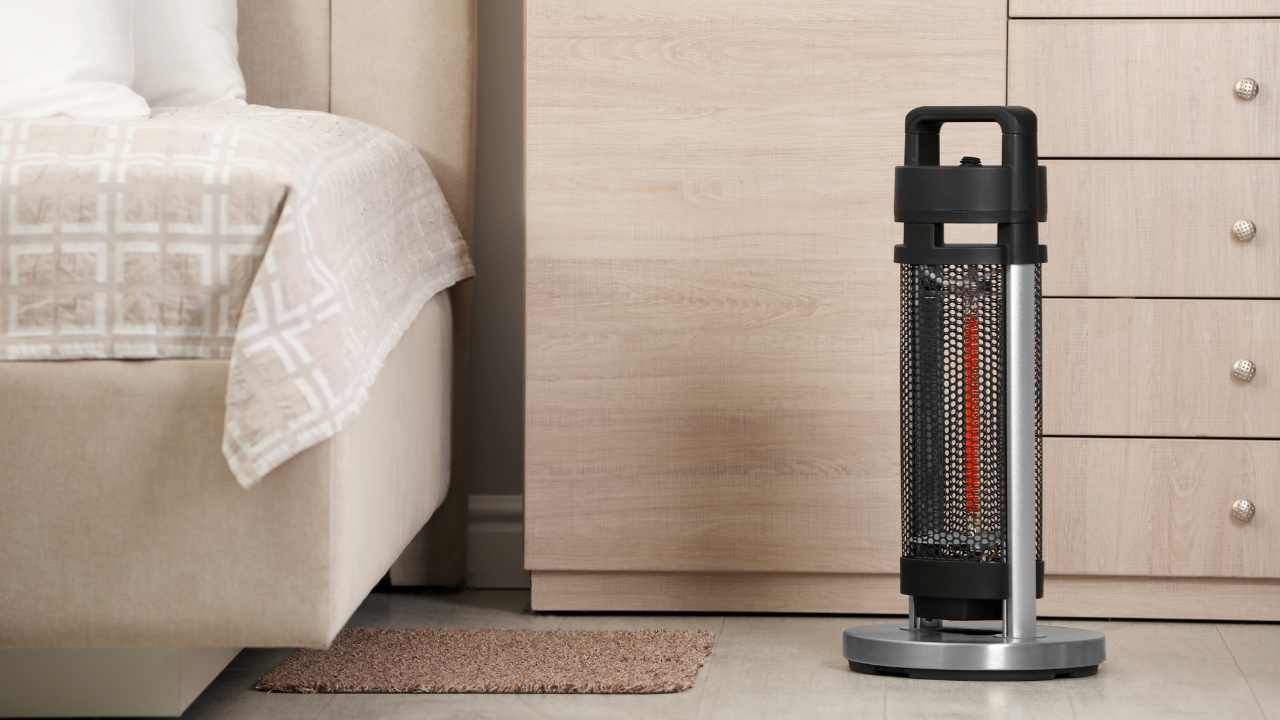
If someone still feels cold at night, you can propose compromises that reduce risk without dismissing their discomfort. Electric blankets with automatic shutoff, heated mattress pads, thicker duvets, or even rearranging furniture away from drafty windows can make a big difference. Some home experts note that, if you absolutely must use a heater at night, a tall, slimline model with a remote control and a sturdy base can reduce the chances of it falling over, advice that appears in night‑time safety discussions that also stress keeping heaters away from anything flammable, as in guidance that says, besides avoiding certain placements, you must keep the heater clear of anything flammable. Framing these options as ways to sleep better, not just safer, can make it easier for everyone to accept stricter rules on how and when a space heater is used.
Like Fix It Homestead’s content? Be sure to follow us.
Here’s more from us:
- I made Joanna Gaines’s Friendsgiving casserole and here is what I would keep
- Pump Shotguns That Jam the Moment You Actually Need Them
- The First 5 Things Guests Notice About Your Living Room at Christmas
- What Caliber Works Best for Groundhogs, Armadillos, and Other Digging Pests?
- Rifles worth keeping by the back door on any rural property
*This article was developed with AI-powered tools and has been carefully reviewed by our editors.