Neighbor Builds a Gravel Driveway Over the Property Line — Then Tells the Owner It Would Be Too Costly to Move
Photo credit: Fixithomestead.com
A gravel driveway can look simple enough from a distance.
A little cleared land, some rock, a few tire tracks, and suddenly a path becomes something people use every day. In rural areas especially, driveways and access roads can appear slowly over time until everyone treats them like they have always been there.
But for one property owner, that ordinary-looking driveway became a much bigger issue when they realized it crossed the property line.
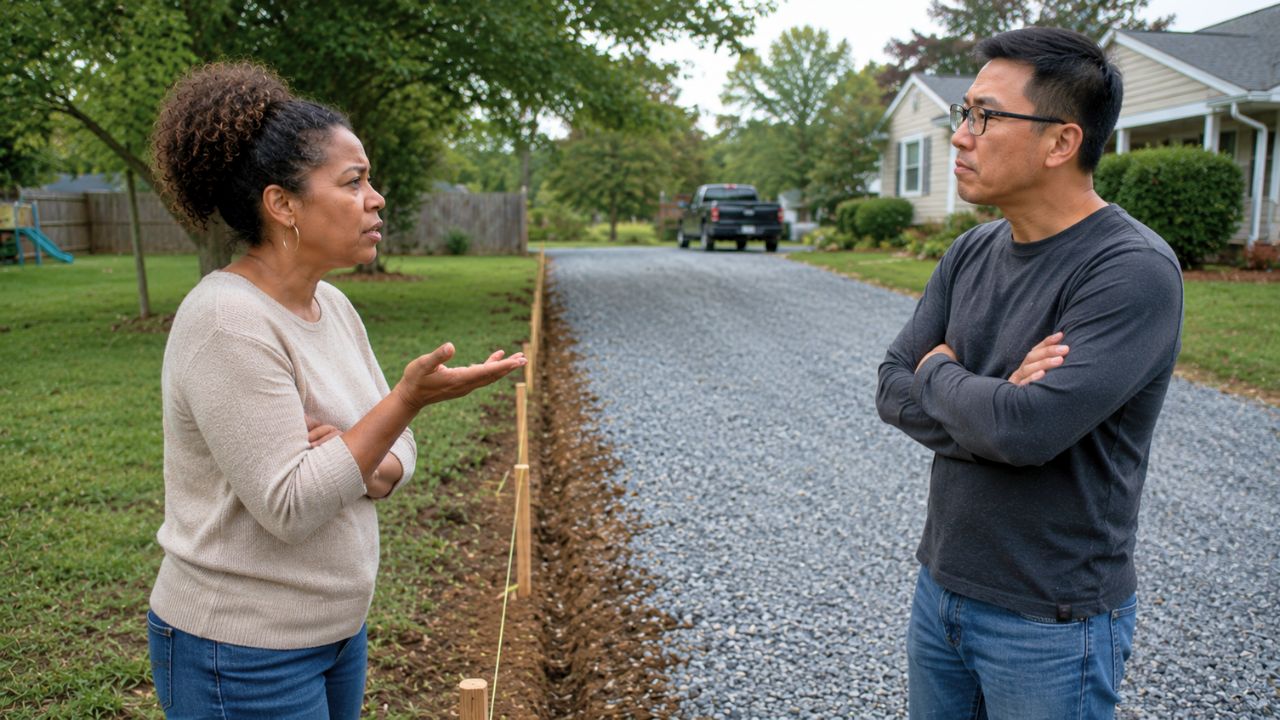
The neighbor had built part of the gravel driveway over land that did not appear to belong to them.
And when the owner raised the issue, the neighbor’s response was not exactly reassuring.
Moving it, the neighbor said, would be too costly.
The driveway had already changed how the land was being used
A misplaced driveway is different from a few inches of mowing or a garden bed that creeps too far.
Once gravel is spread, the land has been physically changed. Soil may be compacted. Grass may be buried. Drainage may shift. Vehicles may begin passing through regularly. And if the path becomes part of someone’s daily access, the person using it may start acting like it belongs there.
That was the problem for the property owner.
The neighbor’s driveway was not just near the line. It appeared to cross onto the owner’s land, turning a strip of their property into someone else’s access route.
Even if the neighbor had not meant to overstep, the result was still the same.
The owner was now looking at a section of land they could not freely use because the neighbor had built on it.
The cost argument made the situation worse
The neighbor’s response shifted the whole dispute.
Instead of focusing on whether the driveway was in the wrong place, the neighbor focused on how expensive it would be to correct.
That may have been true. Moving a driveway is not always cheap. Gravel has to be scraped up or relocated. The ground may need grading. A new route may need to be cleared. Drainage may have to be considered. If the driveway is long or heavily used, the cost can climb quickly.
But the owner’s position was still understandable.
Why should the cost of fixing the neighbor’s mistake become the owner’s problem?
That is what made the comment so frustrating. The neighbor seemed to be saying that because the correction would be inconvenient or expensive, the owner should simply accept losing use of part of their land.
The property owner had to think about the future
The driveway was not just a present-day annoyance.
It could create problems later.
If the owner wanted to build a fence, sell the property, plant trees, install a gate, put in a garden, or run animals, the driveway could interfere. If a future buyer saw the driveway crossing the land, they might assume there was an easement or shared access agreement.
The owner also had to think about liability.
What happens if someone driving on the driveway gets hurt while crossing their land? What if the driveway damages drainage or causes erosion? What if delivery trucks, guests, workers, or future owners keep using it?
A gravel driveway can look informal, but its effects can become permanent if nobody challenges it.
That is why the owner could not treat the issue like a minor neighbor disagreement.
The survey mattered more than anyone’s opinion
In property disputes like this, the survey becomes the center of the conversation.
A neighbor might believe the driveway is on their side. The owner might believe it crosses the line. Old landmarks, fences, ditches, tree rows, or mowing patterns can all be misleading.
But if the survey shows the driveway crossing onto the owner’s land, then the neighbor has a problem that cannot be solved by saying it is expensive to move.
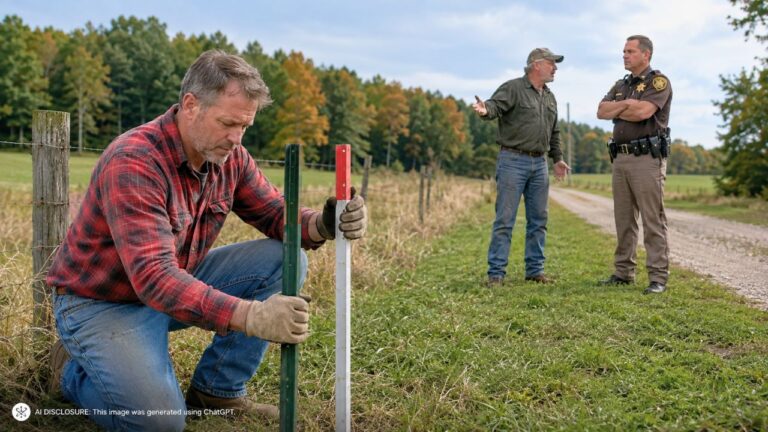
The owner would likely need to gather the survey, take photos, mark the boundary, and communicate in writing. If the neighbor still refused, the issue could move toward an attorney, title company, local officials, or court depending on the situation.
That may sound extreme for gravel, but the core question is not gravel.
The core question is whether someone else gets to build access across land they do not own.
Commenters would likely warn against letting it sit
When property owners face this kind of issue, people often warn them not to wait too long.
A driveway that stays in place can become harder to challenge later, especially if the neighbor keeps using it and starts treating the access as established. Even when the owner wants to be kind, silence can be misunderstood as permission.
That does not mean the owner should storm outside and tear up the driveway.
It means they should make their objection clear, document the encroachment, and avoid giving the impression that the arrangement is acceptable.
The best first step is often a calm written message: the driveway appears to be over the property line, the owner does not consent to that use, and the neighbor needs to provide any legal basis for keeping it there or make arrangements to relocate it.
That kind of clarity can matter later if the dispute escalates.
The real fight was over who pays for the mistake
The neighbor may have seen the issue as a practical problem: moving the driveway would cost too much.
The owner saw something different.
They saw part of their property being used without permission, and then they were asked to accept that because fixing it would be inconvenient for the person who created the problem.
That is what made the dispute so aggravating.
The driveway was not just a strip of gravel.
It was a test of whether the property line actually meant anything.
And when a neighbor builds over that line, the cost of correcting the mistake does not magically become the landowner’s burden just because the gravel is already on the ground.
Like Fix It Homestead’s content? Be sure to follow us.