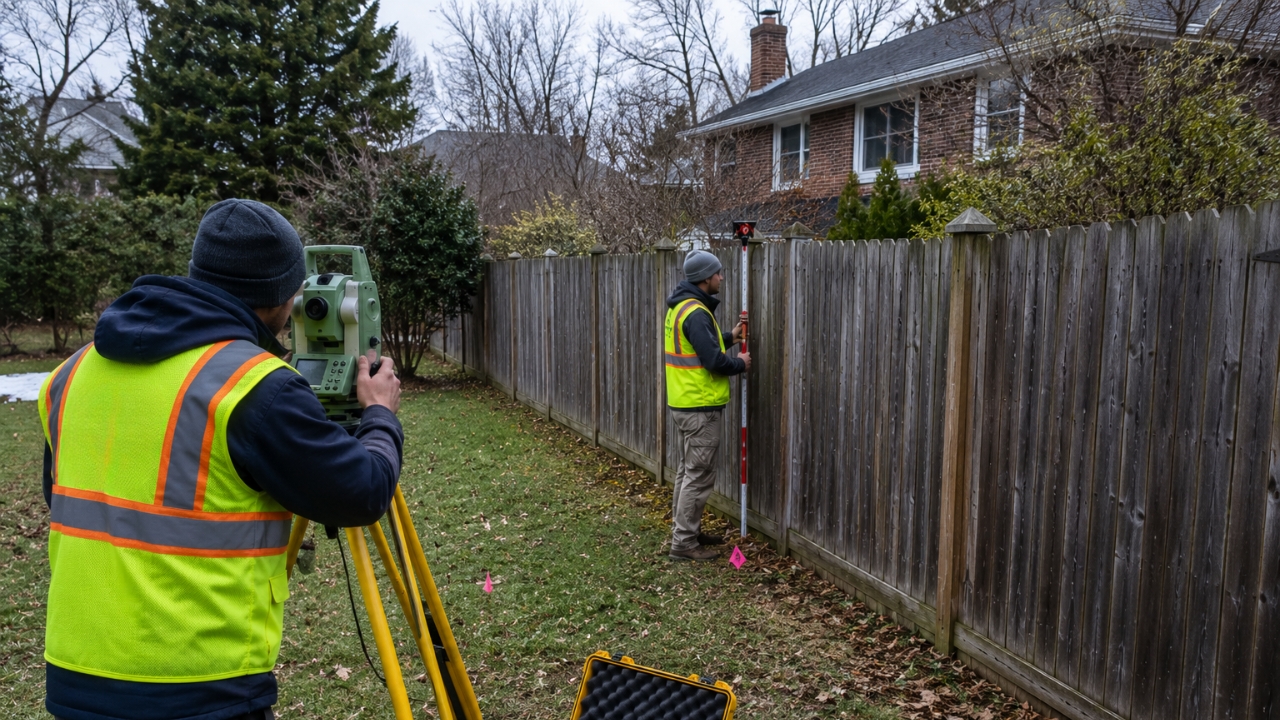
Neighbor’s Fence Is 20 Feet Onto Someone Else’s Land — Then a New Survey Finally Confirms It
Photo credit: Fix It Homestead
A fence that is a few inches off can already cause trouble. A fence that sits 20 feet over the line is a whole different kind of problem. At that point, the dispute is not about a narrow strip of grass or a small misunderstanding. It is about a neighbor using a serious chunk of land that does not belong to them.
That is what one Massachusetts homeowner said they discovered after getting a new survey. They shared the situation in a Reddit post on r/legaladvice, explaining that their neighbor’s fence appeared to be about 20 feet onto their property and asking what they should demand next. The original Reddit post is here: https://www.reddit.com/r/legaladvice/comments/17vxq3o/ma_neighbors_fence_is_20_on_my_property_per_new/
According to the homeowner, the new survey confirmed what had likely been a property-line problem for some time. The neighbor’s fence was not merely hugging the boundary. It was well inside the homeowner’s land. Twenty feet can make a big difference, especially depending on the size and shape of the lot. It can affect yard space, privacy, future projects, resale, title questions, and even how the land feels day to day.
The survey changed the situation because it gave the homeowner something more reliable than a hunch. Property-line fights often start with old assumptions. A fence has been there for years, so everyone treats it like the boundary. A row of trees looks like the edge. A mowing pattern becomes the “line” in people’s minds. But none of that necessarily matches the legal property description.
Once a survey confirms the fence is wrong, the homeowner has to decide how hard to push and how quickly. That can be awkward because the fence may have been there before the current neighbor bought the property. The neighbor may not have installed it. They may have assumed it was correct. They may even be surprised to learn it crosses the boundary. But surprise does not automatically fix the encroachment.
The homeowner wanted to know what they should demand. That is a fair question because there are several possible outcomes. The most direct demand is for the neighbor to move the fence back onto their own property and restore the land. Another possibility is a written agreement, lease, sale, or easement, though that can create long-term complications and should not be treated casually. If the neighbor refuses to cooperate, the issue may require an attorney or court action.
The key is not to let the wrong fence line quietly become accepted. A fence that sits 20 feet onto another lot can create future legal headaches if it stays. In some states, long-term open use of property can lead to adverse possession or similar claims, depending on the facts. That does not mean a neighbor automatically gets the land because a fence exists, but it does mean owners should not ignore encroachments for years.
There is also the title and resale issue. A future buyer may not want to inherit a property where a neighbor’s fence takes up part of the yard. A lender, title company, or closing attorney may flag the discrepancy. What feels like a neighbor dispute today can turn into a sale-delaying mess later.
The emotional side is understandable too. Once you realize someone else’s fence is 20 feet inside your land, it can feel like the yard has been stolen in plain sight. Even if the mistake was innocent, the owner is still the one losing use of the property. They may be paying taxes on land they cannot fully access because a neighbor’s fence cuts it off.
That is why documentation matters. The homeowner needed the survey, photos of the fence, a copy of the deed or plat if available, and a calm written notice to the neighbor. If they had conversations, those should be followed up in writing. A casual chat over the fence may feel neighborly, but a written record becomes important if the situation turns into a legal dispute.
A real estate attorney can also help shape the demand. It may seem simple to say “move your fence,” but property law can get technical fast. The attorney can look at the survey, evaluate any possible adverse possession concern, check local rules, and send a letter that clearly protects the homeowner’s rights without creating unnecessary risk.
For the neighbor, moving the fence may be expensive. That is probably why many of these disputes become tense. Nobody wants to pay to correct a fence they believed was fine, especially if it has been there for years. But the cost of moving a fence does not usually outweigh the owner’s right to use their own land.
For this homeowner, the new survey gave them a starting point. Now the challenge was handling it firmly enough to protect the property without making a bad move that could complicate things later. A 20-foot encroachment is not something to shrug off, and it is not something to solve with vague promises either.
Commenters mostly urged the homeowner to speak with a real estate attorney before making demands. Several said a 20-foot fence encroachment was significant enough that the owner should not rely on casual neighbor conversations alone.
A number of users said the homeowner should avoid agreeing to anything permanent, like an easement or sale of the land, without understanding the long-term consequences. Giving the neighbor formal rights could affect future resale, property use, and title.
Others suggested sending a formal written notice that included the survey results and asked the neighbor to move the fence by a reasonable deadline. Some commenters warned that the homeowner should act promptly because leaving the fence in place could create more complicated claims later.
Several users also reminded the homeowner not to tear down the fence themselves without legal guidance. Even when a fence is over the line, removing it the wrong way can escalate the fight. The cleaner path is documentation, written notice, legal advice, and a clear demand that protects the property before the encroachment becomes an even bigger problem.