New Homeowner Finds a Hidden Pipe Leak Behind the Wall — Then the Hose Bib Turns Into a Water-Damage Problem
Photo credit: Fix It Homestead
A backyard hose should not be able to flood a living room, but that is exactly what one first-time homeowner said happened after using an outdoor spigot for only a few minutes.
The homeowner shared the situation in a Reddit post on r/homeowners, explaining that they were trying to figure out the smartest next step after a hidden leak sent water into the house. The original Reddit post can be found here: https://www.reddit.com/r/homeowners/comments/1keanmc/water_damage_from_hidden_pipe_leak_firsttime/
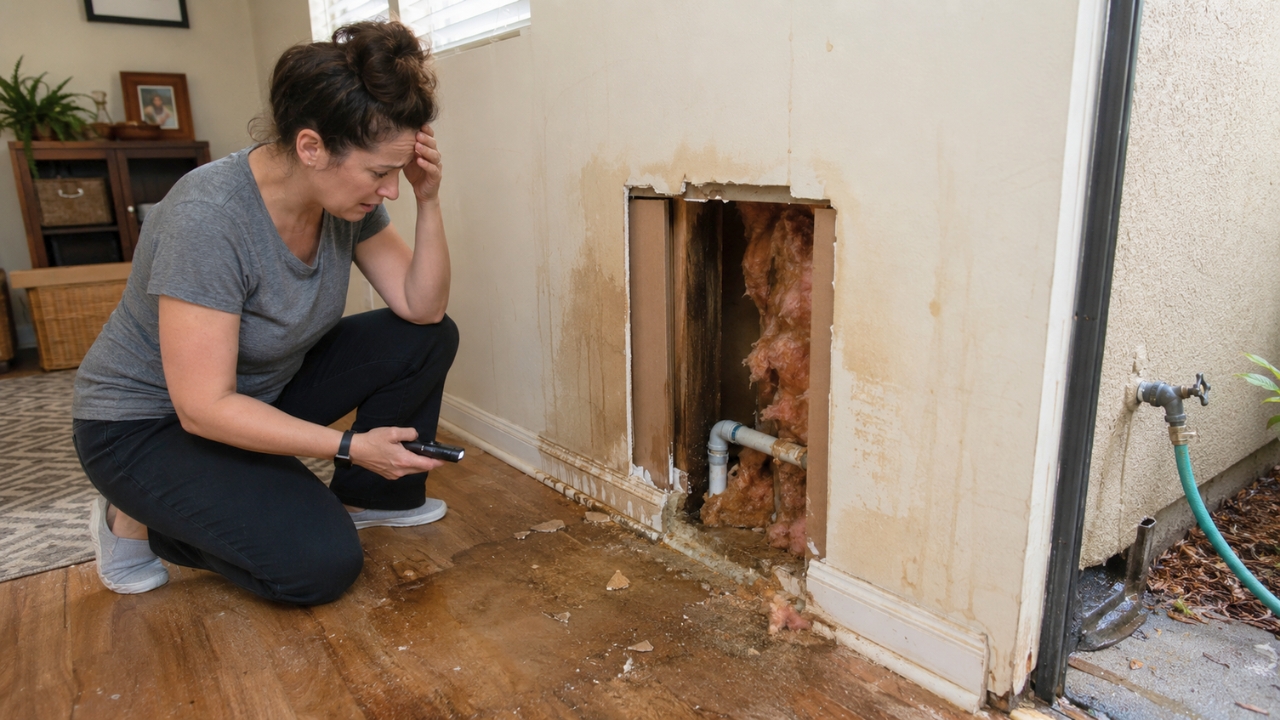
According to the post, the problem started after the homeowner used a backyard hose to water plants for about 10 minutes. A few days earlier, they had used the same hose for roughly 30 minutes without noticing anything wrong. This time, though, water started showing up all over the living room floor.
That made the situation especially confusing. The leak did not appear to happen all the time. It seemed to happen only when the backyard hose was running, which made the homeowner suspect the pipe or joint connected to the outdoor hose bib might be leaking inside the wall.
They called a local plumbing and water-damage company, and the early information was not exactly comforting. The plumber suspected the leak was hidden inside the drywall, likely tied to the pipe joint connected to the outdoor spigot. The plumbing repair alone was quoted at around $900, but that number only covered opening the wall and fixing the pipe. The plumber would not patch or restore the drywall afterward.
That is one of those homeowner lessons people often learn the hard way. A plumber may be the right person to stop the leak, but that does not mean they are going to put the wall, trim, flooring, paint, or other finishes back the way they were. Once water gets behind finished surfaces, the repair can quickly turn into a chain of separate jobs.
The water damage inspection added even more concern. Moisture sensors reportedly showed that the drywall was soaked, and water had gotten trapped under the vinyl flooring. The inspector also said the crawl space might have been affected. That opened the door to a much larger repair bill than the homeowner expected when they first noticed water on the floor.
The mitigation estimate came in around $5,000 to $10,000 just for drying and cleanup. Full repairs, including plumbing, mitigation, and restoration, were estimated anywhere from $10,000 to $50,000 depending on what was uncovered after opening the walls and floors.
For a first-time homeowner, that range would be enough to make anyone’s stomach drop. A $900 plumbing repair is stressful but manageable for some families. A possible $50,000 water-damage situation is a completely different kind of problem, especially when the full scope cannot be confirmed until the house is opened up.
The timing made everything worse. The homeowner said the house was only three years old, and the one-year builder warranty had already expired. They still reached out to the builder to ask whether any extended coverage or goodwill help might be available, especially because that particular hose bib had rarely been used.
On top of that, they were expecting a new baby within a week. That meant DIY was not a realistic option. They were trying to handle the problem quickly and responsibly without getting pushed into unnecessary work or paying far more than the situation actually required.
The homeowner was also trying to decide whether to file a homeowners insurance claim right away. The inspector had mentioned the damage might qualify because it appeared sudden and accidental, but the homeowner was worried about what a water claim could mean later. They had already called their own plumber and water-damage inspector instead of going through insurance first, and they were unsure whether that would cause problems with the claim process.
They also wondered whether they could handle the repair in phases. One possibility was fixing the leak immediately, drying everything out, and delaying cosmetic restoration until they could afford it. But they were worried that waiting too long could lead to mold, worsen the damage, or make insurance less likely to cover the claim.
That is the rough part about water damage. Once water gets inside walls, flooring, or a crawl space, homeowners are forced to make quick decisions without being able to see everything. Waiting can be risky, but so can agreeing to a huge mitigation plan before understanding the actual scope of the damage.
Commenters gave the homeowner a mix of practical and cautious advice. Some thought the plumbing repair sounded reasonable and said the first priority should be stopping the leak, opening the affected area, and getting air moving as quickly as possible.
Several users suggested fans, dehumidifiers, removing trim, and checking moisture levels before assuming the entire floor or wall system needed to be torn apart. Others warned that restoration companies can sometimes recommend very aggressive demolition, so the homeowner should not panic over the highest estimate without getting more opinions.
A few commenters focused on the hose bib itself. One person said a frost-free faucet can crack or fail inside the wall and may leak only when the faucet is turned on. That explanation lined up with the homeowner’s description that water appeared only when the hose was running.
Other users urged the homeowner to talk with an insurance broker before opening a claim, especially because water claims can affect premiums or future insurability. The general advice was to gather documentation, understand the deductible, compare the likely repair cost against the insurance consequences, and avoid signing anything from a mitigation company without knowing what they were agreeing to.
For a first-time homeowner, the thread turned into a crash course in how quickly a small outdoor spigot problem can turn into plumbing, flooring, drywall, crawl space, mitigation, insurance, and builder-warranty questions all at once.