New Landowner Finds the Neighbor’s Fence Sitting Two Feet Onto the Land — Then the Neighbor Refuses to Discuss It Without a Lawyer Present
Photo credit: AI-generated image created using ChatGPT. Illustrative only.
The fence looked normal for years—just a straight line of “not my problem” running between two yards. Then a new survey turned that ordinary boundary into a very specific accusation: the neighbor’s fence wasn’t on the line at all. It was sitting about two feet inside the homeowner’s land.
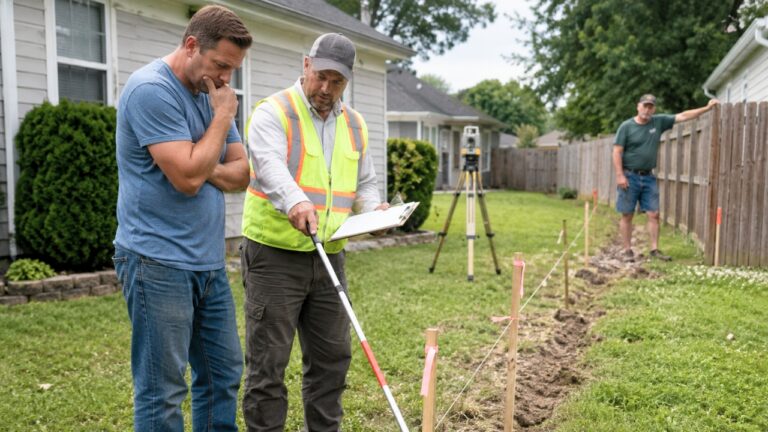
In the original post, the homeowner explained that the fence had been there since before they bought the place. They moved in three years ago and assumed the fence marked the property line like most people would. The survey—done for unrelated reasons—said otherwise, and suddenly “two feet” wasn’t a rounding error. It was a strip of yard that legally belonged to them.
A routine survey turned into an uncomfortable conversation
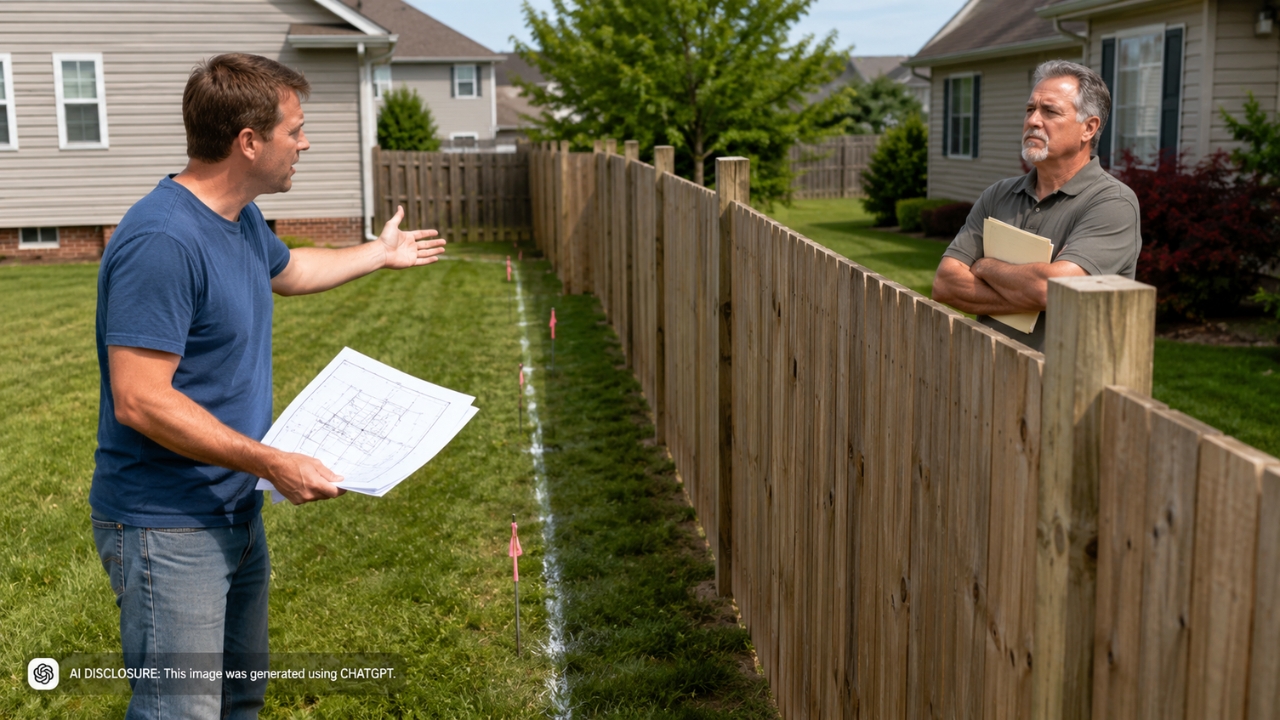
The homeowner didn’t start out looking for a fight. They got the survey, noticed the fence placement, and did the most straightforward thing: they went next door and showed the neighbor the official survey.
The request was simple—move the fence back to the actual property line. But instead of a practical conversation about posts, panels, and scheduling a weekend project, the neighbor immediately went legal in the most casual way possible. He claimed the fence was “his now” because it had been there five years, calling it “squatter’s rights.”
That’s when the tone changed. The homeowner pushed back, saying that’s not how property law works and pointing again to the survey. The neighbor dismissed surveys as “just estimates” and said the fence wasn’t going anywhere.
“It’s been there five years” became the whole argument
Fences have a way of feeling permanent even when they’re wrong. A lot of people treat them like they’re carved into the map, and the longer one sits in the same place, the more “true” it feels—regardless of what the deed or survey says.
The neighbor leaned hard on that idea. Five years, in his mind, turned the fence into a kind of ownership receipt. But the homeowner wasn’t arguing over vibes or memory. They had a recent survey and a very specific measurement showing the fence was two feet over.
What made it worse was the neighbor’s refusal to treat it as a neighbor problem. He wouldn’t discuss moving it like a shared inconvenience. He treated it like a challenge to his authority, and his position never softened: the fence stays.
When a fence dispute starts billing by the hour
After the neighbor dug in, the homeowner contacted a lawyer. A formal letter went out demanding the fence be moved within 30 days. That’s the point where disputes often resolve—someone realizes this isn’t just talk, and the math starts to shift from pride to risk.
Not here. The neighbor responded by saying he was claiming adverse possession. The homeowner’s lawyer said adverse possession in their state requires 10 years, and the fence had only been there five. Another letter went out stating that, on paper, the neighbor didn’t have a claim.
Instead of backing down, the neighbor hired his own lawyer. Now the argument wasn’t just “five years is enough.” It was “the previous owner’s time should count toward the 10.”
The homeowner’s lawyer disagreed again, arguing it doesn’t work that way—especially since the homeowner is contesting it now. And just like that, a two-foot strip of land became a full-on legal fight with real money leaking out of the homeowner’s bank account.
The weirdest part: acting friendly while the fight escalates
There’s a special kind of stress that comes from an ongoing property dispute with someone you can’t avoid. It’s not like a contractor you can fire or a business you can stop calling. This person is next door. You see their porch light. You hear their mower. You share the same weather.
The homeowner said their lawyer believes they’ll win, but “winning” doesn’t stop the bills from stacking up now. Thousands in legal fees hits differently when the thing you’re protecting is a narrow slice of yard that you already thought you owned.
Meanwhile, the neighbor acts like everything is normal—waving like they’re friends. That friendliness, under the circumstances, reads less like peace-making and more like nerve. The homeowner’s frustration wasn’t only about the fence. It was about the audacity of taking land and then pretending it’s all neighborly small talk.
Homeowners focused on proof, paperwork, and not blinking first
The post drew the kind of practical, documents-first mindset you see whenever property lines come up. When land is involved, people tend to focus on what can be proven, not what feels fair.
The homeowner already had the biggest piece of that: a recent survey. And they’d already taken the step many people hesitate to take—getting an attorney involved early instead of letting a bad boundary quietly “age” into a bigger mess.
A fence that sits in the wrong place doesn’t just steal a strip of lawn. It can complicate future sales, confuse where you can plant or build, and turn routine improvements into potential flashpoints. Even if the neighbor is wrong on the law, the homeowner still has to live through the process of forcing the issue.
The neighbor’s strategy—lawyering up and arguing time—also signals something important: he’s not treating this as a misunderstanding. He’s treating it as a claim he wants to keep, which means the homeowner can’t rely on a handshake solution anymore.
A thin strip of ground with expensive consequences
Two feet doesn’t sound like much until you picture it running the length of a fence line. That’s usable space. That’s the difference between a shed fitting, a gate swinging right, or a clean property line when you eventually sell.
The homeowner is left in the worst middle ground: sure enough they’re right to fight it, but still stuck paying to prove it. The neighbor’s insistence that surveys are “just estimates” and that time automatically makes it his land only adds to the tension, because it suggests he’ll resist even clear documentation.
For now, the fence is still there, the attorneys are trading letters, and the homeowner is living next to someone who’s smiling and waving while actively disputing the boundary. It’s the kind of standoff that makes you look at every fence in your neighborhood a little differently—and makes “good fences make good neighbors” feel like a joke when the fence isn’t even on the right ground.