Refrigerator habits that keep produce crisp longer
Nothing feels more wasteful than pulling out a bag of once-fresh produce that’s now soggy, slimy, or wilted. A lot of the time, it’s not the food—it’s how the fridge is set up and how we’re storing things. A few small changes in how you load and use your refrigerator can easily stretch your produce a lot further.
Stop washing everything the second you get home
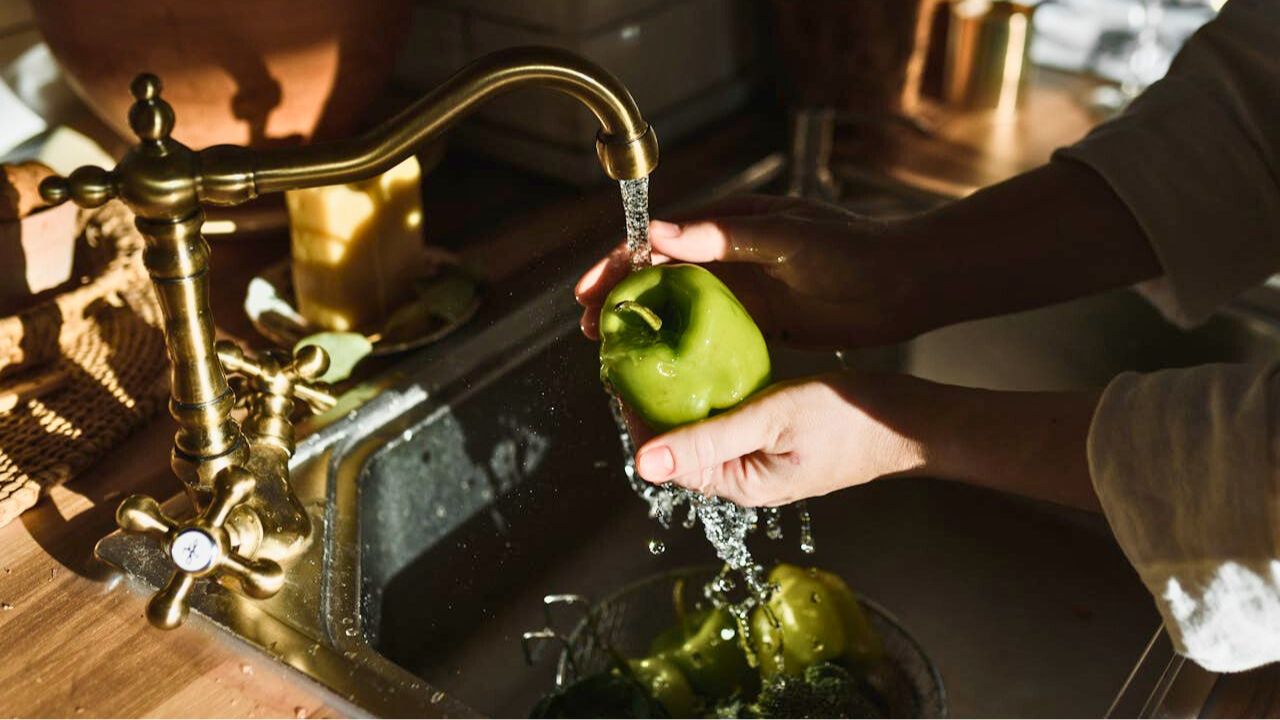
It feels logical to wash all your fruits and vegetables right away, but extra moisture speeds up mold and slime. For most produce, it’s better to wait and wash right before you use it. The big exceptions are super dirty items like garden lettuce or root vegetables—rinse those, dry them thoroughly, and then store.
If you love the convenience of pre-washed produce, focus on drying. A quick spin in a salad spinner and a layer of paper towel in the container will pull off extra moisture and keep greens from turning to mush.
Use the crisper drawers the way they’re meant to be used
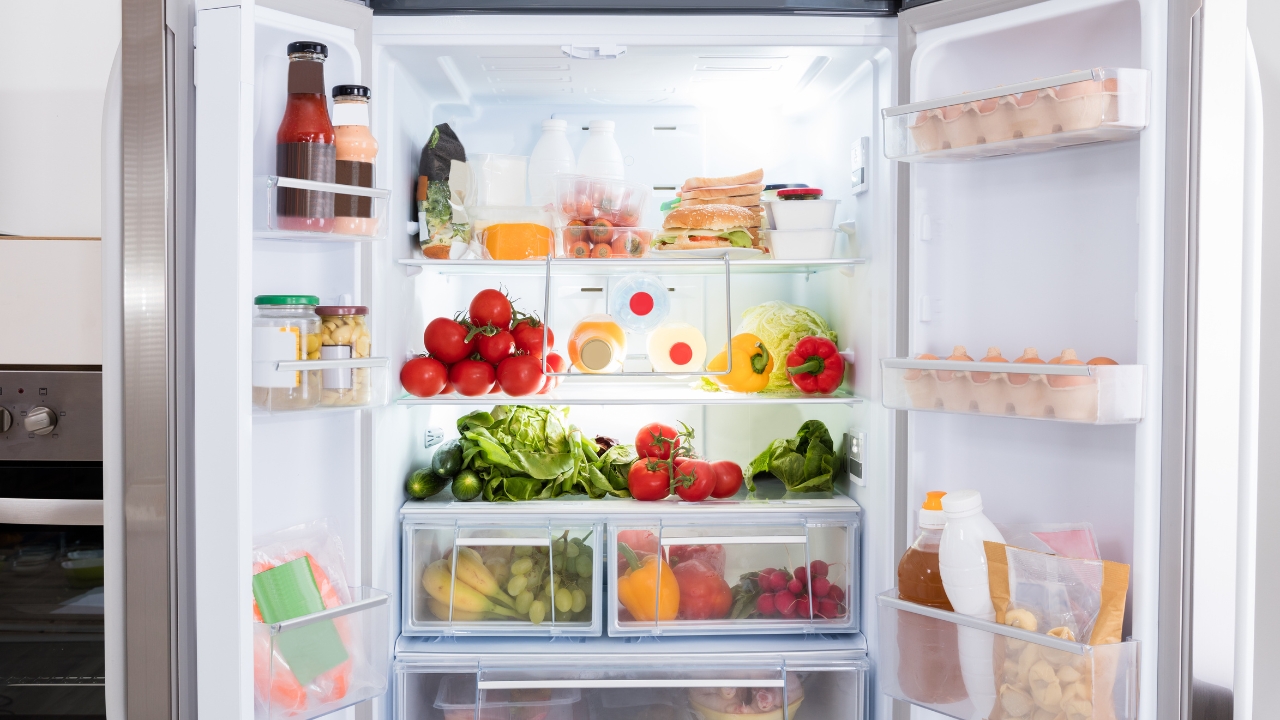
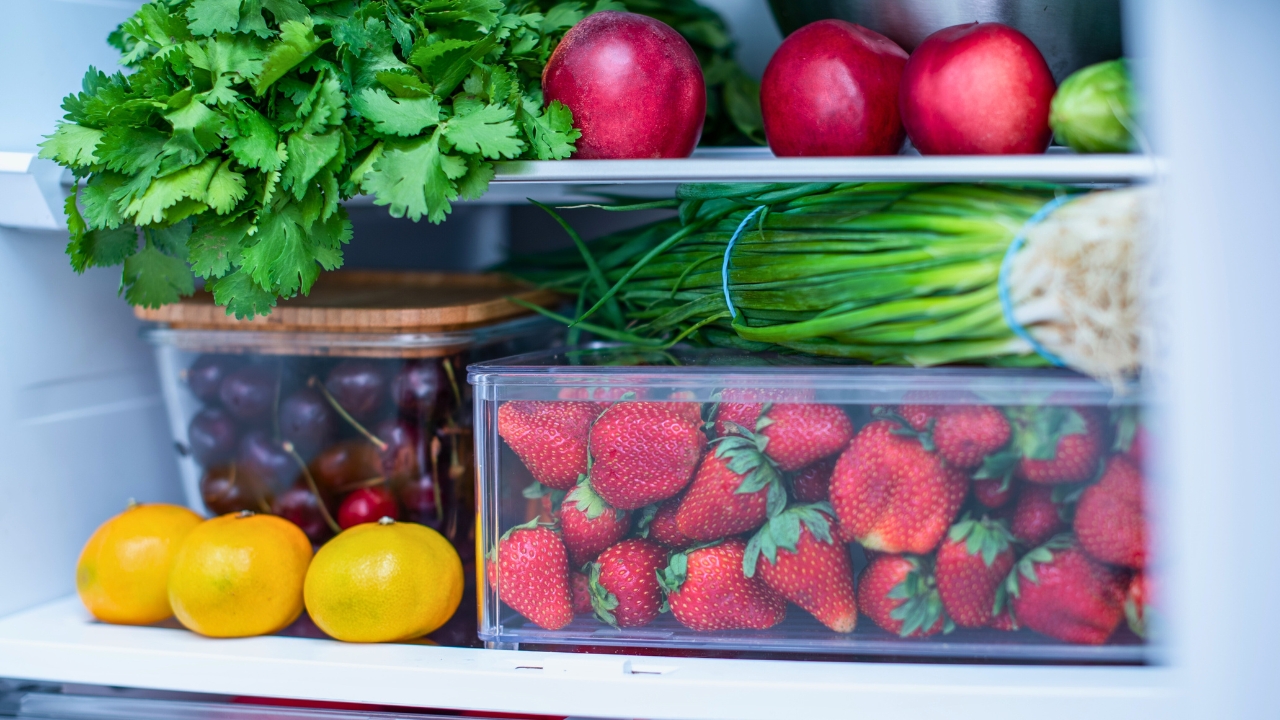
Those bottom drawers aren’t just random bins—they’re designed to manage humidity. One is usually better for high-humidity lovers (leafy greens, herbs, broccoli), and the other for low-humidity items (apples, grapes, peppers). Check for little sliders that say “high/low” or show a fruit/vegetable icon.
Keep greens and things that wilt easily in the higher-humidity drawer so they don’t dry out. Put fruits that emit more ethylene gas (like apples and pears) in the lower-humidity drawer so they don’t rush everything else along.
Get produce out of the original bags
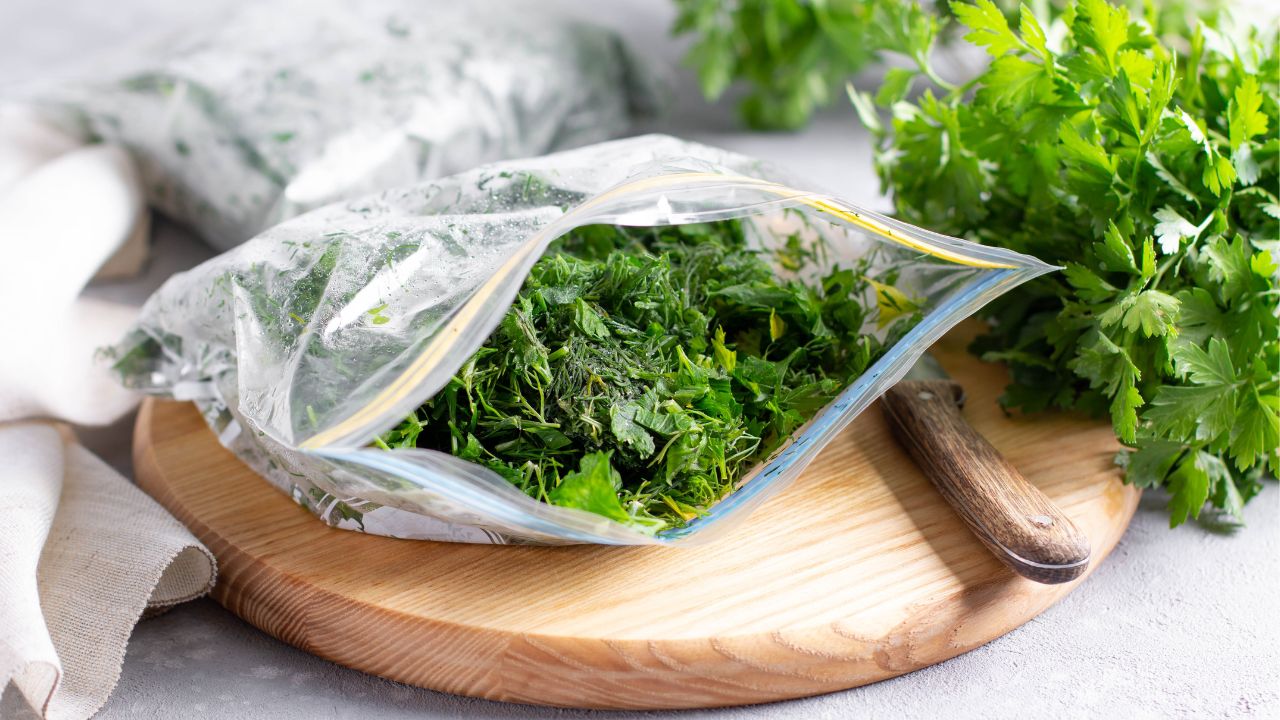
Those thin plastic produce bags and sealed packaging trap moisture and ethylene gas, which makes things break down faster. When you get home, move items into containers that breathe a little. For greens, a lidded container with a towel or two inside works well. For things like peppers, cucumbers, and squash, a reusable produce bag or a loose container is better than a tight seal.
Berries do best in a shallow container with a paper towel and a lid that isn’t clamped down super tight. Give them room and don’t pack them in so deep that the ones at the bottom get crushed.
Don’t cram the fridge completely full
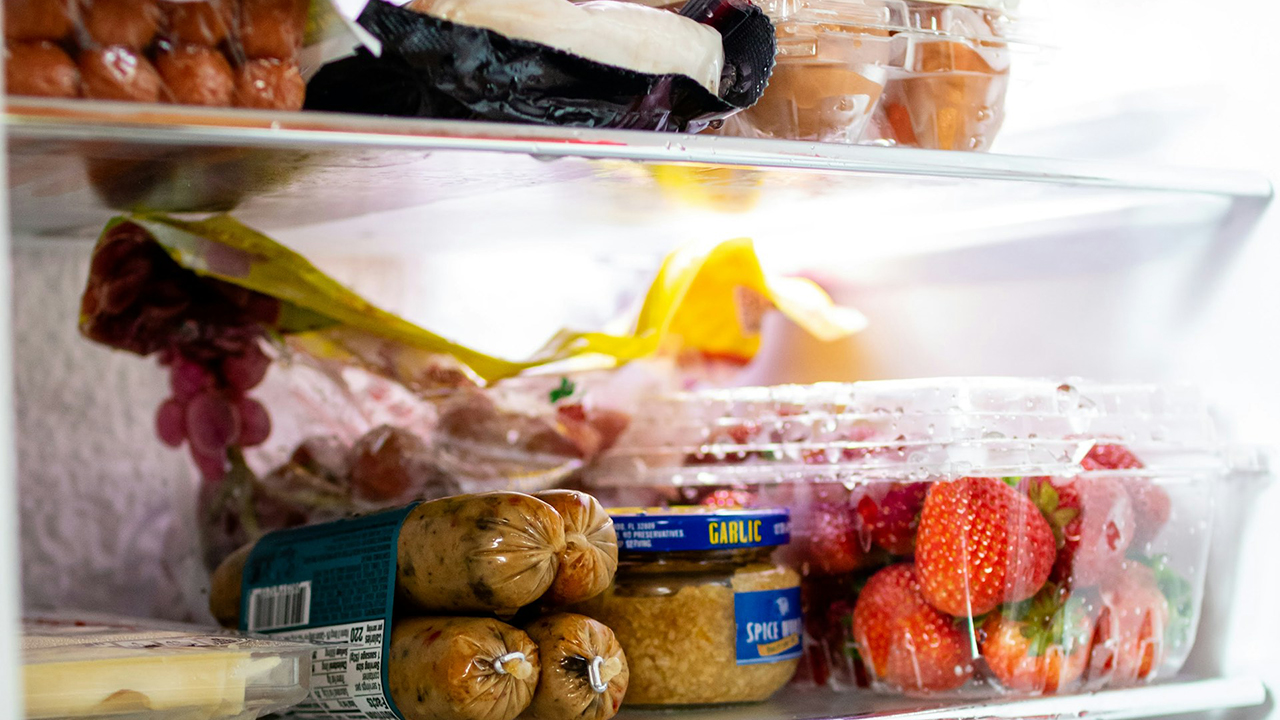
Air has to move for the fridge to stay evenly cold. When every inch is stuffed, some areas run warmer and become a graveyard for produce. Try to leave a little space around drawers and vents, and don’t stack heavy items on top of delicate ones.
If your fridge is routinely packed, consider keeping a small “eat first” bin for produce that’s on its last leg. That way you’re more likely to grab it for a snack or throw it into a soup before it goes bad.
Keep produce away from the coldest spots
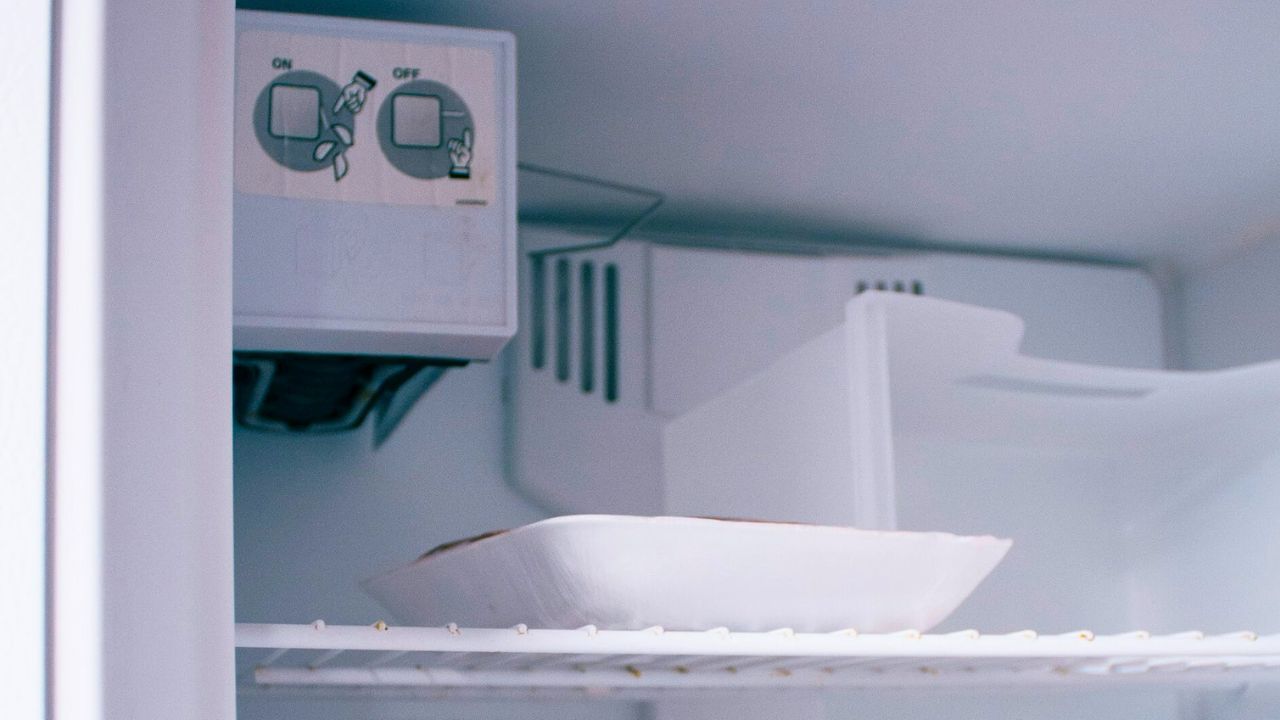
The very back of the fridge and the area right in front of vents can be cold enough to damage more delicate items. Lettuce and herbs hate freezing temperatures and will get slimy quickly if they’re half-frozen, half-thawed. Keep greens and softer produce in the drawers, not shoved against the back wall.
Use the colder spots for things that can handle it: milk, meat, leftovers, and yogurt. Doors, on the other hand, are a bit warmer, so they’re fine for condiments but not ideal for fragile fruits and vegetables.
Rotate and prep a little as you go
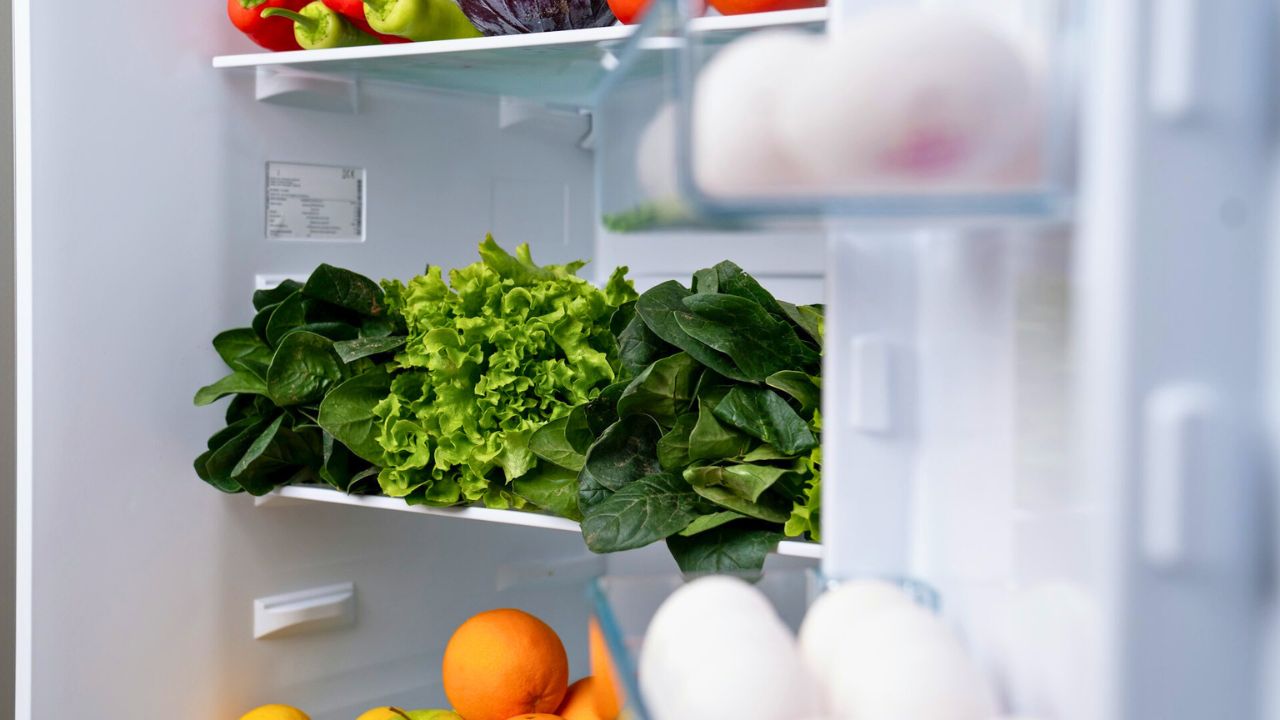
Every couple of days, do a quick scan. Move older items to the front, chop up anything that’s close to turning and toss it into a container for quick use. Slightly limp veggies are still great in soups, stir-fries, omelets, or casseroles. You’re more likely to save them if they’re already washed and cut.
You don’t need a perfectly organized fridge to make produce last. A few simple habits—using the drawers correctly, managing moisture, keeping things from getting crushed or frozen—go a long way. You’ll throw away less, spend less, and open the fridge without that little wave of guilt.
Like Fix It Homestead’s content? Be sure to follow us.
- I made Joanna Gaines’s Friendsgiving casserole and here is what I would keep
- Pump Shotguns That Jam the Moment You Actually Need Them
- The First 5 Things Guests Notice About Your Living Room at Christmas
- What Caliber Works Best for Groundhogs, Armadillos, and Other Digging Pests?
- Rifles worth keeping by the back door on any rural property
*This article was developed with AI-powered tools and has been carefully reviewed by our editors.