12 Foods That Come Out Worse After Freezing
Photo credit: Meruyert Gonullu/Pexels
The freezer can be a lifesaver, especially when you’re trying to stretch groceries or prep ahead. But not everything holds up well to freezing. Some foods come out mushy, separated, or flat-out inedible after a trip through deep freeze.
If you’ve been tossing things in without a second thought, it might be time to rethink what belongs in there—and what doesn’t.
Eggs in the Shell
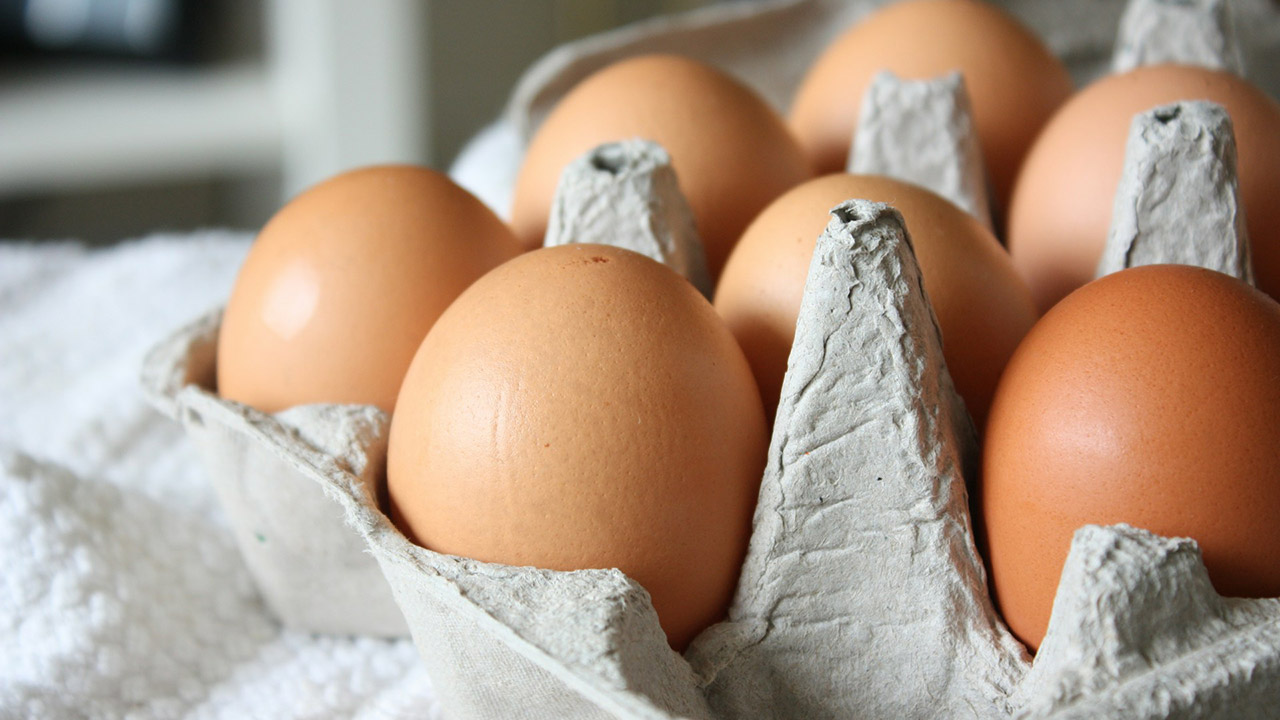
Freezing eggs in their shells might seem like a smart way to keep them longer, but it can actually cause them to crack. The liquid inside expands when frozen, and that pressure can break the shell or affect the texture of the yolk.
If you want to freeze eggs, crack them into a freezer-safe container, beat them lightly, and label it. That way, they’re ready to go for baking or scrambling later—without the risk of a mess or rubbery texture.
High-Moisture Vegetables
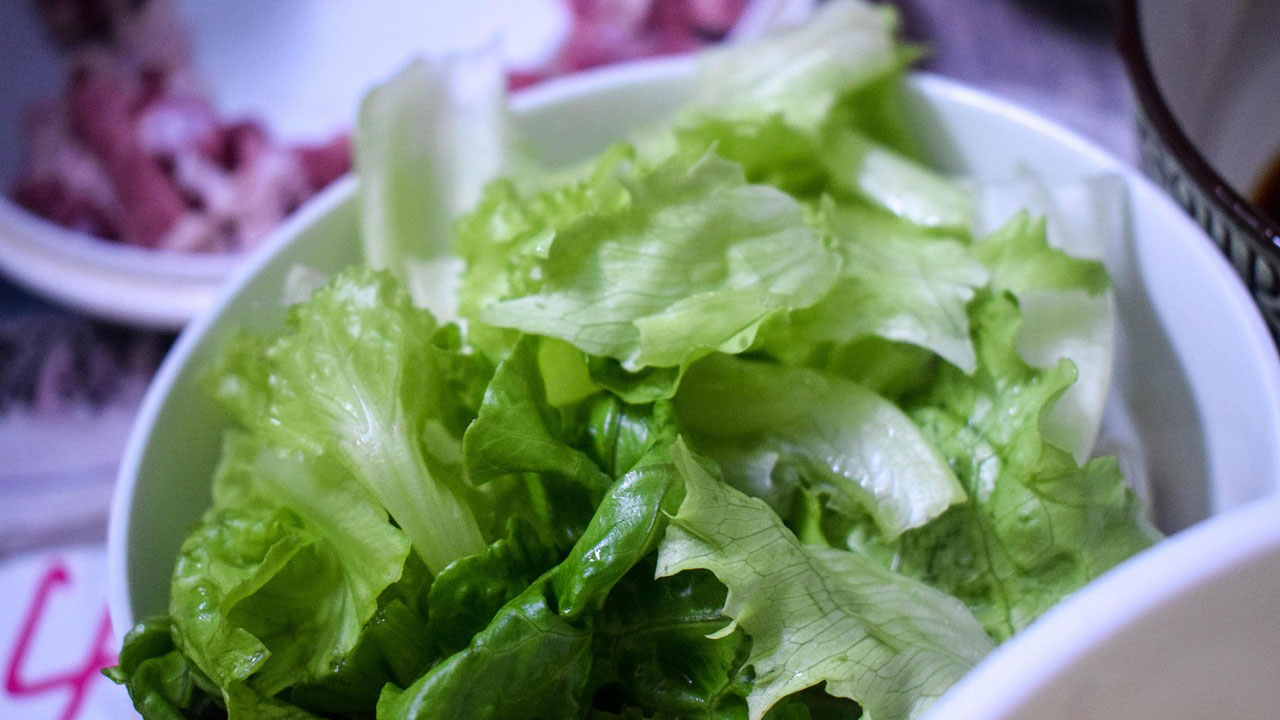
Lettuce, cucumbers, and other watery vegetables don’t freeze well. Once thawed, they turn soggy and lose their crisp bite, making them pretty useless in anything fresh like salads or sandwiches.
If you’ve got extra on hand, use them up in cooked meals or smoothies instead. You can freeze cooked greens or roasted veggies, but raw, high-water veggies are better off in the fridge—short-term only.
Soft Cheeses
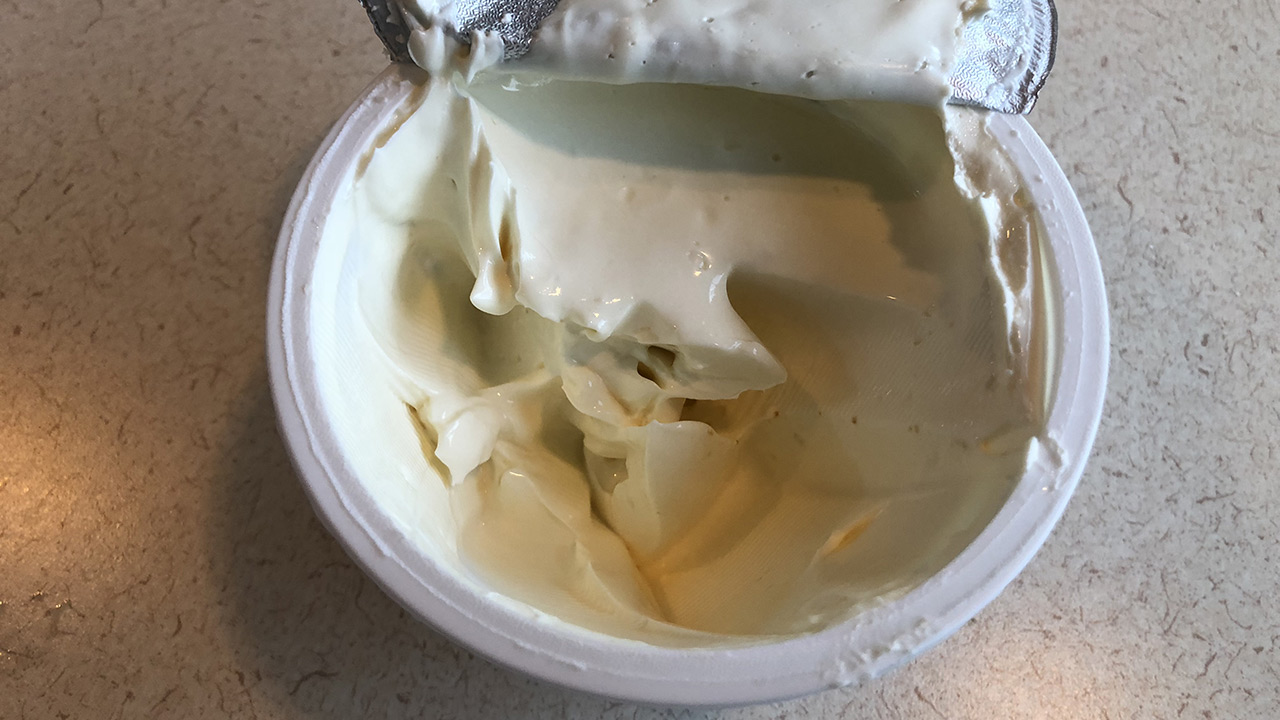
Cream cheese, ricotta, and goat cheese tend to separate once frozen. The texture changes from smooth and spreadable to watery and grainy, and it usually doesn’t go back to normal once thawed.
If you’re freezing a casserole or lasagna with soft cheese already mixed in, it might hold up okay. But don’t freeze these cheeses by themselves expecting the same flavor and texture when you thaw them out.
Fried Foods
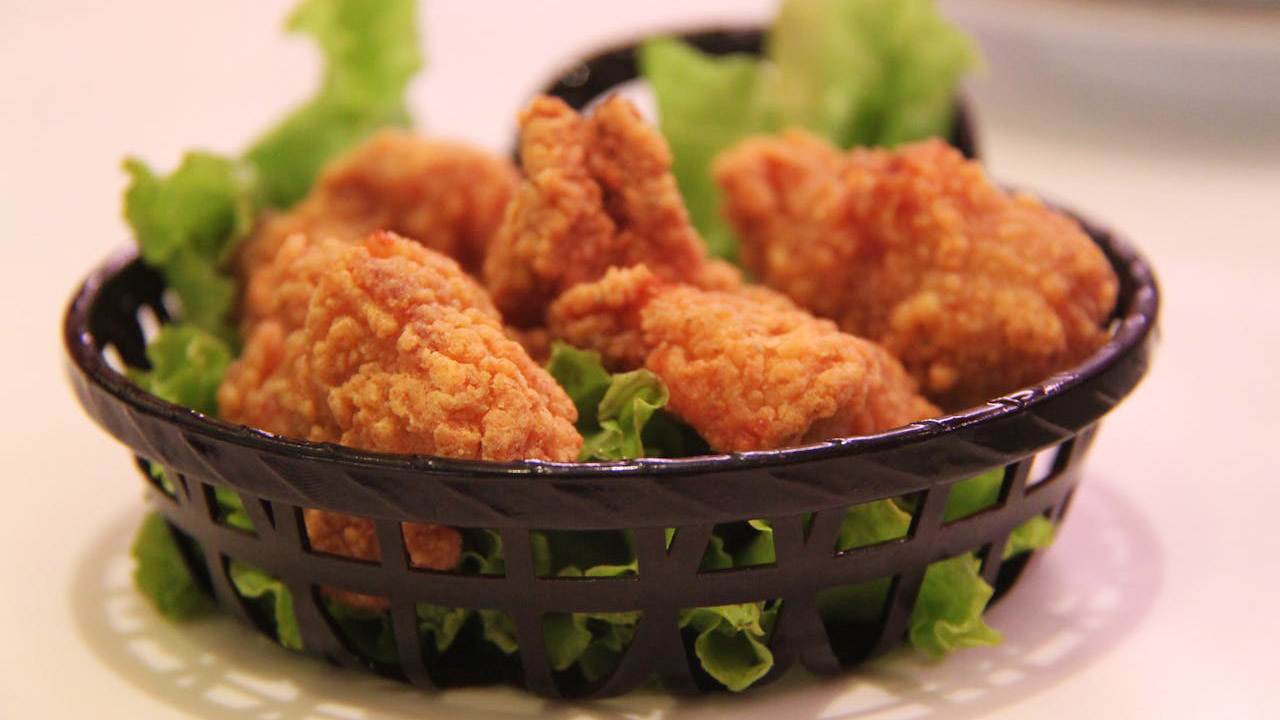
Reheated fried foods lose their crunch after freezing. That crispy coating you worked so hard for? It turns soggy once the moisture from the freezer hits it.
If you absolutely have to freeze something fried, reheat it in the oven or air fryer—not the microwave—to try and bring some of the texture back. But for the best results, fried food is better fresh.
Cooked Pasta (Without Sauce)
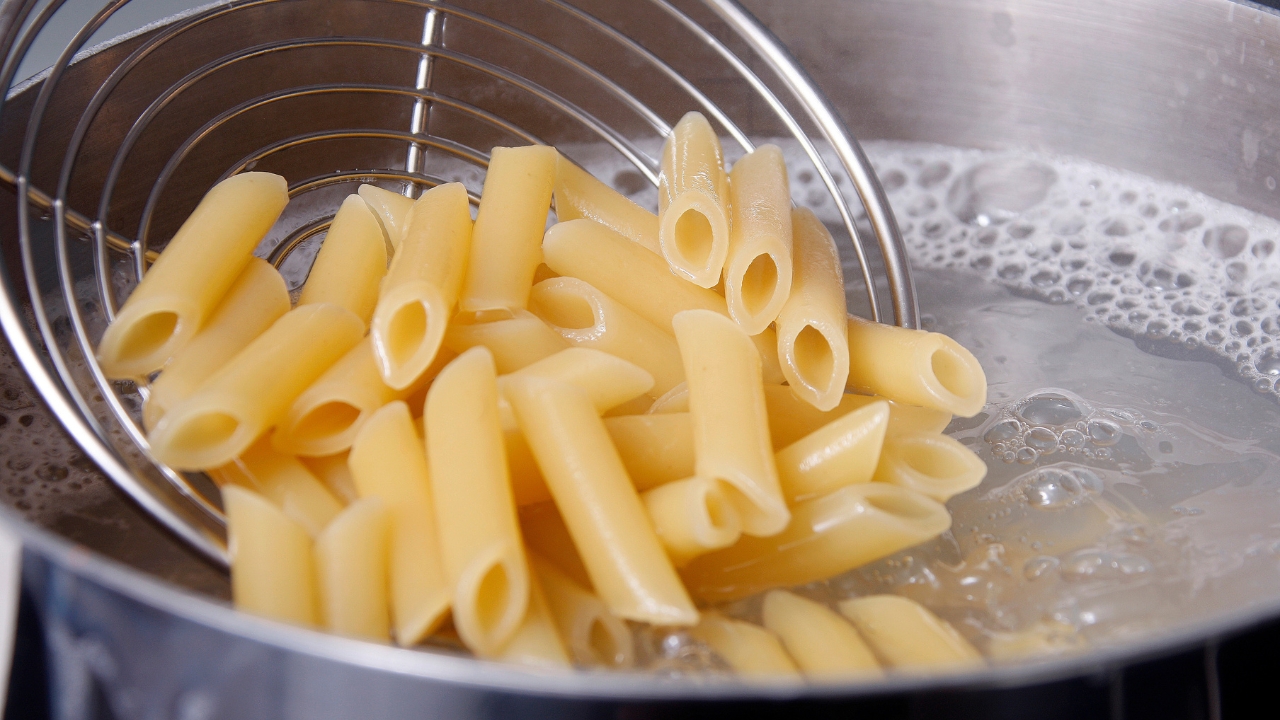
Freezing plain pasta might sound like a shortcut, but it usually turns mushy when thawed. The texture gets weird fast, especially if it’s already soft to begin with.
If you’re planning ahead, freeze pasta already mixed into a sauce. The sauce helps protect it from drying out or over-softening. Otherwise, cook your noodles fresh—they don’t take long.
Dairy-Based Sauces
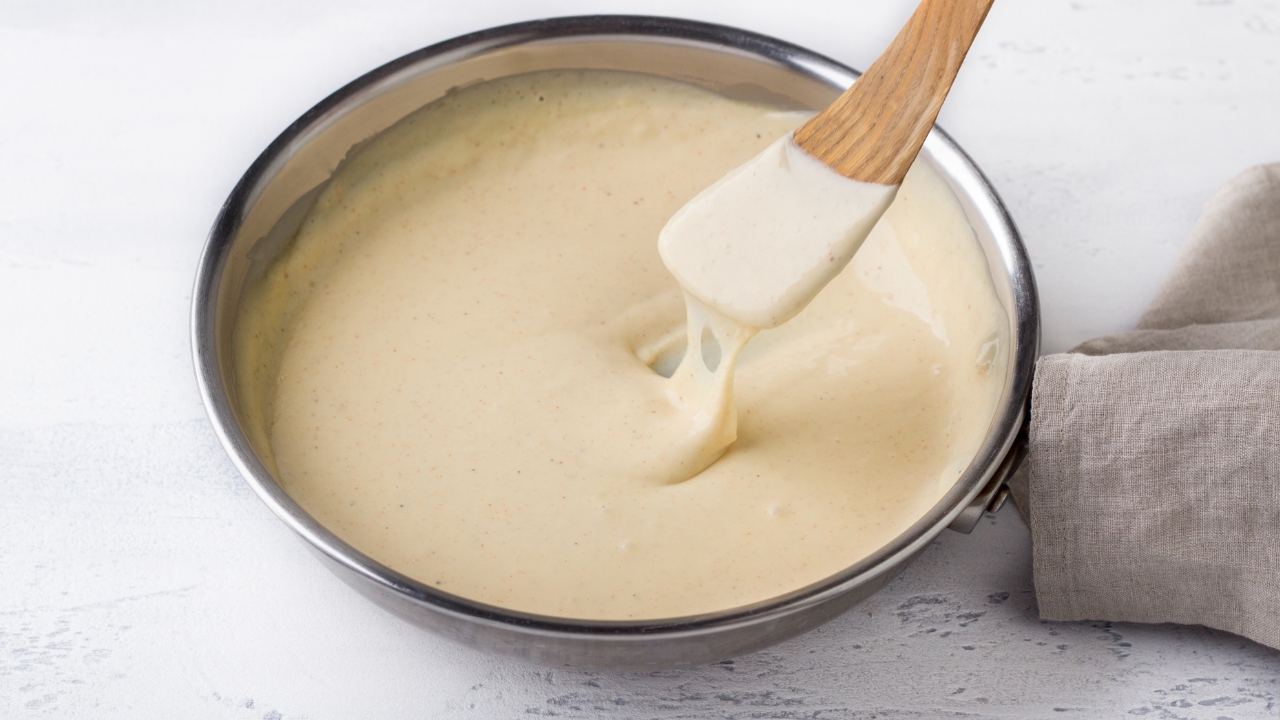
Creamy sauces—like Alfredo or anything thickened with milk or cream—tend to split and get grainy in the freezer. The fats separate from the liquids, and reheating doesn’t always bring them back together.
If you make a big batch, store it in the fridge instead and use it within a few days. Or make the base without the cream, then add it in fresh when you’re ready to heat and serve.
Mayonnaise and Mayo-Based Salads
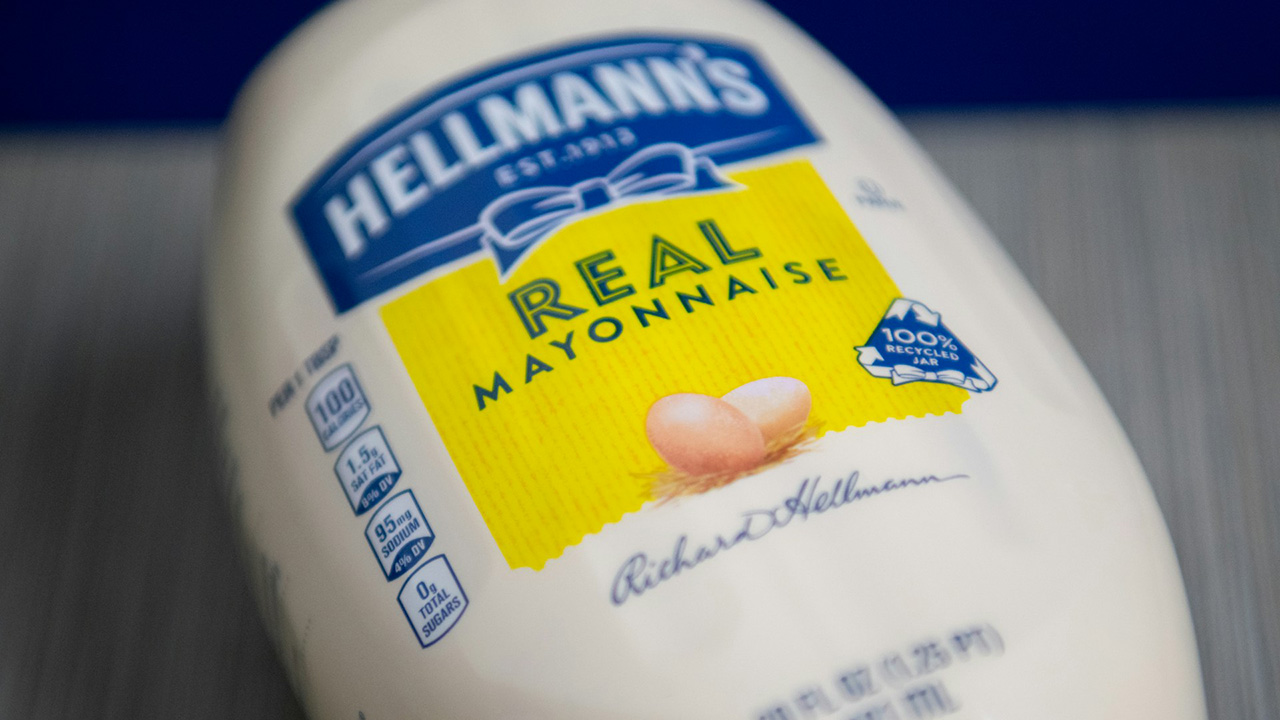
Mayonnaise separates when frozen, and once that emulsion breaks, there’s no getting it back. Chicken salad, egg salad, and anything else mayo-heavy won’t survive a trip to the freezer without turning watery and unpleasant.
These kinds of foods are best made in smaller batches and eaten fresh. If you do need to prep ahead, keep the other ingredients frozen separately and mix in mayo later.
Whole Raw Potatoes
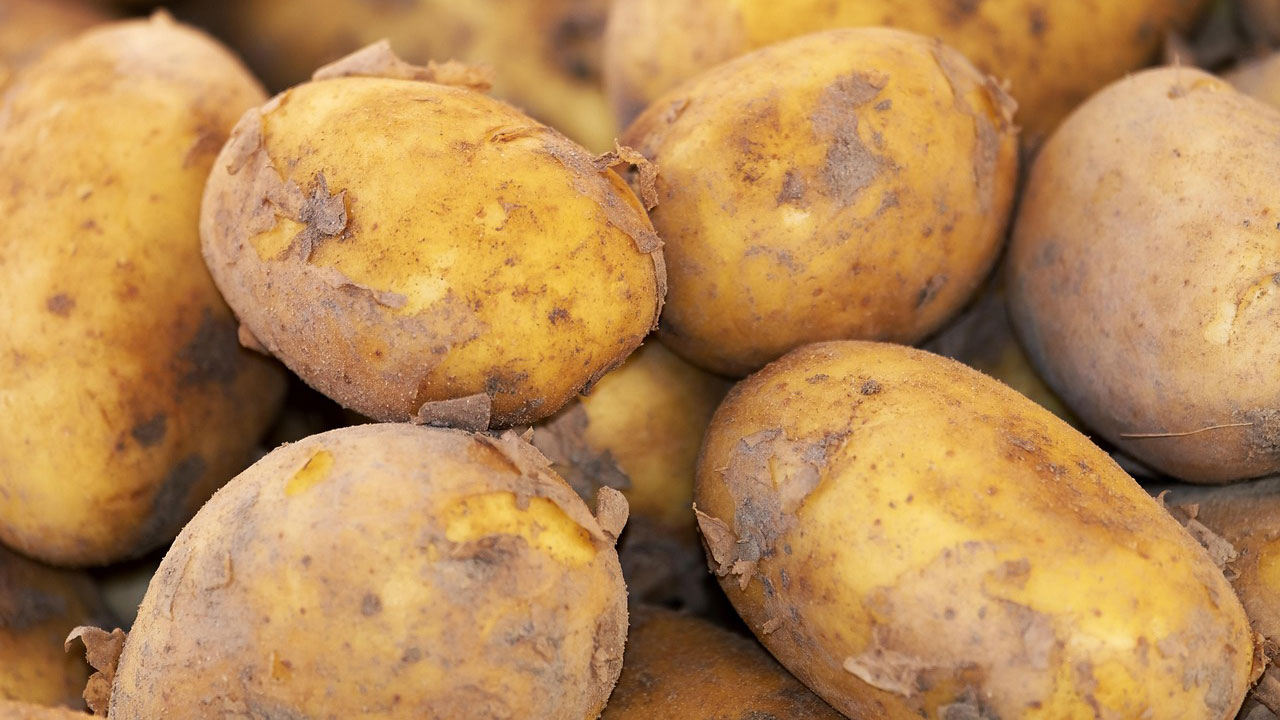
Freezing raw potatoes is a quick way to ruin their texture. The high water content causes them to become grainy or mushy once thawed, and sometimes they even turn dark.
Cook them first—boil, roast, or mash them—then freeze in airtight containers. Cooked potatoes hold up much better and save time when you’re ready to reheat a full meal.
Carbonated Drinks
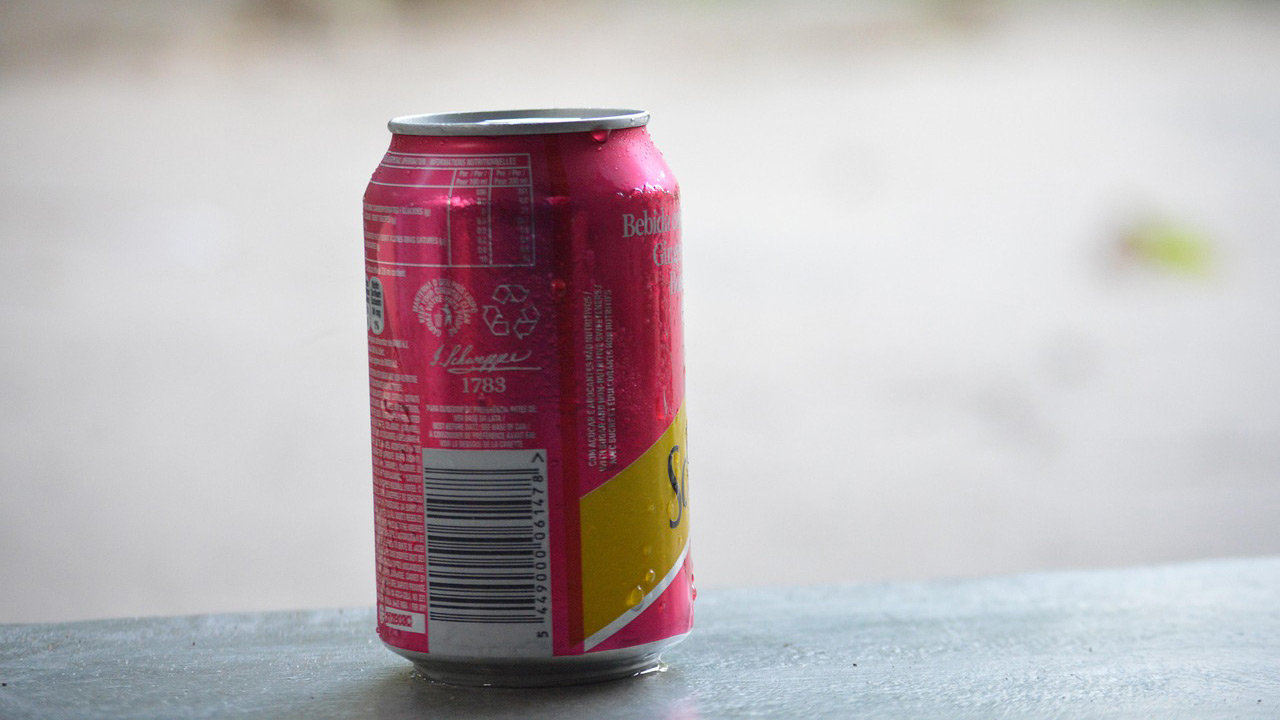
Tossing a can of soda or sparkling water into the freezer to chill it fast might seem harmless—but if you forget about it, it’s likely to explode. The liquid expands as it freezes, and there’s no room for that pressure in a sealed can.
If you want a quick chill, stick your drink in the fridge or an ice bath. Freezing anything pressurized isn’t worth the mess (or the waste).
Fresh Herbs (Without Oil or Water)
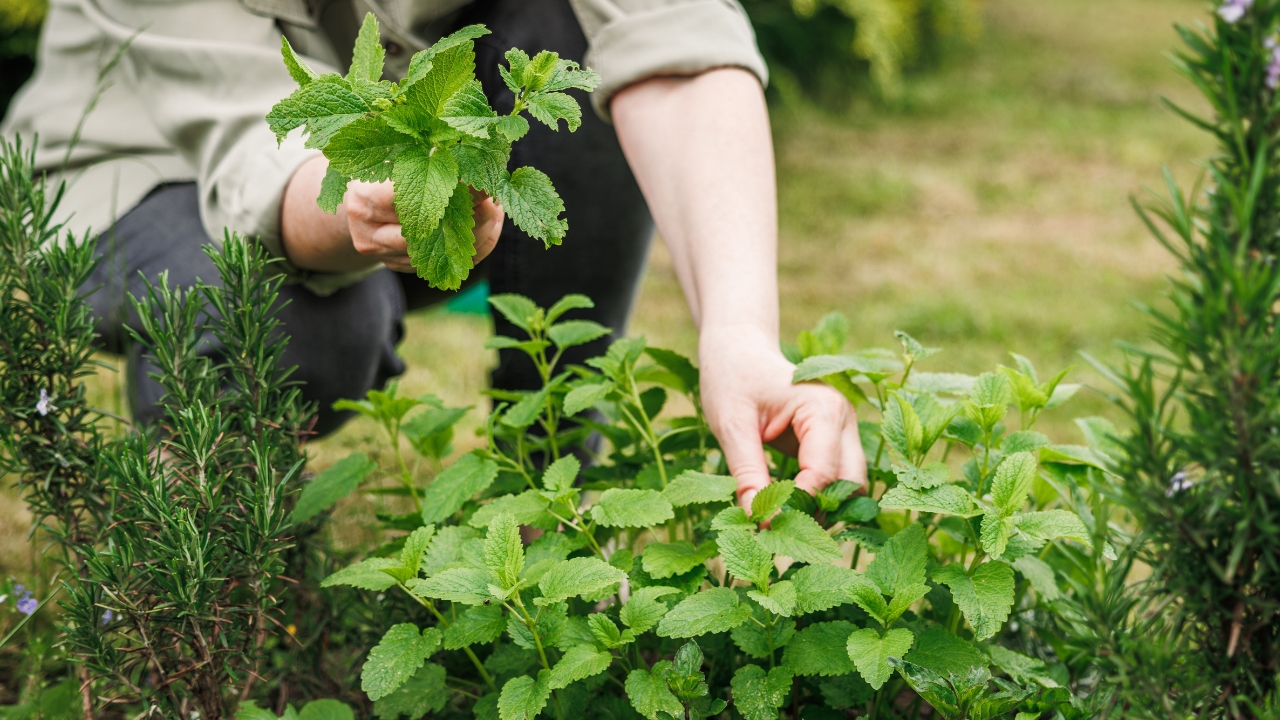
Throwing fresh herbs in the freezer without any prep leaves you with limp, flavorless bits that don’t cook or garnish well. Freezer burn and air exposure take a toll fast.
If you want to save herbs, chop them and freeze them in ice cube trays with olive oil or water. That way, they’re protected and easy to toss into a pan when you’re cooking later.
Frosting with Egg Whites
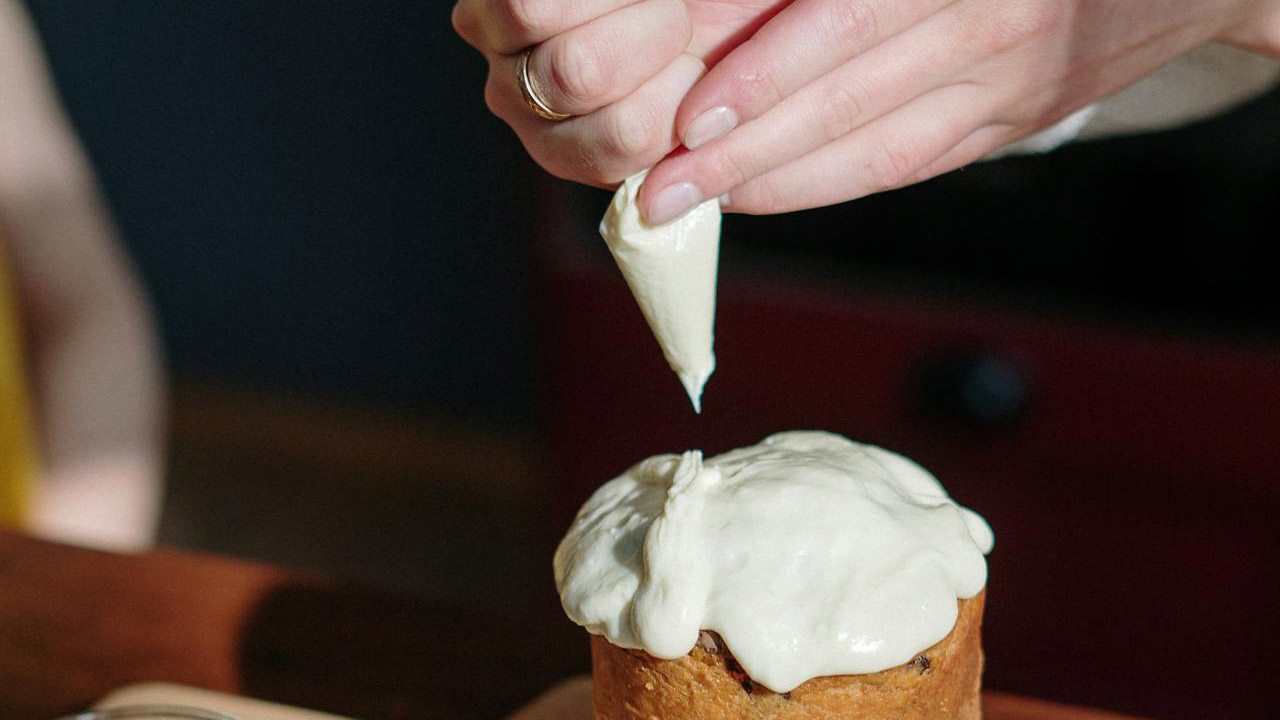
Frostings like meringue or seven-minute icing don’t do well in the freezer. The egg whites can become rubbery, and the texture falls apart once thawed.
Stick with buttercream if you need to freeze a cake or cupcake. Anything made with whipped egg whites is better made fresh for best texture and taste.
Some Fruits (When You Need Them Firm)
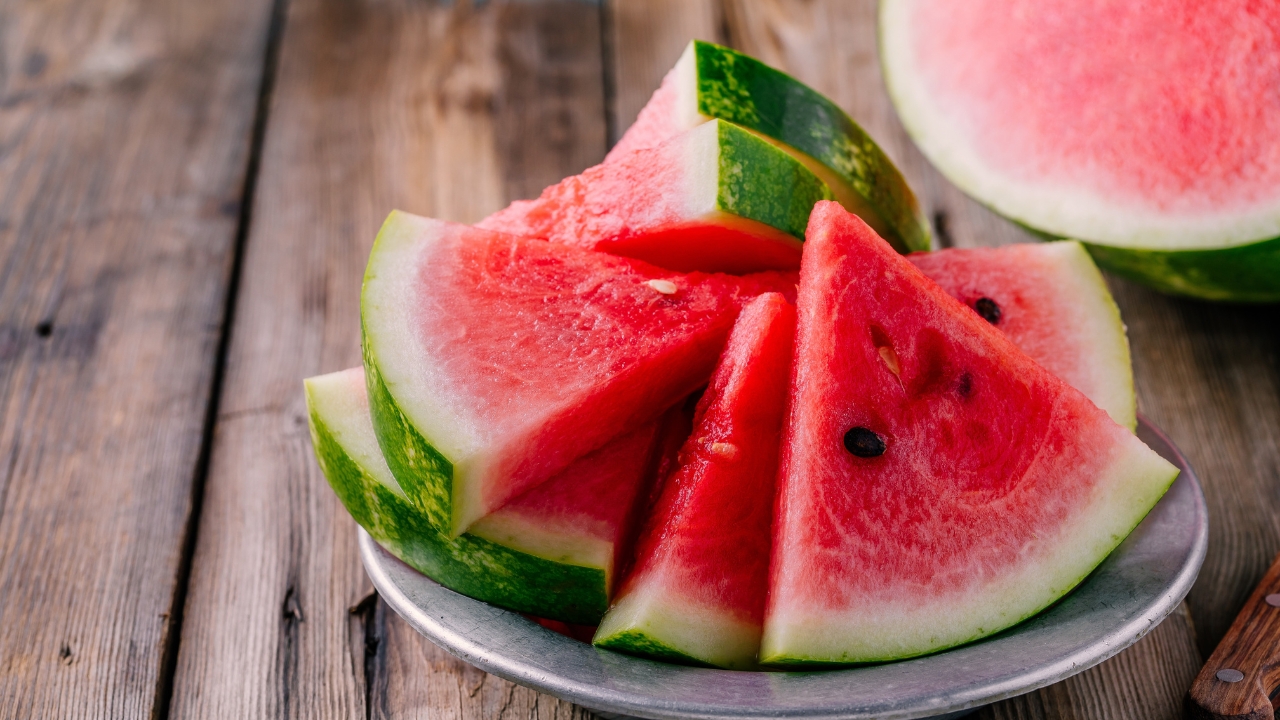
Fruits like watermelon, oranges, or grapes will freeze, but when they thaw, the texture is totally different—soft, mushy, and wet. Great for smoothies, but not great if you want to eat them as-is.
If you’re freezing fruit for snacks or desserts, go with berries or bananas. But for anything you want to stay crisp or juicy, the freezer’s not your friend.
Like Fix It Homestead’s content? Be sure to follow us.