Rural Property Owner Finds the Neighbor’s Well Line Buried Four Feet Under the Driveway — Then the Neighbor Demands the Owner Pay to Reroute It
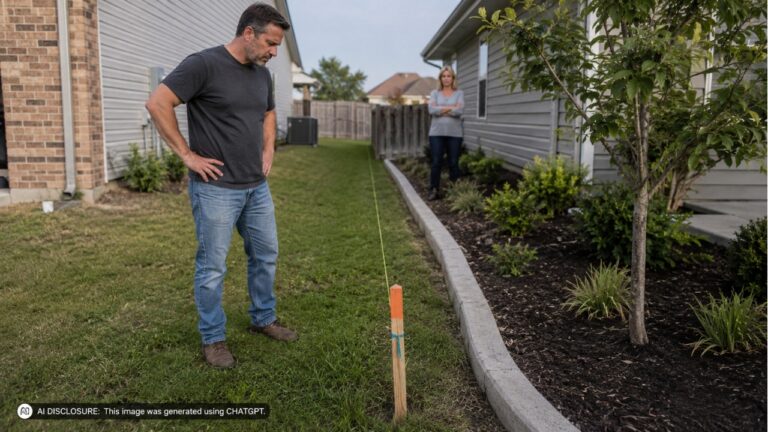
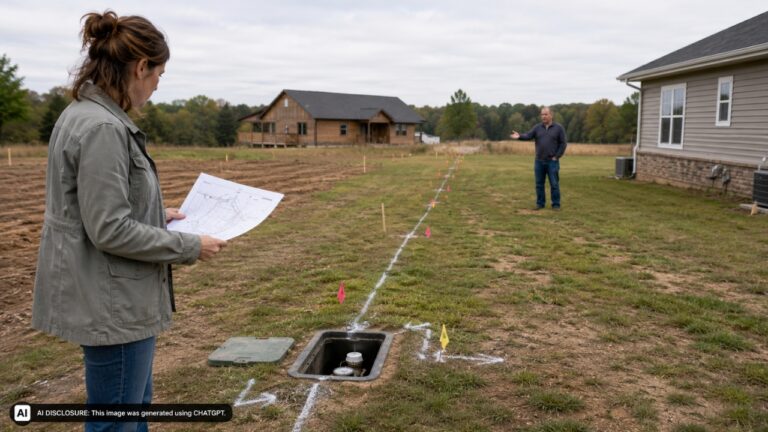
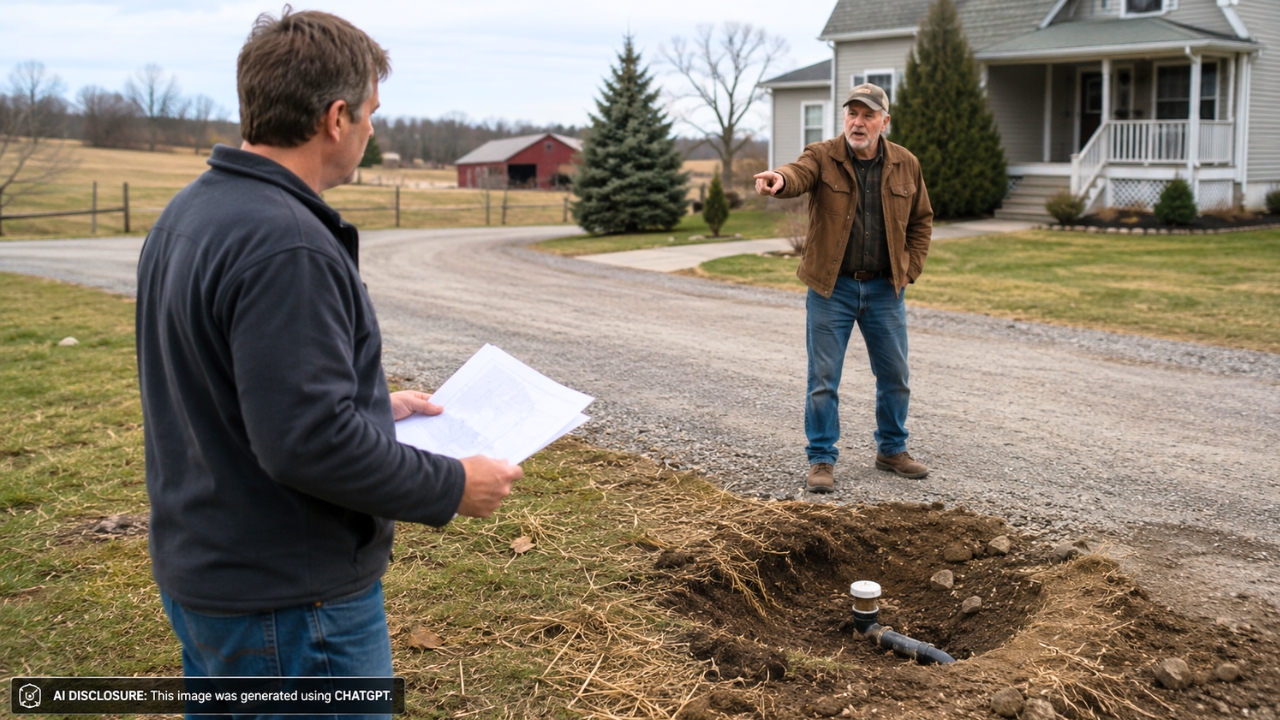
Photo credit: AI-generated image created using ChatGPT. Illustrative only.
Three weeks after closing, a new rural homeowner got a knock that didn’t feel like a welcome-to-the-neighborhood. The neighbors weren’t bringing cookies—they wanted the new owner to “turn on” a water line that, they claimed, ran from the owner’s house to theirs.
The buyer hadn’t been told about any shared line, not in the seller’s disclosure, not in the survey that came with the purchase agreement, and not by the agent involved. The full back-and-forth, including the homeowner’s updates as they dug for answers, is laid out in the original post.
A surprise request after the ink was dry
The homeowner had closed on 2/4. Then, on a regular day in late February, the neighbors showed up with what sounded like an urgent need: their well was “in bad shape,” and they said they couldn’t afford to connect to city water.
So their plan was to use a line they believed already existed—one that supposedly fed from the new owner’s place to the neighbor’s home. The neighbors even asked, “Did they tell you about the water situation?” as if this was normal, long-running knowledge that simply transferred with the deed.
Except it didn’t. The buyer said they had no idea the line existed at all.
The paperwork didn’t match the real world
This is where the story starts to feel like a classic country-property headache: what’s on paper isn’t always what’s buried in the yard. The buyer said the line wasn’t disclosed, and it wasn’t shown on the survey the seller provided during the purchase.
That matters because a buried utility line—especially one serving another home—can raise a stack of questions fast: Is there an easement? Who pays if it leaks? Who is liable if someone digs and gets hurt? What happens if the owner needs to redo a driveway or trench for a future project?
The homeowner didn’t sound eager to pick a fight. They said they wanted to help if it could be done legally and with a written agreement that protected them. But they also admitted the omission would have affected their decision to buy.
The plot twist: landowners, renters, and a seller with two hats
As the homeowner dug deeper—this time into records instead of soil—the ownership picture got messier. In an update, they clarified they were on city water, while the neighbor had a mobile home they owned.
Even more: the neighbor’s mobile home sat on land they rented, and the land wasn’t owned by the neighbor. After a parcel search, the homeowner said they discovered the land was rented from the seller’s daughter. That meant the people asking for water weren’t just “the neighbors”—they were tenants tied to the seller’s family through a land-rental arrangement.
Then came the detail that made readers’ eyebrows go up: the person who sold the house was also the selling agent. One person, multiple roles, and now a missing disclosure about a line that could obligate the new owner to provide water or maintain an underground connection.
At this point, the homeowner did what most people would do once the initial politeness starts feeling risky: they contacted a real estate attorney. The catch? They couldn’t get in until late March.
Where the driveway comes in
The headline version of this kind of dispute is usually about where the line runs—because buried lines rarely sit neatly along property edges. They cut across lawns, under fences, and, all too often, under driveways where future repairs get expensive fast.
In this case, the homeowner was being pushed to take action on a line they didn’t agree to, didn’t budget for, and didn’t know existed. When a neighbor frames it as “turn it on,” it can sound like a simple valve twist. But if the line is old, unknown, or routed under hardscape, “turning it on” can become “owning it,” including leaks, water bills, or damage that shows up later.
And if a line is buried deep—think multiple feet down—any reroute isn’t just trenching. It’s equipment, disturbance, and the possibility of wrecking a driveway base or creating future sink spots if it’s not compacted correctly.
What people urged: don’t promise anything, find the proof
The homeowner didn’t paste in a comment thread, but their actions showed the direction the crowd typically pushes in these scenarios: stop talking in hypotheticals and verify what’s actually in the ground. They had their realtor reach out to the seller/selling agent.
That response came back with a key claim: the line was severed. In other words, whatever the neighbors thought existed might not be functional anymore. That changed the emotional temperature. If the line had already been cut, the request to “turn it on” wasn’t about flipping a switch—it was about pressuring the new owner to restore something that someone else may have disabled.
Without a lawyer immediately available, the homeowner took the next best step: inspect, document, and confirm.
The dig that finally answered the question
That night, they dug.
They found the line—and, more importantly, found what looked like a clean end point. The homeowner reported it appeared to be completely disconnected and capped off. For them, that was relief, and it provided a form of closure that paperwork hadn’t delivered.
A capped, disconnected line suggests the property isn’t currently feeding the neighbor’s home. It also changes the neighbor-to-neighbor conversation. Instead of a shared resource that needs “permission,” it looks more like an old arrangement that was already shut down before the new owner moved in.
The homeowner’s final note captured the feeling anyone who has bought a property outside city blocks understands: you just want the surprises to stop. “Hopefully no other surprises,” they wrote after the dig, sounding equal parts exhausted and grateful to have one mystery resolved.
For now, the ground truth matters most: the line exists, but it’s capped. And in rural property life, sometimes the best outcome isn’t a perfect solution—it’s simply finding out what’s real before you’re talked into paying for what isn’t.