Scent plans that make a house smell clean without overwhelm
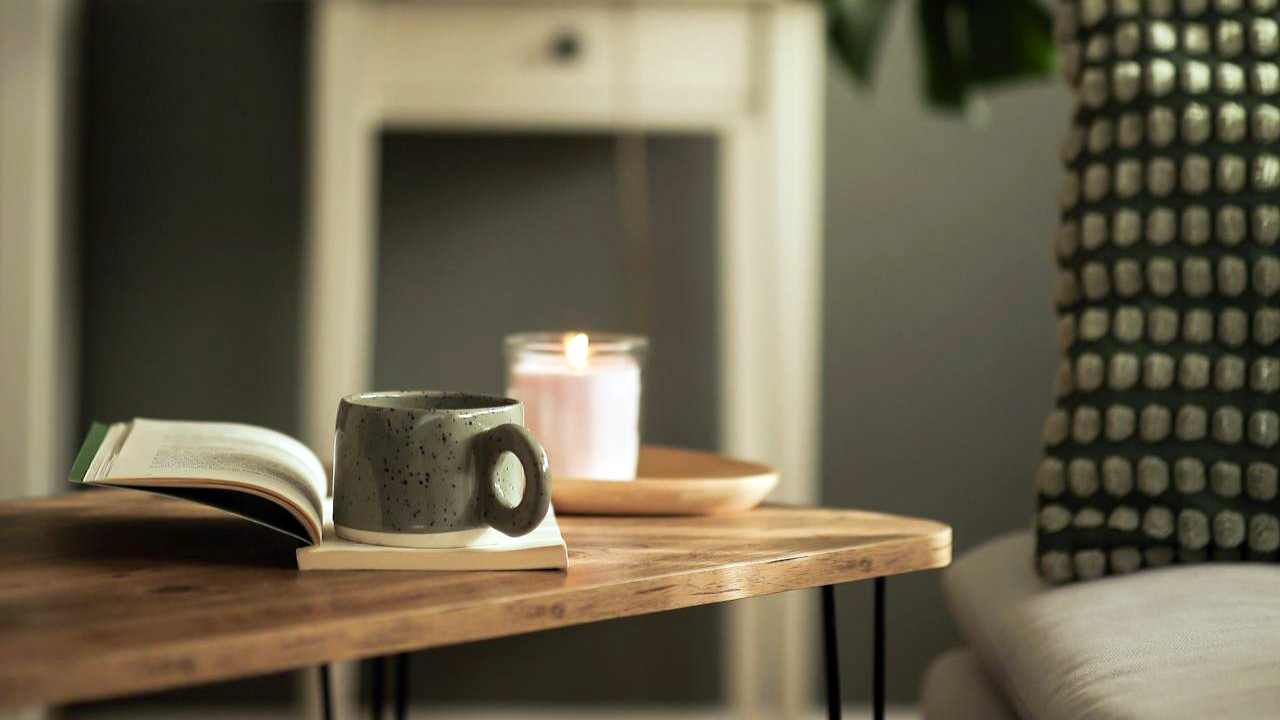
A good-smelling home is quiet about it. You notice freshness, not a strong perfume. I like to layer light, consistent scents where they make sense—kitchen, entry, baths—then let open windows and real cleaning do the heavy lift. The goal is simple: clean, calm, and never cloying.
Start with the clean baseline, then add accents
Nothing replaces actual airflow. Crack a window for ten minutes daily if weather allows, run bathroom fans after showers, and empty the trash before adding fragrances. Scent sits best on a clean canvas.
Once the base is set, choose one family—citrus, herbal, or soft woods—and stick with it across rooms. Consistency reads as “fresh house,” not “candle shop.”
Use the kitchen for bright, fast resets

Simmer a small pot with lemon peels, a sprig of rosemary, and a splash of vanilla for an hour while you cook. It erases last night’s onions without feeling heavy.
For daily upkeep, keep a 1:4 white vinegar and water mix with a few lemon peels in the bottle. Wiping counters with it clears odors and leaves a quiet citrus note that fades clean.
Choose low-profile diffusers for entries and halls
A small reed diffuser or a plug-in set to low at the entry keeps the welcome consistent. Look for notes like grapefruit, bergamot, or light cedar—fresh, not sugary.
Place it away from direct sun and vents so the scent doesn’t burn off fast. Reeds turn once a week, not daily; your nose stops noticing long before guests do.
Layer bathrooms with fresh, not floral
In baths, I like eucalyptus or linen blends. A lidded candle for company, a tiny essential-oil spritz for daily use, and a good fan do more than any heavy spray.
Wash shower curtains and bath mats on a schedule. Fabric holds scent better than air fresheners ever will—clean textiles smell like effort in the best way.
Treat soft surfaces as quiet scent carriers
A light fabric spray on curtains, sofas, and throw pillows gives a soft halo. Think two mists per panel, not a soak. You want “clean room,” not perfume.
If you’re sensitive to fragrance, tuck a muslin sachet with dried lavender or cedar chips under sofa cushions and in closets. It’s gentle, lasts longer, and won’t fight with meals.
Use candles intentionally and rotate scents by time of day
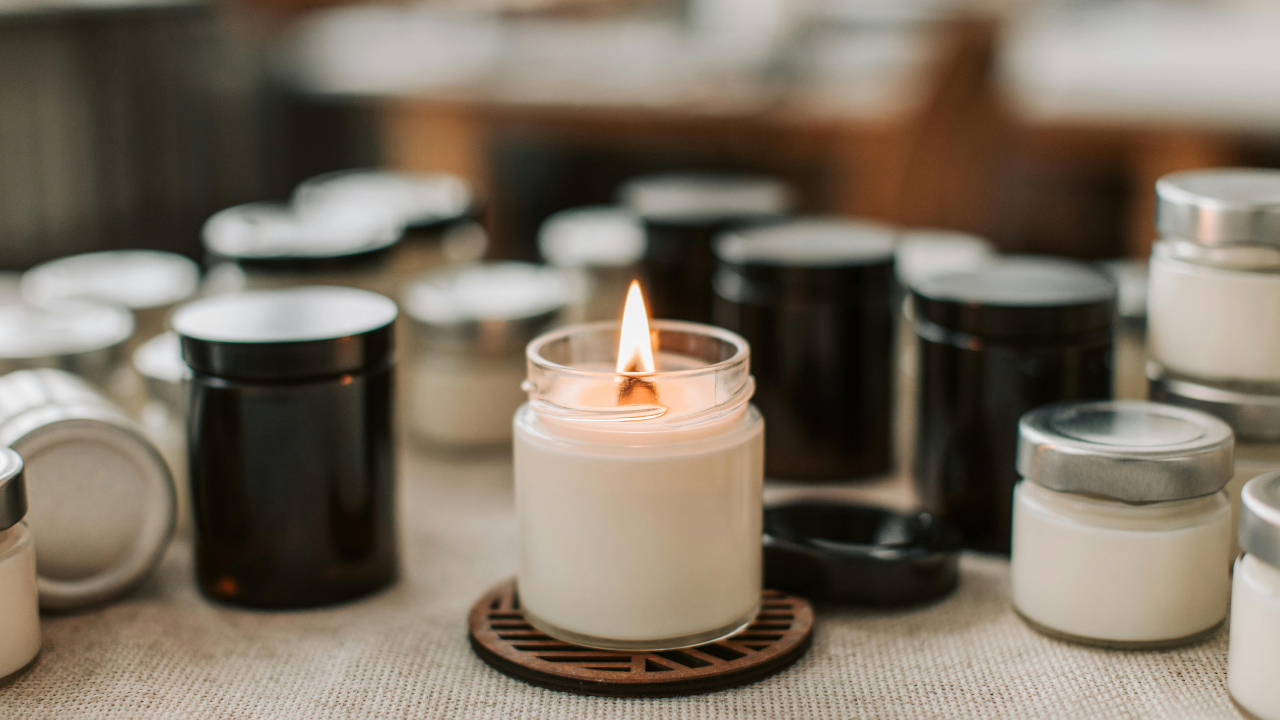
Daytime favors citrus and herbal; evening can lean warm with amber or soft wood. One candle in a room at a time, placed where air moves but not in a draft.
Trim wicks to ¼ inch and burn for 60–90 minutes, then snuff. Short, consistent burns scent better than marathon sessions and avoid that heavy after-smell.
Reset pet and laundry zones without masking
Sprinkle baking soda on rugs and pet beds, let sit 15 minutes, and vacuum. It removes odor instead of layering over it.
Keep a covered hamper and wash small loads more often. A scoop of washing soda in hot towel loads keeps that “gym bag” note from hanging around the laundry room.
Write the plan on one sticky note
Keep it simple: window 10 minutes, counters wipe, entry diffuser low, bath fan on, candle after dinner. A tiny checklist on the fridge turns “nice idea” into habit.
When scent becomes routine—not a project—your house smells quietly clean day after day, which is exactly the feel we’re going for.
Like Fix It Homestead’s content? Be sure to follow us.
- I made Joanna Gaines’s Friendsgiving casserole and here is what I would keep
- Pump Shotguns That Jam the Moment You Actually Need Them
- The First 5 Things Guests Notice About Your Living Room at Christmas
- What Caliber Works Best for Groundhogs, Armadillos, and Other Digging Pests?
- Rifles worth keeping by the back door on any rural property
*This article was developed with AI-powered tools and has been carefully reviewed by our editors.