Seasonal home prep increasingly tied to avoiding multi-thousand-dollar repairs
Seasonal home prep is no longer just about freshening up your space for spring or battening down for winter. It has become one of the most reliable ways to avoid repair bills that can easily climb into the thousands of dollars. By treating your home the way you might treat a car that gets regular oil changes, you give yourself a better chance of catching small problems before they turn into budget-busting emergencies.
That shift is showing up in how insurers, consumer researchers and housing experts talk about maintenance. They urge you to think of routine tasks as a financial strategy, not a chore you squeeze in when you have time. When you build those habits into each season, you can protect your home’s value, your health and your long-term savings at the same time.
Why seasonal prep is turning into a financial safety valve
The basic logic behind seasonal home prep is simple: your house is constantly exposed to weather, moisture and wear, and those forces follow a yearly rhythm. If you align your maintenance with that rhythm, you catch issues early, when they are still cheap and manageable. When you skip those checkups, you let water intrusion, structural deterioration and hidden damage build up until the only solution is a major repair that can wipe out your emergency fund in a single invoice, as recent guidance on late winter upkeep has warned through detailed roof and gutter.
By treating each season as a reminder to look at specific systems, you turn irregular surprises into predictable line items. Winter becomes the time you watch for ice damage and attic leaks, spring becomes your cue to clear gutters and check grading, summer is for cooling systems and exterior caulking, and fall is for heating equipment and drainage. That rhythm lets you plan your spending, schedule contractors when they are less busy and avoid the premium you pay when you call someone in a panic because water is already coming through the ceiling.
The real cost of procrastinating on repairs
Putting off maintenance can feel like a short-term win, especially when your budget is tight, but the data shows how quickly that choice can turn against you. A recent consumer Study reveals delayed that 71% of homeowners admit to postponing repairs, and that habit often pushes them into far more expensive work later. What might have been a minor roof patch can become a full replacement once water has soaked insulation and framing, and a slow plumbing drip can escalate into mold remediation that costs more than the original fixture.
Insurers are sounding the same alarm from a different angle. When Mercury Insurance looked at late winter behavior, the company warned that ignoring routine checks can leave you with higher repair bills than you would have spent on preventive care, especially when small leaks and cracks are allowed to linger through freeze and thaw cycles, a point that was emphasized in guidance shared from LOS ANGELES in Feb by Mercury Insurance on how homeowners in Texas and other states face steep costs when they wait for obvious damage. You pay either way, but you pay far more when you wait until something breaks.
How much you should really budget for upkeep
To turn seasonal prep into a habit, you need a realistic number in your budget instead of guessing each year. One widely cited guideline is the 1 percent rule, which suggests you Put aside 1% of the total purchase price of your home for home maintenance repairs. For example, a $250,000 home would call for about $2,500 a year in routine work, a benchmark that is laid out clearly in advice on $250,000 home costs.
That baseline can be adjusted for your own situation, but it gives you a starting point for turning vague intentions into a specific savings target. Older homes, properties in harsher climates and houses with complex systems like multiple HVAC units often need more than 1 percent, while newer construction in mild regions might get by with slightly less. The key is that you treat this as a nonnegotiable part of your annual plan, the same way you treat retirement contributions or insurance premiums, so you are not scrambling for cash when the furnace fails or a storm exposes a weak spot in your roof.
Late winter: the season that quietly makes or breaks your roof
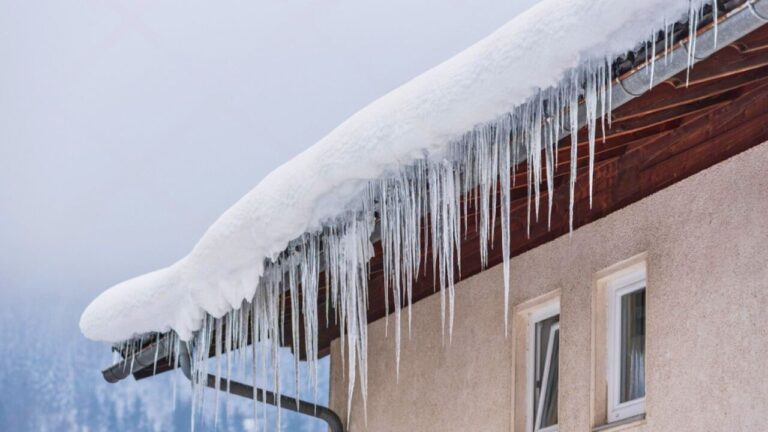
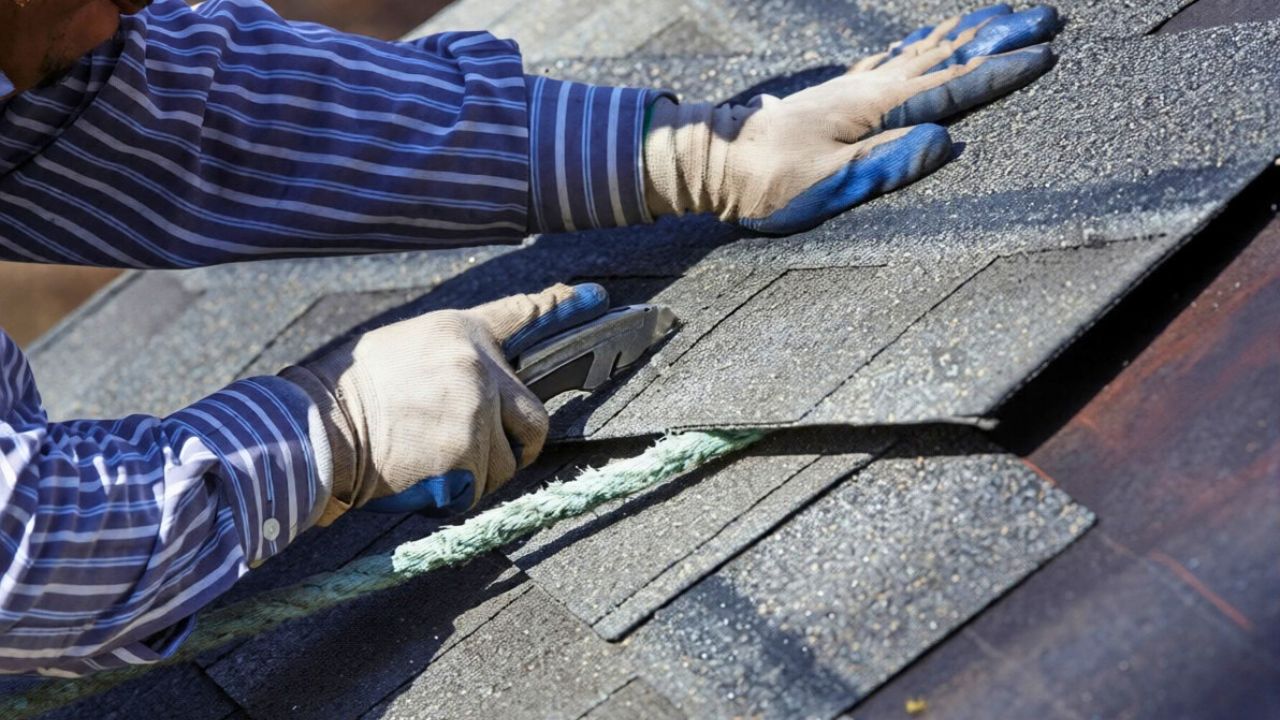
Late winter is when small weaknesses in your home often reveal themselves, especially around the roof, attic and gutters. As snow, ice and heavy rain work through repeated freeze and thaw cycles, minor gaps can widen, and clogged gutters can push water back under shingles or into fascia boards. That is why some insurers urge you to schedule specific Roof, attic and before spring storms arrive, so you can catch soft spots, missing shingles and blocked downspouts while repairs are still straightforward.
The same logic applies to your HVAC system as it transitions from heating to cooling. A late winter service visit gives a technician a chance to look for strain on components that have been working hard, clean filters and coils, and confirm that your air conditioning is ready for warmer weather, a step that is highlighted in recommendations that pair roof work with a focused HVAC system check. If you wait until the first heat wave to book that appointment, you risk a breakdown at the worst possible time and a higher bill for emergency service when contractors are already booked solid.
Gutters, grading and the underrated war against water
Water is one of the most expensive forces you will ever fight as a homeowner, and your gutters and grading are the front line. When gutters clog with leaves, bird nests and debris, they stop directing water away from your house and instead let it spill over siding, soak the foundation and infiltrate basements or crawl spaces. That is why experts urge you to Clean out gutters at least once a year, and in some climates two or even three times, so that heavy rain has a clear path off your roof and away from your walls, a practice that is spelled out in seasonal advice on how to Clean out gutters with basic tools and gloves.
Ground grading is just as important, even though you may think about it less often. Soil that slopes toward your foundation instead of away from it invites pooling and seepage every time it rains, and over time that moisture can crack concrete, rust metal components and create a damp environment that attracts pests. A simple weekend project to add soil near the house and create a gentle slope can save you from having to install interior drainage or repair foundation damage, costs that easily reach into five figures when you let water win that slow, quiet war.
Health, safety and the hidden stakes of “just a little” neglect
Seasonal prep is not only about protecting your wallet, it is also about protecting your health. When you let leaks, drafts and ventilation problems linger, you create conditions that can aggravate asthma, allergies and other respiratory issues, especially for children and older adults. Housing advocates stress that Maintaining the homes that we have is really essential to protecting our health and our well-being, a point that Amanda Reddy, who works with groups focused on reducing housing related health disparities, has made in guidance on why home maintenance deserves a place in your yearly planning, as detailed in reporting that highlights how Maintaining the existing housing stock is a public health issue.
That perspective reframes tasks like fixing a small roof leak or sealing a drafty window. You are not just avoiding a stain on the ceiling or a chilly room, you are preventing mold growth, limiting excess humidity and keeping indoor air quality more stable. When you build those checks into your seasonal routine, you give yourself a better chance of spotting health hazards early, before they require costly medical visits or major remediation work that goes far beyond a simple repair.
Why low-cost tasks keep turning into big-ticket emergencies
Many homeowners neglect basic preventative maintenance and wait until minor issues become expensive emergencies, according to property managers and contractors who see the same pattern play out year after year. A loose handrail, a slightly wobbly step or a small patch of peeling paint can all seem too minor to prioritize, yet those small problems often signal deeper wear that, if ignored, leads to rot, structural damage or injury, a pattern described in detail in guidance that notes how Many homeowners neglect the cheapest fixes until they no longer have that option.
Social media advice is starting to push back on that habit by tying small seasonal tasks directly to future savings. One mortgage professional, for example, reminds clients that Taking care of small fixes in February can save you from bigger, costlier repairs in the spring, a message shared in a post that links February chores with long term FinancialFreedom and first time buyer stability, as seen in the reminder that Taking care of those items is part of smart homeownership. When you reframe tightening a loose faucet or re caulking a tub as a way to avoid a full bathroom renovation, it becomes easier to carve out the time.
How seasonal prep protects long-term value, not just this year’s budget
When you keep up with seasonal tasks, you are not only avoiding this year’s surprise expenses, you are also protecting the long term value of your biggest asset. Real estate professionals point out that what many people think of as maintenance actually includes addressing water and gas leaks, pest infestations, cracks and other major repairs, and that these issues are often made worse by environmental stressors when they are left alone, a connection that is made explicit in guidance on how What many people of as optional upkeep is actually a form of asset protection.
That perspective matters if you plan to sell or refinance at any point. Appraisers and buyers look closely at signs of deferred maintenance, from worn roofs to cracked driveways and dated mechanical systems. A house that has been cared for season by season tends to command a higher price, move faster and attract buyers who are willing to pay a premium for peace of mind. By contrast, a home that shows years of neglect invites lower offers and inspection demands that can force you to make expensive repairs on a tight timeline, precisely when you have the least leverage.
Turning advice into an actual seasonal checklist
To move from theory to practice, you need a simple checklist that fits your home and your schedule. Video guides such as Fix It Before It Breaks walk through practical examples, from using a hose attachment to spray out gutters for springtime or fall, to checking exterior caulking and testing GFCI outlets, and one clip in Feb even shows how a basic ladder and some patience can handle most gutter cleaning without fancy gear, as you can see in a step by step segment on Fix It Before that focuses on seasonal prep.
You can pair that kind of how to content with a simple calendar reminder on your phone. Block off one weekend day each quarter and assign a short list to each season: winter for roof and attic checks, spring for gutters and grading, summer for windows and cooling systems, fall for heating equipment and exterior sealing. If you own rentals, property management guidance stresses that Conduct Preventative Repairs Reactive maintenance is always more costly than planned maintenance, and that Seasonal checkups protect cash flow by keeping small issues from becoming larger problems that require major spending, a point made clearly in advice on how to Conduct Preventative Repairs for profitable rentals.
Adapting seasonal prep to different homes and climates
Like Fix It Homestead’s content? Be sure to follow us.
Here’s more from us:
- I made Joanna Gaines’s Friendsgiving casserole and here is what I would keep
- Pump Shotguns That Jam the Moment You Actually Need Them
- The First 5 Things Guests Notice About Your Living Room at Christmas
- What Caliber Works Best for Groundhogs, Armadillos, and Other Digging Pests?
- Rifles worth keeping by the back door on any rural property
*This article was developed with AI-powered tools and has been carefully reviewed by our editors.