Tenant Finds Mold in a Closet After Repeated Maintenance Requests — Then Wonders If Withholding Rent Is Even Legal
Photo credit: Fix It Homestead
A leak in a rental can feel like a small maintenance issue at first. You report it, wait for someone to come by, and assume the landlord or property manager will handle it before things get worse. But when water keeps coming in and mold starts showing up in a closet, the whole situation changes.
That is what one renter described after dealing with a persistent leak and mold problem that still had not been fully resolved. They shared the situation in a Reddit post on r/legaladvice, asking whether they could legally withhold rent if the leak and mold issues continued. The original Reddit post is here: https://www.reddit.com/r/legaladvice/comments/dvs43k/can_i_withhold_rent_from_landlord_if_a_leak_and/
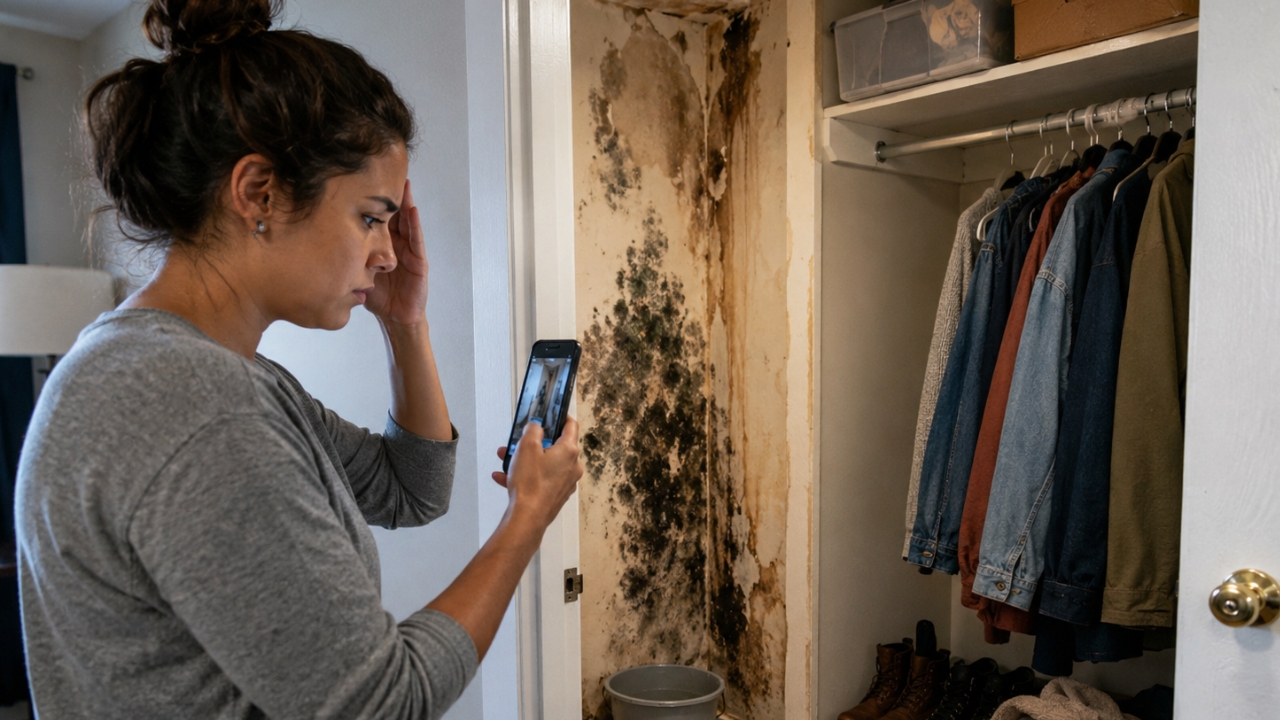
According to the tenant, the problem involved water getting into the rental and creating mold inside a closet. That is the kind of damage that can be easy for a landlord to underestimate because it may not be sitting in the middle of the living room. A closet can hide damp walls, damaged flooring, ruined belongings, and that musty smell that tells you moisture has been there longer than it should have.
The tenant had already tried to get the landlord to address the problem. That is usually the first step renters are told to take: notify the landlord, submit the request, give them a chance to fix it. But when the same issue keeps dragging on, tenants start wondering what leverage they actually have.
That is where the rent question came in. The tenant wanted to know if withholding rent was allowed when a landlord was not fixing a leak and mold problem. It is an understandable thought. Rent is the biggest piece of leverage most tenants have, and when the home is not being maintained, it feels unfair to keep paying full price while living with damage the landlord refuses to fix.
But withholding rent is one of those things that can go wrong fast if a tenant handles it the wrong way. The law varies by state and city, and some places require very specific steps before a tenant can withhold rent, repair and deduct, terminate a lease, or put rent into escrow. Simply deciding not to pay can give the landlord an opening to claim nonpayment, even if the underlying repair issue is real.
That is why the situation was so stressful. The tenant was not only dealing with mold and moisture. They were trying to avoid making a legal mistake while living in a rental that still needed repair.
The mold itself made the issue more serious. Visible mold inside a closet can point to a leak that has not been stopped, poor ventilation, damp materials, or hidden damage behind the wall. If water is still entering the space, cleaning the surface will not solve the problem. The source has to be fixed, and wet materials may need to be dried, removed, or replaced depending on how bad the damage is.
There is also the belongings issue. Closets are where people store clothing, shoes, luggage, linens, documents, and keepsakes. If mold spreads into stored items, the tenant can lose things that are difficult or expensive to replace. That adds another layer to the dispute because the landlord may see a “closet problem,” while the tenant is dealing with ruined personal property and an apartment that no longer feels safe or clean.
The tenant’s best protection was documentation. A renter dealing with mold and leaks should save every maintenance request, take clear photos, note dates, and send follow-up messages in writing. If the landlord says they will fix it, that promise should be followed by an email or text confirming what was said. If maintenance comes and only wipes the wall without stopping the leak, that should be documented too.
The other important piece is giving formal notice. A casual complaint may not be enough if the situation later turns into a legal fight. Depending on where the tenant lives, they may need to send written notice by a specific method and allow the landlord a reasonable amount of time to make repairs. If the landlord still does nothing, then the tenant may have stronger options.
The hard part is that none of this helps the tenant feel better while the mold is still sitting there. Legal steps take time. Maintenance delays take time. Meanwhile, the tenant still has to live in the space, avoid the affected closet, protect belongings, and worry about whether the problem is spreading behind the walls.
For renters, this kind of story is a reminder that mold and leaks should never be handled casually. The sooner the tenant creates a written record, the better. And before withholding rent, it is worth checking local law, contacting a tenant rights group, or asking a housing attorney what the proper process looks like. The problem may be the landlord’s responsibility, but the tenant still needs to protect themselves from giving the landlord an easy nonpayment argument.
Commenters warned the tenant not to simply stop paying rent without understanding the law in their area. Several said rent withholding can be legal in some situations, but only if the tenant follows the correct process. If they skip those steps, the landlord may treat it as unpaid rent and move toward eviction.
A number of users told the tenant to put all repair requests in writing and keep copies. Photos, emails, maintenance tickets, and dates were all important because the tenant needed proof that the landlord had notice of the leak and mold.
Others suggested contacting local code enforcement, a tenant union, legal aid, or a housing authority if the landlord continued ignoring the issue. Some said a formal inspection can sometimes push a landlord to fix problems that ordinary maintenance requests have not resolved.
The clearest advice was to document the leak and mold carefully, send formal written notice, learn the local rules before withholding rent, and avoid turning a valid repair complaint into a nonpayment problem by acting too quickly.