The $200 spring repair that can prevent a $4,000 headache
You probably think of your garage door as a simple appliance, but it is one of the heaviest moving systems in your home and it depends on a few hidden parts to work safely. When those parts fail, you are not just stuck in the driveway, you are staring at a repair bill that can rival a used car. By spending roughly $200 on a planned spring repair, you can often avoid a cascading failure that damages the door, the opener and even your car, which can easily push the total toward $4,000.
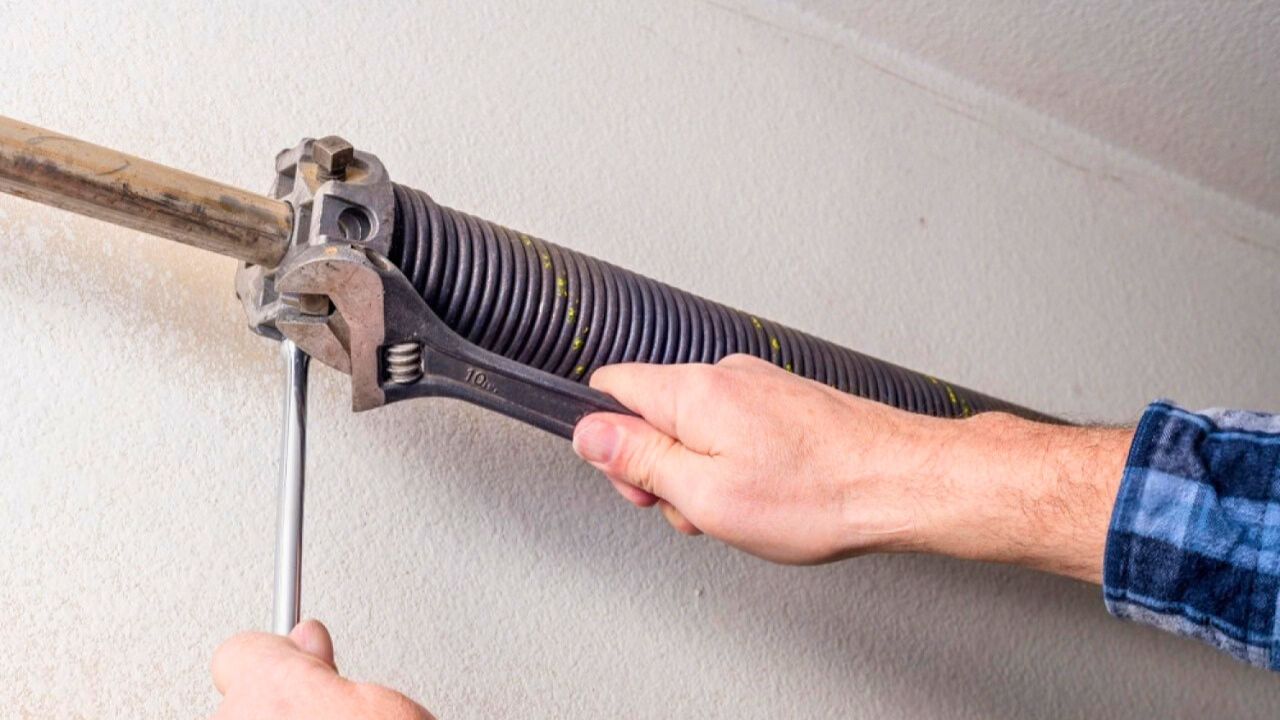
The small, tightly wound coils above or beside your door carry almost all of that weight every time you leave for work or bring the kids home from school. If you treat those springs as a wear item instead of an afterthought, you turn them into a predictable, budget-friendly expense instead of a sudden emergency that arrives with a loud bang and a broken door.
Why your garage door springs are the real MVPs of the system
Your garage door might weigh as much as a refrigerator, yet you lift it with one hand or a compact opener motor. You can do that because the springs store and release energy every time the door moves, so the opener only has to handle a fraction of the true weight. Both the torsion springs mounted above the door and the extension springs that run along the tracks are designed to keep the door balanced and to prevent it from slamming down if something goes wrong, which is why Both types are treated as safety components, not optional extras.
Each time you open the door, those coils unwind and transfer stored energy into lifting force, and when you close it, they wind back up and store that energy again. If one side of the system fails, the entire door suddenly becomes lopsided and unpredictable, which is why you are told to check your springs for rust, gaps in the coils or stretched cables long before they snap. A healthy spring setup does more than move the door; it protects the track hardware, the panels and the opener from forces they were never meant to handle.
The real price of a “cheap” spring: what the numbers say
Look only at the immediate invoice and a spring repair can feel like an annoying add-on you want to put off. Typical pricing for the Cost To Replace Garage Door Spring And Cable runs from $200 to $500 for a standard residential Garage door, which already sounds like a significant chunk of your home maintenance budget. That range usually covers new springs, fresh cables and professional labor, so you are not just buying a part, you are paying for a full reset of the lifting system that carries your door every day, as outlined in the detailed Cost To Replace breakdown.
Other cost surveys put your likely bill in the same ballpark, with one guide explaining that Replacing springs usually falls into a midrange budget and that New components are sized to your door so they can carry the proper load. You also see that New springs are rated for between 10,000 and 20,000 open and close cycles, which means you are buying years of predictable performance instead of rolling the dice on a worn coil that can fail at any moment, as shown in the cycle life data for Replacing and New hardware.
How a $200 repair becomes a $4,000 disaster
Ignore a tired spring and you are not just squeezing a few more months out of a part, you are shifting stress onto every other piece of the system. A door that has to depend on one of two springs to open and close is ripe for failure, and every hinge, roller and bracket starts carrying forces it was never designed to handle once the balance is off. That extra strain often shows up first as a jerky motion or a door that will not stay in place, and if you keep hitting the remote anyway, you invite a sudden drop or a twisted track that can crush panels and damage anything in the path.
When the failure happens at full weight, you are no longer talking about a few hundred dollars. A collapsed door can crack multiple sections, bend steel tracks and burn out the opener motor in a single event, and that combination quickly adds up to several thousand dollars in parts and labor. If the door falls on a vehicle or blocks it inside the Garage, you also face bodywork, rental car costs and potential insurance deductibles, which is how a skipped $200 service turns into a $4,000 headache before you have even replaced the opener or upgraded the hardware.
What you should actually expect to pay for a spring job
If you want a realistic budget number instead of a vague estimate, you can look at recent national cost data that tracks what homeowners are spending. One breakdown explains that the Average Garage Door Spring Replacement Cost lands around $250, and that According to the cited Forbes Home analysis, that figure reflects a typical range once you factor in parts and standard labor for a residential door. The same guide notes that you usually replace both springs at once so the system stays balanced, which keeps you from paying for a second service call when the older spring inevitably fails, as outlined in the Average Garage Door section.
A second detailed price breakdown repeats that Jan cost snapshot and again highlights that What you pay depends on door size, spring type and some other factors, too, but it still centers the typical spring replacement around that same $250 figure for most homes. That analysis also spells out that the cost breakdown encourages you to change two springs at a time, because the labor to access the hardware is the same and you avoid mismatched wear that can shorten the life of the new spring, a point reinforced in the section that explains why you often replace two springs together.
Why repair beats replacement for your wallet
When a technician recommends new springs, it can be tempting to ask whether you should just replace the entire door and be done with it. Financially, that rarely makes sense, because you are comparing a service in the $200 to $500 range with a full system replacement that can easily run into the thousands once you add new panels, tracks and an opener. One detailed analysis of spring repair costs explicitly frames the decision as Is Garage Door Spring Repair Worth the Cost and concludes that Spring repair is almost always worth the cost compared to replacing the entire garage door system, because a properly executed repair can extend the life of your existing hardware by many years.
The logic is simple. Springs and cables are wear parts, while your panels and tracks are structural, so you treat them like you would brake pads on a car instead of replacing the whole vehicle. By investing in timely spring work, you preserve the rest of the system and keep your total ownership costs far below what you would face if you waited for a catastrophic failure that forces a full replacement. You also avoid the indirect costs that come with a nonfunctional door, from disrupted work schedules to temporary storage or parking fees if your Garage is out of service for an extended period.
The safety risks you take when you wait too long
Money is only part of the story when you decide whether to schedule that spring visit. A failed spring can create immediate hazards, especially if it breaks while the door is moving or if you try to operate the opener afterward. One service advisory labels its guidance as a Safety Warning and stresses that a Broken Spring is a Serious Risk It can cause the door to slam down unexpectedly. However, the same warning points out that springs often fail when the door is closed, which can give you a false sense of security until you hit the remote and the opener tries to lift a dead weight.
Garage door springs do not require extensive care and maintenance, which is why many homeowners forget about them altogether. They also cannot be left entirely to their own devices, because corrosion, dirt and simple fatigue all eat away at the metal over time. If you ignore the early signs and keep operating the door, you increase your odds of personal injury when a cable snaps or a panel buckles, and you also risk damage to anything under the door, from a 2018 Honda CR-V to the family bikes stacked near the threshold, as highlighted in homeowner guides that answer basic questions such as Is My Garage Door Spring Broken and explain how to spot trouble before it escalates.
Why a pro beats a DIY fix for springs and openers
Even if you are handy with tools, garage door springs are one place where you should think twice before attempting a fix on your own. The coils are under significant tension, and a slip of the winding bar or a misjudged clamp can release that energy into your hand, your face or the windshield of the car parked below. Professional technicians use specialized bars, calibrated measurements and safety protocols to control that stored force, and they also know how to match the spring size and wire gauge to your specific door so you do not end up with an underpowered or over-stressed setup that fails early.
Cost comparisons for related work show the same pattern. The cost to install a new opener, for example, typically ranges from $220 to $550 including labor for a standard unit, which is not far from what you might spend cobbling together parts and tools on your own once you factor in your time and the risk of mistakes, according to one Apr cost guide. When you add the spring work itself, a full garage door spring replacement is described as a restoration that brings your whole system back to factory fresh condition, which is not something you can guarantee with a trial-and-error approach based on generic parts from a big box store.
How regular checks keep you ahead of expensive failures
You do not need to become a garage door technician to catch early warning signs, but you do need a simple routine. Start by watching the door move from inside the Garage with the opener disengaged so you can lift it by hand. If it feels unusually heavy, drifts down on its own or hangs crooked in the opening, you are seeing symptoms of a spring or cable issue that deserves a professional inspection. You should also listen for new grinding or popping sounds and look for visible gaps in the coils, rust streaks or frayed cables near the bottom brackets.
Many service checklists recommend that you schedule a tune up at least once a year, especially if your door is the primary entry point for your home. During that visit, a technician can lubricate moving parts, verify spring tension and confirm that the safety sensors and auto reverse functions are working correctly. Some homeowners pair that visit with other preventive work, such as checking for minor foundation cracks that can cost $200 to repair before they grow into structural issues that reach $7,000 or more, as highlighted in one Aug list of costly home repairs. Treating your garage door springs with the same preventive mindset keeps them from joining that list.
Turning a small planned expense into long term peace of mind
When you look at your garage door through a long term lens, the numbers start to favor prevention very quickly. A spring rated for 10,000 to 20,000 cycles can easily handle several open and close operations per day for years, so a $250 service spread over that lifespan works out to only a few dollars per month for reliable access to your home. That is a small price to pay compared with the financial shock of a full door replacement, emergency labor rates and potential vehicle damage when a neglected system fails without warning.
Like Fix It Homestead’s content? Be sure to follow us.
Here’s more from us:
- I made Joanna Gaines’s Friendsgiving casserole and here is what I would keep
- Pump Shotguns That Jam the Moment You Actually Need Them
- The First 5 Things Guests Notice About Your Living Room at Christmas
- What Caliber Works Best for Groundhogs, Armadillos, and Other Digging Pests?
- Rifles worth keeping by the back door on any rural property
*This article was developed with AI-powered tools and has been carefully reviewed by our editors.