The backyard water pooling cause that’s usually fixable
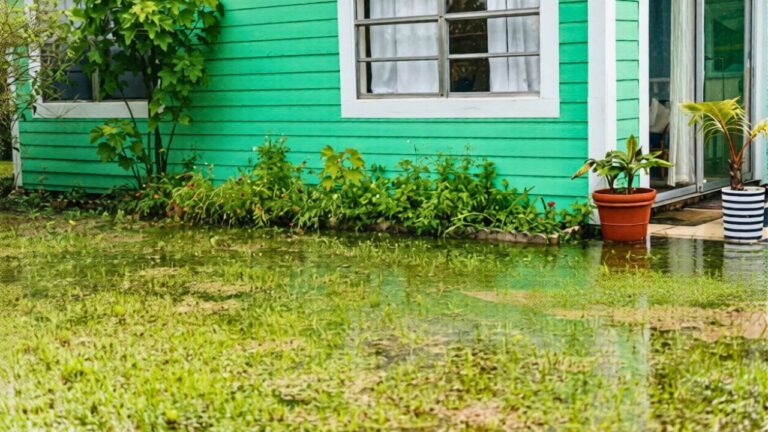
Backyard puddles are more than a cosmetic annoyance; they quietly damage turf, invite mosquitoes, and can even push water toward your foundation. The encouraging part is that one underlying issue is responsible for a surprising share of those stubborn pools, and it is usually within your power to correct. By understanding how water is supposed to move across your property, you can often turn a soggy problem area into a lawn that drains cleanly after every storm.
The key is to treat those puddles as a symptom, not the whole problem. When you look closely at the slope of your yard, the type of soil under your grass, and the way runoff is routed, you can often pinpoint a single fixable cause instead of chasing scattered quick fixes. From there, a mix of simple grading tweaks, soil improvements, and targeted drainage can restore your backyard to solid ground.
The surprisingly common culprit behind backyard puddles
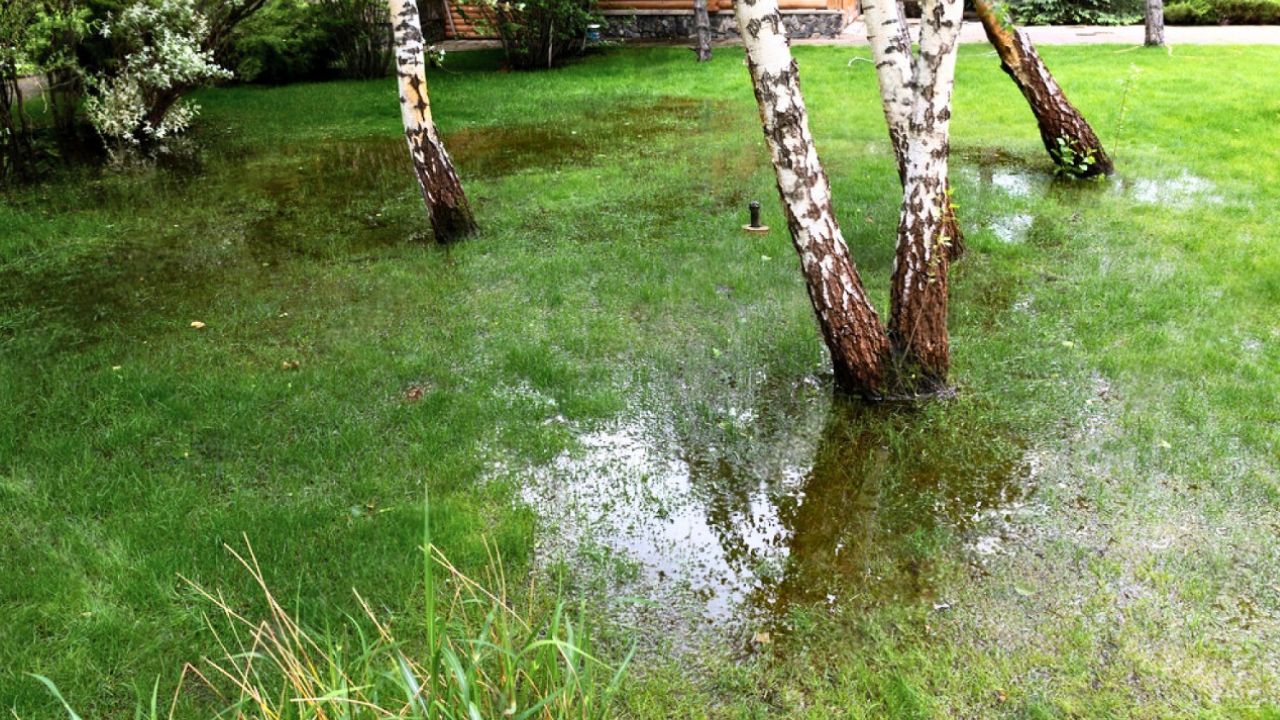
Most homeowners assume standing water means they need an expensive French drain or a full yard overhaul, but in many cases the real issue is much simpler: the ground is not sloped to let water escape. When your lawn is too flat or subtly tilted toward the house or a fence line, rainfall has nowhere to go and collects in shallow basins. That poor grading is often left behind by rushed construction or piecemeal landscaping, so you inherit a yard that looks fine on a sunny day but behaves like a shallow pond after a storm.
Specialists who diagnose water pooling problems repeatedly trace them back to this same pattern of misdirected runoff. One drainage firm notes that in the United States, many yards that struggle with soggy turf share a combination of compacted soil and surface depressions that trap water instead of letting it percolate or flow away, a pattern they describe when discussing water pooling across different regions. When you correct that surface shape so water can follow a gentle downhill path, you often resolve the worst of the puddling without touching the deeper soil profile or installing elaborate hardware.
How poor grading quietly sabotages your yard
Grading problems are easy to miss because they rarely look dramatic. A lawn can appear level to the naked eye while still tilting just enough in the wrong direction to hold water in a low pocket. Over time, that pocket becomes a chronic wet spot, killing grass roots, encouraging weeds that thrive in saturated soil, and leaving you with mud long after the rest of the yard has dried. If that subtle slope points toward your house, the same trapped water can also creep toward your foundation and seep into basements or crawl spaces.
Drainage professionals describe how even a small deviation from a proper downhill slope can disrupt runoff and create persistent pooling. One service that breaks down the poor grading behind many soggy yards explains that when the surface is too flat or angled the wrong way, water simply stalls instead of moving off the property. That stalled water then magnifies other weaknesses, such as compacted soil or clogged drains, turning what could have been a minor nuisance into a recurring maintenance headache.
Why low spots and depressions are usually fixable
Once you recognize that your yard’s shape is the problem, the good news is that many low spots can be corrected with basic earthwork rather than a full redesign. Depressions often form where soil has settled after construction, where tree roots have decayed, or where heavy foot traffic has compacted the ground. These areas collect runoff from the surrounding lawn, so even a shallow dip can become a small pond after every rain. Because the issue is localized, you can often target that one area instead of tearing up the entire yard.
Contractors who handle residential drainage note that water pooling is often tied to a single particularly low spot. Their recommended fix is straightforward: add quality topsoil to raise the depression, feather it into the surrounding grade, and compact it lightly so it sheds water instead of receiving it. In some cases, they also suggest creating a shallow swale, a gentle trough that guides runoff away from the house and toward a safe discharge area, which can be done with hand tools on smaller properties.
Soil type, compaction, and the role of Aerate Your Lawn
Even with decent grading, your soil itself can slow drainage to a crawl. Heavy clay subsoils hold water like a sponge, while years of foot traffic, mowers, and construction equipment press soil particles so tightly together that water cannot move through. When that happens, puddles linger on the surface because the ground simply cannot absorb the rainfall quickly enough. You see this most clearly in high-traffic zones, such as the path from your back door to a shed or the area where children play.
Soil experts point out that some subsoils, particularly clay, resist infiltration and keep yards wetter than looser materials, a difference they highlight when ranking the worst and best layers beneath your turf. One of the simplest responses is to follow the “Aerate Your Lawn” approach, which involves punching small holes through the compacted surface so air and water can reach deeper layers. Guidance on how to aerate emphasizes that this relatively quick step can dramatically speed up percolation, especially when combined with topdressing using compost or sand to gradually improve the soil structure.
When the problem is not the soil at all: hidden drainage failures
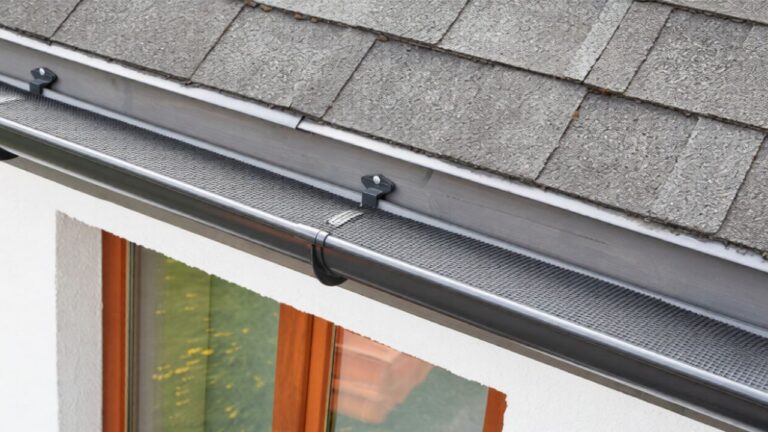
Sometimes your grading and soil are acceptable, yet water still appears in suspiciously regular puddles. In those cases, the culprit may be a failed or clogged drain line that was installed to carry water away from downspouts, patios, or low corners of the yard. When these buried pipes fill with sediment, leaves, or even small tree roots, they stop moving water and instead leak it back into the surrounding soil, creating a saturated patch that never quite dries.
Plumbing professionals warn that puddles in the backyard are generally a sign of a clogged yard drain, often packed with debris such as sticks and leaves. They note that this kind of blockage is usually fixable with relative ease once you locate the cleanout or outlet and clear the obstruction. If you have a history of previous drainage work on your property, or you can spot grates and pop-up emitters at the surface, it is worth investigating those systems before assuming you need to regrade the entire yard.
Landscape Drainage Solutions that build on a simple regrade
Once you have addressed obvious low spots and cleared any clogged lines, you can refine how water moves across your property with a few targeted additions. The most effective solutions tend to build on that initial regrade rather than replace it. For example, you might use a shallow swale to collect runoff from a broad area and then feed it into a gravel-filled trench that disperses water more slowly into the soil. In other cases, you can redirect downspouts into underground piping that carries roof runoff directly to a safe discharge point.
Companies that specialize in Landscape Drainage Solutions describe a toolkit that includes French drains, catch basins, and surface recontouring, all designed to work with gravity instead of fighting it. They emphasize that the first step is always to understand where water naturally wants to go, then adjust the grade and add structures that help it get there without eroding soil or flooding planting beds. By layering these elements on top of a corrected slope, you create a resilient system that can handle both everyday showers and heavier downpours.
Protecting your foundation with a smarter yard slope
Fixing backyard puddles is not just about aesthetics; it is also a frontline defense for your home’s structure. When water consistently pools near your foundation, it increases hydrostatic pressure on basement walls and can exploit even small cracks or gaps. Over time, that moisture can lead to efflorescence, peeling paint, musty odors, and in severe cases, structural damage. Adjusting the grade so water flows away from the house is one of the most cost effective ways to reduce that risk.
Basement waterproofing specialists define “Regrade” as the act of raising or lowering the surface of a yard to direct water away from a house’s foundation, a step they highlight when explaining what you need to know about waterproofing below grade spaces. They stress that even a modest slope, maintained for several feet around the perimeter, can dramatically cut down on the volume of water that ever reaches your foundation walls. When you combine that perimeter regrade with extended downspouts and well placed drains, you not only dry out your lawn but also give your basement a much better chance of staying dry.
Recognizing Lawn puddles before they become bigger problems
It is easy to dismiss a small puddle as a temporary quirk, especially in spring when snowmelt and rain arrive together. Yet those early signs often foreshadow more serious issues if you ignore them. Repeated saturation weakens turf roots, encourages shallow rooting, and leaves bare spots that erode under heavy rain. As soil washes away from these areas, the depressions deepen, which means each storm leaves a little more water behind than the last.
Guides that focus on Lawn puddles describe them as shallow pools that form when it rains or when snow melts, warning that they can lead to flooding, soil erosion, and damage to nearby structures if left unaddressed. By paying attention to where these shallow pools appear first and how long they linger, you can map the weak points in your yard’s drainage and prioritize which spots to regrade, aerate, or drain before they evolve into larger, more expensive failures.
Putting it all together: a practical checklist for a drier yard
When you step back, the pattern behind most backyard water problems is consistent. A subtle grading mistake creates a low spot, compacted or clay heavy soil slows infiltration, and any existing drains struggle under the extra load. The result is a patch of lawn that never quite dries. The encouraging part is that each of those pieces is usually within reach for a homeowner who is willing to observe carefully and tackle the work in stages.
A practical sequence looks like this: first, walk your yard after a storm and mark every puddle, then use a long level or a simple string line to confirm where the slope fails. Next, add topsoil to obvious depressions and smooth them into a gentle fall away from the house, following the same logic drainage experts use when they diagnose causes of pooling across different properties. After that, aerate compacted zones, especially along footpaths, and consider amending heavy clay with organic matter over time. Finally, inspect and clear any yard drains or downspout extensions so they can carry water off site. By working through that checklist, you address the usually fixable root cause, not just the surface symptoms, and give your backyard a far better chance of staying firm underfoot.
Like Fix It Homestead’s content? Be sure to follow us.
Here’s more from us:
- I made Joanna Gaines’s Friendsgiving casserole and here is what I would keep
- Pump Shotguns That Jam the Moment You Actually Need Them
- The First 5 Things Guests Notice About Your Living Room at Christmas
- What Caliber Works Best for Groundhogs, Armadillos, and Other Digging Pests?
- Rifles worth keeping by the back door on any rural property
*This article was developed with AI-powered tools and has been carefully reviewed by our editors.