The biggest mistake people make when building on raw land
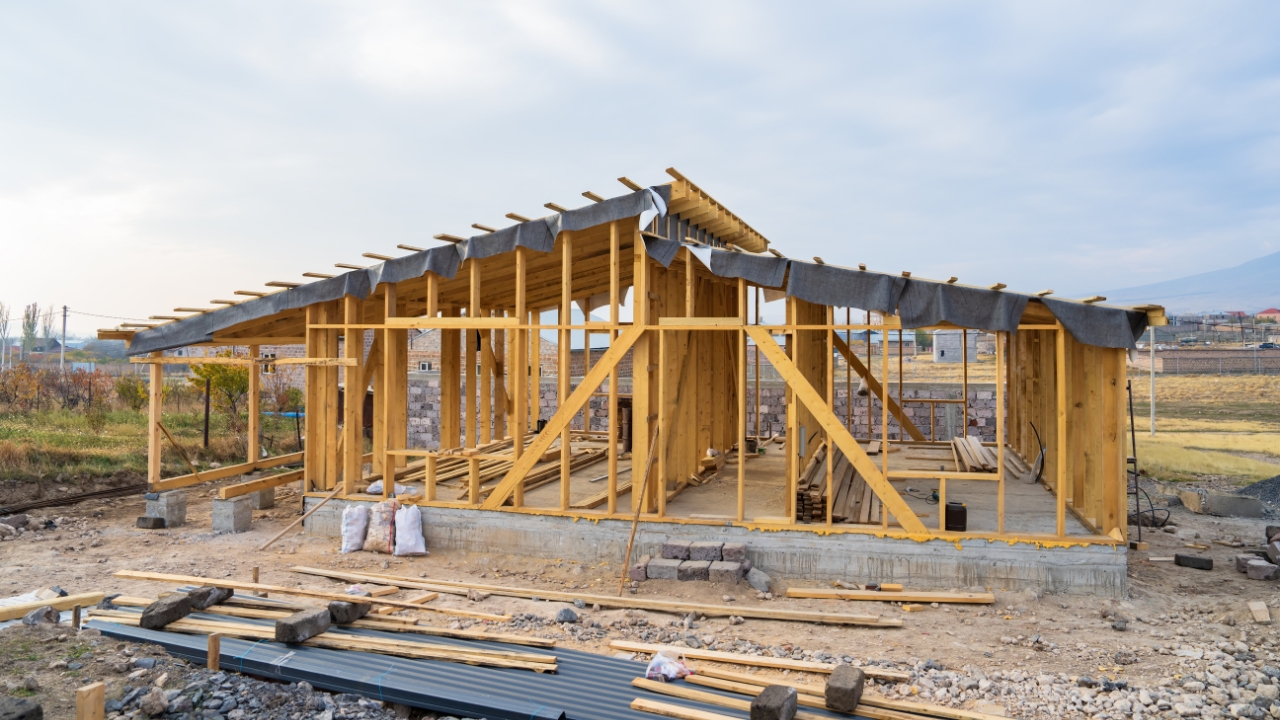
Building on raw land sounds like freedom—wide open space, your own layout, and no previous owner’s mistakes to fix. But that blank slate also comes with a lot of hidden decisions that can cost you thousands if you don’t plan ahead.
The biggest mistake people make is choosing their build site before they understand the land itself.
The lay of the land determines everything
Too many people pick the “prettiest spot” for their house—a high hill with a nice view, a shaded grove, or a flat area near the road—before looking at drainage, soil, and accessibility. But the land’s natural layout decides where you should build, not where you want to.
If you ignore how water flows, where the wind hits, or how the soil settles, you could end up fighting erosion, flooding, or foundation issues for years. Spend time studying your property after heavy rain and windy days. See where puddles form and where water drains. The right site should stay dry, stable, and easily accessible year-round.
Poor driveway placement costs more than you think
Driveways on raw land are often an afterthought, but they’re one of the biggest expenses to fix later. A short, well-planned driveway saves money and stress; a long, winding one through soft ground or steep terrain can easily add thousands to your budget.
Before breaking ground, think about how your driveway will handle rain, heavy equipment, and everyday traffic. Gravel driveways on slopes need drainage ditches or culverts to stay intact. Don’t assume the “path that looks good” will hold up—build it where it’s practical, not where it’s picturesque.
Ignoring utilities turns small problems into big ones
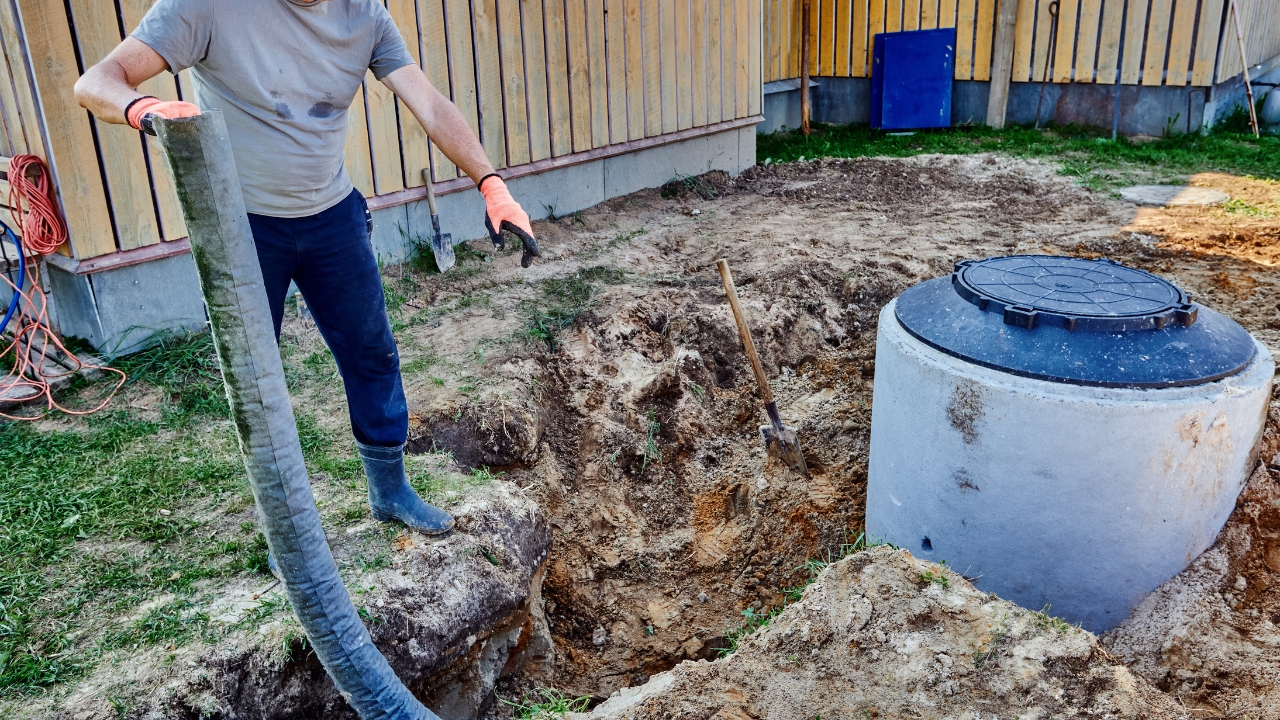
A house can’t function without water, power, and waste management. Too many people start clearing land before they’ve figured out where utilities will go—or what they’ll cost to install. Running power lines across long distances or drilling a well in the wrong spot can drain your budget fast.
If you’re going off-grid, you’ll still need a plan for solar placement, water collection, and septic or composting systems. Each of those depends on the land’s slope, soil, and sunlight. Figuring this out before construction starts can save you from redoing major systems later.
Soil type affects more than your foundation
Soil isn’t all the same. Clay-heavy soil expands and contracts, which can crack slabs and shift posts over time. Sandy soil drains well but may require deeper footings. A soil test before building gives you crucial information about what your foundation needs and how much prep work will cost.
If you skip this step, you risk structural issues that won’t show up until years later. For less than $200, you can get a full report from your county or an engineer—and it’ll likely save you thousands in the long run.
Drainage is the silent dealbreaker
You can’t fight gravity. Water will always go where it wants, and if that’s toward your house, you’ll have problems. Too many people overlook how the natural slope of their land moves rainwater. Even a slight incline can send runoff straight into your foundation or septic area.
Before you clear or build, take note of how the property behaves after a storm. If water sits for days or runs directly through your chosen build site, that’s a red flag. Fixing drainage after the fact is one of the most expensive mistakes rural builders make.
Access for heavy equipment matters more than views
It’s tempting to tuck your home far back into the property, surrounded by trees or sitting on a hilltop—but think about how you’ll get materials, septic trucks, or emergency vehicles in and out.
Contractors need room for delivery trucks and heavy equipment. If your access road is too narrow or steep, they’ll charge extra to get materials on-site. Keep your view in mind, but don’t sacrifice function for it.
Don’t underestimate clearing and grading costs

Clearing land always looks cheaper than it is. What starts as “a few trees and some brush” can quickly turn into thousands in equipment hours, debris hauling, and soil stabilization. And if you clear too much too fast, you risk creating erosion problems that will haunt you later.
Mark exactly where you’ll build and clear only what’s necessary. Leave natural vegetation in place wherever possible—it helps with drainage, privacy, and erosion control.
Every step builds on the last
The biggest mistake isn’t picking the wrong spot—it’s skipping the groundwork that helps you know which spot is right. Every decision you make on raw land ties back to something else: driveway to slope, septic to soil, house site to drainage.
If you take the time to understand your land before bringing in the excavator, you’ll save yourself endless headaches later. The prettiest view in the world doesn’t mean much if you can’t reach it after a rainstorm.
Like Fix It Homestead’s content? Be sure to follow us.
- I made Joanna Gaines’s Friendsgiving casserole and here is what I would keep
- Pump Shotguns That Jam the Moment You Actually Need Them
- The First 5 Things Guests Notice About Your Living Room at Christmas
- What Caliber Works Best for Groundhogs, Armadillos, and Other Digging Pests?
- Rifles worth keeping by the back door on any rural property
*This article was developed with AI-powered tools and has been carefully reviewed by our editors.