8 Things You Should Never Store in a Cold Shed
Photo credit: Sina Ettmer Photography/Shutterstock.com
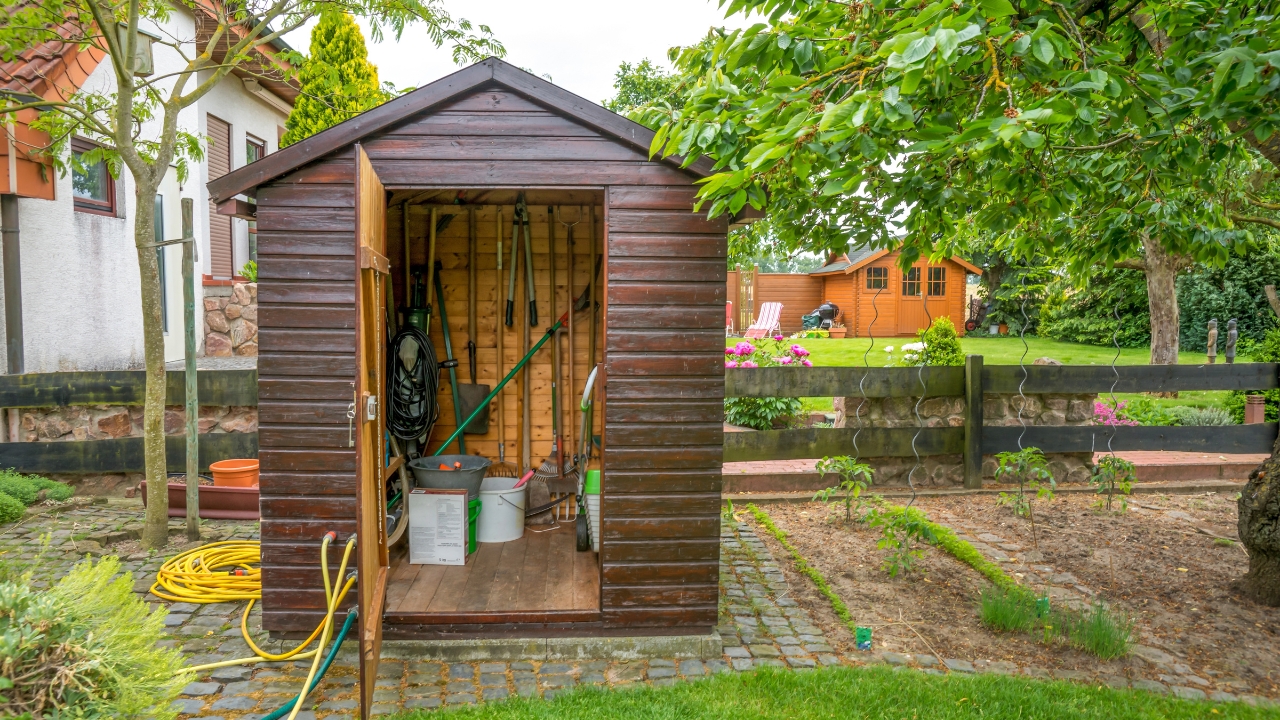
Once the temperature drops, your shed becomes more like a freezer than a storage space. While it’s great for tools, lawn gear, and anything that can handle the chill, a lot of everyday items don’t survive freezing temps.
Cold air can cause liquids to separate, plastics to crack, and batteries to drain faster than you’d think. Before winter sets in, it’s worth taking a few minutes to pull out the things that cold weather quietly ruins year after year.
Paint and Stains

Paint might look fine sealed in the can, but freezing causes it to separate and clump. Once that happens, it never goes on smoothly again.
Even unopened cans can be ruined after one cold snap. Store them in a temperature-controlled area like a basement or closet to keep their texture and color usable.
Canned and Bottled Goods
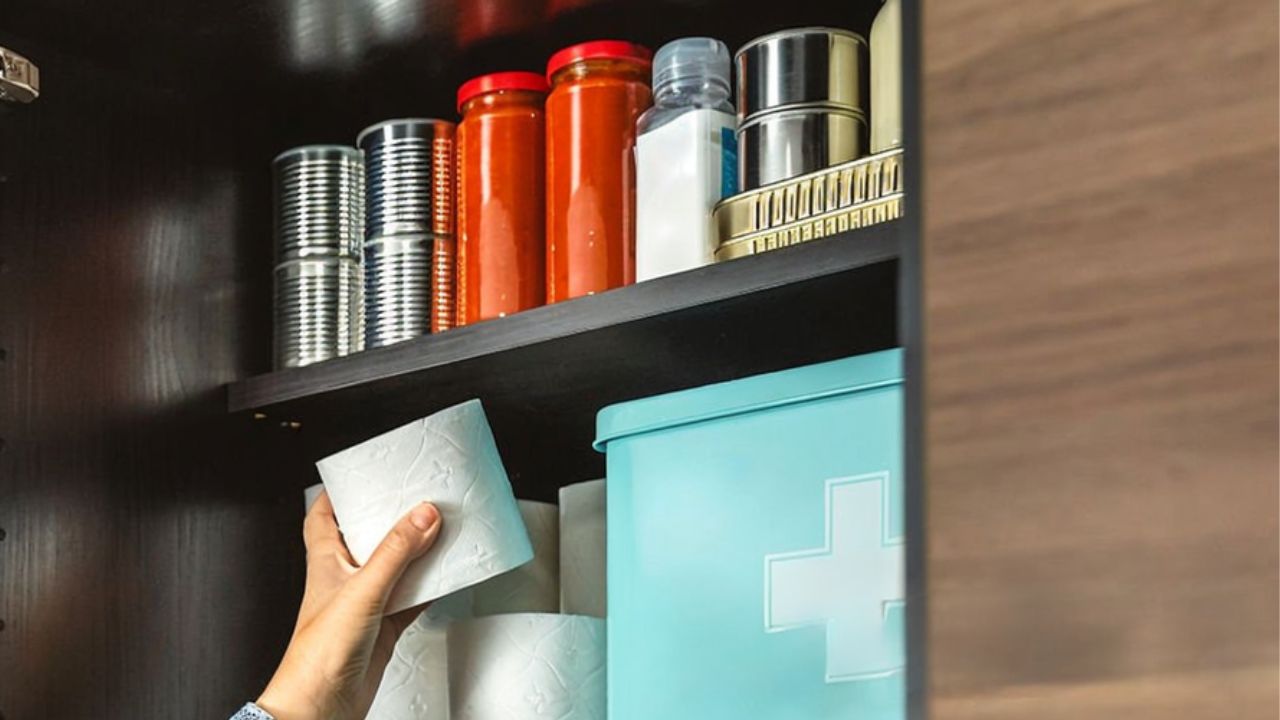
Canned food and drinks expand when frozen, which can crack the seals or burst the containers. That means spoiled food and a sticky mess come spring.
Keep your emergency pantry inside where temperatures stay steady. It’s safer and prevents you from wasting money on supplies you can’t use later.
Batteries and Power Tools

Cold drains batteries faster and can damage rechargeable ones permanently. Even power tools left in the cold can suffer from brittle casings and sluggish motors.
Bring tools and batteries inside during the winter. Keeping them at room temperature ensures they’ll hold a charge and work when you actually need them.
Paint Sprayers and Hoses
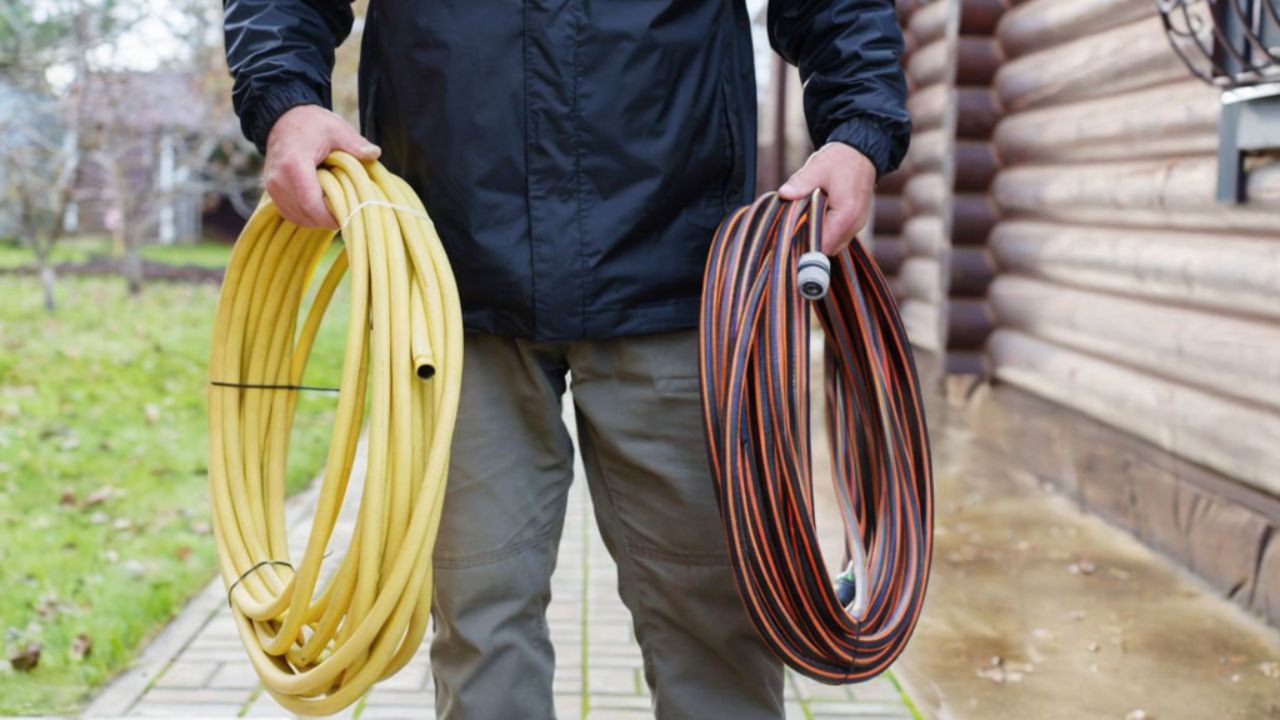
Water or leftover product inside hoses, sprayers, or nozzles can freeze solid and split the lines. Once cracked, they’ll leak or fail completely next season.
Drain and clean these items before storing them indoors. It takes less time than replacing them when spring rolls around.
Gardening Supplies and Soil Bags
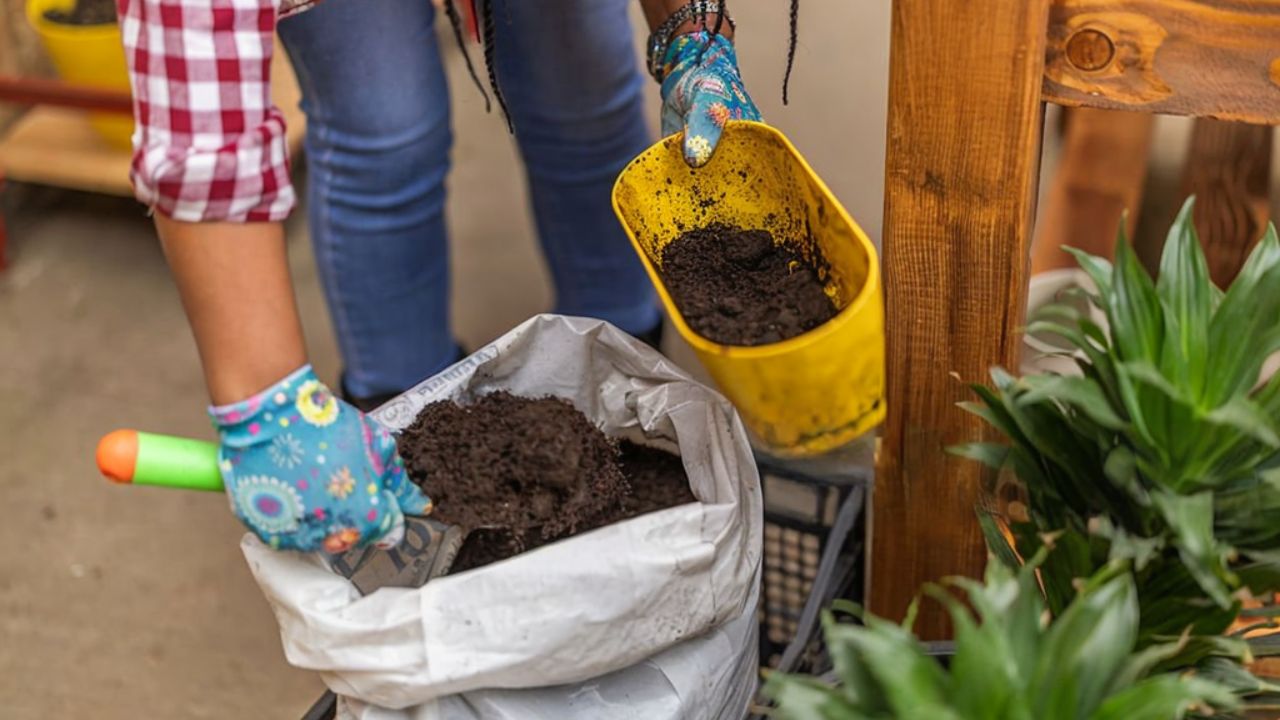
Fertilizers, potting soil, and pesticides don’t handle moisture or freezing well. Bags absorb condensation, harden up, and sometimes grow mold.
Store them off the ground in a dry, covered spot like a garage shelf. The same goes for liquid fertilizers—they can separate and lose their effectiveness once frozen.
Paint Brushes and Rollers
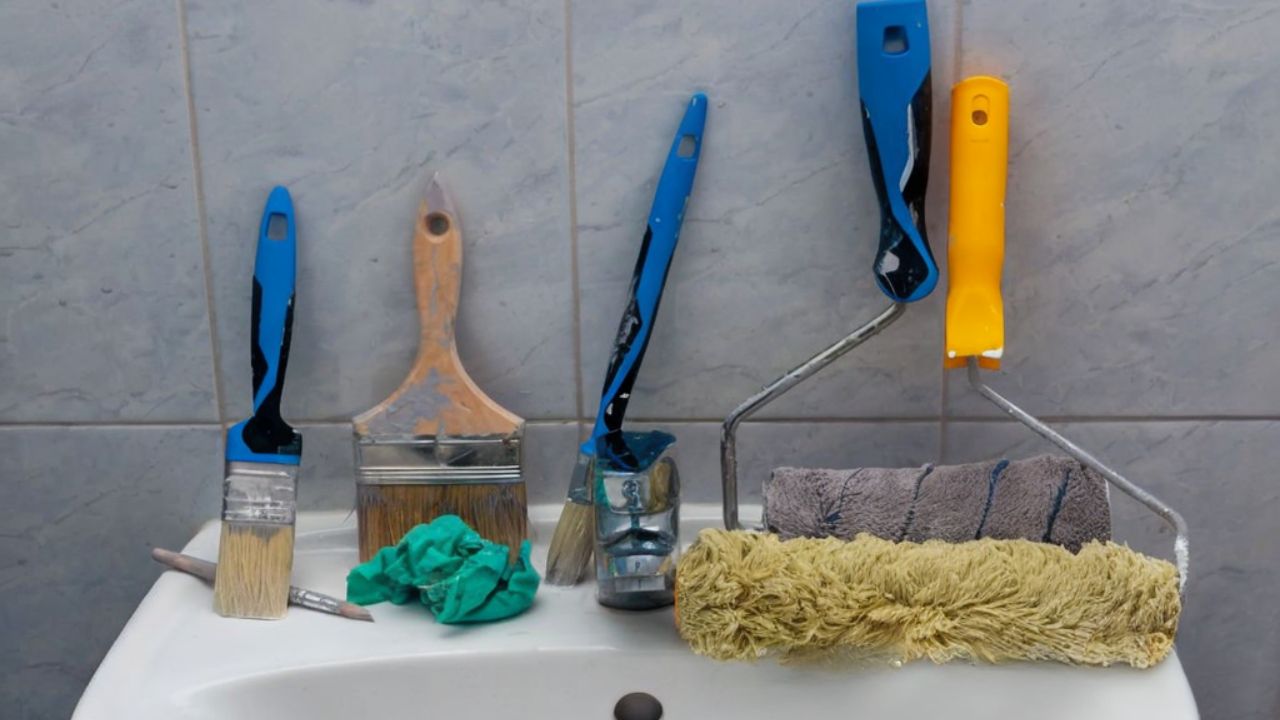
If you leave them in a cold shed with even a trace of moisture, the bristles and nap can stiffen or mildew. That turns them into trash by next season.
Clean and dry them completely, then bring them indoors. A quick rinse now saves you from buying new ones when it’s time to start your next project.
Cleaning Supplies and Detergents
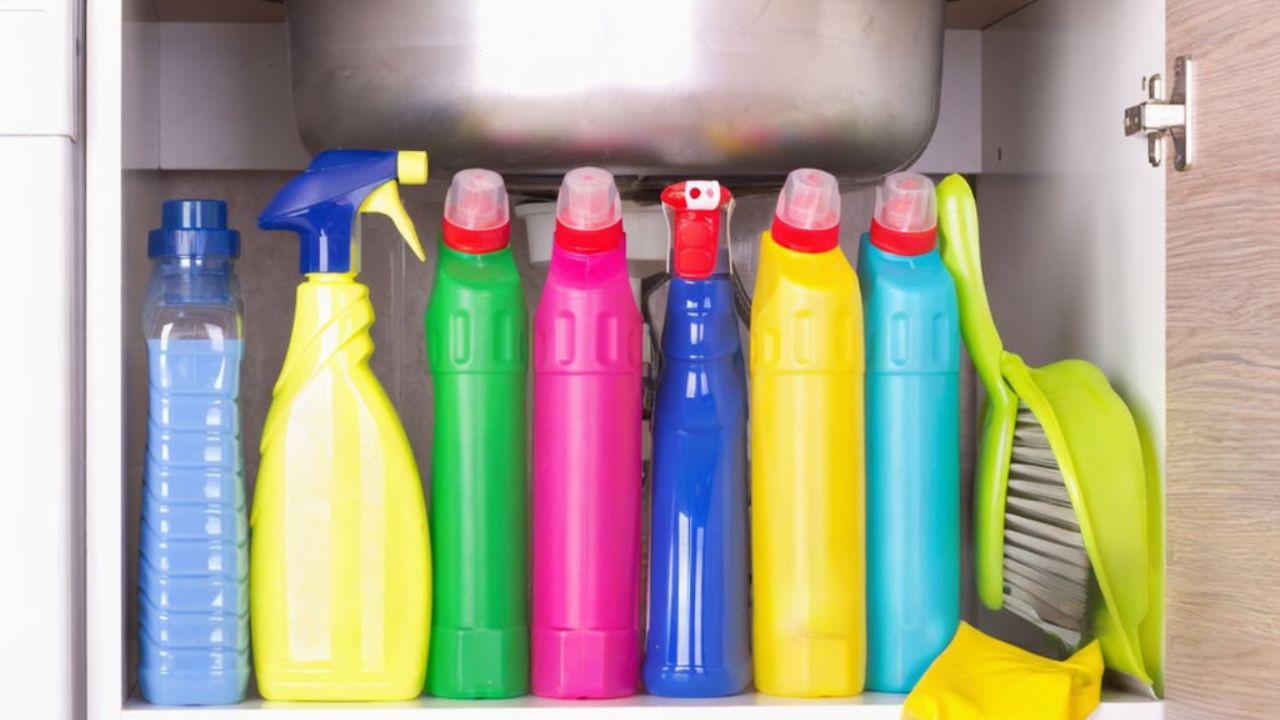
Household cleaners often contain water, which freezes and causes them to separate or lose their potency. Even sealed bottles can split under pressure.
Keep these under your sink or in a utility closet instead. They’ll stay effective and won’t leak across your storage floor.
Propane Tanks or Fuel Canisters
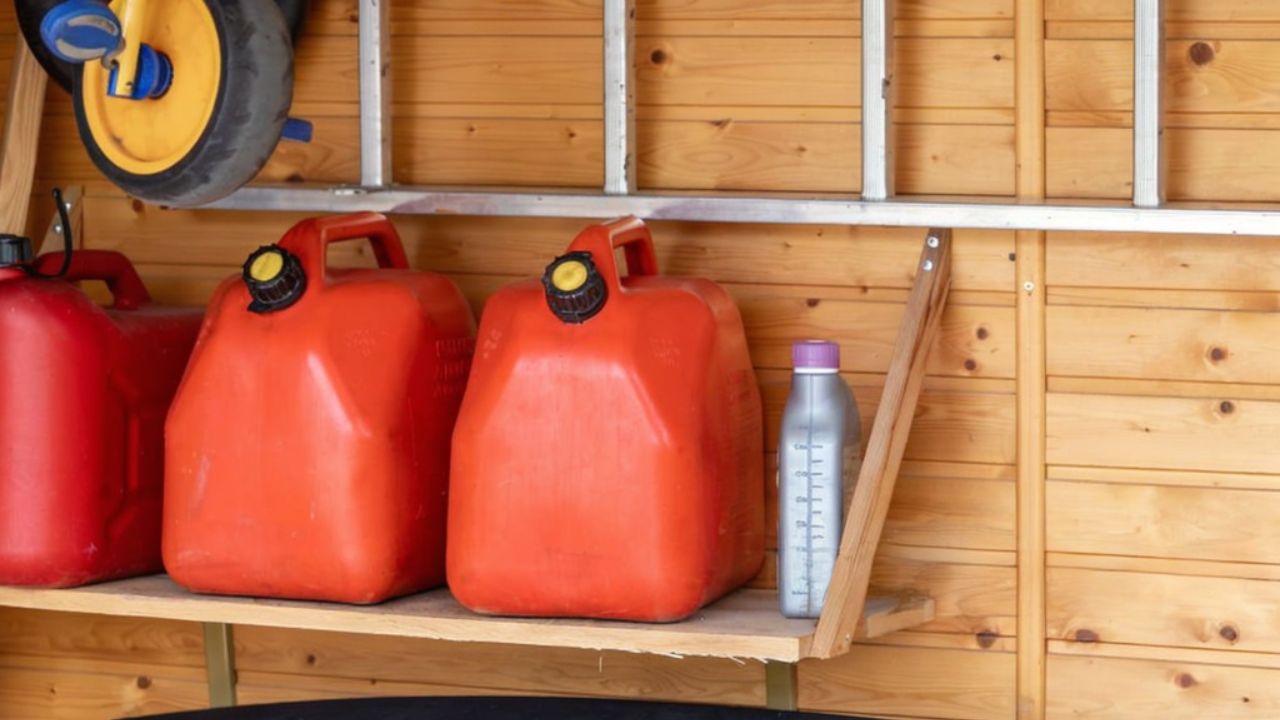
While propane itself doesn’t freeze easily, the metal tanks can rust, and moisture around valves can cause safety issues. Gasoline, on the other hand, can thicken or absorb water.
Store fuel in a well-ventilated but protected spot like a garage, away from direct cold exposure. It’s safer and ensures the fuel works properly when you need it.
*This article was developed with AI-powered tools and has been carefully reviewed by our editors.