The breaker panel mistake that causes hidden damage over time
Your breaker panel is designed to quietly protect you, but one common shortcut inside that metal box can slowly cook wires, weaken connections, and set the stage for a fire long before anything trips. The mistake is deceptively simple: treating a single breaker as a convenient attachment point for extra wires instead of respecting its limits. When you understand how that choice stresses your system over months and years, you see why professionals treat it as a defect that needs to be corrected, not ignored.
What looks like a clever way to power one more circuit or device is, in reality, a slow burn problem that hides behind a closed door. By the time you notice scorch marks, frequent trips, or a faint smell of hot plastic, the damage inside the panel can already be extensive and expensive to unwind. The good news is that once you know what to look for, you can spot the warning signs early and bring in help before the mistake turns into a crisis.
The quiet shortcut hiding in plain sight
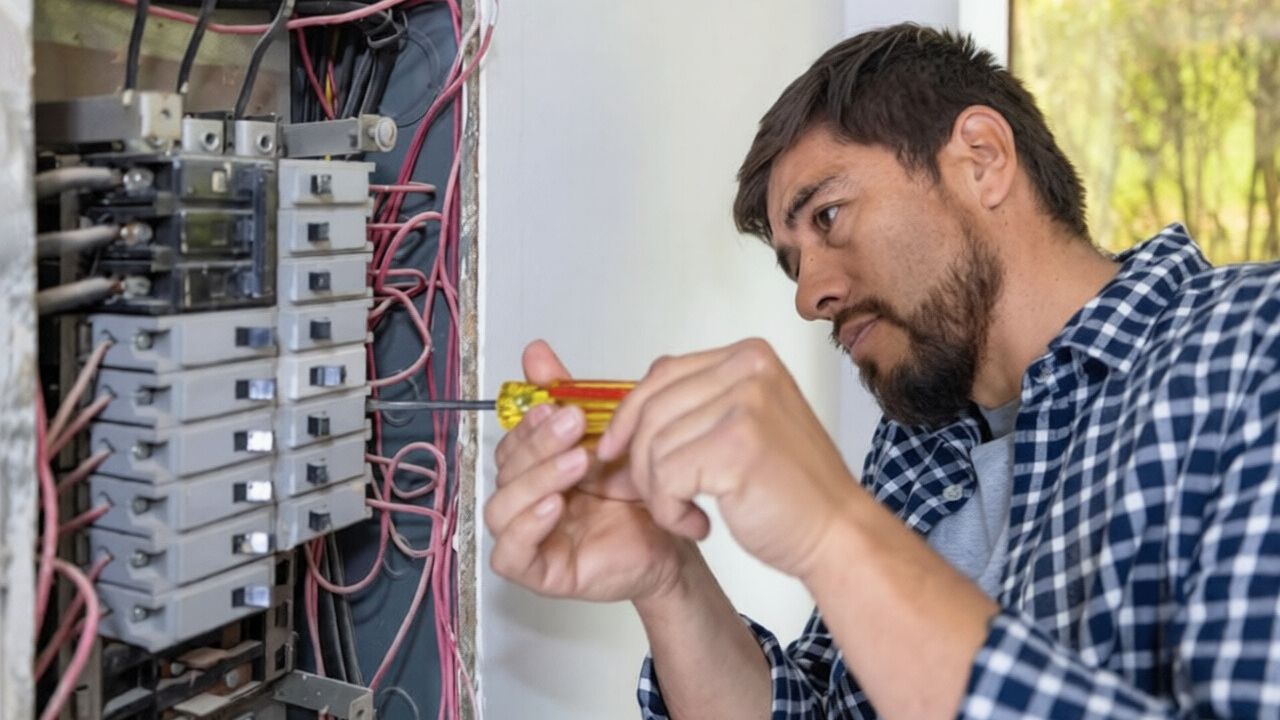
When you open your panel cover, you see rows of switches that look like oversized light toggles. Those are breakers, and Each one is meant to control power to a specific part of your home, such as your kitchen, living room, or furnace. The hidden mistake starts when someone decides that one of those breakers is a handy place to land an extra wire, turning a single connection point into a crowded clamp. It looks tidy from the front, the lights still work, and nothing seems wrong, which is exactly why the risk is so often overlooked.
Behind that apparent order, the physics are less forgiving. Breakers are engineered so the metal jaws and screw lugs apply even pressure to one conductor of a specific size, not two or three squeezed together. When you double up wires where the hardware was never designed for it, you create uneven contact, higher resistance, and tiny gaps that can arc under load. Over time, that shortcut can translate into heat, carbonized insulation, and a slow degradation of both the breaker and the bus it snaps onto, all while the panel door stays politely shut.
What a double tapped breaker actually is
Electricians use a specific term for this shortcut: a double tap. In practical terms, What Is happening is that two conductors are landed under a single terminal screw that was only listed for one. A Double Tapped Breaker might be feeding a new receptacle, an added lighting run, or even a shed subpanel, all piggybacked on an existing circuit instead of being given its own properly sized breaker. From the outside, you see one handle and assume one circuit, but inside the wiring tells a different story.
Some manufacturers do build specific models that accept two wires, but those breakers are clearly marked and have a different lug design that clamps each conductor separately. The problem arises when a standard breaker, which Most units are, is treated as if it could safely hold more than one. That mismatch between design and use is why inspectors flag double taps as a defect and why insurers and code officials treat them as a real hazard rather than a paperwork technicality.
Why double tapping quietly damages your system
The danger with double tapping is not just that it violates labeling, it is that it slowly abuses the metal and insulation every time you flip a switch or plug in a load. When two wires share a lug that was shaped for one, they rarely sit with equal pressure, which leads to Loose contact on at least one conductor. That looseness increases resistance, and resistance turns into heat, especially when you run high draw appliances like space heaters or hair dryers on the affected circuit. The breaker may not trip because the total current is still within its rating, yet the connection point can be running much hotter than intended.
As that heat cycles up and down, the copper or aluminum can creep under the screw, the insulation can harden and crack, and the lug itself can discolor. Over time, the damage can extend beyond the breaker into the panel bus, which is why It can burn the metal and make repairs far more expensive or dangerous than simply replacing a single device. In the worst cases, the weakened connection becomes an ignition source for surrounding insulation or dust, turning a quiet wiring shortcut into the starting point of an electrical fire.
How heat and scorch marks tell on the mistake
Because the damage from a double tap builds gradually, your first visible clue is often not a tripped breaker but discoloration around the hardware. Dark streaks, bubbling paint, or a faint brown halo near a breaker face are classic Scorch indicators that something inside is running too hot. Those marks form when poor connections increase resistance, which in turn generates dangerous heat at the terminal rather than in the wire where the breaker can sense it. By the time you see that staining, the metal behind the plastic may already be pitted or warped.
Scorching is not limited to the breaker face. If you remove the dead front (a job best left to a qualified electrician), you may find darkened insulation or a smoky residue on the bus stabs where the breaker plugs in. That kind of damage is a red flag that the panel has been operating under stress for some time and that the underlying issue, whether a double tap or another loose termination, needs immediate correction. Professionals treat these hidden electrical dangers as evidence that the panel has already been compromised, not as cosmetic blemishes you can safely ignore.
When DIY panel work makes things worse
Double tapping often shows up after a well intentioned weekend project. You add a freezer in the garage, a bank of LED lights in the basement, or a new EV charger, and instead of installing a dedicated breaker, someone simply lands the new wire under an existing screw. That kind of improvisation is exactly the sort of The Mistake professionals warn about, because while individual circuits might appear to function correctly, the overall panel can be pushed beyond what its bus and breakers were designed to handle. The result is a system that looks finished but is quietly overloaded and riddled with weak points.
In places like Springfield, inspectors routinely flag DIY wiring errors that stem from a lack of experience with internal panel layouts and conductor terminations. Those errors include not just double taps but also misrouted neutrals, missing bushings, and undersized breakers feeding large loads. When you combine those mistakes with an already aging or undersized panel, you create a situation where a single failure can cascade into widespread damage, from fried electronics to melted insulation inside the wall cavities.
Overtightening, loose lugs, and other slow-burn flaws
Even when you avoid obvious shortcuts like double tapping, the way wires are secured inside the panel can still set you up for trouble. Terminals are designed to be tightened to a specific torque, and overtightening circuit breaker lugs can strip threads, deform the clamp, or crush the conductor so badly that only a thin ring of metal is actually carrying current. That damage is not always visible once the screw head is seated, but it leaves you with a fragile connection that can loosen under thermal cycling and vibration.
On the other side of the spectrum, under tightening leaves wires that can wiggle free over time, especially on aluminum conductors that expand and contract more than copper. As one technical discussion put it, Conceivably, if you grossly over torque a connection, you can squeeze much of the conductor metal out of the clamping area, leaving less cross section than the design intended. Both extremes, too tight or too loose, increase resistance at the joint, which again translates into heat and long term degradation that may only become obvious when you start seeing nuisance trips or localized scorching.
Outdated and overloaded panels amplify the risk
Even a perfectly wired breaker can struggle if the panel itself is past its prime. Older equipment often lacks the capacity and safety features needed for today’s appliance heavy homes, and These panels often lack the modern, code compliant solutions that help manage high demand loads. One of the clearest Warning Signs You an Outdated Electrical Panel is Frequent Breaker Trips, especially when you run multiple high draw devices at once. If that aging panel is also riddled with double taps and questionable terminations, every new appliance you add compounds the stress.
Over time, an overloaded electrical panel does more than inconvenience you with blackouts. It creates sustained heat inside the enclosure, which can accelerate Common Electrical Panel such as Corrosion on bus bars and neutral bars. That corrosion, in turn, increases resistance at connection points, feeding the same cycle of heat and degradation that double taps and loose lugs trigger. When you layer these factors together, the panel becomes a single point of failure where one stressed connection can damage neighboring breakers and conductors.
The warning signs your breakers are already stressed
Your home rarely announces electrical trouble with a siren, but it does give you clues if you know where to look. One of the clearest Warning Signs Your is Overloaded is repeated tripping when you use everyday appliances, flickering lights when a large motor starts, or warm cover plates on outlets and switches. Overloaded circuits can also damage sensitive Electrical equipment long before a breaker fails outright, and when that damage reaches the panel itself, it is an expensive one too.
At the panel level, What Are the include buzzing sounds, a noticeable odor of hot plastic, and breakers that feel hot to the touch even when they are not carrying heavy loads. An overloaded panel creates sustained stress that raises the risk of dangerous electrical fires, particularly if double taps or loose terminations are already present. If you see scorch marks, rust, or evidence of moisture intrusion alongside these symptoms, you are looking at a system that needs professional evaluation rather than another DIY tweak.
How professionals fix the mistake and future proof your panel
When an electrician finds a double tap, the fix is rarely to simply tighten the screw and walk away. Depending on the layout, they may install a listed tandem breaker, add a new breaker in an open slot, or use an approved splice and pigtail so that only one conductor lands under each lug. Some panels require more extensive work, especially if If the breaker fails to trip in an overload situation and has already allowed excessive heat buildup that damaged the bus. In those cases, replacing the entire panel can be the safest path, even if the lights still seem to work.
Good contractors also look beyond the obvious defect to the habits that created it. They review the overall load calculation, identify circuits that have been stretched to feed too many rooms, and correct Common Installation Mistakes such as Inadequate Wire Management. That may mean adding a subpanel, redistributing kitchen and laundry loads, or upgrading an Outdated Electrical Panel to a modern, code compliant solution. The goal is not just to remove one risky connection but to give every circuit a properly sized breaker, a solid termination, and enough capacity headroom that you are not tempted to improvise the next time you add a device.
Like Fix It Homestead’s content? Be sure to follow us.
Here’s more from us:
- I made Joanna Gaines’s Friendsgiving casserole and here is what I would keep
- Pump Shotguns That Jam the Moment You Actually Need Them
- The First 5 Things Guests Notice About Your Living Room at Christmas
- What Caliber Works Best for Groundhogs, Armadillos, and Other Digging Pests?
- Rifles worth keeping by the back door on any rural property
*This article was developed with AI-powered tools and has been carefully reviewed by our editors.