The cheapest insulation fix that makes a real difference in winter
When temperatures drop, you usually feel it first not in the walls, but in the tiny gaps where cold air sneaks in and warm air slips out. Instead of tearing into drywall or budgeting for a major renovation, you can get a surprisingly big comfort upgrade from a much cheaper fix. By targeting the small but constant leaks around windows, doors, and other openings, you shore up the weakest spots in your home’s insulation for a fraction of the cost of adding new batts or foam.
The cheapest insulation upgrade that reliably changes how your home feels in winter is basic air sealing, especially around windows and doors, paired with simple window film. With a few tubes of caulk, some peel‑and‑stick weatherstripping, and a clear plastic window kit, you can cut drafts, reduce heat loss, and make every room feel more even without touching your furnace settings.
Why sealing leaks beats adding more insulation
You feel cold in winter less because your walls are thin and more because outside air is circulating through your house. Air sealing stops that movement, while traditional insulation mainly slows heat transfer through solid surfaces. One detailed comparison of Air Sealing Vs explains that air sealing targets cracks and gaps, and insulation creates a thermal barrier, so you get the best results when you combine them, but sealing usually gives you the fastest payoff.
Once you plug the obvious leaks, your existing insulation can finally do its job. The same analysis of which saves more in Texas homes notes that air sealing can cut energy waste by up to 30 percent in some cases, which is a huge return for a few hours with a caulk gun and some foam. You are not just chasing comfort; you are reducing the load on your heating system and shrinking the amount of warm air that escapes through every tiny opening in your building shell.
Window film kits: the cheapest “instant storm window”
If you are looking for one low‑cost product that changes how your home feels almost overnight, clear plastic window film is that fix. Window insulation kits stretch a transparent sheet over the inside of the frame and create a sealed air pocket that acts like a temporary double pane. A guide on Winter Weatherization describes these window kits as a low, Cost, Big Savings option that you can install yourself with scissors, tape, and a hair dryer.
Because the film is clear, you keep your daylight and views while dramatically cutting drafts from older glass and leaky sashes. You tape the plastic around the trim, shrink it tight with gentle heat, and instantly stop the cold air that used to spill off the glass and onto your couch. As a DIY upgrade, it is hard to beat the combination of price, speed, and impact, especially if you are not ready to replace windows.
Weatherstripping: small materials, big comfort
After you tackle the glass, the next cheapest win is sealing the moving parts around it. Weatherstripping closes the hairline gaps where sashes slide and doors latch, which are often the biggest sources of drafts in an otherwise insulated room. Guidance on how to weatherproof wood windows points out that Weatherstripping is one of the most effective and affordable ways to improve window insulation, especially in older homes where gaps have opened over time.
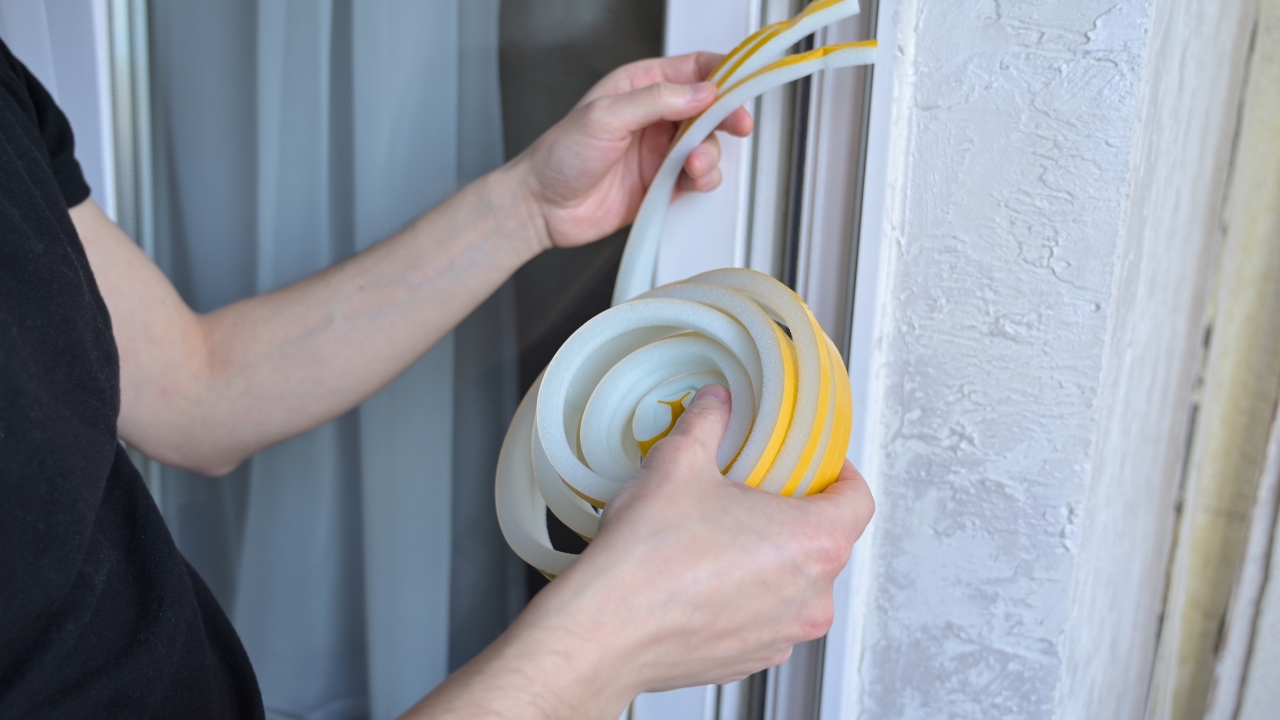
You can choose from adhesive foam tape, V‑strip, or rubber gaskets, depending on the style of your windows and doors, and cut them to length with a utility knife. A cost guide on the Size of Weatherstripping project explains that your total cost scales with how many openings you seal, which is why starting with the draftiest rooms gives you the best payback. For a few dollars per door or window, you can stop the whistling air that makes your thermostat work harder than it should.
Caulk, foam, and the hidden gaps you forget
Once you handle windows and doors, you still have plenty of small cracks that leak heat around trim, outlets, and pipes. A practical list of Try suggests that you Cover any air leaks with weatherproofing and Use caulking to seal around baseboards and window casings, which is exactly the kind of cheap, targeted work that makes your existing insulation feel thicker. Latex caulk handles narrow seams, while foam sealant fills the larger voids.
For the biggest openings, such as where plumbing or wiring passes through exterior walls, a product like the 12 oz Expanding Foam Sealant to 3 inches Wide, Natural Sold in Multiples of one and Priced By Each Preorder, Size 12 oz, can lock out outside air where fiberglass or batts cannot reach. By working methodically around the house and sealing every visible penetration, each bead of caulk or shot of foam quietly boosts the performance of your walls without adding a single new panel of insulation.
Doors, sweeps, and stopping drafts at ground level
Exterior doors often leak most at the bottom, where light and air slip under the threshold and across your floors. Door sweeps solve that problem with a strip of rubber or vinyl that brushes the floor and blocks the draft. A winter weatherization guide notes that Door sweeps are an easy way to stop cold air from slipping under exterior doors and can reduce heat loss enough to lower your energy bills.
You can screw a permanent sweep to the inside of the door or slide on a removable draft stopper that hugs the bottom edge. A Quora discussion of cost‑effective ways to insulate a house advises you to Make sure there are no drafts around the edges of outside doors, which is exactly what a well‑fitted sweep and fresh weatherstripping accomplish. Once you seal that gap, rooms near entrances stop feeling like wind tunnels every time someone opens the door.
Cheap DIY projects that punch above their weight
When you combine window film, weatherstripping, and caulk, you create a package of DIY projects that consistently deliver more comfort per dollar than almost any other winter upgrade. A practical list of Pro, Level Upgrades describes High Impact steps such as Improve Your Attic Insulation and Air Seal Before Adding More Insulation, and it also highlights how installing thermal or insulated curtains can further cut heat loss around windows and doors. Each of these projects uses inexpensive materials and basic tools, which keeps your upfront cost low.
A separate guide to DIY projects emphasizes that small, repeatable tasks such as sealing gaps around electrical wiring and plumbing can make your household more thermally efficient without major construction. When you treat these tasks as a weekend circuit around your home rather than isolated one‑off fixes, you build a tighter, warmer shell that rivals more expensive upgrades.
Simple habits and low‑tech add‑ons
Not every improvement comes from a tube or a roll of tape. Some of the cheapest insulation fixes are habits and soft materials you already own. A Quora answer that lists budget strategies suggests you Turn down the temperature on your hot‑tank thermostat to cut standby losses and tighten up drafts around doors and windows. Thick rugs on bare floors, rolled towels at the base of doors, and rearranging furniture away from cold exterior walls all reduce how much cold you feel, even if the thermostat number stays the same.
Layering fabric over glass is another quick win. A practical guide to stopping cold air leaks recommends you Hang Thick Curtains and even use Blankets Work, Too, While you wait to upgrade windows, ideally with a thermal lining on the back. When you close those curtains at night, you trap a layer of air between the fabric and the glass, which works alongside your window film to slow heat loss.
Guidance from energy and weatherization programs
If you want a roadmap for what to tackle first, public energy programs have already ranked the cheapest, highest‑impact steps. A state resource on Low Cost Winter from the Missouri Public Service Commission lists Insulating and Sealing Air Leaks as a core strategy and urges you to Caulk and place weatherstripping around windows and doors before you invest in bigger projects. That same ecosystem of agencies links to sites such as Discovered through Low Cost Winter Energy Savings Tips, along with Discovered and Discovered, which collectively support consumer protection and energy education.
National programs reinforce the same order of operations. Federal guidance on Discovered through Air Sealing Vs Insulation, Which Saves More In Texas Homes explains how to find and fix leaks around your attic, basement, and walls. A related project guide from Discovered via Air Sealing Vs Insulation, Which Saves More In Texas Homes walks you through sealing the attic floor before adding more insulation, which mirrors the advice you see repeated in local weatherization programs.
When to move beyond the cheapest fixes
After you have sealed the obvious leaks and installed window film, you eventually reach a point where each extra tube of caulk buys you less improvement. At that stage, upgrading key components can make sense. A pro‑level list of Improve Your Attic and Air Seal Before Adding More Insulation highlights how a better insulated attic can dramatically cut heat loss, especially when paired with thorough air sealing. Products such as Owens Corning Insulation are designed for new construction or major retrofits and help minimize air filtration when correctly installed.
If you want a more data‑driven approach, some retrofit specialists use blower doors and thermal cameras to find exactly where your building is leaking. A service description that starts with Using thermal imaging technology and blower door tests explains how they pinpoint the worst air infiltration and then add targeted insulation so you get a faster return through reduced heating and cooling costs. Even then, the cheapest fix still underpins the whole strategy, because every new batt or foam panel works better once the air leaks are under control.
Stacking quick wins into a winter game plan
Look at all these tactics together and a clear hierarchy emerges. You start with the cheapest, highest‑impact tasks that you can handle in a weekend, then layer on more ambitious work as your budget allows. A video on Apr that shares Easy DIY Home Efficiency Projects on A Budget explains that these kinds of upgrades can really cut down on your bill and have the highest return on investment for your time and money spent, especially when you group them into a focused push rather than scattering them across the year.
As you move from leaks to insulation, you can also look beyond the building shell to other high‑loss areas. A utility newsletter that starts with Did you know insulating your electric water heater could reduce standby heat loss by 25% to 45% notes that this single step can save you 7% to 16% on water heating costs. When you combine that kind of targeted upgrade with the low‑cost winter weatherization steps from Window insulation kits and other DIY measures, you end up with a home that feels warmer, runs cheaper, and relies far less on expensive, large‑scale insulation projects.
Like Fix It Homestead’s content? Be sure to follow us.
Here’s more from us:
- I made Joanna Gaines’s Friendsgiving casserole and here is what I would keep
- Pump Shotguns That Jam the Moment You Actually Need Them
- The First 5 Things Guests Notice About Your Living Room at Christmas
- What Caliber Works Best for Groundhogs, Armadillos, and Other Digging Pests?
- Rifles worth keeping by the back door on any rural property
*This article was developed with AI-powered tools and has been carefully reviewed by our editors.