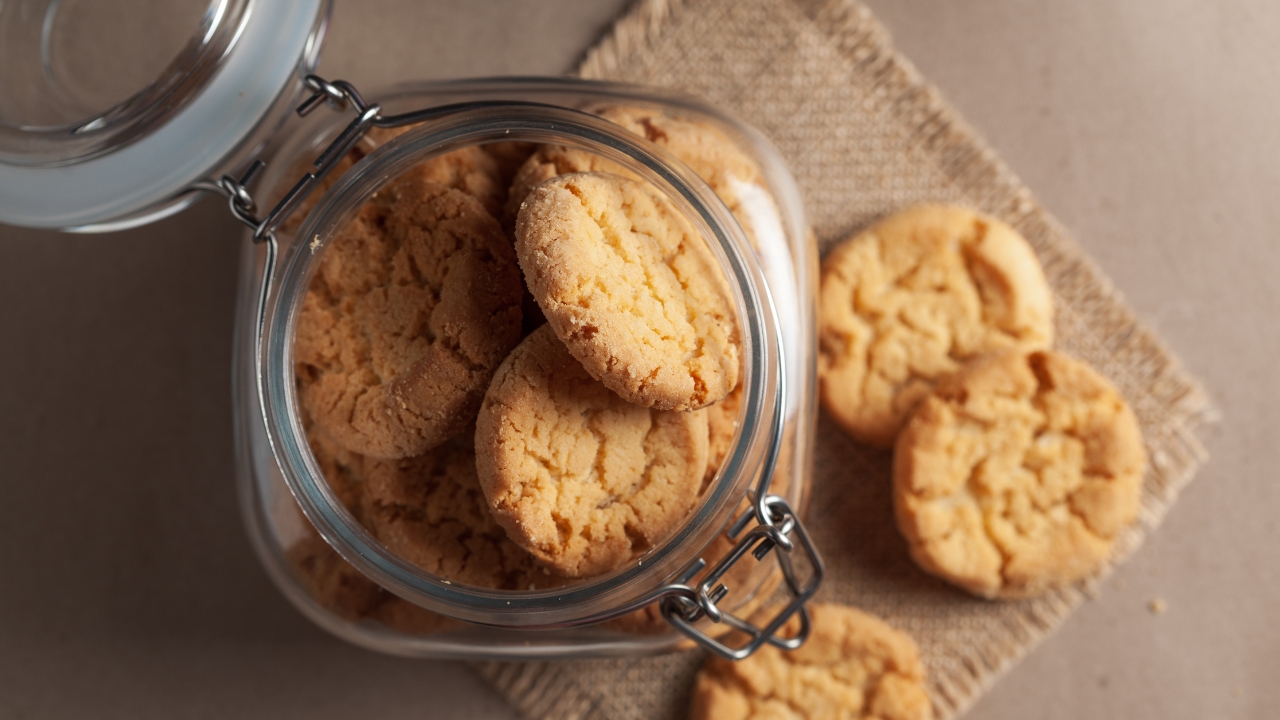
The cookie storage guide that keeps them crisp without drying out
Nothing’s sadder than a tray of cookies that were perfect on day one and bendy or rock hard by day three. The way you store them matters almost as much as the way you bake them. Most of the time, the problem isn’t your recipe—it’s that different cookies need different homes.
You don’t need special containers or fancy gadgets. You just need to match the cookie to the right storage setup so they stay crisp, chewy, or soft the way you meant them to be.
Figure out what kind of cookie you’re dealing with
Before you grab a container, ask what you’re trying to protect.
Crisp cookies (think shortbread, biscotti, thin sugar cookies) hate moisture. Soft cookies (like chocolate chip, snickerdoodles, thumbprints) need a little humidity to stay chewy. If you mix the two in one container, they’ll fight each other—soft ones dry out, crisp ones go limp.
Take two minutes to sort cookies by type. Even if you’re only storing a few, keeping similar textures together buys you more days where they still taste like they did out of the oven.
Use truly airtight containers for crisp cookies
Crisp cookies need an airtight home so they don’t soak up moisture from the air. A loose cookie jar on the counter is cute, but it usually leaks just enough air to soften what’s inside.
For anything you want to stay snappy:
- Use snap-lid plastic or glass containers with good seals
- Let cookies cool completely before storing
- Layer with parchment if you’re stacking several layers
If your kitchen runs humid, keep them in the pantry instead of right by the stove or dishwasher. Warm, steamy air is the fastest way to turn crisp cookies into cardboard.
Give soft cookies a tiny bit of help with moisture
Soft cookies go stale when they lose moisture, not when they gain it. That’s why a chocolate chip cookie that’s left out on a plate gets hard so fast.
The old trick still works:
- Put cooled soft cookies in an airtight container
- Add a slice of sandwich bread or a couple of apple slices on a piece of parchment
The cookies pull a little moisture from the bread or fruit, not enough to make them wet, just enough to keep them tender. Swap the bread or fruit out if it looks dry or tired. Your cookies will stay soft days longer.
Never store warm cookies, no matter how tired you are
Stashing warm cookies “just to get them out of the way” is how you wake up to a sweaty, sticky mess. Warm cookies release steam. If that steam gets trapped in a container, everything inside softens and the tops can turn gummy.
Let cookies cool on racks until they’re actually room temperature—not warm to the touch, not “mostly there.” If you’re in a hurry, spread them out a little so air can circulate.
It feels like an extra step, but it protects the texture you worked for in the oven.
Keep strong flavors separate so they don’t share smells
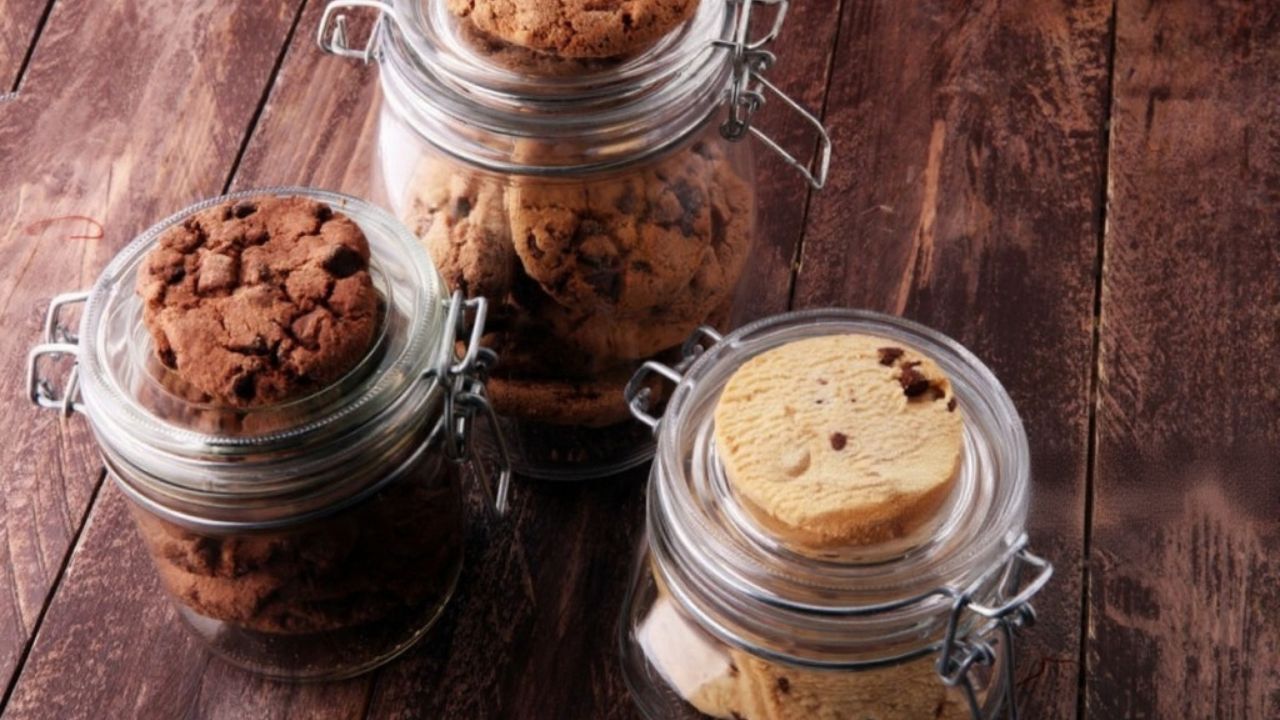
Cookies are like little sponges for flavor. If you store peppermint cookies, gingerbread, and vanilla sugar cookies together, they end up smelling and tasting the same.
If you went to the trouble of baking different flavors, give them their own containers where you can. At least keep anything minty or heavily spiced away from delicate vanilla or citrus cookies.
Your guests will actually taste the difference between varieties instead of “faint peppermint, but in beige.”
Use the fridge carefully (or not at all)
Most cookies don’t love the fridge. The constant cold and moisture inside can mess with texture, especially for crisp cookies. They often come out softer and a little off.
If you must refrigerate—because of a filling or frosting—use this approach:
- Store in an airtight container
- Press parchment or wax paper gently on top of the cookies
- Bring them back to room temperature before serving
If the cookie itself doesn’t require chilling for food safety, the counter or freezer is usually kinder than the fridge.
Freeze extras early instead of watching them go stale
If you know you won’t eat all the cookies within a few days, freezing is your friend. Cookies freeze better than people think.
To freeze:
- Cool completely
- Arrange in a single layer on a baking sheet and freeze until firm
- Transfer to a freezer bag or airtight container, with parchment between layers
Most cookies keep 1–2 months this way. When you want a few, pull out just what you need and let them thaw at room temperature. A quick 2–3 minutes in a low oven can refresh crisp cookies.
Keep the container mostly full
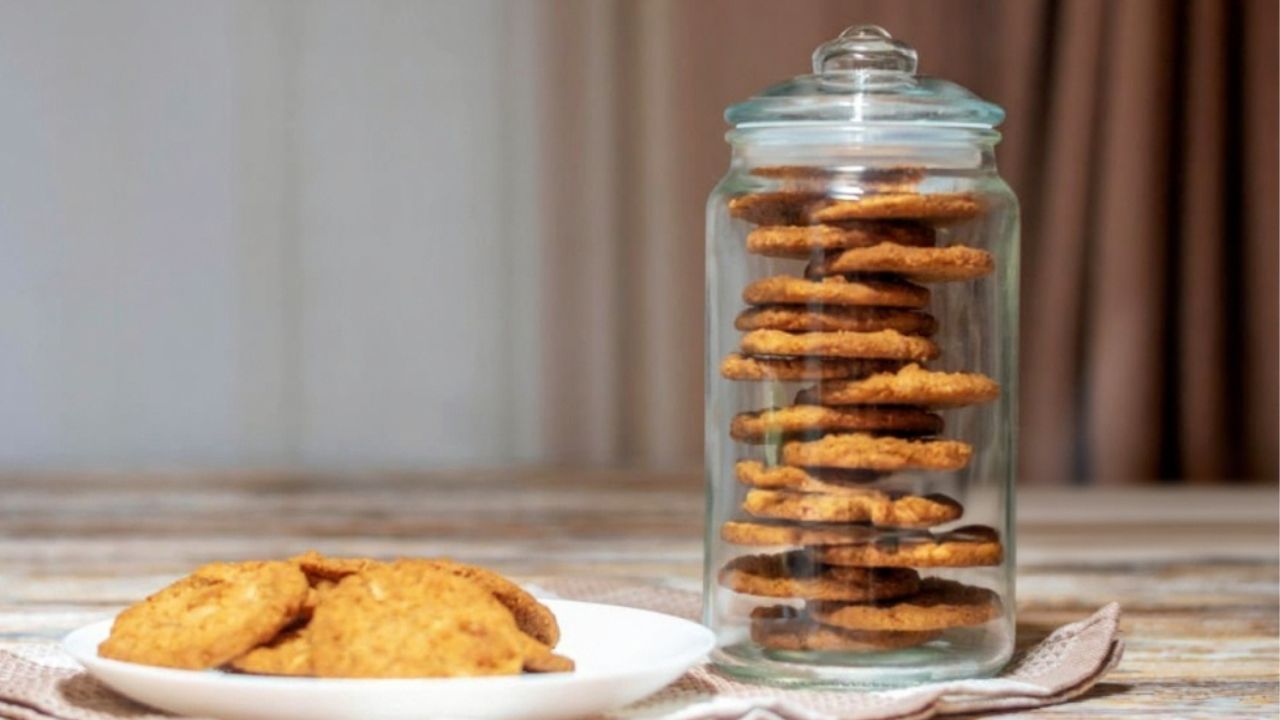
A half-empty container has a lot of air inside it, which speeds up drying. If you’re down to just a few cookies, move them into a smaller container or jar.
Less air around them means slower staling. It’s a tiny habit that keeps the last three from tasting like they’ve seen some things.
Store decorated cookies with extra care
Iced or glazed cookies need a little patience. Let icing harden completely before stacking, or you’ll glue them together and wreck the finish.
Once they’re set, layer them with parchment between each layer so decorations don’t get crushed. For very detailed cookies, storing them in single layers might be worth it—not fun, but better than ruining all that work.
A few small decisions—what goes together, how airtight the container is, and when you stash them—are the difference between “these still taste fresh” and “they were good yesterday.” You don’t need more sugar or butter. You just need better storage.
Like Fix It Homestead’s content? Be sure to follow us.
- Man Says He Found Out the Fence He Paid For Wasn’t Actually on His Property
- Woman Says Her Neighbor Started Taking Mulch From Her Delivery Pile Before She Could Even Spread It
- I made Joanna Gaines’s Friendsgiving casserole and here is what I would keep
- What Caliber Works Best for Groundhogs, Armadillos, and Other Digging Pests?
*This article was developed with AI-powered tools and has been carefully reviewed by our editors.