The crawlspace clue that predicts expensive surprises
Photo credit: Beauty Box/Shutterstock.com
The most expensive problems in a house rarely start in plain sight. They begin quietly, in the dark gap under your floors, where a single damp line on concrete can foreshadow structural repairs, mold remediation, and foundation work that easily runs into five figures. If you learn to read that crawlspace clue early, you can often trade a crisis bill for a manageable maintenance project.
The core signal is simple: unwanted moisture under your home. Whether it shows up as a Wet Foundation Wall, a musty smell, or a soft spot in the floor, that moisture is the thread that connects small annoyances to major surprises. Understanding how to spot it, interpret it, and respond to it is one of the most valuable skills you can bring to owning or buying a house with a crawl space.
The first clue: a Wet Foundation Wall
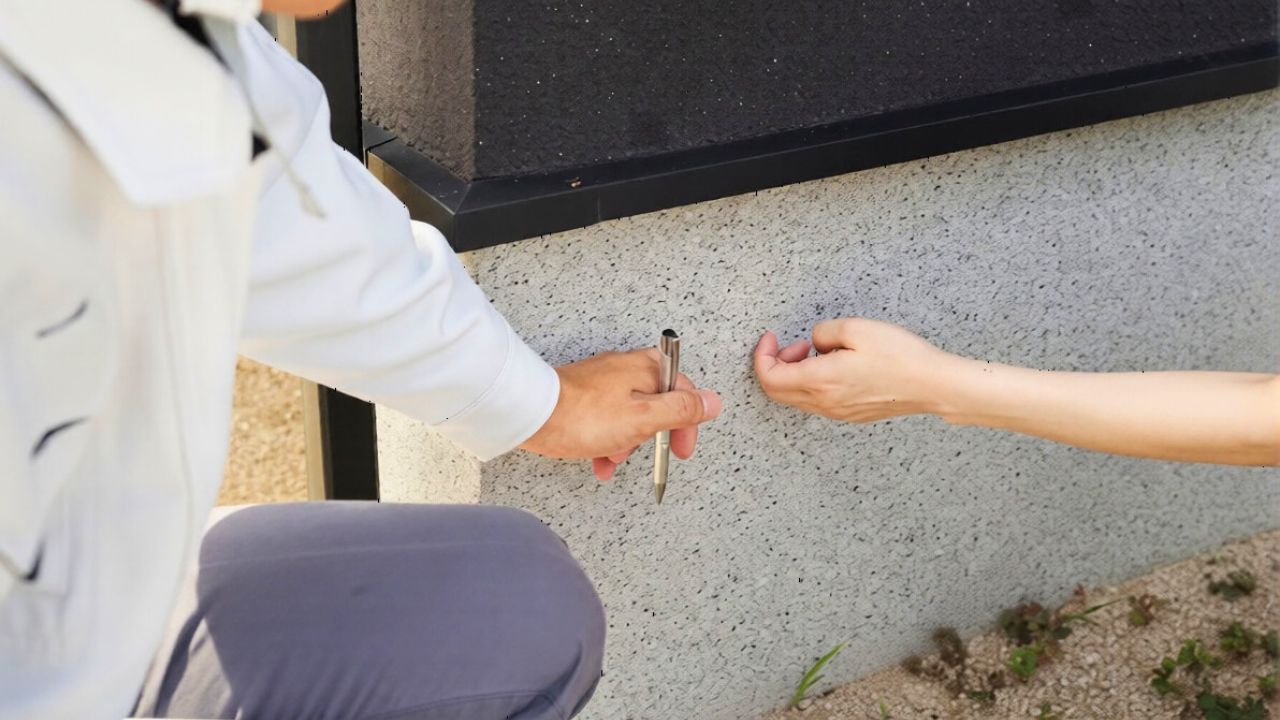
When you slide into a crawl space and see a Wet Foundation Wall, you are not just looking at a cosmetic issue. That damp band on concrete or block is physical proof that water is moving through or against your foundation, and it often appears before you notice anything wrong inside the living space. Persistent moisture at this level can feed mold and wood rot fungus on nearby framing, gradually weakening joists and subfloor while the visible damage remains hidden above.
Moisture that lingers on a Wet Foundation Wall also signals that the crawl space is not drying out between rain events, which means humidity can stay elevated long enough to support mold growth on insulation, wiring, and ductwork. Over time, that environment can warp wood, corrode metal, and degrade mechanical systems, turning what looks like a minor damp patch into a multi‑trade repair. Specialists who focus on encapsulation and drainage repeatedly flag this kind of wall staining as a primary warning sign of crawl space water problems, often linking it directly to later issues with mold and wood.
How small crawlspace clues show up inside your home
By the time you notice something is off inside the house, the crawl space has usually been sending signals for a while. Sagging or Uneven Floors Above the Crawl Space are among the clearest examples: when joists and beams start to absorb moisture, they can deflect under load, leaving you with dips, slopes, or a trampoline feel underfoot. One of the earliest interior hints is often a subtle ridge or valley along a hallway, or a spot where furniture never quite sits level, which aligns closely with what repair contractors describe when they list Sagging and Uneven Floors Above the Crawl Space as a key warning sign.
Other interior clues are easier to dismiss but just as telling. Doors that used to latch cleanly may start to rub or stick, trim can pull away from floors, and hairline cracks can appear in drywall above crawlspace supports. Guidance on how to tell if your crawl space needs repairs often groups these symptoms together, noting that One of the most noticeable signs is a change in how the floor feels under your feet, followed by visible signs of water damage on baseboards or lower walls. When you see those patterns, it is time to connect the dots between the living space and the unseen structure below, as outlined in detailed checklists that walk through key warning signs.
Reading the “Crawl Space Repair Signs Every Homeowner Should Know”
If you live in a humid region, the crawl space is under constant environmental pressure, and the red flags tend to follow a predictable script. In Eastern North Carolina, for example, contractors emphasize that high humidity makes wood and insulation particularly vulnerable, so they encourage owners to learn the Crawl Space Repair Signs Every Homeowner Should Know. That list typically starts with musty odors, visible mold on joists, and condensation on ductwork, then moves to more advanced issues like falling insulation, rusted metal supports, and standing water on the vapor barrier.
Those same patterns show up across the country, even if the climate is different. When you Read through professional guidance, you see the same themes: moisture, movement, and biological growth. The advice is consistent that you should not wait until floors are dramatically out of level or framing is visibly decayed before acting. Instead, you are urged to treat early clues like damp insulation, efflorescence on block, and soft spots in subfloor as triggers to call a specialist who understands how chronic moisture in a crawl space can undermine the entire foundation system, a point that is underscored in resources that outline repair signs every.
What professional inspectors look for under your floors
When a seasoned inspector heads into a crawl space, they are not just glancing for puddles. They move systematically, scanning walls, piers, and framing for subtle markers that most homeowners miss. One experienced inspector describes checking for efflorescence, the white powdery residue left by water seepage, along with dark staining, standing water, and mold‑like substances on surfaces. They also pay close attention to the condition of support posts, the alignment of beams, and any signs that soil has shifted or settled away from footings, which can indicate ongoing movement.
That methodical approach is designed to catch structural clues before they escalate into visible damage upstairs. Inspectors often photograph and document each issue, then recommend further evaluation when they see patterns that suggest chronic moisture or structural stress. The goal is not to alarm you, but to translate what they see in the crawl space into clear guidance about risk and priority. When they note efflorescence, staining, or biological growth, they are effectively telling you that water has been present long enough to leave a chemical or organic footprint, a concern that is spelled out in detail in inspection guides that explain what they look for in foundation and crawlspace evaluations.
From “Signs to Watch for” to full‑blown structural damage
Crawlspace problems tend to move through stages, and the cost of fixing them rises with each step. Early on, the Signs to Watch for In the Home include Minor wall cracks, slightly uneven floors, and small gaps between trim and floors. In the Cra wl space itself, you might see light staining on joists, a few rust spots on metal connectors, or isolated patches of mold. At this stage, targeted drainage improvements, dehumidification, or localized structural reinforcement can often stabilize the situation before it spreads.
If those early warnings are ignored, the damage can progress to severe structural issues, such as floors that feel spongy, beams that are visibly sagging, and doors or windows that do not align or close properly. End‑stage damage requires immediate, full foundation support and restoration, which can involve installing new piers, sistering or replacing major framing members, and in some cases regrading or rebuilding sections of the foundation. Detailed breakdowns of these stages emphasize that catching problems when they are still in the “Signs to Watch for” phase is the difference between a manageable project and a disruptive, high‑cost overhaul, a progression mapped out clearly in resources that track stages of crawl.
Why Poor Drainage is the quiet engine of crawlspace trouble
Behind almost every Wet Foundation Wall or musty crawlspace smell is a drainage problem that started outside the house. Poor Drainage around the perimeter allows water to pool against the foundation, soak into backfill, and eventually seep through cracks or joints into the crawl space. Poor grading, clogged gutters, and downspouts that discharge too close to the structure all contribute to this cycle, feeding a constant supply of moisture that the crawl space was never designed to handle.
Over time, that repeated wetting and drying can cause soil to shift, which in turn affects how foundation elements bear the load of the house. In some cases, saturated soil can lead to Bowing Walls or settlement that telegraphs into the framing above, creating the uneven floors and wall cracks you see inside. Experts who focus on the connection between crawl spaces and foundation issues stress that addressing Poor Drainage is not optional if you want long‑term stability, because the same water that stains your crawlspace walls can eventually cause significant structural damage if not corrected, a relationship laid out in depth in analyses of crawl space foundation.
Moisture, foundation cracks, and the cost of waiting
Once moisture finds a path into your crawl space, it rarely stays put. Water can travel along footing joints, through hairline cracks, and across vapor barriers, eventually showing up as foundation cracks or a wet basement in addition to crawlspace dampness. A smelly crawlspace or a wet basement is not just an inconvenience; it is a sign that your home may already be at risk of more serious structural problems. The same conditions that allow mold to flourish under your floors can also weaken concrete, rust rebar, and compromise the bond between masonry units.
The financial stakes rise quickly when moisture and structural movement combine. Repairing isolated cracks and improving drainage is far less expensive than stabilizing a foundation that has shifted or rebuilding sections that have deteriorated. Professionals who specialize in this work urge homeowners to Take Control Before It Gets worse, emphasizing that early intervention can prevent the need for extensive underpinning or interior reconstruction. When you see foundation cracks in combination with crawlspace moisture, you are looking at a system‑level problem that calls for a coordinated response, a connection that is explained in detail in discussions of foundation cracks and.
Musty Smells: More Than Just an annoyance
Sometimes the first crawlspace clue does not come from what you see, but from what you smell. Musty Smells drifting up from floor vents or lingering in closets above a crawl space are More Than Just an air‑freshener problem; they are a sign that mold spores and high humidity are moving into your living space. That odor is essentially the exhaust of microbial activity on wood, insulation, and dust, and it often appears before you notice visible growth or staining.
When professionals talk about a crawlspace in distress, they often start with sensory red flags like smell, then connect them to other indicators such as condensation on pipes, rust on metal supports, or even a high water table that keeps the soil damp. They encourage you to grab your flashlight and look for corroborating evidence: discolored joists, peeling insulation, or damp spots on the vapor barrier. Guidance on crawlspace red flags makes it clear that Musty Smells are an early warning system that should prompt a closer look, not something to mask with candles or deodorizers, a point reinforced in checklists that highlight other red flags.
Buying a house with a crawl space: the non‑negotiable checks
If you are shopping for a home, the crawl space should be as high on your inspection list as the kitchen or roof. Standing Water Is a Major Red Flag If you or your inspector sees puddles under the house, because that water is a direct sign of drainage failure and a likely precursor to mold, wood rot, and foundation movement. Even if the rest of the property looks immaculate, a wet or neglected crawl space can turn a dream purchase into a renovation project you did not budget for.
Smart buyers insist on access to the crawl space and, ideally, accompany the inspector during that part of the evaluation. You want to see whether there is a continuous vapor barrier, whether insulation is intact, and whether there are any signs of pests, efflorescence, or structural repairs that were not disclosed. Detailed guides for buying a house with a crawl space emphasize that you should stop and pay attention when you see water, staining, or heavy odors, and that you should factor the cost of remediation or encapsulation into your offer if problems are present. Those same guides underline that Standing Water Is a Major Red Flag If it appears anywhere under the home, a warning that is spelled out plainly in resources for buying a house.
Like Fix It Homestead’s content? Be sure to follow us.
Here’s more from us:
- I made Joanna Gaines’s Friendsgiving casserole and here is what I would keep
- Pump Shotguns That Jam the Moment You Actually Need Them
- The First 5 Things Guests Notice About Your Living Room at Christmas
- What Caliber Works Best for Groundhogs, Armadillos, and Other Digging Pests?
- Rifles worth keeping by the back door on any rural property
*This article was developed with AI-powered tools and has been carefully reviewed by our editors.