The dehumidifier setting people use that makes the problem worse
Humidity is one of those invisible comfort killers that you usually only notice when it has already damaged your walls, your lungs or your energy bills. A dehumidifier should be your ally, yet a single misguided setting can quietly trap moisture in your home and make the problem worse instead of better. If you understand how that setting works, and how it interacts with the rest of your space, you can turn the same machine into a precise tool rather than an expensive noise in the corner.
The core mistake is simple: you are probably telling the dehumidifier to aim for the wrong humidity level, then compounding that error with placement, timing and maintenance habits that undermine its design. Fixing those choices is less about buying a bigger unit and more about learning how your home actually breathes, room by room and season by season.
The “comfort” setting that quietly locks in damp
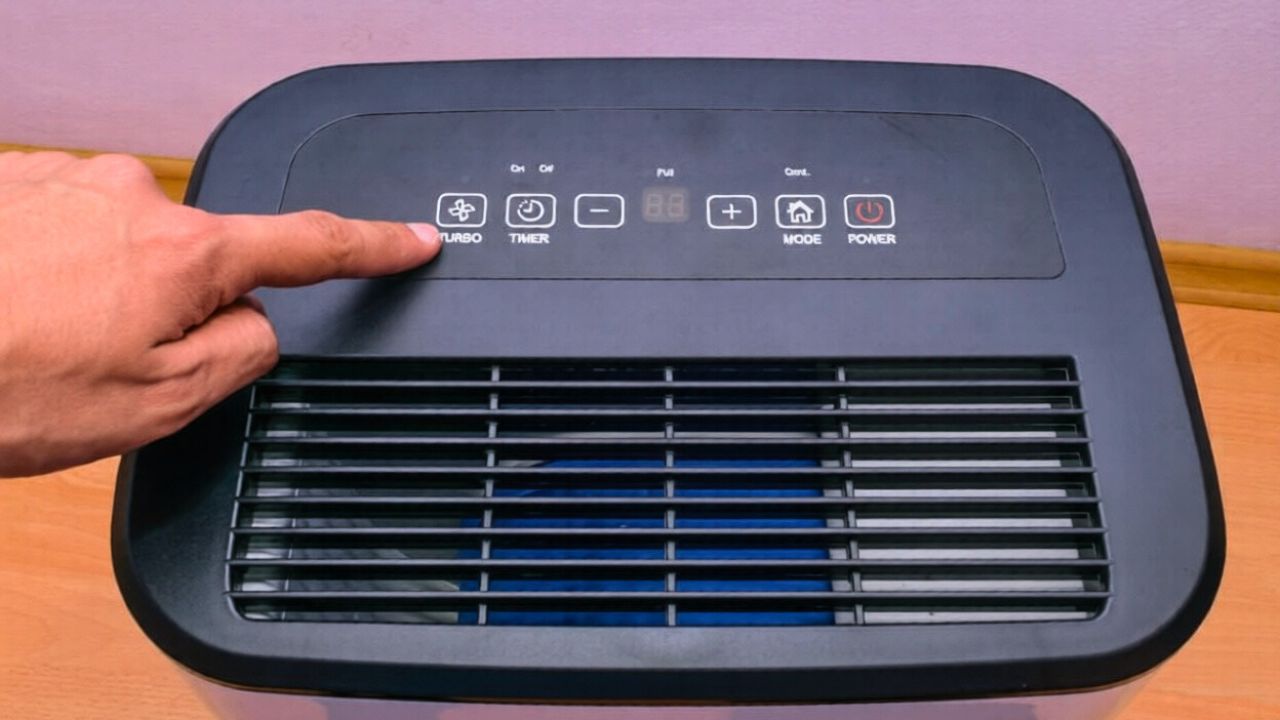
The setting that most often backfires is the one that sounds reassuringly gentle, the high “comfort” or “normal” mode that leaves your air at a relative humidity in the 60s. Many units ship with this as the default, and if you never touch the controls, you are effectively telling the machine to stop working while mold and dust mites are still thriving. Health experts point out that the optimal indoor range is between 30 and 50 percent, which is dry enough to discourage spores but not so dry that your skin and sinuses suffer.
Once humidity drifts above that sweet spot, you create ideal conditions for allergens and musty odors to spread through fabrics, carpets and drywall. One specialist warns that “Anything above about 60 percent” relative humidity becomes a problem, because mold and bacteria can multiply quickly in that band, especially in closed rooms and basements. If your dehumidifier is set to cycle off at that level, you are essentially paying for electricity to maintain a damp microclimate that keeps condensation on windows, leaves wardrobes smelling stale and can aggravate asthma, even though the display makes it look as if the machine is doing its job.
Why your basement is the first place this mistake shows up
Basements are the perfect laboratory for seeing how a wrong setting backfires, because they sit below grade, collect moisture from soil and plumbing, and often have limited ventilation. Building guidance is clear that Ideal basement moisture levels are between 30 and 50%, and that anything below 30% is too low and can lead to structural changes in wood that make floors creak and damage your belongings. If you park a dehumidifier downstairs and leave it on a vague “auto” or “comfort” mode that hovers closer to 60%, you are ignoring the very range that protects both your health and your house.
Seasonal advice for basements reinforces the same target. Indoor air specialists recommend that, even overnight in cooler months, you keep a basement dehumidifier in roughly the same 30 to 50% band, rather than letting it relax just because temperatures drop. One consultant, Gorbacz, notes that the best overnight humidity setting for a basement dehumidifier is essentially the same as during the day, because concrete, stored furniture and carpets continue to release moisture even when you are asleep. If you instead allow the unit to idle at a higher preset, the basement becomes a permanent moisture reservoir that feeds damp into the rest of the home.
How “set and forget” turns into a structural problem
Once you choose a forgiving humidity target, it is tempting to treat the dehumidifier like a slow cooker: set it once and walk away. That habit is exactly how a minor damp patch becomes a long term structural issue. When humidity is too low, the air becomes excessively dry, leading to skin irritation, respiratory discomfort and higher static, but when it is too high, you invite mold, warped wood and peeling paint. HVAC guidance explains that When humidity is too low or too high, your heating and cooling systems also have to work harder, which can increase energy bills by 10 to 20 percent.
In older properties, the stakes are even higher. Rising damp is often blamed on age alone, but Additional factors, such as poor drainage systems combined with external modifications like elevated garden beds, may undermine walls and increase the risks of rising damp. If you rely on a dehumidifier set too high to “manage” that moisture instead of addressing the source, you can mask warning signs while salts and water continue to climb through masonry. Over time, that can leave you with crumbling plaster and decayed skirting boards that no appliance setting can fix.
The science of the right number on the dial
To avoid that trap, you need to treat the humidity number on your dehumidifier as a safety limit, not a suggestion. Indoor air experts consistently point to a target between 30 and 50 percent relative humidity as the safest range for most homes, because it balances comfort, respiratory health and building protection. One allergy specialist, Dr. Tuck, stresses that the optimal relative humidity level is between 30 and 50 percent, and that Anything above about 60 percent allows damp, bacteria and allergens to flourish.
Manufacturers of crawl space and basement units echo that guidance, warning that “Setting the Wrong Humidity Level” is the first mistake that undermines performance. One technical guide notes that 45 to 50% is usually the sweet spot for living areas, while storage spaces and home theatres may tolerate slightly different targets depending on insulation and occupancy. As that guide puts it, Now that you know the ideal range, you should adjust the set point based on whether the unit is in a bedroom, a basement or a home theatre or somewhere else, instead of relying on a one size fits all factory preset.
Why “bigger” and “always on” are not automatic upgrades
Another way people accidentally make damp worse is by assuming that a larger dehumidifier running constantly will solve any moisture problem. In reality, an oversized unit set to a high humidity target will short cycle, gulping air in short bursts and then shutting off before it has properly dried surfaces and contents. Consumer advice on Choosing the right size explains that a dehumidifier works by drawing in moist air, passing it over cold coils and then blowing out drier air, and that if the room is too large for the unit, or the intake is blocked by furniture, the air will not be able to pass through effectively.
Whole house systems can run into a different version of the same problem. Technical notes on central dehumidifiers explain that Yes, most dehumidifiers are automatic and can run continuously, but that does not mean they should be ducted or controlled without a plan. One engineering guide on Dehumidifiers Run Continuously points out that 45 to 50% is usually the sweet spot, and that if you duct both ends of a whole house dehumidifier into the same plenum, or fail to account for a wet evaporator coil, the system might not remove enough moisture to make you comfortable. In that scenario, you can end up with a machine humming away in the background while rooms still feel clammy.
The hidden ways you overload your dehumidifier
Even if you set the right target, your daily habits can quietly overwhelm the machine. Everyday activities like cooking large pots of pasta, taking long hot showers, running unvented dryers and keeping multiple aquariums all release water into the air. One building restoration guide notes that Other activities like cooking, bathing, laundry, pet problems and contents like aquariums and waterbeds can raise humidity levels higher than is recommended, especially in apartments where windows stay closed for noise or security.
Clothes drying is another underestimated culprit. Home energy experts warn that Assuming that drying clothes naturally is cheapest can backfire if you are hanging laundry on racks in small rooms without ventilation. One analysis explains that Assuming that drying clothes naturally is cheapest, and Neglecting to empty the water reservoir, are among the most common mistakes that reduce a dehumidifier’s effectiveness. If you are constantly adding moisture with wet towels and never giving the unit a chance to catch up, the humidity setting you chose on day one becomes meaningless.
The reservoir, the filter and the myth of “maintenance free”
Letting the water bucket fill to the brim is not just an inconvenience, it is another way you accidentally tell the dehumidifier to stop fighting damp. Most portable units are designed to shut off automatically when the reservoir is full, which means that if you forget to empty it, the machine can sit idle for days while humidity creeps back up. Home energy guidance flags that Neglecting to empty the water reservoir, Although there is no set schedule, is a key reason people think their dehumidifier is broken when it has simply shut itself off for safety.
The air filter is just as important. If you never clean or replace it, dust and lint will choke the intake, forcing the fan and compressor to work harder for less moisture removal. Consumer advice lists “Not setting the right humidity level” and failing to maintain filters among the seven mistakes that keep rooms damp. One guide notes that Here are seven mistakes everyone makes with dehumidifiers, including buying the wrong dehumidifier, placing it in the wrong spot and ignoring the filter, and that correcting them is essential if you want to avoid damp, bacteria and allergens.
Placement, airflow and the illusion of a “dead” machine
Where you put the dehumidifier can matter as much as what number you choose. If you wedge it behind a sofa, push it into a corner or block the intake with curtains, you create a pocket of dry air around the unit while the rest of the room stays humid. Technical advice explains that a dehumidifier works by drawing in moist air and that if the intake and exhaust are obstructed, the air will not be able to pass through, which makes the machine seem weak even when the compressor is fine. Some homeowners then crank the humidity setting higher, thinking the unit is “over drying” the air, when in reality it has barely touched the room.
Central systems can suffer from similar illusions. HVAC specialists describe cases where a whole house dehumidifier “cannot keep up” because of ducting choices rather than raw capacity. One analysis notes that When you duct both ends of a dehumidifier into the same plenum, or allow a wet evaporator coil to sit in the airstream, the system might not remove enough moisture to make you comfortable. In that situation, raising the humidity set point to stop the unit from running “all the time” can leave you with a house that still feels sticky, even though the thermostat suggests everything is under control.
How to reset your habits so the dehumidifier finally helps
To turn things around, you need to treat the humidity setting as part of a broader routine rather than a one time decision. Start by setting your dehumidifier to a clear target between 30 and 50 percent, then use a separate hygrometer to verify that the room actually reaches and holds that range. Consumer guidance on common mistakes stresses that Not setting your dehumidifier to the right humidity level is an easy mistake to make, and that you should aim for around 50% to avoid damp, bacteria and allergens. Once you have that baseline, you can fine tune for comfort, nudging a little higher in winter to protect wood, or a little lower in summer to keep bedrooms feeling crisp.
Next, audit the rest of your space. Improve drainage around foundations where possible, since poor exterior design can feed moisture into walls no matter how well you run appliances. Remember that Additional factors like raised flower beds and blocked air bricks can increase the risks of rising damp, and that a dehumidifier is there to manage indoor air, not to compensate for structural water ingress. Combine that with simple habits like using extractor fans when you cook or shower, spacing out laundry loads, and emptying the reservoir before it is full, and the same machine that once seemed to make damp worse will finally start to earn its place on your energy bill.
Like Fix It Homestead’s content? Be sure to follow us.
Here’s more from us:
- I made Joanna Gaines’s Friendsgiving casserole and here is what I would keep
- Pump Shotguns That Jam the Moment You Actually Need Them
- The First 5 Things Guests Notice About Your Living Room at Christmas
- What Caliber Works Best for Groundhogs, Armadillos, and Other Digging Pests?
- Rifles worth keeping by the back door on any rural property
*This article was developed with AI-powered tools and has been carefully reviewed by our editors.