The DIY upgrade that can create a coverage headache if you don’t document it
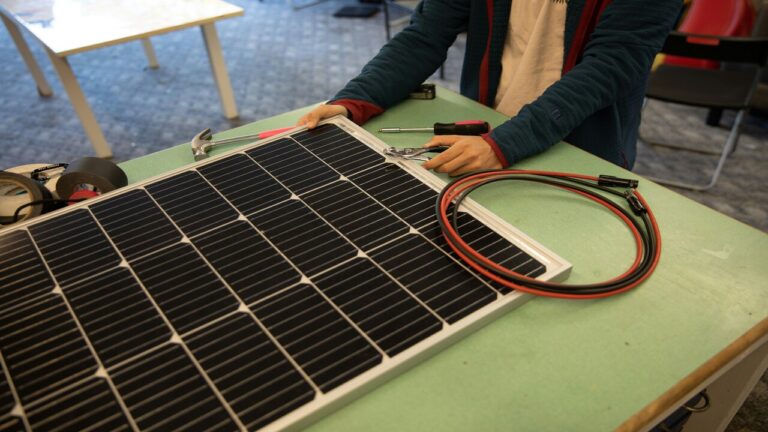
Upgrading your home yourself can feel like a win on every front: you save on labor, boost comfort, and add value. Yet the same DIY project that makes your space look and function better can quietly put your insurance coverage at risk if you do not document it and tell your insurer what changed. The gap between the home your policy describes and the home you actually live in is where claim disputes, coverage shortfalls, and costly surprises tend to appear.
The fix is not to stop improving your home, but to treat every significant upgrade as both a construction project and a paperwork project. When you plan ahead, keep records, and loop your insurer in at the right moments, you can enjoy the benefits of your handiwork without creating a coverage headache later.
Why DIY upgrades change your risk profile, whether you admit it or not
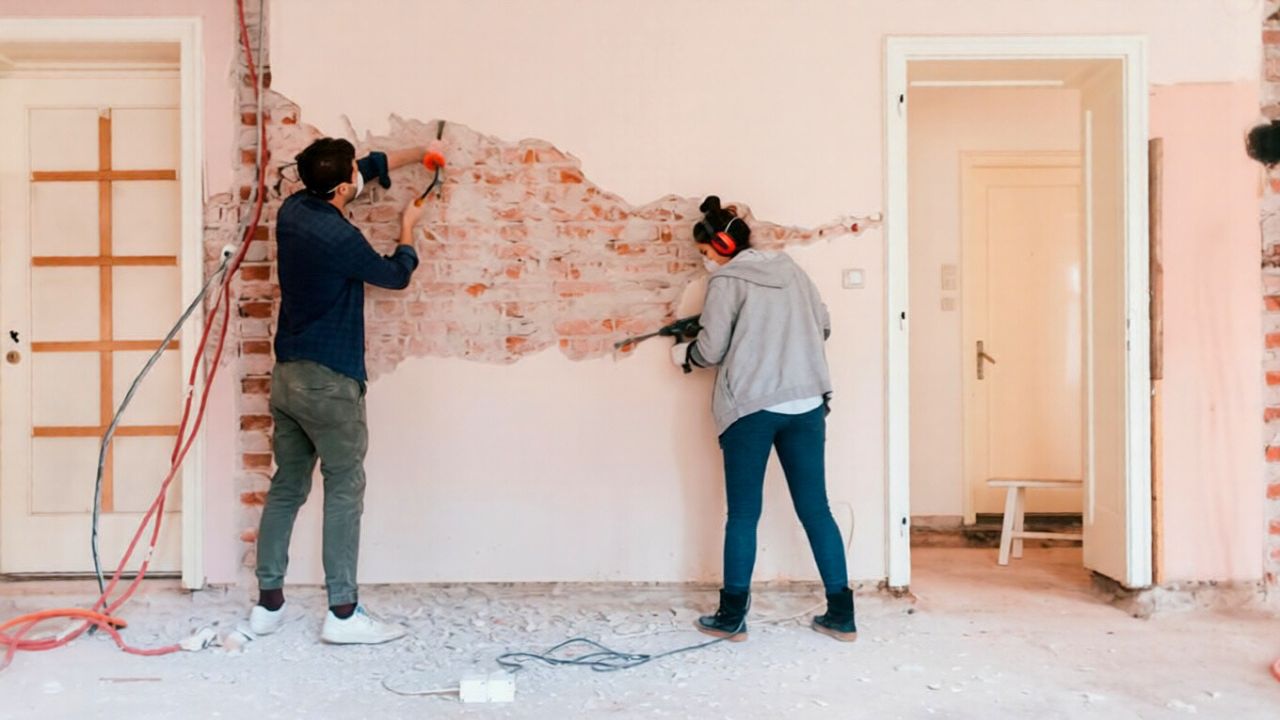
From your insurer’s perspective, your policy is built on a snapshot of your home at a specific moment in time. When you knock down a wall, add a bathroom, or rewire a room, you are not just changing the look, you are changing the risk the company originally agreed to cover. Any time you alter the footprint, layout, or systems, you are effectively rewriting the assumptions behind your premium and your limits, even if you never send a single photo or invoice to your agent.
That is why guidance on home upgrades stresses that any time you change your home’s value or structure, you are also changing its risk profile. If you add square footage, your replacement cost goes up. If you install new electrical or plumbing, the chance of certain types of loss can go down or up depending on how the work was done. When those changes are not reflected in your policy, you can end up underinsured for a major loss or facing tougher questions after a claim because the home on paper no longer matches the home on the ground.
The deceptively simple DIY that causes outsized trouble: electrical “fixes”
Among all the projects you might tackle, improvised electrical work is the one that most reliably alarms professionals. Home inspectors have been flagging the same pattern in reports: clever looking DIY electrical fixes that are not really fixes at all. These can include extension cords used as permanent wiring, overloaded power strips tucked behind entertainment centers, or junction boxes buried behind drywall where no one can safely reach them. To you, it might feel like a quick solution. To an inspector or adjuster, it looks like a fire waiting to happen.
When home inspectors keep circling the same red flag, insurers notice too, because electrical faults are a leading cause of house fires. If a blaze can be traced back to unpermitted or non‑code DIY wiring, you invite scrutiny over whether the damage is covered, especially if your policy requires work to comply with local codes. Even if the claim is ultimately paid, you may face higher premiums or new conditions on your coverage. The cheapest way to avoid that outcome is to treat electrical work as a professional job, or at minimum to document permits, inspections, and licensed help when you are involved in any way.
Major remodels and additions: when your policy falls behind your house
Big projects like a new kitchen, a finished basement, or a primary suite addition are the upgrades you are most likely to brag about, but they are also the ones most likely to outgrow your coverage. If you gut a kitchen and install custom cabinets, stone counters, and high‑end appliances, you have probably added tens of thousands of dollars to what it would cost to rebuild that space after a fire. If your dwelling limit never moved, you are effectively betting that you will never need to replace the upgraded version of your home, only the old one.
Reporting on 7 home upgrades that complicate insurance highlights that Major kitchen and bath remodels are at the top of the list, precisely because they change both the value and the materials an insurer would have to pay to replace. Any time you expand a room, add a bathroom, or finish previously unfinished space, you are also changing the footprint your policy was priced on. If you do not update your insurer, you risk being underinsured for a total loss or facing disputes over whether the new finishes were ever disclosed.
Critical systems: plumbing, roofs, and the upgrades that can help or hurt you
Some of the most consequential DIY projects are the ones you barely see once they are finished. Replacing a roof, updating old galvanized plumbing, or swapping out a furnace can dramatically change your risk of leaks, fires, or other losses. Done properly, these upgrades can actually make you a more attractive customer, because a newer roof or modern wiring often means fewer claims. Done poorly, or without permits, they can have the opposite effect, turning your home into a bigger question mark for any insurer who has to pay when something goes wrong.
Guidance on upgrading critical systems like your roof, electrical, or plumbing stresses that these projects can trigger tougher questions after a claim if they are not documented. If a pipe bursts in a bathroom you recently re‑plumbed yourself, an adjuster will want to know who did the work, whether it was inspected, and what materials were used. Clear records and proof that you followed code can turn that conversation from adversarial to straightforward, and in some cases can even support a request to re‑rate your policy based on a lower risk of loss.
Where insurers draw the line on DIY and liability
Homeowner’s insurance is not a blank check for any project you decide to tackle with a YouTube tutorial. Policies often contain specific language about renovations, unlicensed work, and the use of contractors. Undertaking major projects without the right permits or expertise can create liability gaps, especially if your work injures someone else or damages a neighbor’s property. If a deck you built collapses during a party or a retaining wall you poured fails and sends water into the house next door, the question becomes not just what happened, but whether you met the policy’s conditions.
Some insurers explicitly warn that Homeowner’s insurance policies often have stipulations regarding DIY renovations, and that Undertaking major projects can shift responsibility onto you if something goes wrong. If you hire subcontractors, you may be expected to verify that they carry their own coverage. If you act as your own general contractor, you might need additional protection beyond a standard homeowner’s policy. The more ambitious your DIY becomes, the more important it is to read your policy’s renovation language and ask your agent where the lines are.
Documentation: the difference between a smooth claim and a painful argument
Insurers are not in your home when you install new windows, add built‑ins, or upgrade your flooring. When a storm, fire, or burst pipe hits, they rely on what you can prove about the condition and value of your property before the loss. That is why documentation is not a bureaucratic chore, it is your best evidence. Detailed records turn your memory of a project into something an adjuster can verify, which shortens disputes and strengthens your position if there is any question about what was damaged.
Experts on insurance and remodeling repeatedly urge you to Keep detailed records of your projects, including receipts, contracts, and photos. Separate guidance on what to document emphasizes Detailed descriptions of the improvement, the materials used, and the dates of work. A simple system can help: before‑and‑after photos stored in the cloud, a folder for invoices and permits, and a short note on who did the work. When you later ask your insurer to recognize a higher replacement cost or to pay for upgraded finishes after a loss, those records become your strongest ally.
When and how to tell your insurer about improvements
Even the best documentation will not help if your insurer never learns that your home has changed. Most carriers expect you to report significant renovations, and some set specific dollar thresholds that trigger a notification requirement. If you quietly spend tens of thousands of dollars on upgrades without saying a word, you are effectively asking your insurer to cover a more expensive home for the old price, and that is where friction tends to surface after a claim.
Consumer advocates advise that you Make sure you tell your agent about improvements, noting that Most carriers require you to report any renovations costing a specified amount so they can adjust your coverage. Insurers that focus on renovations echo that message, explaining that Here are some common renovations that call for a second look at gaps in a standard policy, including DIY projects that change your home’s structure or systems. A practical rule of thumb is to call your agent before you start anything that affects square footage, roofs, plumbing, electrical, or major finishes, and again when the work is complete so you can review limits and endorsements.
Not every project is a red flag, but every project is a chance to check coverage
Plenty of DIY work is squarely in the safe zone. Painting walls, installing peel‑and‑stick backsplash, or fixing a stuck sliding door are the kinds of tasks that save you money without meaningfully changing your risk profile. Guidance on DIY Home Repairs You Can Tackle Yourself highlights jobs like Fixing a Stuck or Hard sliding door by cleaning tracks and tightening loose connections, which are unlikely to trigger any concern from your insurer. These small repairs can even prevent claims by stopping minor issues from turning into major damage.
Still, every project is an opportunity to glance at your policy and ask whether your coverage matches the home you are living in today. Resources on Home Renovations That Can Affect Your Home Insurance Policy point out that it is possible that the cost to rebuild your home has climbed well beyond your original limits, especially after multiple rounds of improvements. Even if you are only swapping out fixtures or refreshing a room, it is worth checking whether your dwelling limit, personal property coverage, and liability protection still feel adequate for the way you use and enjoy your space now.
Turning your DIY habit into an insurance advantage
If you approach DIY with the same discipline insurers use to evaluate risk, your projects can actually strengthen your coverage story instead of complicating it. Start by planning upgrades with code compliance and safety in mind, especially for anything involving structural changes, gas lines, or wiring. Use licensed professionals where required, pull permits when your city expects them, and keep a running log of what you have done to the property. That way, when you sit down with your agent, you are not guessing, you are presenting a clear record of how you have invested in the home.
Insurers that specialize in renovation risk note that DIY work is not automatically a problem, but it does call for a second look at coverage gaps and endorsements. If you can show that your projects reduced hazards, such as replacing old wiring or installing impact‑rated windows, you may even have a case for better terms. The same documentation that protects you in a claim can support a conversation about discounts or updated limits. In other words, the habit that keeps your home in top shape can also keep your insurance aligned with reality, as long as you treat paperwork as part of the project rather than an afterthought.
Like Fix It Homestead’s content? Be sure to follow us.
Here’s more from us:
- I made Joanna Gaines’s Friendsgiving casserole and here is what I would keep
- Pump Shotguns That Jam the Moment You Actually Need Them
- The First 5 Things Guests Notice About Your Living Room at Christmas
- What Caliber Works Best for Groundhogs, Armadillos, and Other Digging Pests?
- Rifles worth keeping by the back door on any rural property
*This article was developed with AI-powered tools and has been carefully reviewed by our editors.