The easiest way to make a coffee table look put-together without adding clutter
A coffee table sits at the visual center of your living room, so when it looks chaotic, the whole space feels unfinished. The easiest way to make it look intentional without piling on clutter is to treat it like a small, hardworking vignette: a few smart pieces, arranged with purpose, that still leave room for real life. With a simple structure and a handful of well chosen objects, you can create a surface that looks styled, stays functional, and never tips into “too much.”
Start with a clear purpose, not a pile of objects
Before you reach for a single candle or coffee table book, decide what you actually need this surface to do. If you use it daily for drinks, remotes, and laptops, your styling has to leave generous open space. If it is more of a showpiece in a formal sitting room, you can lean a little harder into sculptural decor. Designers often talk about a well styled coffee table as one that balances beauty and practicality, which is why the most successful arrangements start with a clear brief in your mind rather than a random assortment of pretty things.
Once you know the purpose, you can edit ruthlessly. A simple test is to ask whether each item either serves the function you just defined or contributes obvious visual structure. If it does neither, it becomes visual noise. Guides that break down what makes a well styled coffee table emphasize this kind of intentionality, noting that you should be able to describe why every object is there. When you approach the surface this way, you automatically avoid clutter, because anything that does not earn its place never lands on the table in the first place.
Use a simple “3 + 1” structure as your styling shortcut
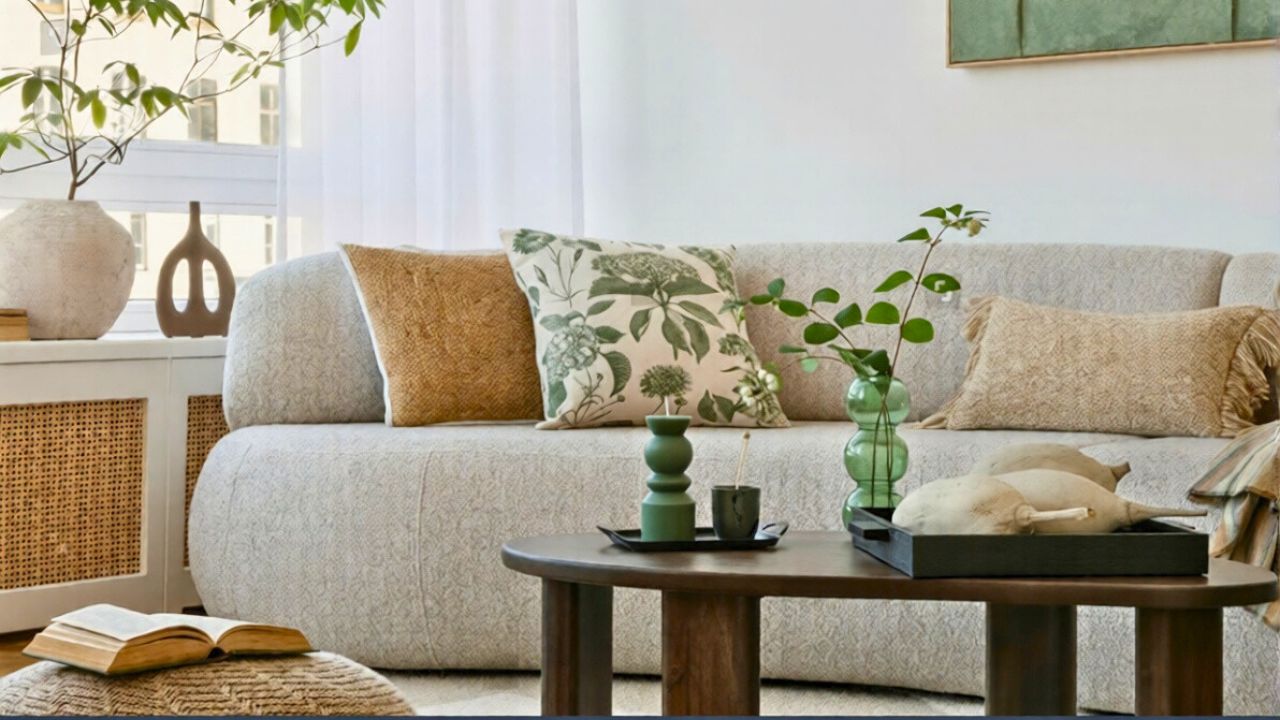
Once you have a purpose, you need a structure that keeps the table looking pulled together on autopilot. A reliable shortcut is the “3 + 1” formula: one anchoring tray, one tall element, one medium layer, plus one personal spark. This approach gives you four clear roles to fill, so you are not tempted to keep adding “just one more” object. It also naturally creates variation in height and texture, which is what makes a small arrangement feel designed instead of scattered.
Think of the tray as your base, the tall element as your vertical line, the medium layer as your horizontal weight, and the personal piece as your character note. When you follow a structure like this, you are essentially applying the same visual logic as the rule of thirds, but in three dimensions. Design advice that recommends a “3 + 1” layout explains that a single tray plus three distinct elements can divide the surface into balanced, rule-of-thirds zones without overwhelming it, which is why using a 3 + 1 formula is such an efficient way to make your coffee table look finished with very little on it.
Let a tray do the heavy lifting
If you only change one thing about your coffee table, make it this: add a tray. A tray instantly corrals loose items into a single visual block, which makes even a busy collection read as one organized unit. It also creates a clear boundary between styled decor and open, usable space, so you can slide the tray out of the way when you need the full surface for snacks or a laptop, then return it to its spot and have the table look styled again in seconds.
Designers often call the tray your “secret weapon” because it is both practical and aesthetic. A rectangular wood tray can echo the lines of a modern sofa, while a round rattan version softens a room full of straight edges. Advice that focuses on EASY styling tips for your coffee table puts “Start with a tray” at the top of the list and even describes it as “your secret weapon,” underscoring how powerful this one move can be. Once the tray is in place, you can limit most of your decor to that footprint, which keeps the rest of the table blissfully clear.
Anchor the look with one tall element
Every put together coffee table needs a bit of height to keep the eye moving. Without a taller piece, the surface can look flat and scattered, no matter how beautiful the individual objects are. A single vase, a sculptural candleholder, or a small plant can create that vertical anchor. The key is to choose one tall element, not several competing towers, so the table still feels calm and you can see across it when you are seated.
Greenery is one of the easiest ways to add this height without visual heaviness. A clear glass vase with a few branches, a compact plant, or a small arrangement of florals introduces life and soft movement. Styling guides that list WHAT DECOR ITEMS SHOULD USE on a coffee table often start with a vase with greenery or florals and plants, precisely because they give you that vertical line while staying airy. When you place your tall element slightly off center, it also helps create a natural focal point that makes the rest of the arrangement feel intentional.
Layer in one medium piece for quiet weight
With a tray and a tall element in place, you need one medium piece to ground the composition. This is usually where a stack of books, a low bowl, or a lidded box comes in. A short stack of hardcovers, for example, adds a horizontal plane that visually stabilizes the taller item beside it. It also gives you a platform for a small object, like a candle or bead strand, which adds interest without requiring more space on the table itself.
Think of this medium layer as your “quiet weight.” It should be substantial enough to register from across the room, but not so large that it dominates the surface. Many designers rely on coffee table books for this role because they are both decorative and functional, giving guests something to flip through while also acting as a base for other pieces. Guidance that breaks down decorative objects notes that these medium scale items are a great way to add personality and dimension, especially when they are chosen to reflect the interests of the people who live in the space.
Add one personal spark to keep it from feeling staged
Without something personal, even the most carefully structured coffee table can feel like a showroom. The final “+1” in the 3 + 1 formula is your chance to add a small, meaningful object that breaks the polish just enough. This might be a ceramic dish you picked up while traveling, a favorite candle in a scent you actually burn, or a small framed photo. The piece should be modest in size but rich in story, so it adds character without clutter.
To keep the table from feeling busy, limit yourself to one or two of these personal sparks and nest them into the tray or on top of your book stack rather than scattering them across the surface. That way, they read as part of the structure instead of extra items. Advice that outlines how to style a coffee table often highlights this final layer as the element that makes the arrangement feel like it belongs to you, not to a catalog. When you are tempted to add more, remember that the goal is a single, clear story, not a full biography, and let that one object do the talking.
Borrow from minimalist decor to avoid visual noise
If you are worried about clutter, leaning into minimalist principles will keep you honest. Minimalist coffee table styling is not about having nothing on the surface, it is about choosing a few pieces with strong shapes and letting negative space do the rest. That might mean a single tray with a vase and a candle, or just a low bowl and a stack of books. The empty areas around those items are what make the arrangement feel calm and deliberate.
Natural materials are especially effective in this pared back approach, because they add texture without shouting for attention. A stone bowl, a wooden box, or a small plant can bring warmth and interest while still reading as simple. Guides that focus on minimalist coffee table decor ideas recommend incorporating natural elements to inject character into the space, precisely because they keep the palette quiet while adding depth. When you edit with this mindset, you are far less likely to let random knickknacks accumulate on the table.
Keep function front and center so the table works hard
A coffee table that looks good but does not work for your daily life will quickly revert to clutter as you drop real items on top of the decor. To prevent that, build function into the styling from the start. Leave a clear landing zone for a mug or a plate, and consider using lidded boxes or small baskets on the tray to hide remotes, chargers, and coasters. If you often put your feet up, a soft ottoman in place of a hard table can be topped with a tray when you need a stable surface, then cleared for lounging.
Design ideas that explore coffee table decor ideas for every design style point out that the best items are those that serve both form and function, such as trays, books, and coasters that look attractive but also support everyday use. When you choose pieces that work this hard, you do not need many of them, which keeps the surface visually light. The result is a table that feels styled even when it is in active use, because everything that lives there has a job and a defined spot.
Refresh with small swaps instead of constant additions
Once your structure is in place, resist the urge to keep adding more. Instead, treat your coffee table like a rotating gallery. Swap out the flowers in your vase, change the candle scent with the season, or trade one book in your stack for another that reflects what you are currently reading. These small changes keep the table feeling fresh without disturbing the underlying layout that keeps it tidy.
If you like to decorate for holidays or special occasions, use the same discipline. Replace your usual personal object with a seasonal piece rather than layering new items on top of the existing arrangement. You might tuck a small ornament into the tray in winter or switch to a lighter, woven box in summer. By keeping the number of objects consistent and only changing their details, you maintain that put together look. Advice that breaks styling down into EASY steps often stresses this kind of simple refresh, because it lets you enjoy variety without sliding back into clutter.
Like Fix It Homestead’s content? Be sure to follow us.
Here’s more from us:
- I made Joanna Gaines’s Friendsgiving casserole and here is what I would keep
- Pump Shotguns That Jam the Moment You Actually Need Them
- The First 5 Things Guests Notice About Your Living Room at Christmas
- What Caliber Works Best for Groundhogs, Armadillos, and Other Digging Pests?
- Rifles worth keeping by the back door on any rural property
*This article was developed with AI-powered tools and has been carefully reviewed by our editors.