
The easiest way to store outdoor cushions for a dry spring
Outdoor cushions are expensive, and nothing’s more disappointing than pulling them out in spring and finding mildew spots, faded fabric, or a damp smell that never quite comes out. The key to keeping them nice has less to do with fancy products and more to do with how you put them away in the first place.
Start with a real clean-and-dry session
Before you even think about stacking cushions, clean them. Brush off loose dirt and leaves, then spot clean any stains with mild soap and water. If the covers unzip and are washable, follow the care tag and let everything dry completely.
This is the part most people rush, but it matters more than anything. Trapping even a little moisture or grime in storage is what leads to mildew and that stale smell. Give them plenty of time in the sun to dry through, not just on the surface.
Pick a storage spot that stays dry and off the ground
Basements, damp garages, and outdoor sheds with leaks are hard on cushions. If possible, choose a spot that stays relatively dry and isn’t prone to flooding or heavy condensation—a covered porch, a dry part of the garage, or an indoor closet.
Keep cushions off bare concrete if you can. Use a shelf, a pallet, or even a tarp as a barrier. Concrete can hold moisture and transfer it into the cushions slowly over the winter.
Use breathable covers, not airtight plastic

Wrapping cushions in thick plastic sounds smart, but it can trap any leftover moisture and encourage mildew. Instead, aim for breathable protection. You can use:
- Fabric storage bags
- Old cotton sheets or duvet covers
- Cushion storage boxes designed to ventilate
These keep dust off and help prevent fading from light while still allowing air to move around a bit. If you do use plastic bins, try not to pack them to the absolute top and consider tossing in a moisture absorber.
Don’t cram or compress them more than necessary
Cushions hold their shape best when they’re not smashed for months. Stack them neatly rather than forcing them into a space that’s smaller than they are. If you have to press them a bit, keep the heavier, firmer ones on the bottom and lighter ones on top.
Avoid stacking anything heavy on top of stored cushions—no toolboxes, paint cans, or random garage items. Flat, compressed foam takes a long time to bounce back, and sometimes it never fully does.
Label and group by seating area
If you’ve got multiple sets—porch rockers, dining chairs, bench, lounge chairs—group cushion sets together when you store them. Label bags or bins by area so you’re not digging through a random pile in the spring trying to figure out what goes where.
It sounds small, but being able to grab “front porch set” in one go makes setup day much smoother. You can bring out one group at a time as the weather warms up instead of dragging everything out at once.
Do a quick mid-winter check if you’re in and out of that space
If your storage spot is somewhere you walk through regularly, take a minute halfway through winter to glance at the cushions. Make sure there are no signs of leaks, critters, or obvious moisture.
Catching a small problem in January is a lot easier than opening up a bin in April and realizing everything needs deep cleaning—or replacing. A quick look is usually all it takes.
Air them out before putting them back into daily use
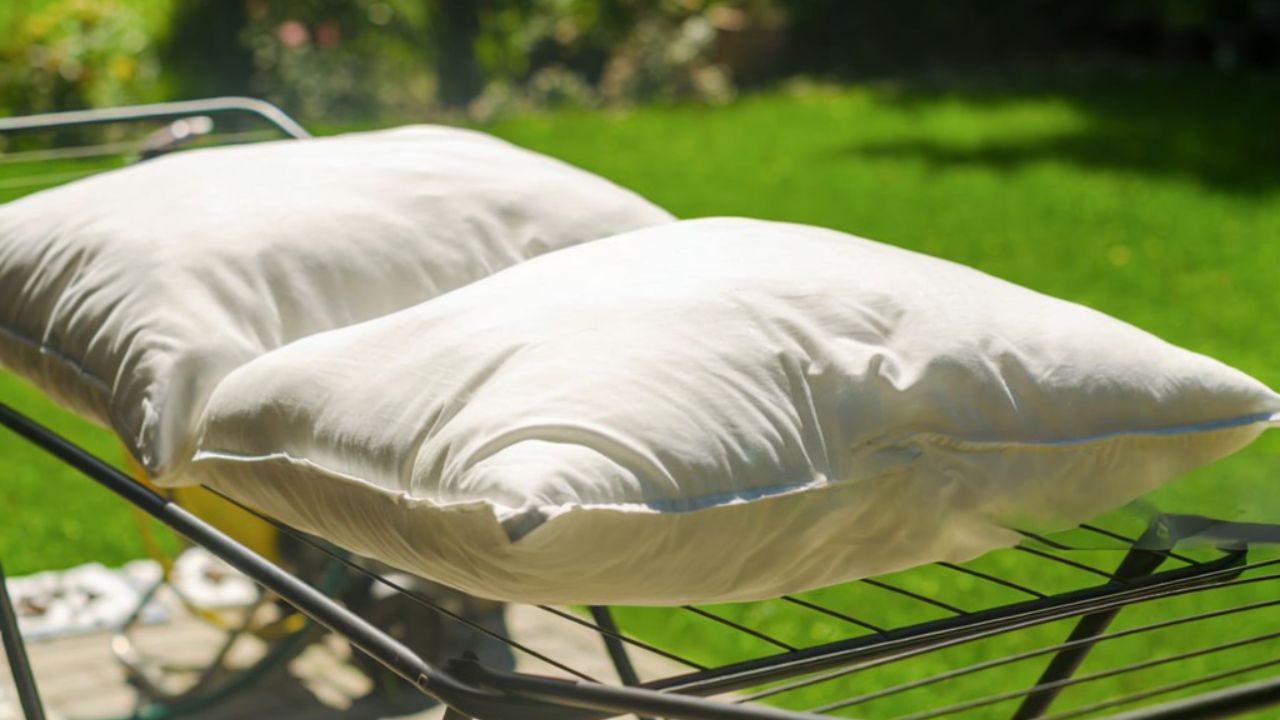
When spring finally arrives, resist the urge to plop cushions straight on the furniture. Instead, set them out in the sun for a few hours. Give them a little time to fluff back up, release any mild storage smells, and warm through.
If you see small dust marks or creases, a quick vacuum and light spot clean will usually take care of it. Because you stored them clean and dry, this part is more about refreshing than rescuing.
A little intention on the front end—cleaning, drying, choosing a good spot—means you’re not shelling out for new cushions every couple of years. You get to open spring with seating that still looks and feels like something you’re happy to sit on, not something you’re apologizing for.
Like Fix It Homestead’s content? Be sure to follow us.
- I made Joanna Gaines’s Friendsgiving casserole and here is what I would keep
- Pump Shotguns That Jam the Moment You Actually Need Them
- The First 5 Things Guests Notice About Your Living Room at Christmas
- What Caliber Works Best for Groundhogs, Armadillos, and Other Digging Pests?
- Rifles worth keeping by the back door on any rural property
*This article was developed with AI-powered tools and has been carefully reviewed by our editors.