The garage fire-prevention step most people skip, even when they know better
Most homeowners can list the obvious garage fire hazards, from gas cans to overloaded outlets, yet a critical layer of protection still goes missing in countless houses: a dedicated way to detect heat or flames in the garage before they reach the living space. You might keep the floor swept and the gas cap tight, but if nothing in that room can sense a fire early and alert you, the rest of your precautions are working without a safety net. The gap between what you know you should do and what is actually installed over your parked car is where many of the worst garage fires start to turn into house fires.
Closing that gap means treating the garage as part of your home’s fire protection system, not a separate, messy afterthought. It is where you park fuel filled vehicles, plug in power tools, and stack cardboard boxes, so you need both prevention and early warning working together instead of relying on luck. The most effective step most people skip is installing the right kind of detection in the garage and pairing it with basic structural and storage fixes that keep a small flare up from becoming a catastrophic blaze.
Why garages are uniquely dangerous compared with the rest of your home
Your garage is not just another room, it is a concentrated bundle of fire risks that rarely gets the same attention as a kitchen or furnace room. You park a vehicle full of gasoline, charge batteries, run extension cords, and stack boxes of belongings that can burn fast. Federal fire guidance notes that attached garages and basements combine combustible storage with ignition sources like appliances and electrical panels, which is why they are singled out for special precautions in official basement and garage fire advice.
On top of that, the garage often shares a wall and sometimes a ceiling with bedrooms or living areas, so a fire that starts there can break into the house in minutes. State fire officials emphasize that the most important fire safety fact about your garage is that it is attached to your home, and because of that, flames and smoke can quickly reach hallways and stairwells if the barrier fails, a point underscored in a safety bulletin that states, on Page 2, that “Because of” this attachment, garage fires tend to spread rapidly. When you combine that structural reality with the way garages are used, you get a space where a small, unnoticed ignition can become a whole house emergency before anyone smells smoke.
The skipped step: real detection in a room built to burn
Most people assume that if they have interconnected smoke alarms in the hallway, they are covered everywhere, but garages are the exception that quietly undermines that confidence. Standard smoke alarms are not recommended in garages because normal exhaust and dust can trigger constant false alerts, so builders often leave the space unwired and unmonitored. Fire protection specialists point out that this is exactly why you need a different kind of device there, explaining in one detailed guide titled “Why does your garage need a heat detector?” that Why smoke detectors are not used in the garage and why many homeowners simply do not bother installing anything in their garages at all.
That blind spot is not theoretical. In a widely shared video, a homeowner walks viewers through his own setup and admits that “In the” garage there is no way to tell the family about a fire because “There” is no smoke alarm in the garage, a moment captured in an In the social media reel that doubles as a fire safety pitch. When you combine that kind of candid confession with industry warnings that, despite the severity of garage fire incidents, many homeowners remain unaware of the importance of dedicated garage fire prevention and that traditional smoke alarms are not recommended in garages, as one flame detection company notes in its “Despite the” analysis of Despite the garage fire problem, the pattern is clear: the most important layer of protection in this room is the one most people never install.
How a heat detector or flame sensor actually buys you time
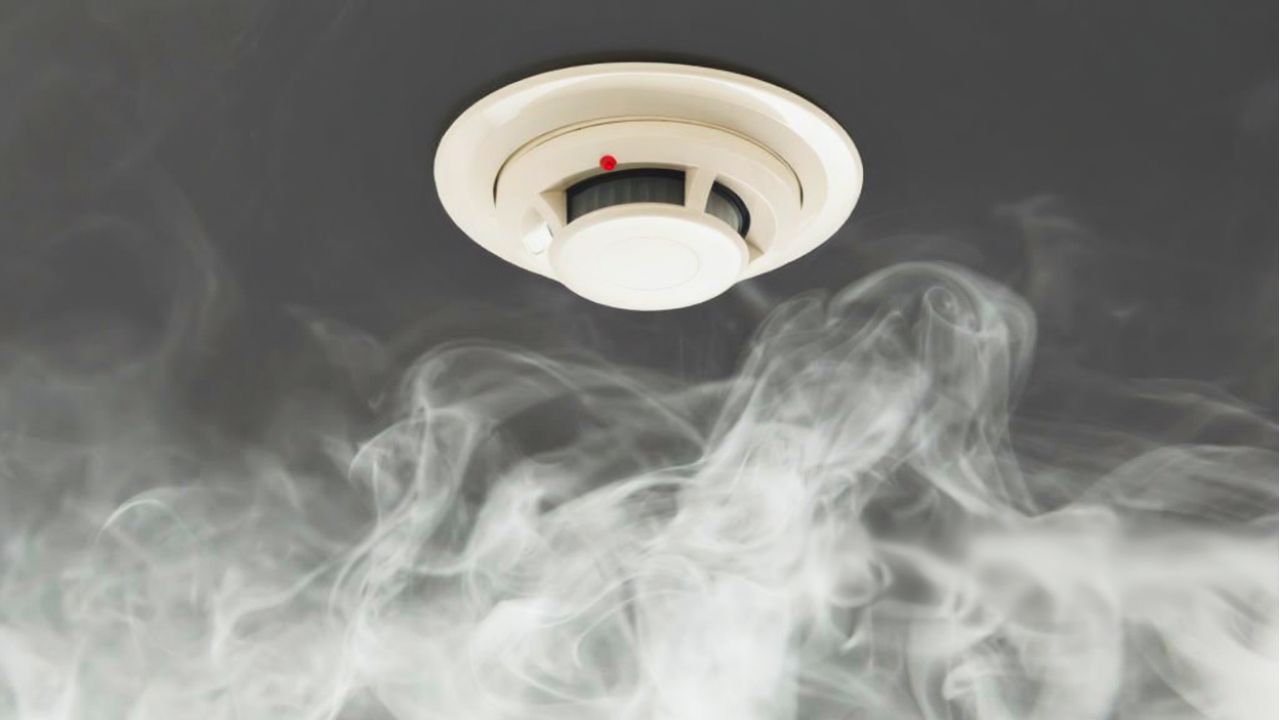
Once you accept that a standard smoke alarm is a poor fit for the garage, the question becomes what to put there instead. Fire safety guidance for homeowners recommends a heat alarm rather than a smoke alarm in this space, specifically calling out that you should install a heat alarm in the garage and in any attic access from the garage so that a rise in temperature, not just visible smoke, will trigger an alert, advice spelled out in a set of Garage Fire Safety Tips. A fixed temperature or rate of rise heat detector can be tied into your existing alarm system or used as a standalone siren, giving you a warning while a fire is still contained to one corner of the garage.
Some systems go further and use optical flame detection to spot the specific light signature of a fire, which can be especially useful in a space where smoke patterns are unpredictable. Specialists in this technology stress that, despite the severity of garage fire incidents, many homeowners are unaware of the importance of garage fire prevention and that a key solution is flame detection, particularly because traditional smoke alarms are not recommended in garages, a point made explicitly in their garage fire prevention guidance. Whether you choose a simple wired heat sensor or a more advanced flame detector, the effect is the same: you reclaim the minutes that usually disappear between a spark in the garage and the moment a hallway alarm finally reacts.
The door between your garage and living area is a fire device, not just a shortcut
Even with better detection, the physical barrier between the garage and the rest of your home is your next line of defense, and it is often quietly compromised. Safety standards call for a solid, fire resistant door between the garage and the house, and garage specialists advise you to upgrade fire protection by choosing fire rated materials for the main overhead door and paying close attention to “The Interior Entry Door,” the door between your garage and your home, which should meet code and close properly, as highlighted in a set of Upgrade Fire recommendations that also stress care of electrical safety and maintenance.
Inspect that “Door Connecting Garage” to the “Living Area” with the same seriousness you would give a front door lock. Home inspection guidance warns you to avoid installing pet doors in this barrier, noting under the heading “No Pet Doors” that you should “Avoid” them because flames and gasoline vapor can spread more easily through such openings, and that a properly sealed door helps keep gasoline vapor from entering the living area, a point spelled out in detail in their Door Connecting Garage guidance. If the door does not self close, the frame is warped, or there is a flap cut into the bottom for a cat, you have effectively poked holes in the firewall that is supposed to buy your family time to escape.
Flammable storage: what really belongs in the garage, and what does not
Even the best detector and door will struggle if the garage is packed with fuel. Fire departments and restoration experts are blunt on this point: flammable substances such as paints, gasoline, oil, or varnishes should be stored outside the garage and home, preferably in a separate shed, because they dramatically increase the intensity and speed of a fire, a warning repeated in Nov guidance on flammable storage. Local fire safety campaigns echo that advice, listing “Store oil, gasoline, paints, propane and varnishes in a shed away from your home” as the first bullet under “Garage & Basement Fire Tips,” and urging you to “Store” and “Keep” ignition sources and combustibles separated, as laid out in their Garage and basement fire tips.
Of course, many homeowners still keep fuel and chemicals in the garage, which is why you need to manage them carefully if they cannot be moved. One garage door company’s safety guide notes that there is nothing wrong with using your garage space for storage, but stresses that you should “Manage the Fuel and Other Flammable Materials” and that “There” is a right way to do it, recommending that you keep items organized and use proper containers so that clutter does not turn a small fire into a wall of flame, advice detailed in their Manage the Fuel and Other Flammable Materials section. Another part of the same guidance suggests that, “Better yet, keep them in a detached shed” and, if they must stay in the garage, use UL listed safety cans and avoid stacking “The Cardboard Tr” boxes and other combustibles around them, a point made explicitly in the Better storage recommendations.
Clutter, cardboard, and the myth that “it is just storage”
Beyond obvious fuel, the everyday clutter that creeps across a garage floor can quietly turn a minor incident into a disaster. Home inspection experts describe “Essential Garage Safety Tips to Prevent Fire Hazards” and put “Declutter and Organize Regularly” at the top of the list, explaining that “One of the” primary causes of garage fire spread is the way boxes, old furniture, and loose items give flames a ladder to climb, a point they drive home in their Essential Garage Safety Tips for homeowners. Insurance advisors echo that message under “Garage Safety Tip # 4: Consider Alternate Storage for Flammable Items & Items that Attract Pests,” noting that “Knowing” what not to store in your garage, from sleeping bags and clothing to paper goods, can reduce both fire load and pest problems, as laid out in their Garage Safety Tip guidance.
Even if you are not ready for a full minimalist makeover, small changes matter. One regional insurance blog urges homeowners to “Keep your garage safe with these 5 tips!” and starts with “Declutter!” underlining that the garage can seem like a great place to store belongings, but that piles of boxes and loose items can block exits and feed a fire, advice spelled out in their Keep and “Declutter” checklist. Another garage safety article reinforces that you should not treat the space as a dumping ground, advising that flammable substances be stored in an outside shed away from your home and that you avoid leaving appliances plugged in for extended periods, a warning included in their Sep overview of steps you should take to prevent garage fires.
Electrical “nightmares waiting to spark” in a power hungry room
Garages are often hubs for power hungry devices like power tools, air compressors, and space heaters, and the way you plug them in can quietly set the stage for a fire. Restoration specialists describe “Electrical Nightmares Waiting” to “Spark” in this room, noting that “Garages” are frequently wired with only a few outlets, which tempts you to daisy chain power strips and overload circuits, a pattern they call out in their Electrical Nightmares Waiting analysis of common mistakes that lead to disaster. When you add in older extension cords, battery chargers left on indefinitely, and portable heaters too close to boxes, the risk multiplies.
Basic electrical discipline in the garage is not glamorous, but it is essential. Fire safety checklists urge you to avoid overloading outlets, unplug tools and chargers when not in use, and keep combustible materials away from any device that gets hot, advice that appears alongside other basement and garage recommendations from national fire authorities. Another garage safety guide folds electrical care into a broader list of tips, reminding you that according to safety standards, the interior entry door and electrical systems should be maintained together as part of a comprehensive approach to garage fire safety, as outlined in the Care of electrical safety and maintenance section.
What official fire agencies say a safer garage should look like
If you want a simple benchmark for whether your garage is reasonably protected, it helps to look at how fire agencies describe a safer setup. National guidance on home fire prevention spells out specific steps you can take to safeguard your garage, listing measures such as proper storage of combustibles, keeping ignition sources away from flammable vapors, and ensuring that walls and doors between the garage and living space are intact, a set of recommendations summarized as “You can safeguard your garage in several ways” and “Among” the key tips from the U.S. “Fire Ad”ministration in one You focused overview. Those same themes appear in state level materials that stress the attached nature of the garage and the need to treat it as part of the home’s fire envelope.
Consumer facing safety brands echo and translate that guidance into practical checklists. One widely circulated list of “Garage Safety Tips” urges you to “Help” prevent garage fires by following a few core rules, starting with “Store combustible liquids like oils” and gasoline in approved containers and keeping a fire extinguisher in an easy to access location, advice laid out in their Garage Safety Tips. Another set of “Garage Fire Safety Tips” reinforces that you should “Store” flammable substances such as paints, gasoline, oil, or varnishes outside the garage and home, preferably in a separate shed, and that you should install a heat alarm rather than a smoke alarm in the garage and in any attic access from the garage, guidance spelled out in detail in their Garage Fire Safety Tips. When you line up these official and consumer recommendations, a consistent picture emerges of a garage that is decluttered, carefully stored, structurally sealed, and, crucially, equipped with its own way to sense trouble.
Putting it all together: a practical checklist for your next weekend
Turning all of this guidance into action does not require a full renovation, but it does demand that you stop treating the garage as an afterthought. Start with the skipped step by choosing and installing a heat detector or flame sensor that is appropriate for your space, then make sure it is interconnected or at least loud enough to wake you at night. From there, walk the perimeter and check that the door between the garage and the house is solid, self closing, and free of pet doors or gaps, using the “Door Connecting Garage” and “No Pet Doors” warnings as your standard for what a proper barrier should look like, as described in the Living Area fire hazard guidance.
Next, tackle storage and electrical issues in one deliberate sweep. Move paints, gasoline, oil, and varnishes to a detached shed if you have one, or at least into UL listed safety cans placed away from ignition sources, following the “Store oil, gasoline, paints, propane and varnishes in a shed away from your home” and “Better yet, keep them in a detached shed” advice from both local fire departments and garage safety specialists, as detailed in the Basement Fire Tips and The Cardboard Tr storage guidance. Unplug chargers and tools that do not need constant power, replace any damaged extension cords, and clear cardboard, clothing, and other combustibles away from outlets and appliances, using the combined checklists from national fire agencies, insurance advisors, and home inspectors as your roadmap. By the time you close the garage door on Sunday night, you will not just have a tidier space, you will have finally added the one layer of protection that most people skip, even when they know better.
Like Fix It Homestead’s content? Be sure to follow us.
Here’s more from us:
- I made Joanna Gaines’s Friendsgiving casserole and here is what I would keep
- Pump Shotguns That Jam the Moment You Actually Need Them
- The First 5 Things Guests Notice About Your Living Room at Christmas
- What Caliber Works Best for Groundhogs, Armadillos, and Other Digging Pests?
- Rifles worth keeping by the back door on any rural property
*This article was developed with AI-powered tools and has been carefully reviewed by our editors.