
The garden notes to write now so spring goes smoother
By the time spring rolls around, it’s easy to forget what worked, what failed, and what you swore you’d never plant again. Taking a little time now—while this year’s garden is still fresh in your mind—can save you money, stress, and guesswork later. You don’t need a fancy journal. A notebook, a notes app, or even a few index cards will do.
Write down what actually produced

Start with a simple list of what you planted and which varieties actually gave you a decent harvest. Note things like “cherry tomatoes did great, big slicers struggled,” or “bush beans were worth it, pole beans got away from me.” This helps you spend your money on proven winners next year instead of chasing every pretty seed packet.
Note what failed and why (if you know)
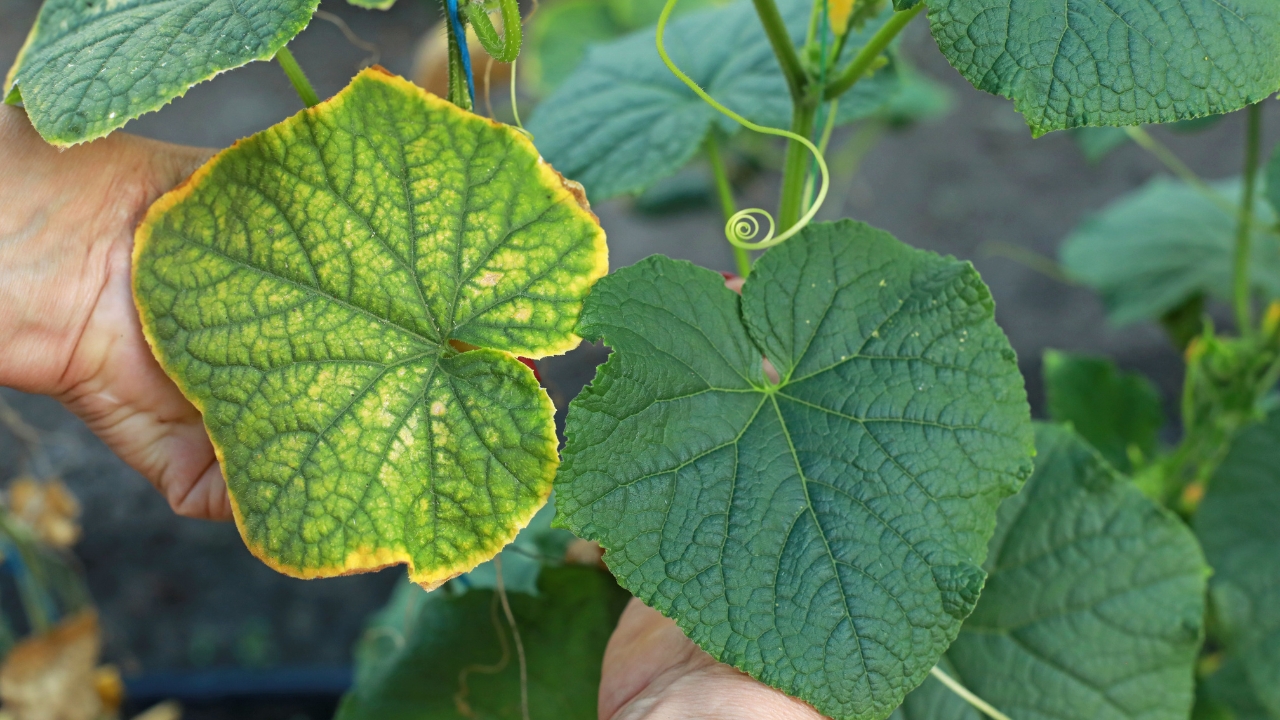
Not every miss is your fault. Bad weather, pests, and timing all play a role. Still, it’s helpful to write down what didn’t work and any guesses as to why: “cucumbers got mildew,” “lettuce bolted early,” “zucchini shaded by sunflowers.” Next year, you can adjust spacing, timing, or placement instead of repeating the same setup and hoping for a different outcome.
Sketch your garden layout as it was this year

It doesn’t have to be to scale—just a quick sketch of where beds, rows, and containers were and what was in them. In spring, that drawing helps you rotate crops so you’re not planting the same family in the same spot year after year. It also reminds you which areas got too much shade or wind.
Record your sun and shade patterns

Think about which spots got more sun than you expected and which stayed shaded. Note things like “back left bed only gets morning sun” or “pots by the fence baked in afternoon.” That way, when you’re placing crops next year, you can assign heat-lovers and shade-tolerant plants more wisely.
List your biggest pest problems
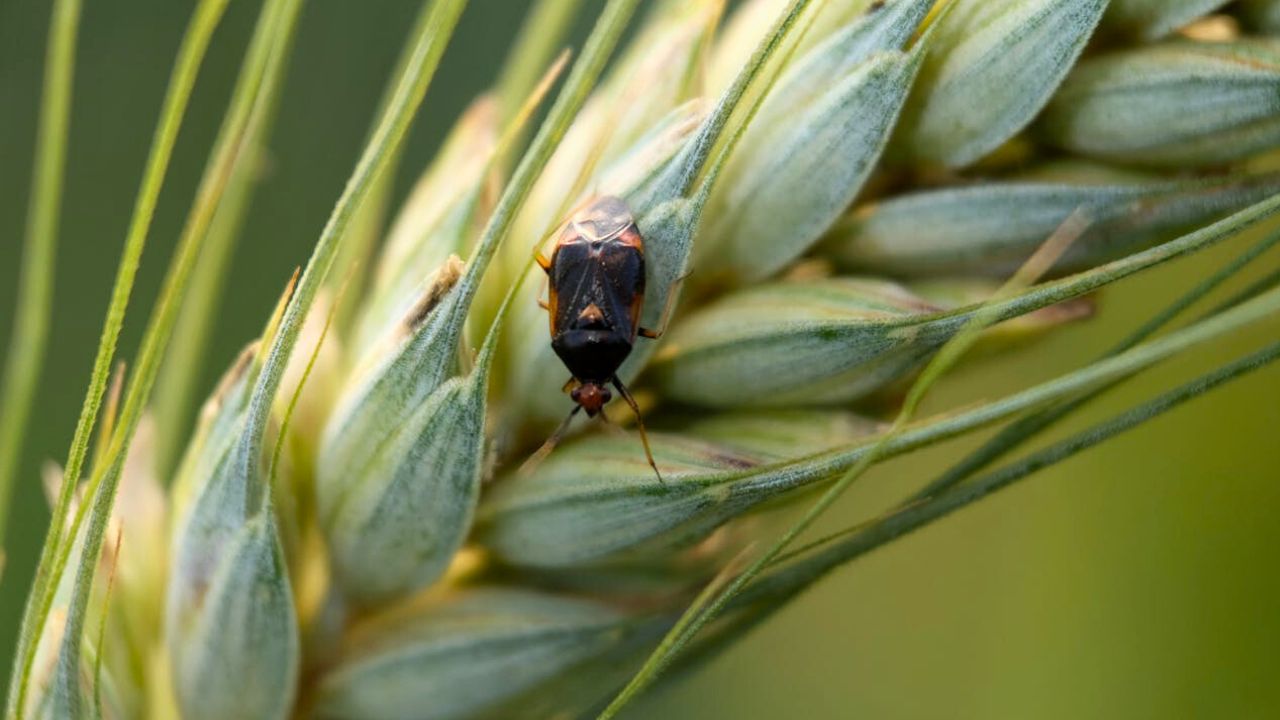
Write down what showed up: aphids, squash bugs, hornworms, deer, rabbits, whatever gave you grief. If you tried anything that helped—even a little—jot that down, too. Maybe marigolds did seem to slow something down, or row cover saved your cabbage. This becomes your game plan instead of starting from scratch every season.
Make a “buy next time” and “never again” list
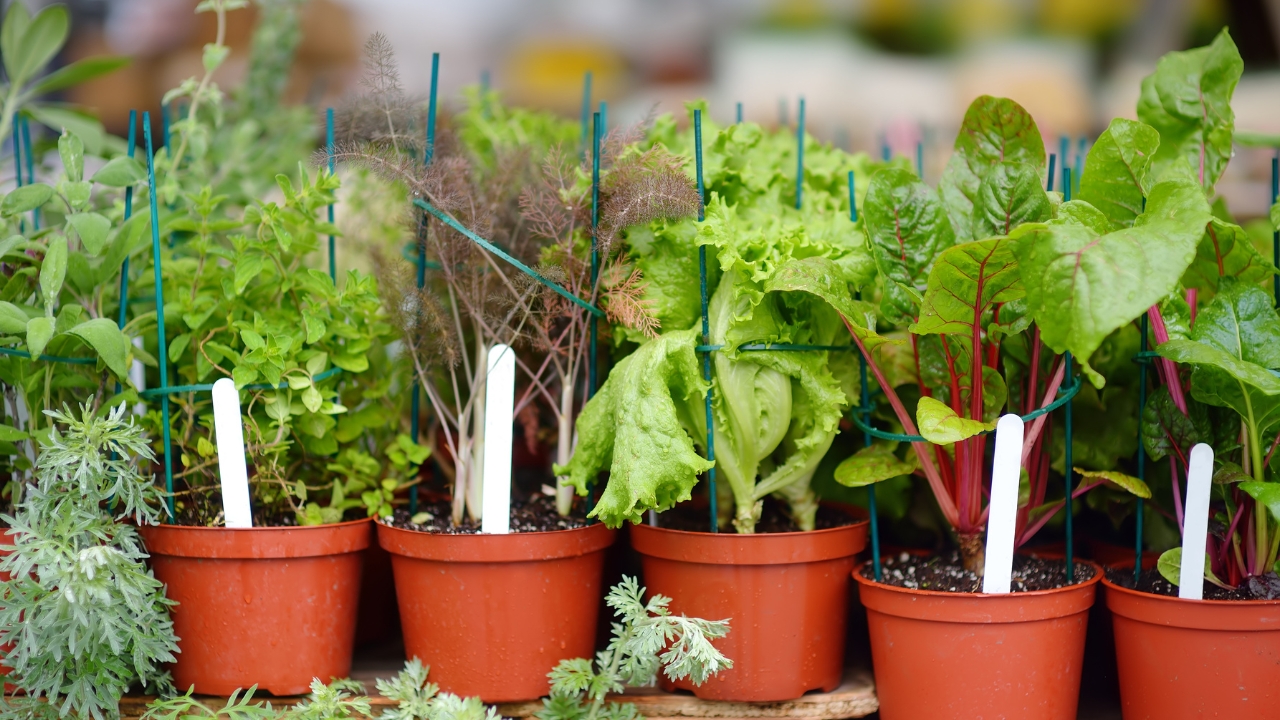
There are always tools, supplies, or soil amendments you wish you had on hand sooner. Maybe it’s more tomato cages, better gloves, drip hoses, or a different mulch. Put those on a “buy before spring” list. Then make a “never again” list of things that weren’t worth the money or fuss. Both lists keep you from impulse-buying the same mistakes twice.
Note timing: what felt too early or too late

Think back on when you started seeds, transplanted, or direct sowed. Did you put tomatoes out too early and have to cover them? Did you wish you started your fall garden sooner? Rough notes like “start seeds two weeks earlier next year” or “wait one more week for squash” will actually matter when the calendar comes back around.
Keep it where you’ll see it in spring
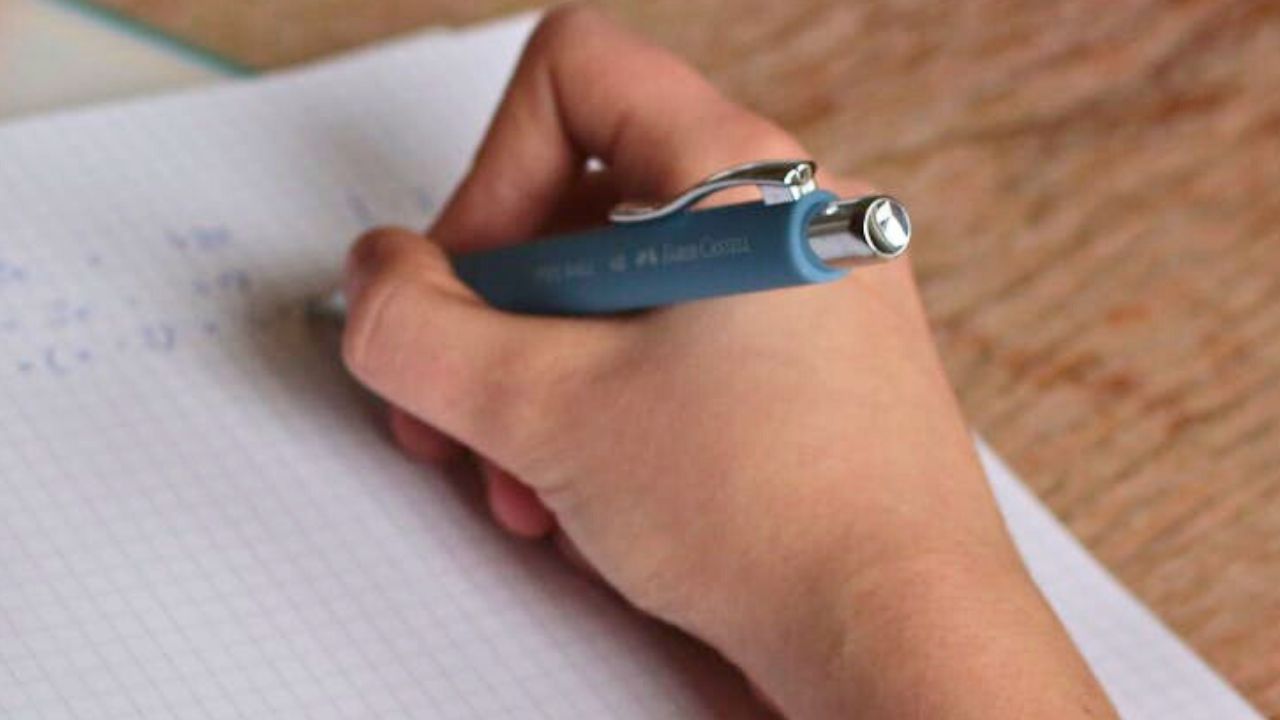
Whatever notes you make now, put them somewhere you won’t lose. Tape them inside a garden shed door, tuck them in with your seed box, or save them in a note on your phone labeled clearly. Future you will be grateful when you’re standing in the seed aisle trying to remember which variety was the one that actually fed your family.
Like Fix It Homestead’s content? Be sure to follow us.
- I made Joanna Gaines’s Friendsgiving casserole and here is what I would keep
- Pump Shotguns That Jam the Moment You Actually Need Them
- The First 5 Things Guests Notice About Your Living Room at Christmas
- What Caliber Works Best for Groundhogs, Armadillos, and Other Digging Pests?
- Rifles worth keeping by the back door on any rural property
*This article was developed with AI-powered tools and has been carefully reviewed by our editors.