The holiday storage bins that stop mystery smells next year
Everyone’s had that moment in November: you drag the holiday bins out, crack one open, and get hit with a weird mix of plastic, dust, and “what died in here?” Mystery smells usually come from dampness, leftover food bits, or scented items stored badly—but the bin itself can either help or make it worse.
The goal is simple: keep things dry, contained, and easy to air out. The right bins and a few habits now keep next year’s decorating from starting with a headache.
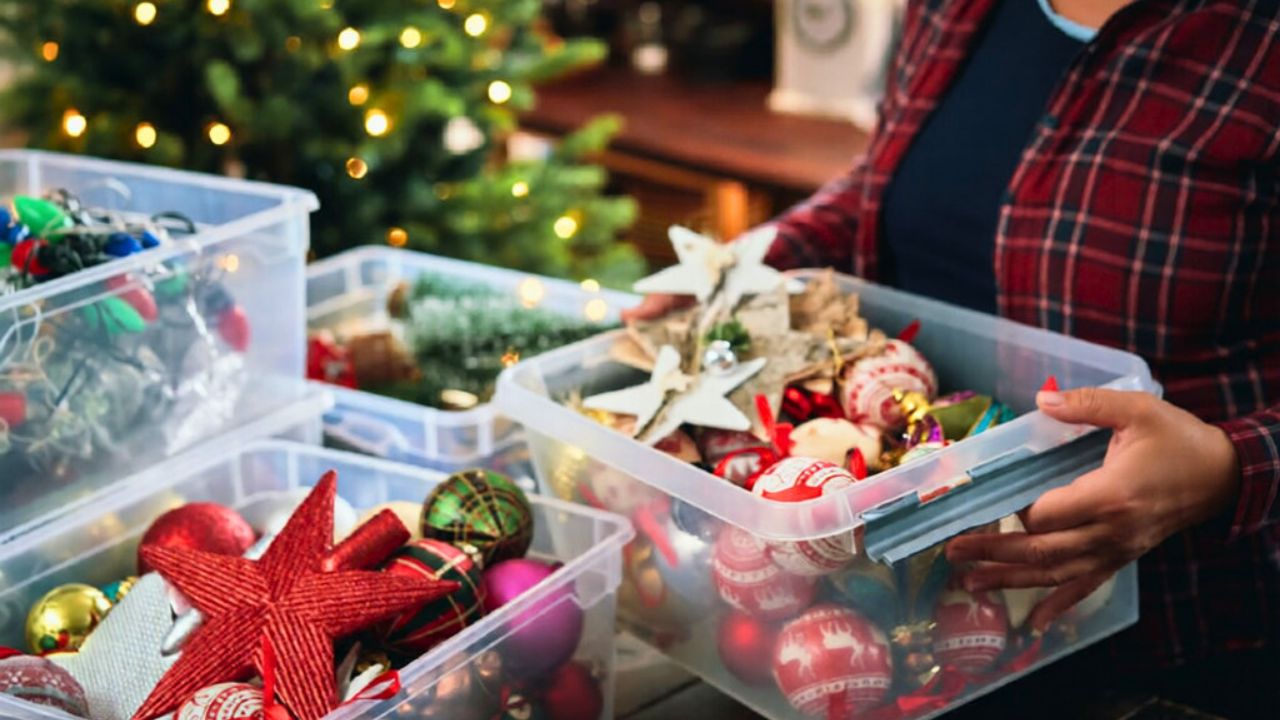
Choose solid plastic bins with tight lids over cardboard
Cardboard boxes are cheap and tempting, but they absorb moisture, hold onto smells, and can sag or tear if they get damp. That’s how you end up with musty garlands and weird-smelling fabric decor.
For long-term holiday storage, sturdy plastic bins with snug lids are worth it. Look for:
- Opaque or clear bins with no cracks
- Lids that snap or latch, not just sit loosely on top
- A size you can actually lift when it’s full
Plastic doesn’t magically erase odors, but it keeps new moisture, dust, and pests out. That alone cuts a lot of the “what is that smell?” moments when you open things up next year.
Let everything dry completely before it ever goes in a bin
Most mystery smells come from one simple thing: packing damp items. Damp stockings, slightly wet tree skirts, waxy candles that sweated near a heater—all of that can sour in a closed bin over months.
Before you store anything:
- Wash and thoroughly dry tree skirts, table runners, and stockings
- Wipe off ornaments that got handled a lot, especially if kids helped decorate
- Let garlands and artificial greenery sit out for a day to air out if they were near cooking or candles
Even “just a little damp” can turn into a musty, stale smell when sealed up for almost a year. Dry first, then store.
Separate anything scented so it doesn’t invade everything else
Scented candles, wax melts, potpourri, and even heavily fragranced room sprays can share their smell with everything around them. That’s how you end up with wreaths that smell like last year’s candle instead of pine.
Keep scented items in their own smaller bin or lidded box:
- Wrap candles individually in paper or bubble wrap to protect them
- Store wax melts and oils in airtight containers or zipper bags
- Label the bin clearly so you know what’s inside
That way, the scent stays where it’s supposed to stay, and your fabric decorations don’t soak it up until they smell muddy and strange.
Use simple, scent-neutral helpers instead of heavy perfumes
You can help neutralize leftover smells without making your bins smell like a perfume counter. Skip heavily fragranced sachets if your decor already picks up scents easily.
Instead, try:
- A small open box or fabric pouch of baking soda inside the bin
- A few cotton balls with a drop or two of a mild essential oil, tucked in a corner—not touching fabrics
- Plain dryer sheets if you like them, used sparingly
These give a subtle freshness and help soak up unwanted odor without shouting over everything else.
Group similar materials together so smells don’t jump

Plastic, fabric, and natural materials (like dried orange slices or pinecones) all behave differently in storage. When you mix them all in one bin, odors and moisture tend to settle into the softest items first.
If you can, group by type:
- Fabric-heavy items (tree skirts, pillows, stockings) together
- Breakable decor and ornaments together
- Natural or craft-type materials together
That way, if something does start to smell off, you aren’t dealing with everything being affected at once.
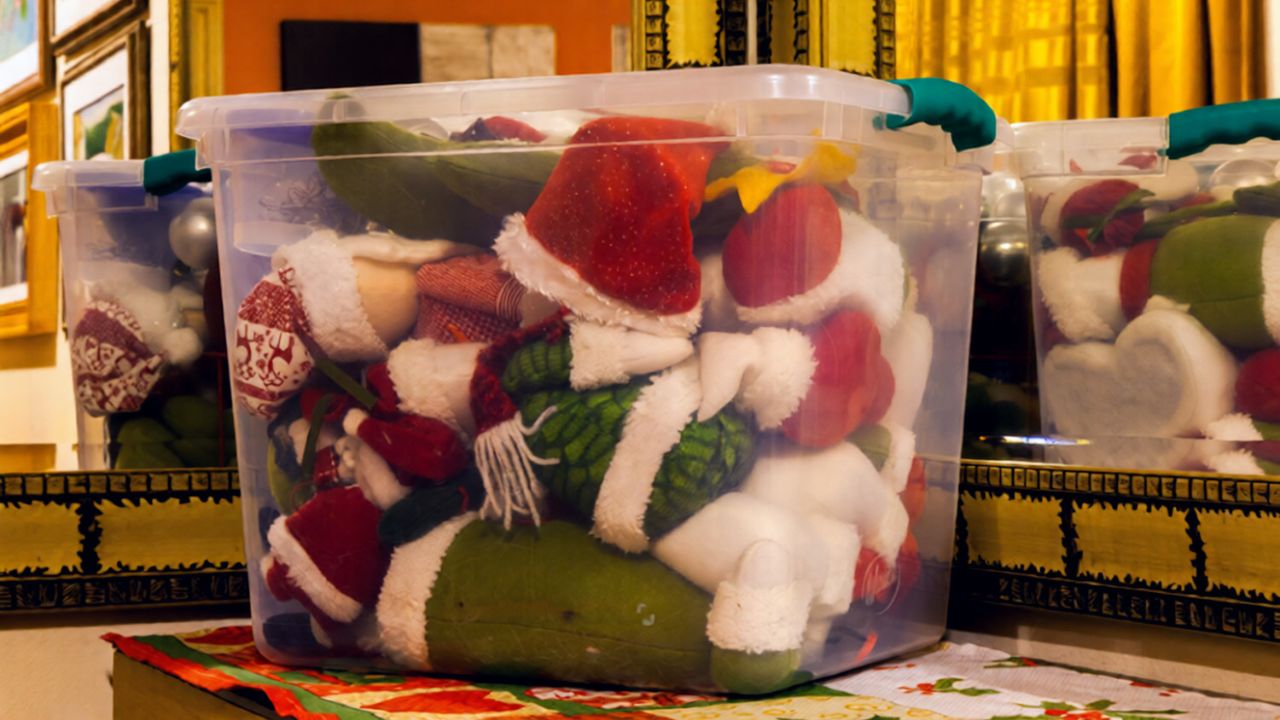
Don’t overpack bins so air can move a little
Stuffing a bin until you have to sit on the lid to close it traps more than just decor—it traps any little bit of moisture and stale air, too.
Leave a bit of space at the top so items aren’t compressed. They’ll be less likely to warp, and any air freshener or baking soda you tucked in has a fighting chance of working.
A bin that closes comfortably, without bowing at the sides, is usually packed about right.
Store bins in the least extreme space you’ve got
Even the best-packed bin can struggle if it lives somewhere that’s constantly damp or boiling hot. Whenever possible, choose:
- An interior closet or under-bed space over a damp basement
- A dry corner of the garage over right next to the water heater
- A spot off the floor if your storage area sometimes gets damp
You may not have a climate-controlled storage room, and that’s fine. Just avoid known damp spots, areas with leaks, or places where temperature swings are extreme if you have other options.
Label clearly so you’re not digging and leaving lids open
The longer bins sit open while you dig through them, the more chances they have to pull in moisture and dust. Clear, specific labels help you grab what you need fast.
Instead of “Christmas decor,” try:
- “Tree decor – ornaments, hooks, ribbon”
- “Fabric – stockings, tree skirt, pillows”
- “Lights and extension cords”
You’re less likely to leave every bin open at once if you can find what you need quickly, which keeps the insides more settled and less exposed.
Next year, when you haul everything out, you want bins that smell like… mostly nothing. A neutral, barely-there freshness is ideal. If you dry things well, choose solid containers, and give the bins a little help with baking soda or other gentle odor absorbers, you’ll spend more time decorating and less time wondering what on earth that smell is.
Like Fix It Homestead’s content? Be sure to follow us.
- I made Joanna Gaines’s Friendsgiving casserole and here is what I would keep
- Pump Shotguns That Jam the Moment You Actually Need Them
- The First 5 Things Guests Notice About Your Living Room at Christmas
- What Caliber Works Best for Groundhogs, Armadillos, and Other Digging Pests?
- Rifles worth keeping by the back door on any rural property
*This article was developed with AI-powered tools and has been carefully reviewed by our editors.