The home feature that looks harmless but can raise your risk profile
Your home is supposed to be a refuge, but some of the features you add to make it more comfortable, stylish, or fun can quietly make you look riskier on paper. Insurers study those details closely, and what feels like a harmless upgrade can nudge your premiums higher or even limit your options. Understanding how that risk profile is built gives you leverage to design a home that works for your lifestyle without accidentally pricing yourself out of coverage.
The feature that often surprises people most is not a dramatic renovation or a luxury add-on, but a seemingly ordinary choice that changes how insurers see your exposure to accidents, fires, or lawsuits. Once you see your house the way an underwriter does, you can decide which features are worth the extra cost and which ones are better rethought, redesigned, or removed.
The hidden risk in “fun” features like pools and hot tubs
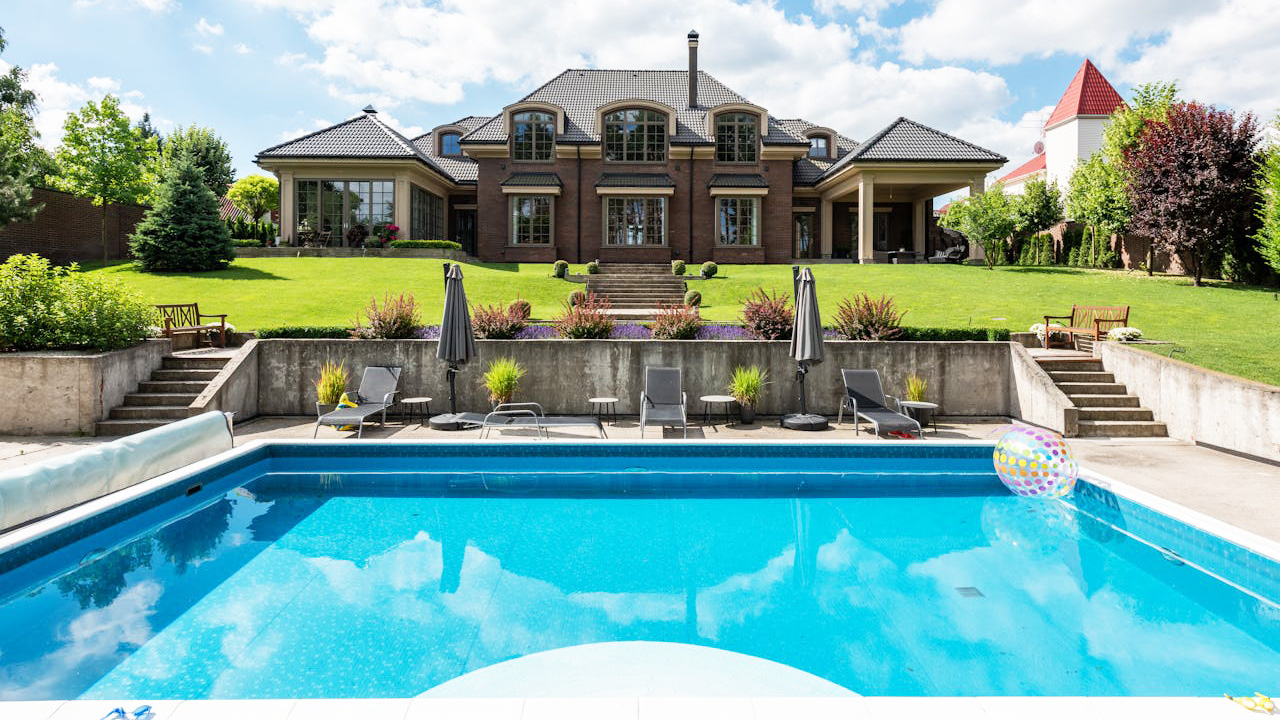
From a lifestyle perspective, a backyard pool or hot tub feels like an upgrade, but from an insurer’s perspective it is a concentrated source of liability. You are inviting more chances for slips, dives gone wrong, and unsupervised use by guests or neighborhood kids, which is why carriers often treat these as “attractive nuisances” that raise your risk profile. When you add a pool or spa, you are not just paying to heat and maintain it, you are also signaling to your insurer that your home now carries a higher probability of injury claims.
That is why features such as swimming pools and hot tubs are singled out as drivers of higher liability coverage needs and, in turn, higher premiums. You may be required to install fencing, self-latching gates, or pool alarms, and your insurer can still insist on more liability protection because a single serious accident can generate large medical and legal costs. If you are weighing whether to add a pool, it is worth pricing not only the construction but also the long term insurance impact before you break ground.
The cozy feature that quietly alarms underwriters
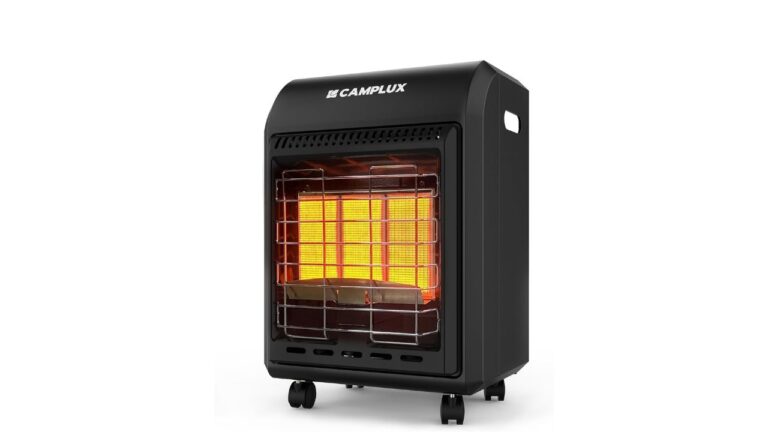
Another deceptively charming feature that can raise your risk profile is a wood-burning heat source. A wood stove or wood furnace promises lower utility bills and a nostalgic kind of comfort, but it also introduces open flame, embers, and creosote buildup into your daily routine. Insurers know that improper installation, aging chimneys, or skipped cleanings can turn that cozy corner into the starting point of a house fire, which is why they often flag these systems as higher risk.
Guidance on heating your home with a wood furnace or wood stove is blunt: these setups can increase the chance of fire and smoke damage, and if they are not disclosed or properly maintained, you may find that some of the resulting damage is not covered. If you already rely on wood heat, you can lower your risk profile by documenting professional installation, scheduling regular chimney inspections, and keeping clearances and smoke alarms up to current safety standards.
Design trends that look sleek but raise safety questions
Modern design trends often prioritize clean lines and visual drama, but insurers are more interested in how those choices affect the odds that someone gets hurt. Floating staircases without risers, glass railings that are more aesthetic than sturdy, or “hidden” doors that blend into wall panels can all create trip hazards or confusion in an emergency. When a visitor is injured because a design feature is misleading or hard to navigate, the resulting claim lands on your liability record, not on the architect’s mood board.
Some insurers now warn specifically about dangerous home trends that may look stylish but increase the chance of falls, burns, or other injuries, including misleading doors that could cause someone to step into a hazard. If you are renovating, it pays to ask not only whether a feature will impress buyers or guests, but also whether it is intuitive and safe for anyone who walks into your home for the first time. A small tweak, like clearer railings or better lighting, can preserve the look while reducing the liability risk that insurers worry about.
The “good neighborhood” factor you cannot control
Even if you never touch a hammer or add a single new feature, your address itself can quietly raise your risk profile. Insurers look at how close you are to fire stations, what crime rates look like, and how often homes in your area are hit by storms, wildfires, or other disasters. If your neighborhood has a history of frequent claims, your home can be treated as riskier even if you personally have never filed one.
Location is such a powerful variable that it tops many lists of what factors affect home insurance premium, with the “location of your home” shaping everything from base rates to eligibility for certain discounts. Broader analyses of home insurance trends note that the Southeast and parts of the Midwest, including Florida, Mississippi, Georgia, and Texas, are seeing particular pressure as climate risks and tariffs push costs higher. You cannot move your house, but you can respond by hardening it against local hazards, from impact resistant roofing in hail zones to improved drainage in flood prone areas.
Climate risk and why your roof suddenly matters more
Insurers are not just reacting to individual homes, they are recalibrating for a world where severe weather is more frequent and more expensive. As climate driven storms, floods, and wildfires become more intense, companies are reassessing how much catastrophe exposure they can safely carry. That shift filters down to you through stricter underwriting, higher deductibles for wind or hail, and closer scrutiny of features like your roof, siding, and drainage that determine how your home will hold up when the next storm hits.
Industry analyses of climate risk and catastrophe exposure describe how the impacts of climate change are already reshaping underwriting and pricing, pushing insurers to design more resilient, sustainable policies. Consumer advocates point out that you can blame the weather for a significant share of rising home insurance costs, but you can also respond by upgrading vulnerable features. Impact rated roofing, storm shutters, and reinforced garage doors may cost more upfront, yet they can reduce both physical damage and the way your risk is scored.
The “harmless” pets and hobbies that follow you into underwriting
Some of the most personal parts of your home life, like the dog that greets visitors at the door or the woodworking tools in your garage, can also change how insurers see your risk. Certain breeds are associated with higher bite claim rates, and a single incident can trigger medical bills and legal fees that far exceed your annual premium. Similarly, hobbies that involve flammable materials, power tools, or chemicals can increase the chance of fire or injury, especially if they are set up in improvised spaces without proper ventilation or storage.
Guides that warn you to “beware” of specific home features often include dogs on the list, noting that dogs can drive up the cost of your homeowners insurance if they are associated with unruly and aggressive behavior. Broader rundowns of features that drive up costs also point to how both your personal possessions and the way you use your space, from finished basements to hobby rooms, can affect your risk of theft, water damage, or backed up sewage. If you have a large dog or a high risk hobby, you can lower your profile by investing in training, safety gear, and clear house rules that reduce the chance of an accident.
The financial “feature” that follows you home
Not all risk factors are physical. Your credit history, which might feel unrelated to how you maintain your property, is treated by many insurers as a proxy for how likely you are to file claims. In most states, carriers are allowed to review your credit based insurance score, and a pattern of late payments or high utilization can translate into higher premiums even if you have never had a loss. From the insurer’s perspective, this is a statistical tool, but from your perspective it is a reminder that your financial habits are effectively a hidden feature of your home profile.
Analysts note that higher insurance premiums are a common consequence of poor credit, since most states allow home and auto carriers to check your scores as part of their risk assessment and charge you more if they see you as less reliable overall. When you ask why your homeowners insurance went up, you may hear that many factors make your insurance more expensive, from inflation to the number of claims in your area, but your credit profile is one of the few levers you can improve without touching the house itself. Paying down revolving balances and avoiding late payments can gradually soften how risky you look on paper.
When “upgrades” help your risk profile instead of hurting it
Not every new feature is a liability. Some upgrades can actually make you more attractive to insurers by reducing the chance or severity of a loss. Energy efficient windows, modern electrical panels, and smart leak detectors can all cut the odds of fire or water damage, while security systems and reinforced doors can deter break ins. The key is to distinguish between upgrades that are purely cosmetic and those that materially change how your home performs under stress.
Real estate investors have noticed that energy efficiency upgrades, home office spaces, and outdoor living areas command premium pricing, with some systems returning 1.5 to 2 times their installation cost. Insurers, for their part, often reward features like monitored alarms or upgraded wiring with discounts, because they lower the likelihood of large claims. When you understand that risk factors in the area and on the property drive your rates, you can prioritize projects that both boost resale value and reduce exposure, such as replacing an aging roof or adding a sump pump in a flood prone basement.
How to audit your home’s risk profile before your next renewal
If you want to get ahead of your next renewal, the most practical step is to walk through your home as if you were an underwriter, not an owner. Start outside, looking at your roof, trees, and drainage, then move inward to check for features that could cause injury, fire, or water damage. Make a list of anything that might worry a cautious visitor, from loose railings to cluttered furnace rooms, and treat that list as a roadmap for reducing your risk profile over the next year.
As you do that audit, remember that your insurer is weighing both the physical features of your property and the broader context of your neighborhood, climate, and financial history. Industry breakdowns of where your home is located and analyses of affordability crisis continues as climate risks and tariffs influence market conditions show that some pressures are structural, not personal. You cannot change the weather or move your ZIP code overnight, but you can decide whether that “harmless” feature in your living room or backyard is worth the extra cost, and if it is, how to surround it with enough safety measures that your insurer sees you as a careful exception rather than an avoidable risk.