The home maintenance shortcut that’s causing expensive damage later
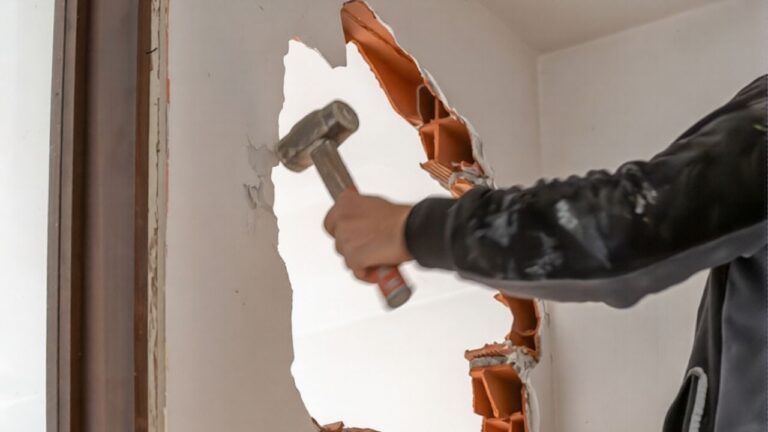
Homeowners rarely set out to damage their own property, yet some of the most expensive repairs start with a “quick fix” that feels smart in the moment. The real budget killer is not neglect in the obvious sense, but the quiet habit of cutting corners on maintenance and repairs that you assume are minor. When you treat your house like a place to save time at all costs, you often end up paying far more later to undo the shortcut.
The pattern is consistent: a small leak, a drafty window, a worn floor or a slow drain looks like a nuisance, not a crisis, so you reach for the fastest solution on the shelf. Months or years later, that shortcut has turned into rot, mold, structural movement or a system failure that empties your savings. Understanding where these shortcuts hide, and what they really cost, is one of the most effective ways to protect both your home and your wallet.
The quiet shortcut: reacting only when something breaks
The most common “shortcut” is not a product or a hack, it is the mindset of waiting until something fails before you deal with it. You tell yourself you will call a contractor when the roof actually leaks or the furnace stops, and in the meantime you ignore the small warning signs. That is the essence of Reactive maintenance, which one expert likens to waiting until your car dies on the highway instead of scheduling oil changes. It feels like you are saving money by deferring work, but you are really trading a manageable tune-up for an emergency tow.
By contrast, Proactive Maintenance Planning treats your house like a long term asset that needs regular care. You map out recurring tasks, from servicing HVAC equipment to inspecting caulk and grading, and you budget for them the way you would for a vacation you have been planning. That structure keeps small issues from snowballing into the kind of failures that force you into high interest financing or emergency credit card debt.
Why “cheap now, fix later” flooring is a financial trap
Few upgrades are as visually satisfying as new floors, which is why you are heavily tempted to chase the lowest bid or the fastest install. The shortcut looks harmless: thinner laminate instead of solid wood, peel and stick planks over a tired subfloor, or skipping underlayment to shave a day off the schedule. Yet flooring is one of the largest visible surfaces in your home, and Why Cheap Flooring Is So Tempting is exactly why it is so risky, because low quality materials are more vulnerable to dents, warping and moisture damage that drag down your home’s value.
Install shortcuts compound the problem. One guide on Installing Peel and Stick Flooring Over Uneven Surfaces warns that those tiles or planks may look amazing on day one, but they telegraph every dip and hump in the subfloor and start lifting at the edges. Another contractor video from Dec shows how skipping proper moisture barriers or transitions can trap water, leading to rot, mold or even structural damage that you will not notice until the floor feels soft underfoot.
The drain “fix” that quietly destroys your plumbing
When a sink or tub slows down, the easiest move is to grab a bottle of caustic cleaner and pour it in. That habit feels efficient, but it is exactly the kind of home maintenance shortcut that causes expensive damage later. Plumbers warn that Drain Cleaners May Cause Pipe Damage, because pouring those chemicals into your system can corrode metal, weaken joints and create leaks inside walls where you cannot see them.
Even when the clog seems to clear, you may be setting up the next failure. One plumbing guide notes that Many harsh chemicals can damage your plumbing or lead to future clogs by weakening seals and making debris clump together instead of flushing away. Another analysis of why One of the most common DIY approaches fails explains that repeated chemical use can eat through older pipes over time, especially in houses with aging plumbing systems, turning a $150 service call into a multi thousand dollar repipe.
Roof and siding shortcuts that invite water inside
Storm damage is stressful, and it is understandable that you want your roof and siding back to normal as quickly as possible. That urgency is exactly when shortcuts creep in. Roofing specialists warn that some contractors respond to hail or wind damage by simply patching over compromised shingles instead of addressing the underlying structure, and that Here is where a little patience can save you thousands, because superficial fixes instead of structural repairs leave your home vulnerable to leaks.
The same logic applies to your exterior walls. If you fail to repair or replace damaged siding, your home is exposed to wind, snow and rain, all of which can cause structural problems and mold growth behind the cladding, as one guide on how to deal with siding repair makes clear. Another analysis of whether DIY roof and siding work really saves money concludes that However, DIY roof and siding repairs might not save you money in the long run, because if you do not deliver a professional grade job, the cost of fixing leaks and hidden damage will far outweigh the project’s original cost.
The hidden cost of ignoring “boring” maintenance tasks
Some of the most damaging shortcuts are not dramatic at all, they are the quiet decision to skip routine tasks that feel dull or optional. A detailed breakdown of Dirty HVAC coils, for example, notes that the efficiency impact is severe: dirty coils can increase energy use by up to 35%, and over time that strain can lead to costly repairs or premature system failure. That is not just a higher utility bill, it is a shortcut that shortens the life of one of your most expensive mechanical systems.
Other overlooked chores carry similar stakes. A personal finance explainer on 4 often overlooked home maintenance tasks warns that something as simple as skipping dryer vent cleaning or gutter maintenance can cost you “around $3,800” in repairs when clogs lead to water intrusion or fire risk. Subscription services that bundle these chores into a schedule emphasize that Ignoring routine home maintenance tasks not only shortens the life of your home systems, it can cause devastating damage and costly repairs that dwarf the price of a maintenance plan.
Structural shortcuts: foundations, drafts and foam in the wrong places
When it comes to the bones of your house, shortcuts are especially unforgiving. Foundation issues are among the Most Expensive Home Repairs, because your foundation supports the weight of your home and a house with foundation problems can quickly become unsafe or unsellable. Specialists in concrete leveling stress that What works on one home might not cut it for another, and that no two repairs are the same, which is why generic DIY fixes or injected products from a big box store can make movement worse instead of better.
Air sealing is another area where haste backfires. Guidance on Areas of Most Importance to Reduce Drafts in your home explains that you should address the largest gaps first, then move down to smaller cracks, and that in many cases it is better to have the sealing job handled for you by a professional. Another window repair guide notes that Expanding foam is another tool for larger gaps, but it should be applied sparingly to prevent drafts and maintain appearance, which is a polite way of saying that overfilling cavities with foam can bow frames, trap moisture and create the very leaks you were trying to stop.
DIY where you should not: plumbing, wiring and heavy loads
There is a healthy place for do it yourself work, but some systems punish inexperience. A service company that handles Clogged Drains or Leaky Pipes warns that quick fixes like overtightening fittings or using the wrong sealants can push water into walls or floors. They note that Unfortunately, these quick fixes could actually cause more problems for homeowners, including mold growth and structural damage that cost far more than a professional visit would have.
Even seemingly simple tasks like hanging a television or adding storage can go wrong if you underestimate the forces involved. A list of Nov home repair mistakes reminds you to think about the dynamic load of moving a TV on an arm mount or hanging and removing coats and bags on a hook day after day, not just the static weight. Another safety guide for technicians notes that On top of that, taking shortcuts can lead to further damage to the machinery and extra costs, a principle that applies just as much to your home’s mechanical systems as it does to industrial equipment.
Permits, cosmetic cover ups and the illusion of “good enough”
Some shortcuts are administrative rather than physical, but they still carry a price. Skipping permits, hiding junction boxes behind drywall or leaving wires exposed might save you a trip to city hall, yet a detailed list of Table of Contents items like Measuring twice, Skipping the permits, Leaving wires exposed and Any electrical work you are not qualified for makes clear that these moves can void insurance coverage and derail a future sale. Inspectors and appraisers are trained to spot telltale signs of rushed work, from mismatched finishes to improperly supported decks.
Seasoned agents echo that sentiment. One video that begins with After seeing hundreds of homes lists five things that ALWAYS tell a professional that a home was not well maintained, including painted over water stains, missing trim and obviously DIY tile work. Those cosmetic cover ups may fool a casual visitor, but they signal to serious buyers and inspectors that maintenance was not a priority, which translates directly into lower offers, repair credits or even failed deals.
How to replace shortcuts with a realistic maintenance plan
Avoiding damaging shortcuts does not mean you need to spend every weekend with a tool belt. It means building a realistic plan that matches your time, skills and budget. Start by listing the systems that can cause catastrophic damage if they fail, such as your roof, foundation, plumbing and electrical, then schedule regular checkups for each. Resources on Your most expensive home repairs and on But the go to methods for most homes and buildings can help you prioritize which inspections and services to fund first.
From there, decide what you will handle yourself and what you will outsource. For complex or high risk work, lean on professionals and consider bundled services, since some companies offer plans where subscription home maintenance packages cover recurring tasks automatically. For finishes, remember that Unfortunately, quality work costs money, and that Even if you ask flooring installers to take care when removing old boards, careful refinishing is often cheaper over the life of the floor than repeated demolition and replacement. The goal is not perfection, it is to stop thinking in terms of shortcuts and start thinking in terms of durability.
Like Fix It Homestead’s content? Be sure to follow us.
Here’s more from us:
- I made Joanna Gaines’s Friendsgiving casserole and here is what I would keep
- Pump Shotguns That Jam the Moment You Actually Need Them
- The First 5 Things Guests Notice About Your Living Room at Christmas
- What Caliber Works Best for Groundhogs, Armadillos, and Other Digging Pests?
- Rifles worth keeping by the back door on any rural property
*This article was developed with AI-powered tools and has been carefully reviewed by our editors.