The home systems failing most often in houses built before 1990
Homes built before 1990 carry a kind of durability that newer construction often struggles to match, but age is catching up with their hidden systems. Behind solid brick, plaster, and hardwood, critical components are failing in predictable ways that can turn a charming property into an expensive repair project if owners are not prepared.
From foundations and framing to plumbing, electrical, and HVAC, the weakest links tend to be the systems that have quietly worked for decades without major upgrades. I am going to walk through the parts of older houses that most often break down first, and why understanding those patterns is the key to budgeting, safety, and long term comfort.
Structural movement: foundations, cracks, and sagging framing
The most basic system in any pre 1990 home is the structure itself, and it is also one of the most failure prone once a house passes middle age. Inspectors routinely flag Cracks in foundations or walls, uneven or sloping floors, and sagging ceilings as top concerns in older properties, because they signal that the load bearing skeleton is shifting rather than simply showing cosmetic wear. When floors feel spongy underfoot or doors no longer latch squarely, it often means joists have deflected, support posts have settled, or masonry has begun to separate, all of which can compromise the building’s ability to carry weight safely.
Those visible warning signs usually reflect deeper Structural and foundation issues that have developed slowly over decades of moisture, soil movement, and temperature swings. Reports on older housing stock highlight how Foundation problems often show up as Uneven floors and interior Cracks where walls meet ceilings or doorways, which can indicate that footings are settling or that water has undermined the base of the house. In historic properties, specialists describe how long term environmental exposure leads to Identifying and Addressing Hidden Structural Damage such as rotted framing, separated masonry, and gaps around windows and doors. Once these problems surface, they tend to escalate quickly, which is why structural movement ranks near the top of failure risks in houses built before 1990.
Outdated electrical systems: from knob and tube to overloaded panels
If structure is the skeleton, electrical is the nervous system, and in many older homes it is still wired for a world of table lamps and tube televisions rather than induction ranges and high wattage gaming PCs. One of the most frequently cited trouble spots is Knob and tube wiring, an early method that relied on ceramic knobs and tubes to route individual conductors through walls and ceilings. In houses built before 1990, inspectors still encounter these circuits hidden behind plaster, often spliced into newer cable in ways that were never designed to handle modern loads, which raises both fire risk and insurance complications.
Even when a property has moved beyond Knob and Tube Wiring, the broader pattern is the same: Outdated Electrical Systems that were never designed for today’s appliance heavy households. Inspectors describe how Many older homes still rely on undersized service panels, aluminum branch circuits, or ungrounded outlets that cannot safely support high draw devices. Specialists who focus on renovation note that Electrical wiring in these properties often lacks modern safety features such as arc fault protection and ground fault interrupters, making it one of the most failure prone and safety critical systems to upgrade when a pre 1990 house changes hands.
Plumbing breakdowns: corroded, obsolete, and leaking from the inside out
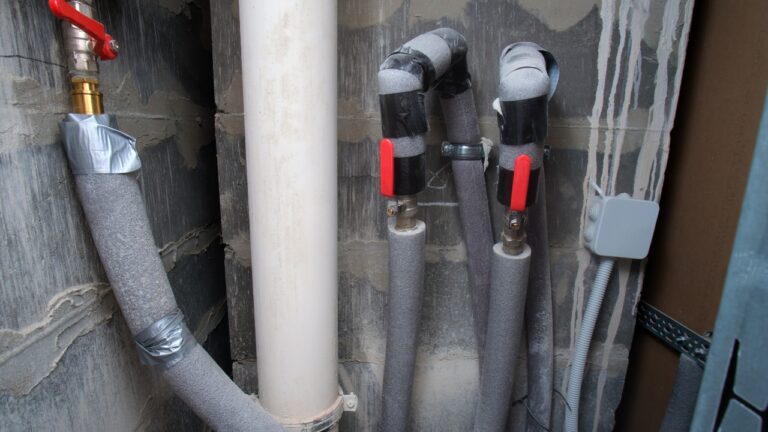
Water systems in older houses tend to fail from the inside, where corrosion and mineral buildup quietly choke off flow or eat through pipe walls long before a leak becomes visible. Inspectors who specialize in aging properties point to Corroded Pipes as a defining issue, especially where Lead or galvanized steel was used for supply lines. As these materials age, they can leach contaminants into drinking water, reduce pressure at fixtures, and eventually rupture, which is why plumbing is often one of the first systems to demand major investment in a pre 1990 home.
Beyond corrosion, the materials themselves are a problem in many older properties, where Common Plumbing Issues include Obsolete Materials that are no longer installed in new construction. Reports on legacy housing stock highlight how Older Homes often contain a mix of cast iron drains, galvanized steel, and early plastics that are prone to cracking or failure at joints. Buyers looking at pre 1990 properties are frequently warned about Plumbing systems that still rely on Galvanized pipes from before the 1960s or Polybutylene lines from the 1970s and 1980s, both of which are notorious for hidden deterioration and sudden leaks. Industry guidance on Plumbing and Electrical Systems in Older homes underscores that these aging networks are not just inefficient, they are active sources of water damage, mold, and structural decay when they finally give way.
HVAC and ductwork: inefficient, failing, and uneven by design
Heating and cooling systems in homes built before 1990 are often on their second or third generation of equipment, but the underlying infrastructure, especially ductwork, may still be original. That mismatch is a major reason climate control is one of the systems most likely to underperform or fail in older houses. Specialists who work on legacy properties describe how Failing or Inefficient Mechanicals and outdated distribution systems drive up energy bills and leave rooms uncomfortably hot or cold, particularly when furnaces and condensers are long past their intended service life.
The ductwork itself is often the hidden culprit. In one detailed case, a technician responding to comfort complaints in a historic neighborhood of Harvest found that Outdated Ductwork had deteriorated to the point that metal runs were leaking heavily, creating major airflow imbalances throughout the home. That kind of failure is typical in pre 1980 and pre 1990 houses, where original ducts were never sealed to modern standards and have since been patched repeatedly. When combined with aging furnaces, air conditioners, and controls, these weaknesses make HVAC one of the most failure prone systems in older housing, and one of the most impactful to upgrade for comfort and cost control.
Hidden hazards: asbestos, aging materials, and historic home quirks
Beyond the obvious systems, older houses often harbor materials that have quietly become liabilities over time. Renovation specialists emphasize that Here, one of the first issues they encounter is Asbestos, which was used extensively in insulation, floor tiles, and other building components for much of the twentieth century. In homes built before 1990, these materials are often still in place in attics, basements, and behind walls, where they may remain stable until disturbed by repairs or remodeling. Once work begins, however, they can turn a straightforward project into a regulated abatement job that adds significant cost and complexity.
Historic properties layer on additional quirks that can accelerate system failures if they are not managed carefully. Experts who focus on Historic Homes note that Owning one is a privilege that comes with a responsibility to monitor for hidden structural damage, including rotted beams, compromised masonry, and gaps that invite water intrusion. Combined with aging finishes, single pane windows, and original roofing, these elements can fail in ways that are less dramatic than a burst pipe but just as costly over time, especially when they allow moisture to attack the very systems that keep the house standing.
Why pre 1990 homes fail the same way, and how owners can stay ahead
When I look across the reporting on older housing, what stands out is how consistently the same systems show up at the top of the failure list: structure, electrical, plumbing, HVAC, and legacy materials. Analysts who catalog Oct problem patterns in older properties repeatedly highlight Oct warning signs like Uneven floors, Cracks in walls, and sagging ceilings as early indicators that deeper systems are under stress. At the same time, specialists who outline The Top Hidden Problems Found in Older Homes and those who catalog Common Issues Found in Older Homes that buyers should Look for Before Buying all land on the same conclusion: the systems that are hardest to see are the ones most likely to be failing quietly.
For owners and buyers of homes built before 1990, the practical takeaway is to treat these recurring weak points as a checklist rather than a surprise. That means budgeting for electrical upgrades where What inspectors call out as legacy wiring, planning for plumbing replacements where Apr guidance flags aging supply lines, and expecting HVAC and ductwork to need attention in properties that predate modern efficiency standards. It also means recognizing that Feb assessments of combined Plumbing and Electrical Systems in aging houses, Apr warnings about Lead, Nov notes on Common Plumbing Issues, and Apr rundowns of Common Issues Found in Homes Built Before 1990 are not abstract warnings. They are a roadmap to the systems most likely to fail first, and to the upgrades that can keep an older house safe, efficient, and livable for the next generation.