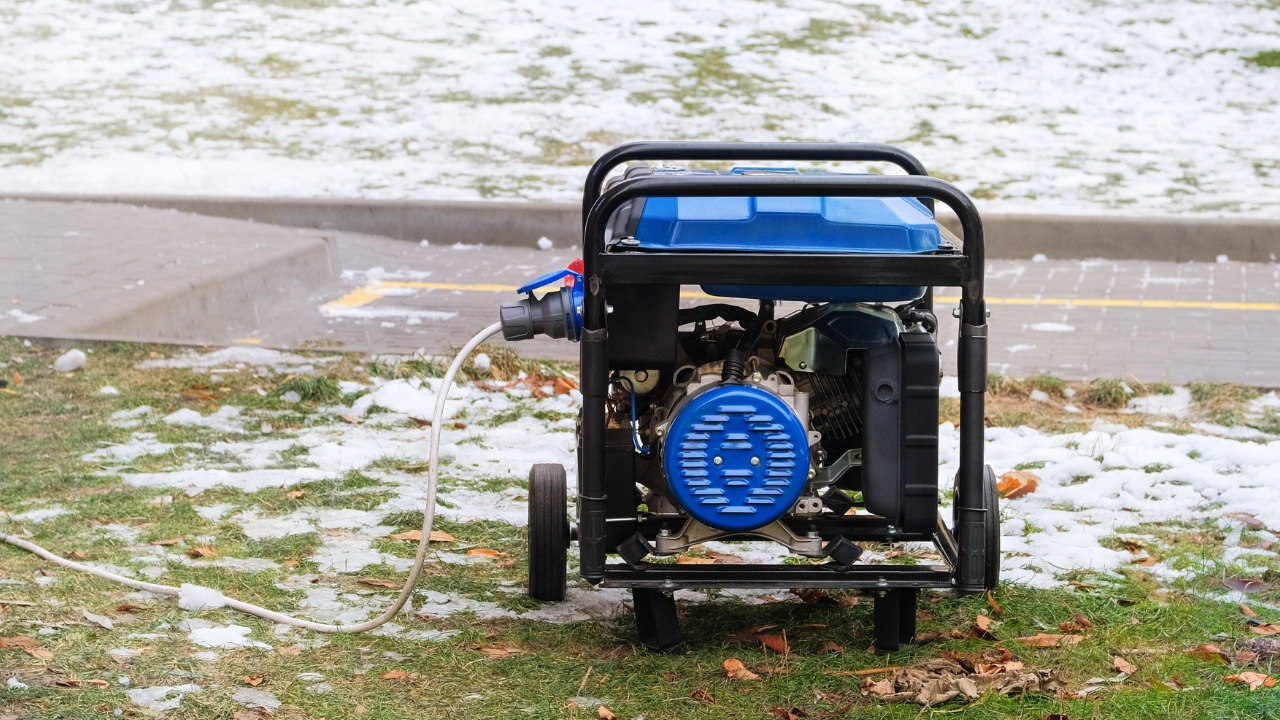
The most common generator setup mistake people make in a hurry
When the lights go out and the house falls silent, you are not thinking about code books or wiring diagrams. You just want power back, fast. That urgency is exactly when people make the most dangerous generator mistake: trying to shortcut a safe setup so everything in the house comes back on at once.
The impulse to “just get it running” leads to risky improvisations that can damage your home’s electrical system, ruin expensive appliances, and put you and utility crews in real danger. If you understand the single biggest setup error and the cascade of smaller missteps that surround it, you can restore power quickly without turning an outage into an emergency of your own making.
The number one mistake: backfeeding your house in a panic
The most common and most hazardous setup error in a hurry is backfeeding your home through an outlet or directly into the main panel without a proper transfer switch. When you plug a portable generator into a dryer receptacle or wire it straight into the Service Panel, you are effectively energizing circuits that are supposed to be dead. That “Connecting” shortcut can send power back out onto the grid, where it collides with utility equipment that is not expecting it, and it can also overload wiring inside your walls that was never designed to be fed from both directions.
Professionals insist that a dedicated transfer device is non‑negotiable because it isolates your house from the grid before the generator comes online. A properly installed transfer switch safely changes your home from utility power to generator power so you are never feeding electricity back into the lines outside. Without that safeguard, a “back feed” is not just a technical violation, it is a live current that can injure or kill lineworkers and anyone else who assumes the circuit is off. Electricians emphasize that the transfer switch is what lets you power hard‑wired loads without improvisation, and that is why guidance on The transfer switch treats it as the core of any permanent installation rather than an optional accessory.
Why “just plug it in” is so dangerous
When you are staring at a dark refrigerator and a dead furnace, it is tempting to treat the generator like a giant extension cord and start daisy‑chaining power strips. That is how people end up overloading circuits, overheating cords, and defeating the built‑in safety devices that are supposed to trip before something catches fire. Guidance on Back Feeding explains that all it takes is one of these dangerous outcomes to turn a convenience appliance into a life‑threatening hazard, because the current does not care that you are “only” using it for a few hours.
Utility and safety officials warn that a backup power source can cause serious injury or electrocution if it is not isolated correctly. Before using a generator, you are expected to consult an electrician to determine the proper equipment and safe setup for your residence or business, because a miswired system can energize metal housings, outdoor equipment, and even neighboring structures. That is why utility guidance stresses that Before you ever roll a generator into place, you should have a plan that does not rely on improvised cords or mystery adapters.
Size, load, and the myth of “it will be fine for one night”
Another way people get into trouble in a rush is by guessing at the size of generator they need and then trying to run the whole house on a unit that is too small. The first mistake is guessing instead of calculating, which is why experts on The Top Mistakes Homeowners Make When Choosing a Generator warn that “If the” wattage is wrong, you will either overload the machine or leave critical circuits unpowered. An undersized unit will struggle, voltage will sag, and sensitive electronics like modern refrigerators, gaming consoles, and furnace control boards can be damaged long before the engine stalls.
Installers who see the aftermath of rushed setups point out that an undersized unit will not only fail to meet your needs, it will also run hotter and louder as it tries to keep up. Guidance on avoiding An undersized unit notes that this kind of mismatch can lead to overheating or noise violations, which is the opposite of the quiet, reliable backup you thought you were buying. When you are tempted to “just plug in one more thing,” remember that every extra load is asking a small engine to do the work of the entire grid, and the weak link will usually be your equipment.
Placement mistakes that turn an outage into a poisoning risk
Even if your wiring is perfect, a rushed setup can still be deadly if you park the generator in the wrong place. Carbon monoxide is colorless and odorless, and it can build up quickly when a machine is running too close to the house. Safety guidance on Here are 10 do’s and don’ts makes it explicit: DO position generators at least a safe distance away from doors, windows, and vents, and DO keep children and pets away from the unit while it is operating.
Consumer safety testing has documented how quickly exhaust can seep indoors when a generator is too close to the structure. Warnings about Running the generator too close to the home stress that even in an open garage or under an open, canopy‑like structure, fumes can drift into living spaces. Local emergency planners now promote the 20‑20‑20 rule: keep generators 20 feet away from the house, 20 feet from doors and windows, and 20 feet from any other openings, and pair that distance with a working carbon monoxide alarm to detect any buildup. Guidance on how to If using a generator during a power outage, follow the 20‑20‑20 rule, underscores that placement is not a detail to improvise once the storm hits.
The 20‑20‑20 rule and why distance really matters
Distance is not just about fumes, it is also about heat and fire risk. The general rule for generator placement follows what experts call the 20‑20‑20 rule, which keeps the unit far enough from flammable structures or materials that a hot muffler or stray spark cannot ignite siding, mulch, or stored fuel. Guidance on The general rule for generator distance makes clear that this spacing is meant to protect both your home and anything else nearby that could catch fire.
Placement also affects how well the generator can cool itself and how much noise your neighbors will hear. Advice on Generator placement directly affects your safety and comfort, because exhaust needs a clear path away from the unit and air needs to circulate freely around the engine. If you wedge the machine into a corner to keep it out of the rain, you are also trapping heat and fumes, which can shorten the life of the equipment and increase the risk to anyone nearby.
Fuel, cords, and the small shortcuts that cause big problems
Once the generator is running, the next wave of rushed decisions usually involves fuel and cords. Refilling a hot engine is one of the most common mistakes, because people do not want to shut down power to the house while they top off the tank. Safety guidance on Fueling up While Operating stresses that it is important to wait until the generator has cooled down before fueling it up, because spilled gasoline on a hot engine can ignite instantly.
Extension cords are another weak link when you are improvising under pressure. Houston‑area professional Bailey recommends using an extension cord with a GFI, or ground fault interrupter, so that if the power goes somewhere it should not, the circuit trips instead of shocking you. That is why guidance notes that Bailey recommends using a GFI‑protected cord and having the system inspected at least once a year for a maintenance check, so you are not discovering frayed insulation or undersized wiring in the middle of a storm.
Maintenance, oil, and the quiet failures you do not see coming
Even if you set everything up correctly, a generator that has been ignored for years can still fail the moment you need it. Winter storm reports list “Generator Issues During the Winter Storm” that include units that shut down due to “low oil” and others that shut off when fuel systems clogged or batteries failed. Those Generator Issues During the Winter Storm highlight that Natural gas engines burn more oil vs diesel engines, so they can hit their low‑oil cutoff faster if you have not checked levels recently.
Mechanical problems are not hypothetical. Service technicians note that an oil leak indicates that a seal or gasket in the engine has failed, and the generator’s engine contains several quarts of oil that it depends on for lubrication and cooling. If that oil leaks out and the generator were to run during an outage, you could destroy the engine in a single night. That is why repair guidance on An oil leak treats any sign of seepage as a reason to service the unit before the next storm, not after it fails under load.
Permits, codes, and why DIY shortcuts backfire
In the rush to be self‑reliant, it is easy to assume you can handle the entire installation yourself with a few YouTube videos and a hardware store shopping cart. The reality is that skipping local codes and permits can leave you with a system that works on a sunny day but fails under stress or violates noise and setback rules. Guidance on DIY generator projects notes that many homeowners underestimate the complexity of tying a generator into existing wiring, and that Skipping Local Codes and Permits can expose you to fines and insurance problems if something goes wrong.
Professional installers also point out that a proper setup includes more than just the generator and transfer switch. Based on your actual load data, you can select a generator with the appropriate wattage to handle your requirements without overloading circuits, and you can add an extra layer of safety with features like automatic shutoffs and surge protection. That is why installation guidance notes that Based on this data, a professional can tailor the system so you are not guessing at capacity or relying on luck when the grid goes down.
Habits that keep you out of trouble when the power fails
The safest generator setups are built on habits you form long before the storm clouds roll in. That starts with actually reading the manual and following the manufacturer’s torque specs, instead of cranking down every bolt and fuel fitting as hard as you can. Practical advice on Here are a few mistakes to avoid notes that Not reading the manual is Technically the first mistake, and that over‑tightening can strip threads, crack housings, and create the very leaks you are trying to prevent.
Once you have the right equipment and a safe layout, the final step is to rehearse your plan so you are not improvising under pressure. Walk through which breakers you will energize, where the cords will run, and how you will refuel safely in the dark. When the outage arrives, you will not be tempted to backfeed through a random outlet or drag the unit into the garage “just for a minute,” because you will already have a safer, faster routine that keeps the power on without putting anyone at risk.
Like Fix It Homestead’s content? Be sure to follow us.
- Man Says He Found Out the Fence He Paid For Wasn’t Actually on His Property
- Woman Says Her Neighbor Started Taking Mulch From Her Delivery Pile Before She Could Even Spread It
- I made Joanna Gaines’s Friendsgiving casserole and here is what I would keep
- What Caliber Works Best for Groundhogs, Armadillos, and Other Digging Pests?
*This article was developed with AI-powered tools and has been carefully reviewed by our editors.