10 Blackout-Prep Mistakes That Can Leave You Scrambling
Photo credit: unsplash.com
Prepping for a blackout seems straightforward—until the lights go out and you realize what you forgot. Most people think they’re good because they bought a flashlight and a few cans of soup.
But there’s a big difference between being sorta ready and actually having what you need to function without power. Here are the biggest mistakes that leave people scrambling once the grid goes down.
Forgetting to Test Their Gear

It’s one thing to own a generator or lantern. It’s another thing to know they actually work. Too many people store emergency gear in a closet and never check it until it’s too late.
Always test your tools ahead of time—generators, radios, power banks, even lighters. Make sure you have the right fuel, the right cords, and that everything turns on without a fight.
Not Storing Enough Water
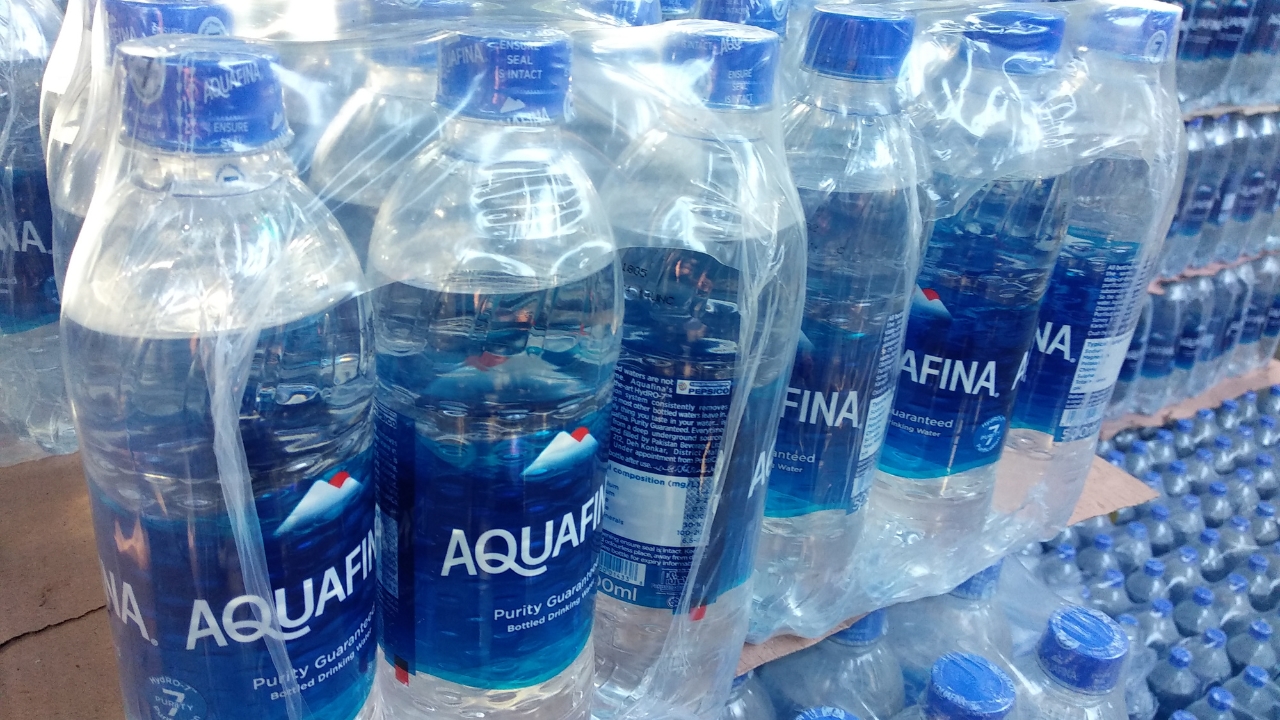
Food gets all the attention, but water is what you’ll miss first. When the grid’s down, well pumps and municipal systems may stop working. And bottled water runs out faster than you think.
You need at least a gallon per person per day for drinking, plus more for cooking and hygiene. Don’t wait until a storm’s coming—have it ready well ahead of time.
Only Prepping the Kitchen
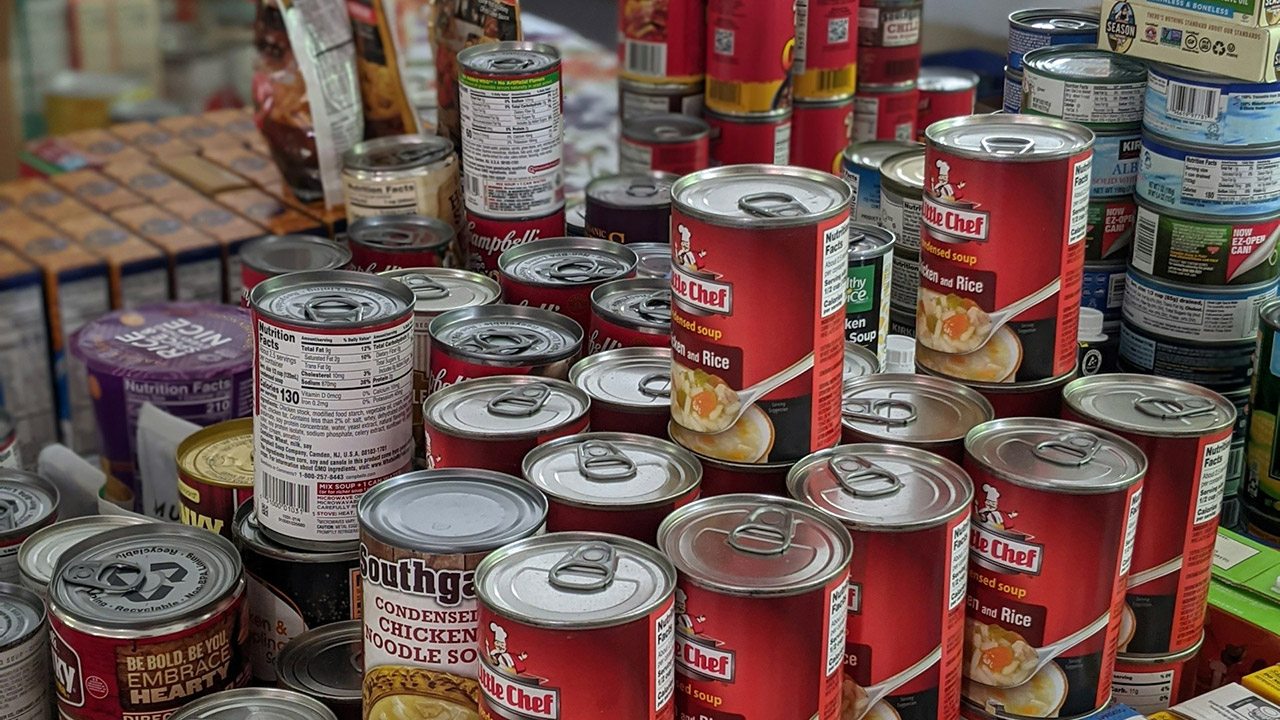
Most people stock canned food and call it done. But when the power’s out, you also need a way to cook, wash hands, stay warm, go to the bathroom, and get updates.
Don’t stop with snacks and peanut butter. Think through every part of your day and make sure you have a backup plan for each one. Blackouts hit every area of life, not just mealtime.
Skipping Extra Fuel Storage
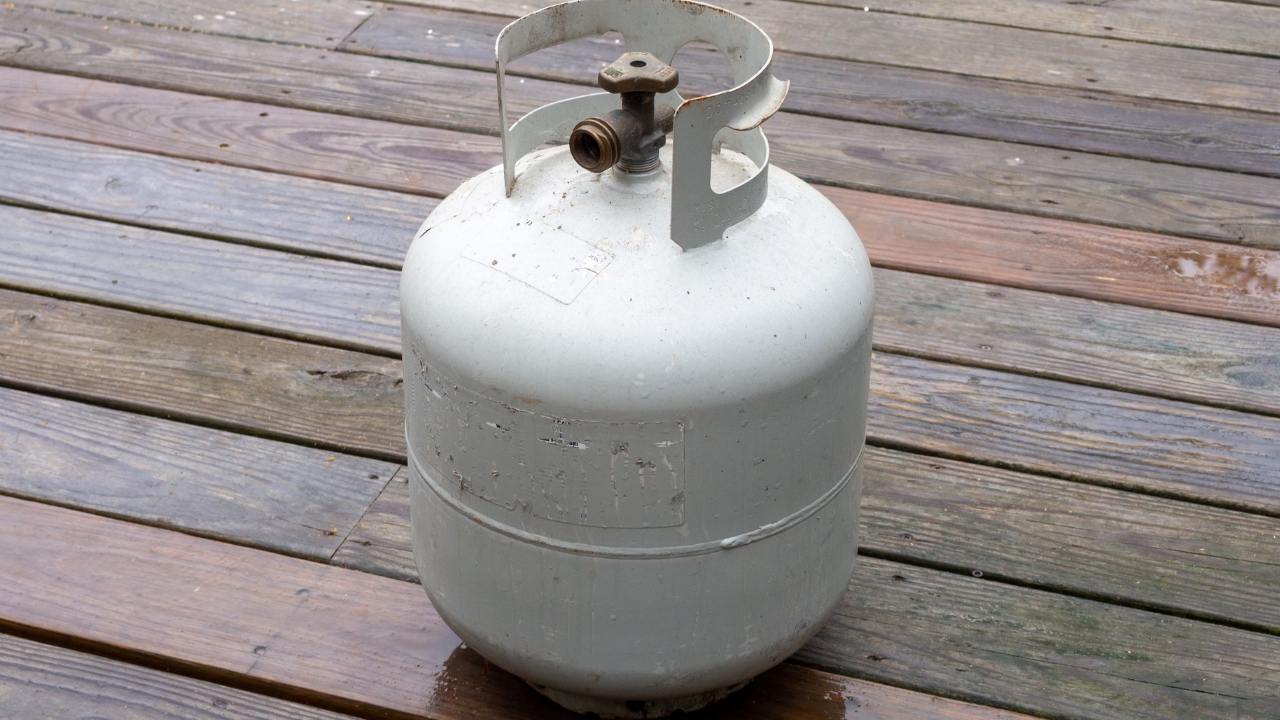
A generator or camp stove won’t help you if there’s no gas or propane to run it. And during a widespread outage, you won’t be able to fill up.
Store fuel safely and rotate it so it doesn’t go bad. Label everything clearly, and make sure you have what you need for your gear, from small propane tanks to treated gasoline.
Counting on Wi-Fi or Cell Service

Outages don’t always stop at the power line. Cell towers can go down, and routers won’t run without electricity. A lot of people don’t realize how fast they lose communication.
Have a backup like a battery-powered or crank emergency radio. Keep physical copies of phone numbers and maps in case GPS goes down too. Don’t rely on tech that’s plugged into the wall.
Assuming the Fridge Will Stay Cold

People forget how quickly food spoils when the fridge loses power. Even if you keep it shut, you’re racing the clock. And freezers full of meat can be a major loss.
Have a plan for what to eat first, and what you can move into coolers if needed. Ice packs or frozen water bottles help buy some time. Better to prep now than toss everything later.
Not Having a Light Plan for Every Room
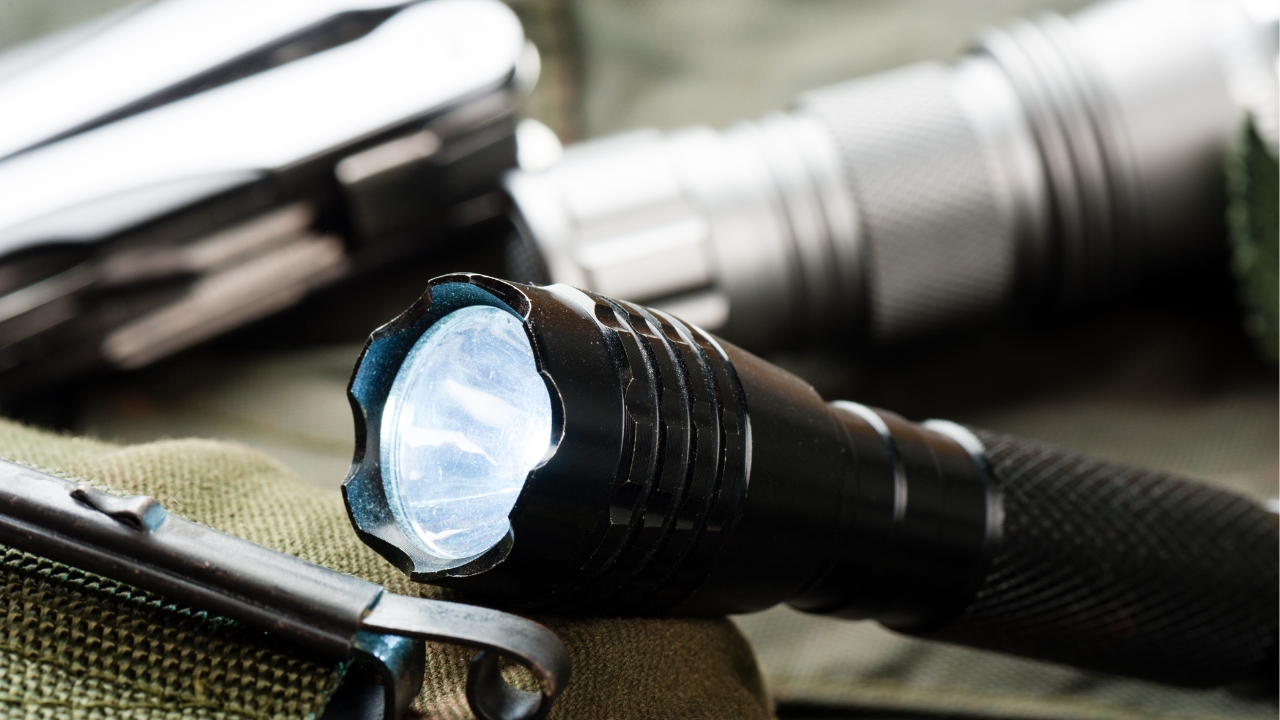
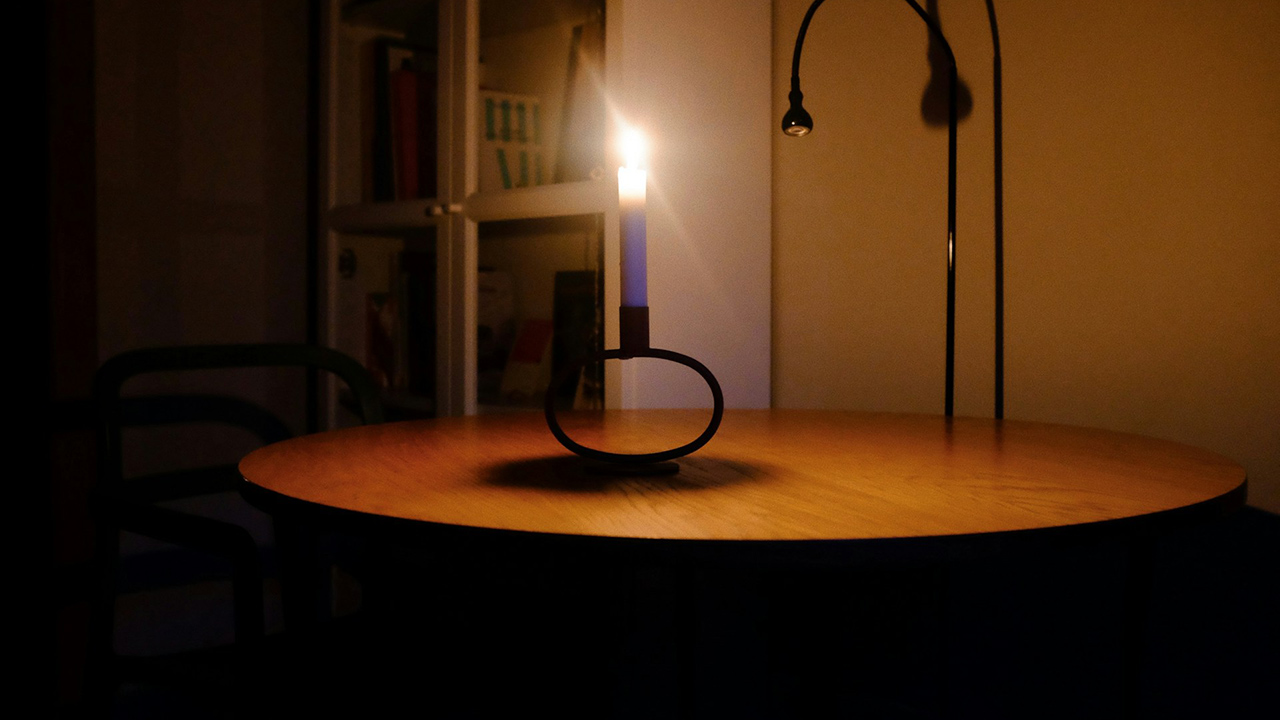
One flashlight doesn’t cut it. You’ll need light in more than one place—especially for middle-of-the-night bathroom trips or checking on kids.
Keep lanterns, headlamps, and backup lights in key spots around the house. Motion-activated tap lights can be a lifesaver in closets and hallways when it’s pitch dark.
Forgetting About Toilets
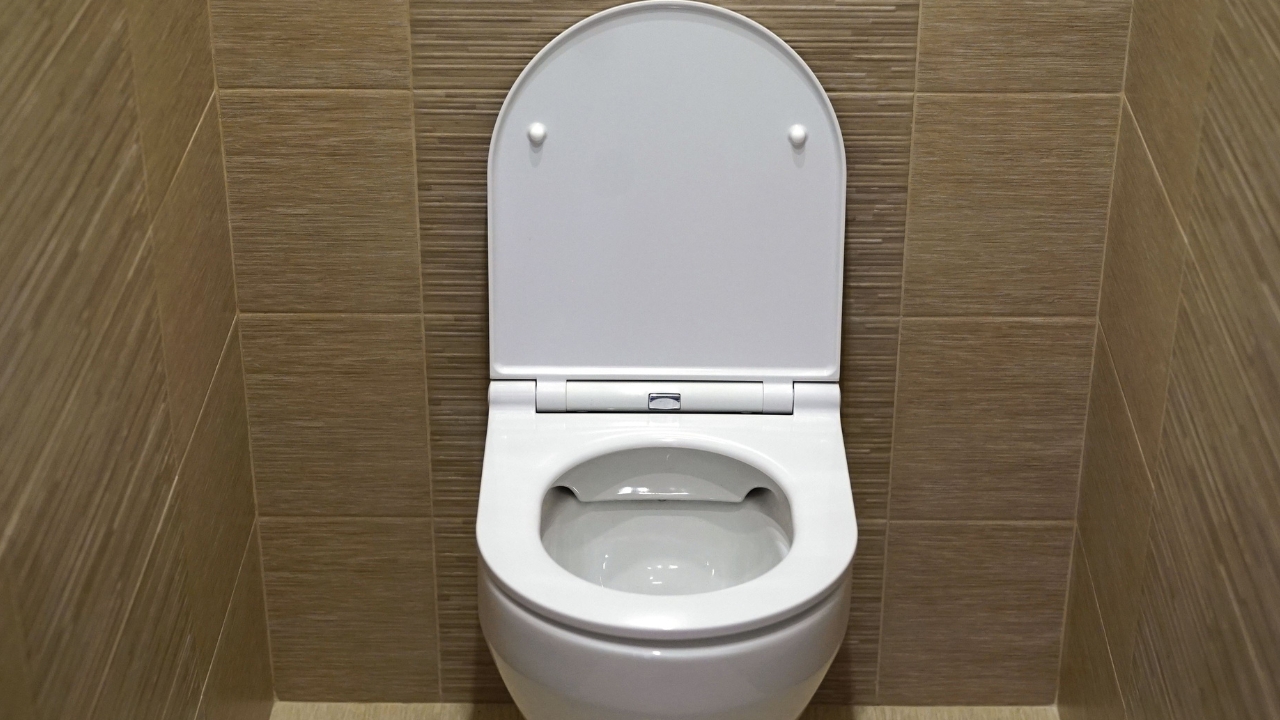
If your toilet runs on a well pump, you’re not flushing once the power’s out. And even city water pressure can fail in a long outage. A lot of people don’t realize this until it’s too late.
Have a plan—a water bucket to manually flush, a camping toilet, or at the very least, heavy-duty bags and disinfectant. It’s not pleasant, but it’s necessary.
Ignoring Medication Needs
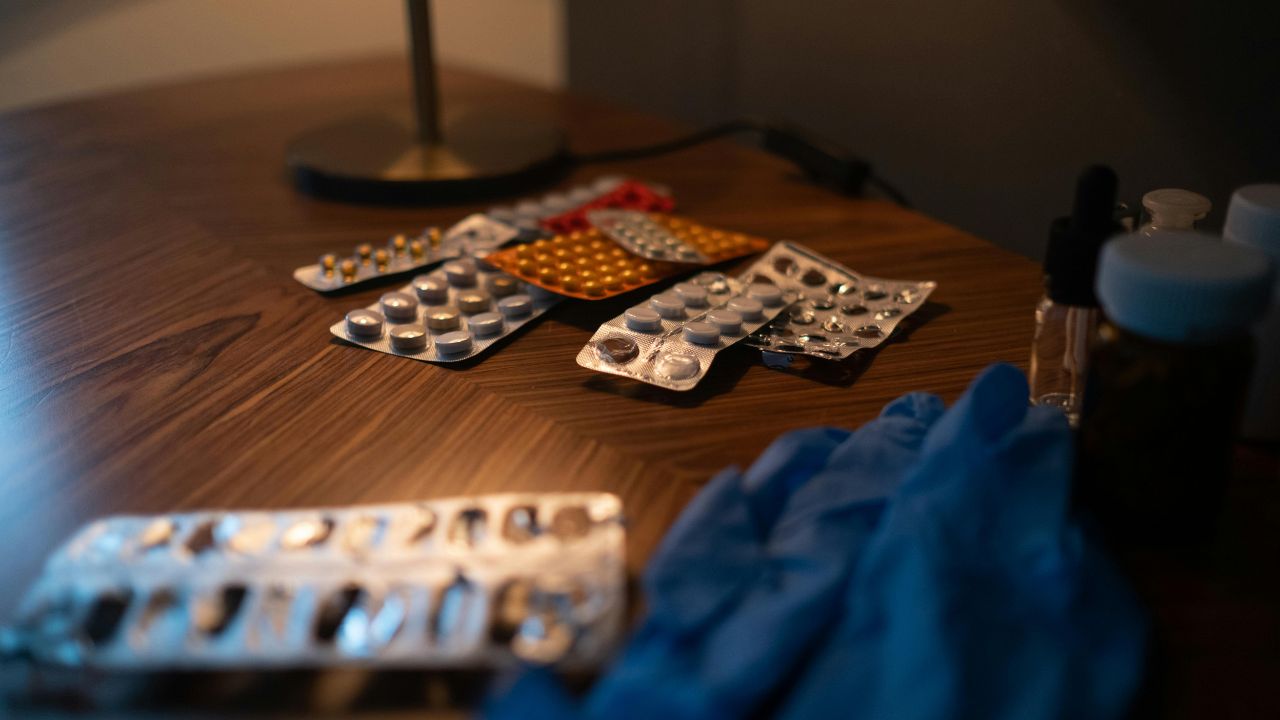
Some prescriptions need refrigeration. Others are time-sensitive or hard to replace during a storm. Too many people overlook this when they prep.
Keep a few days’ supply of essentials set aside if you can. Talk to your doctor or pharmacist about emergency storage options, especially if someone in your home has critical needs.
Thinking It’ll Be Over in a Few Hours

The biggest mistake? Assuming things will bounce back quickly. Power outages can stretch longer than expected—especially in rural areas or after big storms.
Prepare like it might be days, not hours. The more self-sufficient you are from the start, the less you’ll rely on anyone else to get through it.
*This article was developed with AI-powered tools and has been carefully reviewed by our editors.
Like Fix It Homestead’s content? Be sure to follow us.