The most forgiving paint finish for high traffic halls
Hallways take a beating. Kids run hands along the walls, backpacks bump, laundry baskets scrape, and somehow there are always mystery scuffs at knee height. If you’ve ever tried to spot-clean flat paint and ended up with a shiny patch, you know not all finishes are built for this.
The right finish won’t magically stop the dings, but it will make them easier to wipe and touch up without your walls looking like patchwork.
Why flat paint struggles in busy areas
Flat paint hides imperfections in the wall really well, which is why builders love it. But it doesn’t handle scrubbing. When you try to clean it, it can burnish—that’s the dull paint turning slightly shiny where you rubbed.
In a hallway where you’re constantly wiping fingerprints, smudges, and shoe marks, those shiny spots add up. Over time, you get clean but blotchy walls that never really look fresh.
Flat paint has its place, but high-traffic hallways usually aren’t it.
Where glossy finishes go wrong
On the other end of the spectrum, high-gloss paint is extremely easy to clean. The problem is, it shows everything. Every uneven spot, every roller mark, every patch in the drywall suddenly stands out.
In a narrow hallway, light bounces off glossy walls in a way that can feel a little harsh. Every bump and dent looks louder than it did before. Unless your walls are in perfect shape, that level of shine isn’t doing you any favors.
So you’re left trying to find a middle ground—something you can wipe without turning your walls into mirrors.
Why eggshell and satin are usually the safest bets
For most families, eggshell or satin finishes are the sweet spot for hall walls.
Eggshell:
- Has a soft, low sheen
- Hides small imperfections better than shinier finishes
- Handles light cleaning without obvious burnish marks
Satin:
- Has a bit more sheen than eggshell
- Is easier to wipe down and a little more durable
- Shows wall imperfections slightly more than eggshell, but less than semi-gloss
If your walls are in decent shape and you really need the extra scrubbability, satin is a strong choice. If your walls are a little rough but you still need to clean them often, eggshell is a nice compromise.
How color plays into “forgiving”
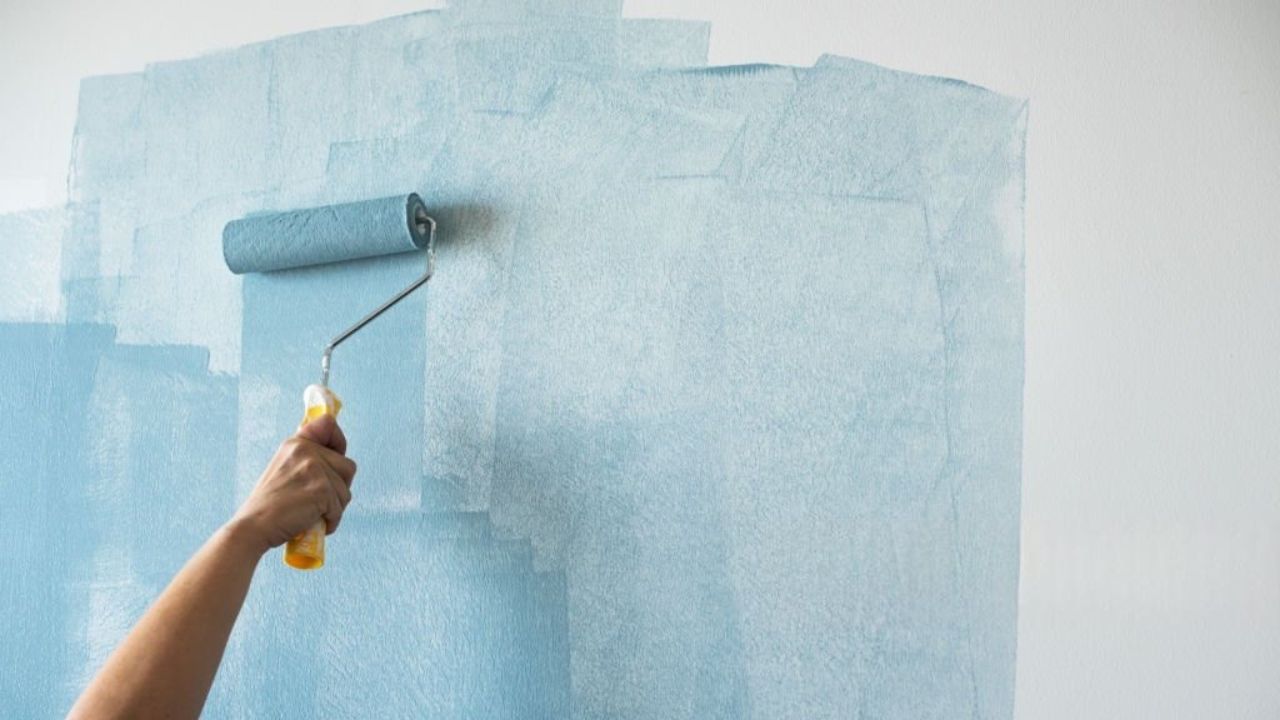
Finish isn’t the only thing that matters. Color affects how much dirt and damage you can see.
Super light colors:
- Show handprints and scuffs quickly
- Look great in photos, less great once life hits them
Very dark colors:
- Show dust, light scratches, and every little ding
- Can make narrow halls feel tighter if there’s not much natural light
Mid-tone colors are usually the most forgiving in a hallway. They hide smudges better and don’t shout every tiny mark at you. Warm grays, greige, soft taupes, and muted blues or greens all tend to live in that “still bright, but not every fingerprint” zone.
Don’t forget about the paint quality itself
You can pick the right finish and still have walls that don’t clean well if the paint quality is poor. Cheaper paint often doesn’t have the same scrubbability, no matter what the label says.
In a high-traffic hall, it’s worth stepping up one notch in quality if you can:
- You’ll usually get better coverage in fewer coats
- The finish tends to be more even
- Cleaning doesn’t damage it as quickly
You don’t need top-of-the-line everything, but you also don’t want the absolute rock-bottom can for the one area everyone touches daily.
Test a small spot before you commit
If you’re torn between eggshell and satin—or debating a specific brand—test one small section at kid height before painting the whole hall.
Paint a square, let it cure fully, then:
- Rub a dirty hand or a bit of pencil on it
- Clean it with a damp cloth and mild cleaner
- See how the finish responds
If it wipes clean without leaving a shiny patch or rough spot, that’s a good sign. If it looks blotchy after cleaning, try the next finish up.
It’s much easier to test now than repaint later because the walls look tired after six months of real life.
Pair the right finish with small daily habits
Even with a forgiving finish, basic habits help your walls look better longer:
- Hang hooks so backpacks and bags aren’t hitting the wall
- Use door stops to keep knobs from punching into drywall
- Wipe small smudges regularly instead of letting them build into dark streaks
Your paint can only do so much. A few simple changes in how that hallway gets used will stretch the life of the paint job and keep it from looking worn out long before you’re ready to repaint.
What to do if your current paint is already struggling
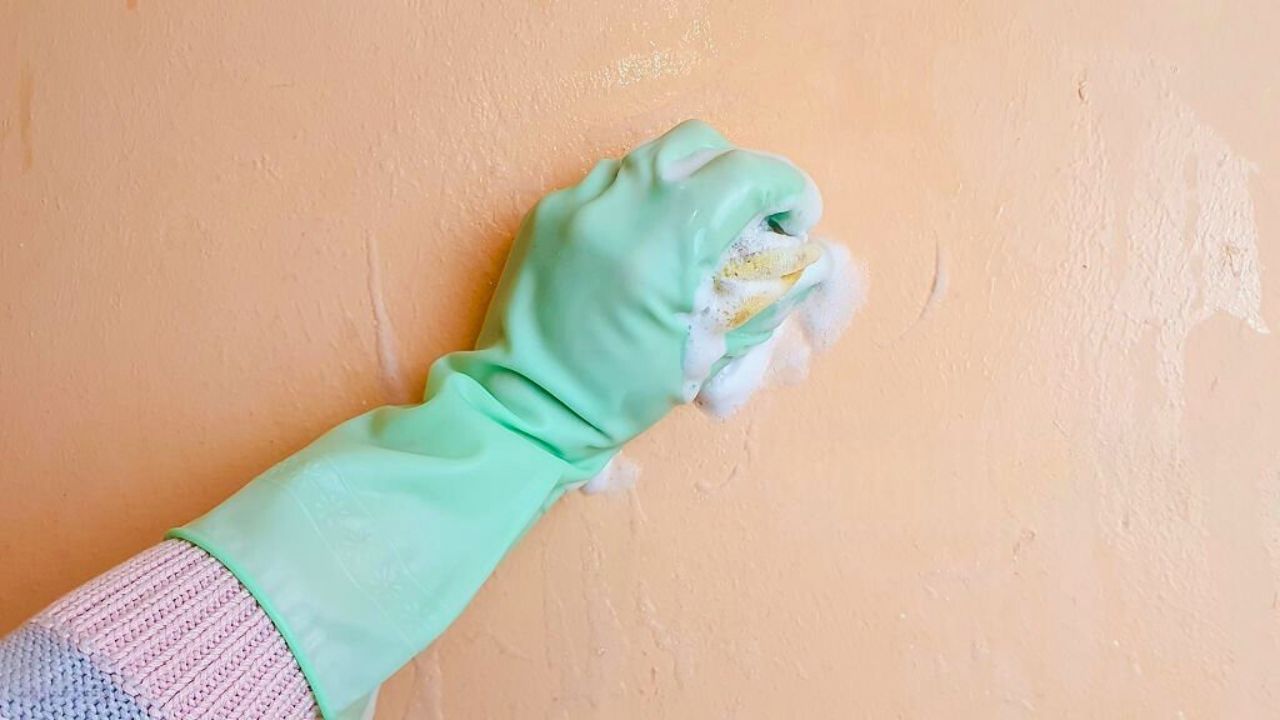
If your hall is already painted in flat and you’re dealing with shiny wipe marks and tired-looking spots, you don’t have to strip it and start from bare drywall.
You can:
- Wash the walls lightly to remove surface dirt
- Patch obvious dings
- Repaint with an eggshell or satin finish in the same color or close to it
The next time you wipe off fingerprints, the paint will be built for it. You’ll still have to clean, but you won’t feel like every swipe of the cloth is making things worse.
In a high-traffic space, forgiving paint is less about perfection and more about survival. If it hides the little scars, cleans up without drama, and doesn’t make you regret letting kids and pets run through the house, it’s doing its job.
Like Fix It Homestead’s content? Be sure to follow us.
- I made Joanna Gaines’s Friendsgiving casserole and here is what I would keep
- Pump Shotguns That Jam the Moment You Actually Need Them
- The First 5 Things Guests Notice About Your Living Room at Christmas
- What Caliber Works Best for Groundhogs, Armadillos, and Other Digging Pests?
- Rifles worth keeping by the back door on any rural property
*This article was developed with AI-powered tools and has been carefully reviewed by our editors.