The one mirror placement mistake that makes your entryway feel smaller
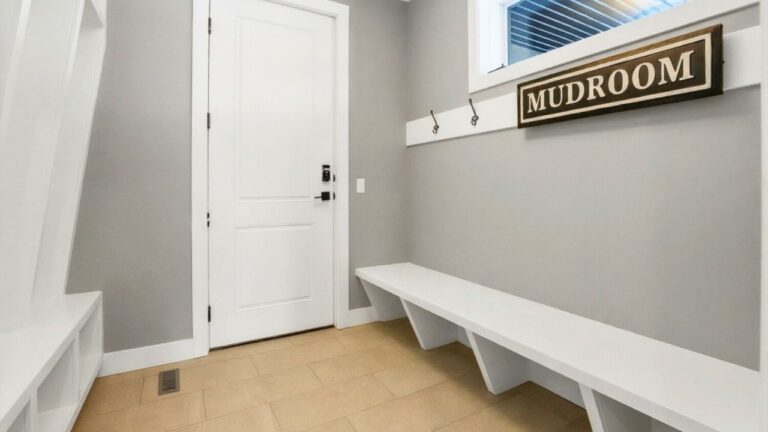
Everyone’s heard that mirrors make a room look bigger, and in most cases, that’s true. But in a small entryway, where every inch counts, where you hang that mirror matters more than you think.
The wrong placement can actually make the space feel tighter and busier — the exact opposite of what you were going for. It’s one of those small design details that’s easy to miss, but once you fix it, you’ll see the difference immediately.
The problem with placing mirrors across from the door
Hanging a mirror directly across from the front door might seem like the best way to “open up” the space, but it does the opposite. When you walk in and see your reflection head-on, it creates visual clutter. Instead of making the room feel deeper, it stops your eye right at the mirror — and that constant movement of light and reflection can make the space feel more chaotic than open.
Designers often avoid putting mirrors directly opposite entry doors for another reason: it draws attention to the smallest part of the house. The entryway is usually narrow, with limited natural light, and a full reflection doubles that tightness. It’s the same reason restaurants don’t place mirrors at the end of narrow hallways — it looks like more space but feels less comfortable.
The best spot is where it catches light, not movement

If you want your entryway to feel larger, hang the mirror where it can reflect natural light or a soft lamp glow — not where it reflects constant activity. A side wall works best because it bounces light around without doubling the visual clutter. You still get the open, airy feel people love mirrors for, but without the dizzying effect of seeing yourself every time you walk through the door.
If your entry has a small window, try positioning the mirror across from that instead. The reflected daylight brightens the whole space, which tricks the eye into seeing it as bigger. Even artificial light can help — a well-placed lamp reflected in a mirror adds depth and warmth, making the entryway feel welcoming instead of cramped.
Size and height matter more than you think
A mirror that’s too small or hung too high can make the wall feel empty, while one that’s oversized can overwhelm a narrow space. The goal is balance — the mirror should reflect about half of your upper body when you’re standing naturally. Hang it at eye level, roughly 57 to 60 inches from the floor to the center of the mirror.
If your entryway table or console is narrow, pick a mirror that’s about two-thirds the width of the furniture below it. That ratio creates structure and flow instead of feeling top-heavy. And if your space is very small, skip floor-length mirrors — they’ll only draw attention to how short the walls or hallway really are.
Framing and shape make a big difference
The frame you choose can either open up the space or close it in. Chunky frames or dark finishes tend to shrink a wall, especially in tight entryways. A thinner frame or a frameless mirror feels lighter and blends better with the wall.
Round or oval mirrors work especially well in small spaces because they break up the straight lines of doors, trim, and walls. They also soften the look and create a more natural focal point without feeling too heavy. If your entryway already has a lot going on — hooks, shelving, or décor — a frameless oval mirror can make the space feel calmer and more cohesive.
Keep what it reflects clean and intentional
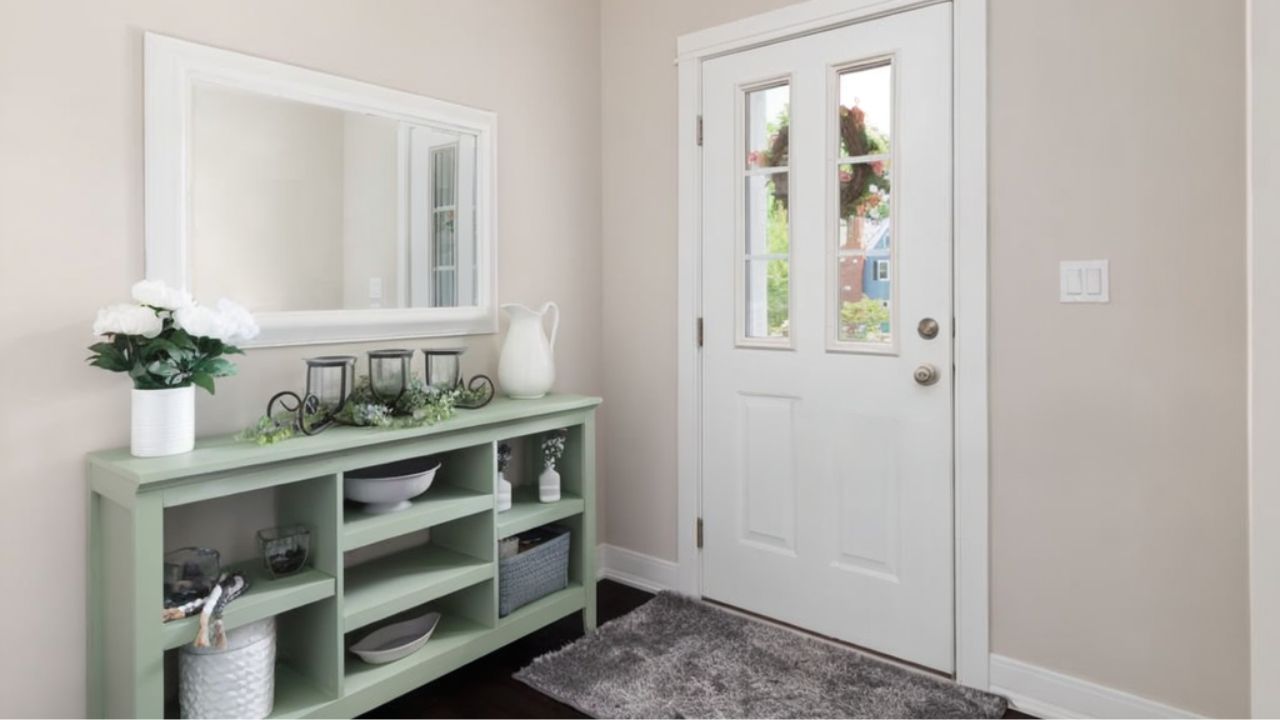
A mirror doubles whatever’s in front of it, so if it’s reflecting clutter — mail piles, shoes, or coats — it’ll make the mess feel twice as big. Before you hang one, stand in the doorway and check what it’ll reflect. If the view is chaotic, choose another wall. Mirrors should highlight your home’s best features — a clean wall, a vase of flowers, or natural light — not the everyday buildup that happens by the door.
A mirror can absolutely make your entryway look bigger and brighter, but only if it’s placed with purpose. When you hang it where it reflects light instead of movement, balance it with your furniture, and keep its reflection clear, you’ll turn a cramped spot into one that feels intentional and inviting the second you walk in.
Like Fix It Homestead’s content? Be sure to follow us.
- I made Joanna Gaines’s Friendsgiving casserole and here is what I would keep
- Pump Shotguns That Jam the Moment You Actually Need Them
- The First 5 Things Guests Notice About Your Living Room at Christmas
- What Caliber Works Best for Groundhogs, Armadillos, and Other Digging Pests?
- Rifles worth keeping by the back door on any rural property
*This article was developed with AI-powered tools and has been carefully reviewed by our editors.