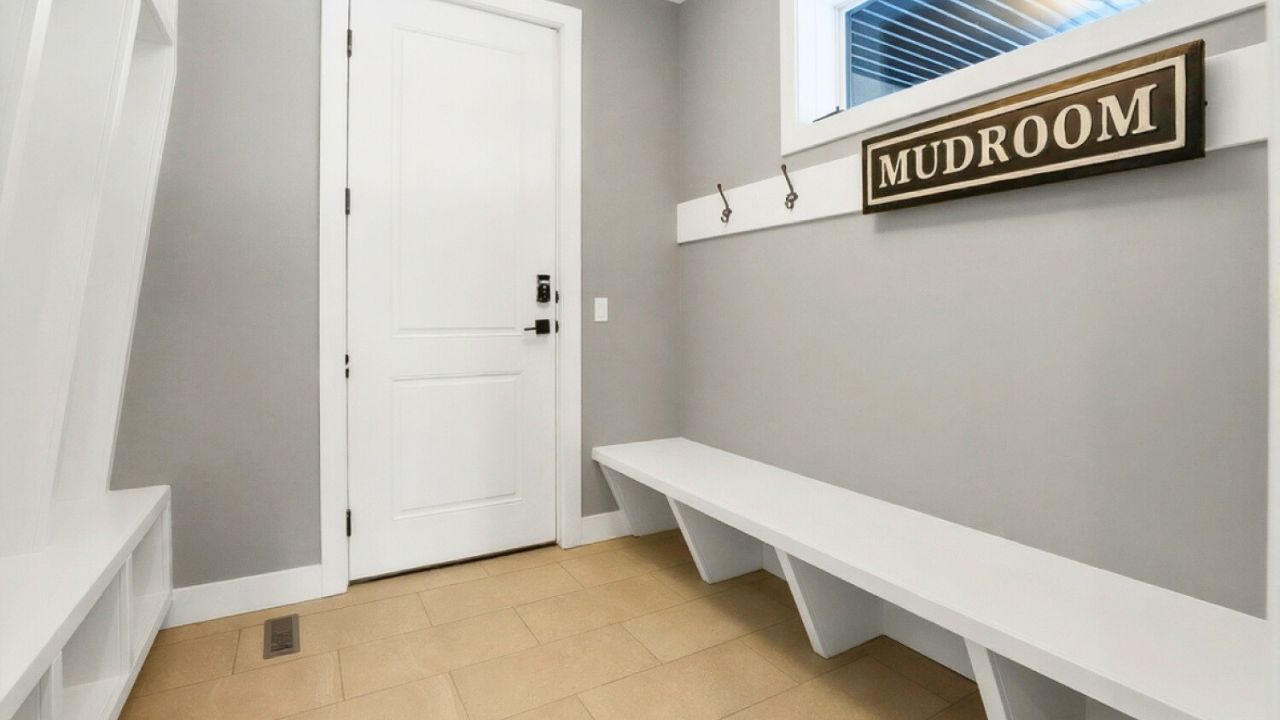
The quickest way to reset a mudroom on a wet day
On a wet day, the mudroom goes from “drop zone” to “disaster zone” in about five minutes. Boots, wet jackets, backpacks, dog leashes, umbrellas—everything piles up right where you need to walk. You don’t always have time for a full clean, but you can do a fast reset that gets the floors clear, the wet stuff drying, and the mess contained.
Think of it as a 10–15 minute routine: clear, dry, sort, and reset.
Clear the walking path first
Start where it matters most—where feet land. If you can’t walk through the mudroom without stepping on something, nothing else is going to feel manageable.
Do a quick sweep with one goal: open up a clear path from the door to the next room.
- Kick or slide boots to one side.
- Move backpacks and bags off the floor onto hooks, a bench, or even a temporary pile in the next room.
- Push stray sports gear, dog bowls, and random things out of the center.
You’re not organizing yet, just getting the floor open so nobody tracks more mud trying to squeeze around the chaos.
Separate “wet now” from “dry enough”
Next, sort everything into two mental piles: soaking-wet stuff that needs real drying and “mostly dry” items that can just go back where they belong.
Wet now:
- Dripping coats, soaked gloves, wet hats
- Muddy boots and shoes
- Umbrellas and rain gear
Dry enough:
- Backpacks, purses, lunch boxes
- Scarves that are only a little damp
- Clean shoes that came in before the weather turned
Hang or set the dry-enough items in their usual spots so they’re out of your way. The wet stuff moves into its own zone where it can actually dry without making everything else gross.
Give wet gear actual places to drip and drain
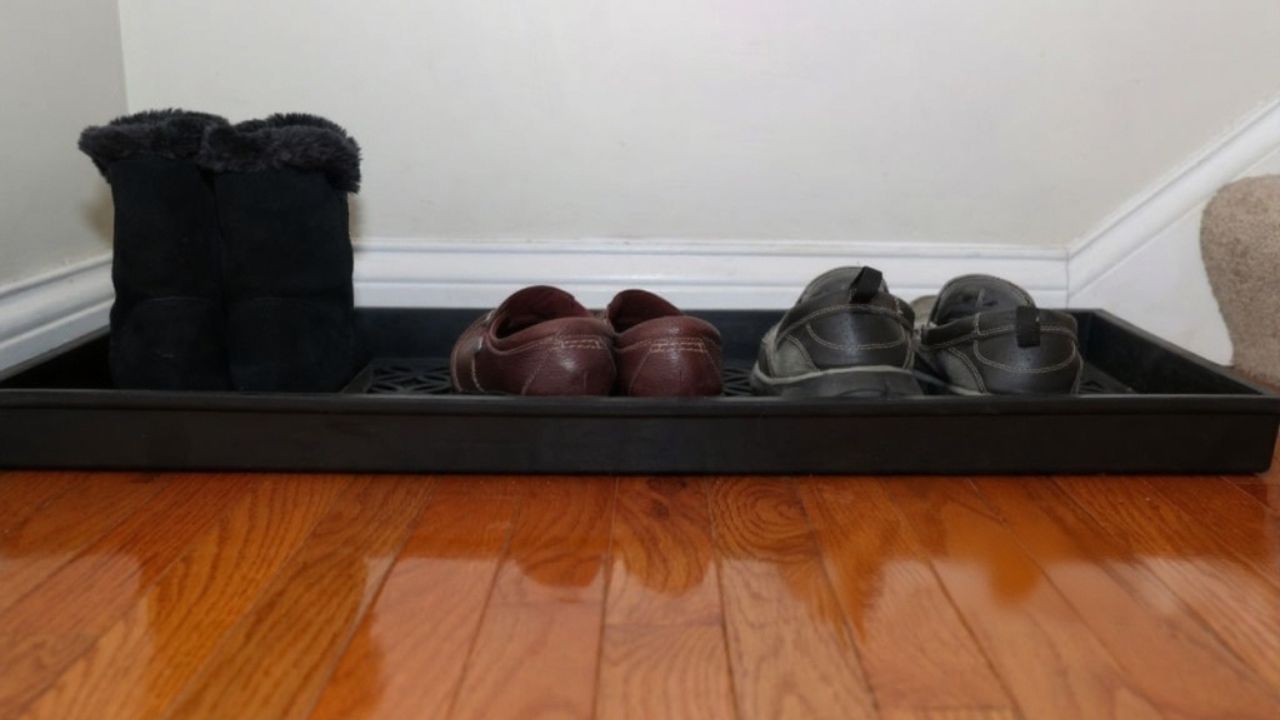
Piling wet gear in a corner only guarantees a cold, musty smell later. Give water somewhere to go that isn’t into the floor or the wall.
Quick setups that help:
- A boot tray or shallow plastic bin by the door for muddy shoes
- Old towels laid in one specific spot for dripping gear
- A drying rack or a sturdy row of hooks that you actually leave open for coats and snow pants
Hang soaked coats with a little space between them instead of layering three on one hook. Stand boots open and upright so air can move inside. If you have a small fan, pointing it on low across the floor and boots speeds everything up without having to crank the heat.
Deal with the worst of the mud on the floor
Once the big items are moved, you can see what’s actually on the floor. The goal isn’t perfection—it’s getting rid of the worst grit so it doesn’t spread through the house.
If there’s thick mud, let it dry for a bit if you have time; dried mud sweeps up easier than smearing a wet mess. If you need it clean right now:
- Scoop up clumps with a dustpan or old rag.
- Sweep loose dirt into a pile and toss it.
- Spot mop the worst areas with a small bucket or cleaning spray instead of trying to mop the whole room.
You’re aiming for “not gross under bare feet,” not a deep clean. The lighter you keep this step, the more likely you’ll actually do it on busy days.
Create a simple “dump zone” for repeat offenders
Every family has repeat clutter offenders—kid shoes, dog leashes, mail, random tools. If they always land in the mudroom, give them a specific home right there instead of pretending they’ll magically move somewhere else.
Easy win setups:
- A low basket or crate for kid shoes so they can toss them in and still find them.
- A hook or small bin just for leashes, collars, and poop bags.
- A little tray or wall file for keys and mail.
Labeling isn’t required, but it helps, especially for kids and guests. When something has an obvious spot, it’s easier to put it away as you pass through instead of letting it drift back to the floor.
Keep a “wet day kit” ready so it’s not a scramble
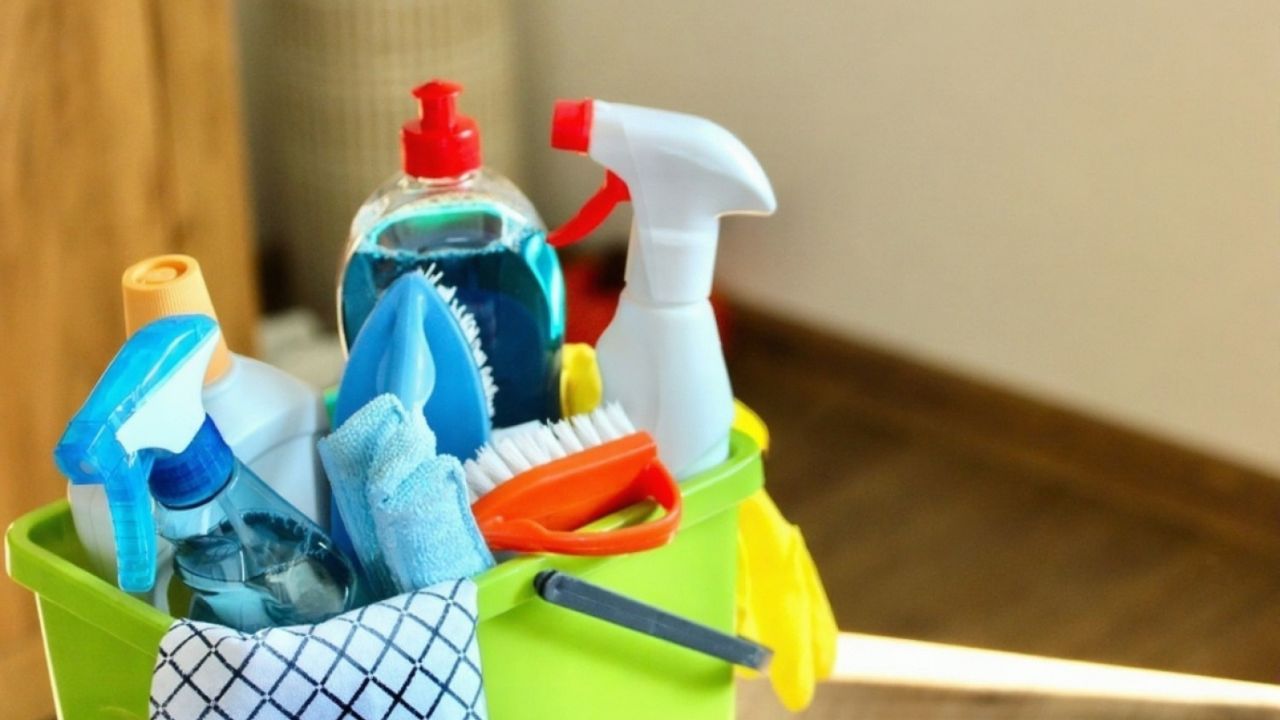
You can reset faster when supplies live in the mudroom instead of across the house. Put together a small wet-day kit and leave it there.
Ideas to keep handy:
- A couple of old towels just for floors and boots
- A small scrub brush or old toothbrush for boot treads
- Extra hooks or over-the-door hooks for surprise guests or extra coats
- A basic cleaner or disinfecting spray for quick wipe-downs
When everything you need is within arm’s reach, a reset feels like one small job, not a whole project spread over three rooms.
Reset once a day instead of once a week
The magic is in doing a small reset often, especially in truly wet seasons. Pick a time—after dinner, after school, or right before bed—and make “mudroom reset” part of that routine.
Your daily reset might look like:
- Tossing soaked towels into the hamper
- Moving dry coats and gear back to their “normal day” hooks
- Straightening shoes on the tray and doing a 30-second sweep
- Putting backpacks or bags where they go for the next day
Ten minutes now keeps you from facing a full disaster pile at the end of the week. On wet days, that’s usually the difference between a mudroom you can live with and one you secretly want to block off with caution tape.
Like Fix It Homestead’s content? Be sure to follow us.
- I made Joanna Gaines’s Friendsgiving casserole and here is what I would keep
- Pump Shotguns That Jam the Moment You Actually Need Them
- The First 5 Things Guests Notice About Your Living Room at Christmas
- What Caliber Works Best for Groundhogs, Armadillos, and Other Digging Pests?
- Rifles worth keeping by the back door on any rural property
*This article was developed with AI-powered tools and has been carefully reviewed by our editors.