10 feed storage habits that could wreck $800 worth of supplies
Photo credit: muhakmal02/Shutterstock
Feed is one of the biggest ongoing expenses when you’re raising animals, and losing even a few bags can set you back fast. Between pests, mold, and poor storage habits, it’s easy to ruin hundreds of dollars in supplies without realizing it. The good news is, most of the problems are preventable if you handle and store feed the right way. Here are the habits that can wipe out $800 worth of feed before you know it.
Leaving Bags on the Ground

Moisture seeps up from concrete or dirt floors, even if the space looks dry. Feed bags left directly on the ground are prone to mold, clumping, and rot.
Using pallets, shelves, or even bricks to elevate bags keeps airflow underneath and helps them stay usable for months. A small adjustment like this keeps you from tossing out expensive feed.
Storing Feed Outside
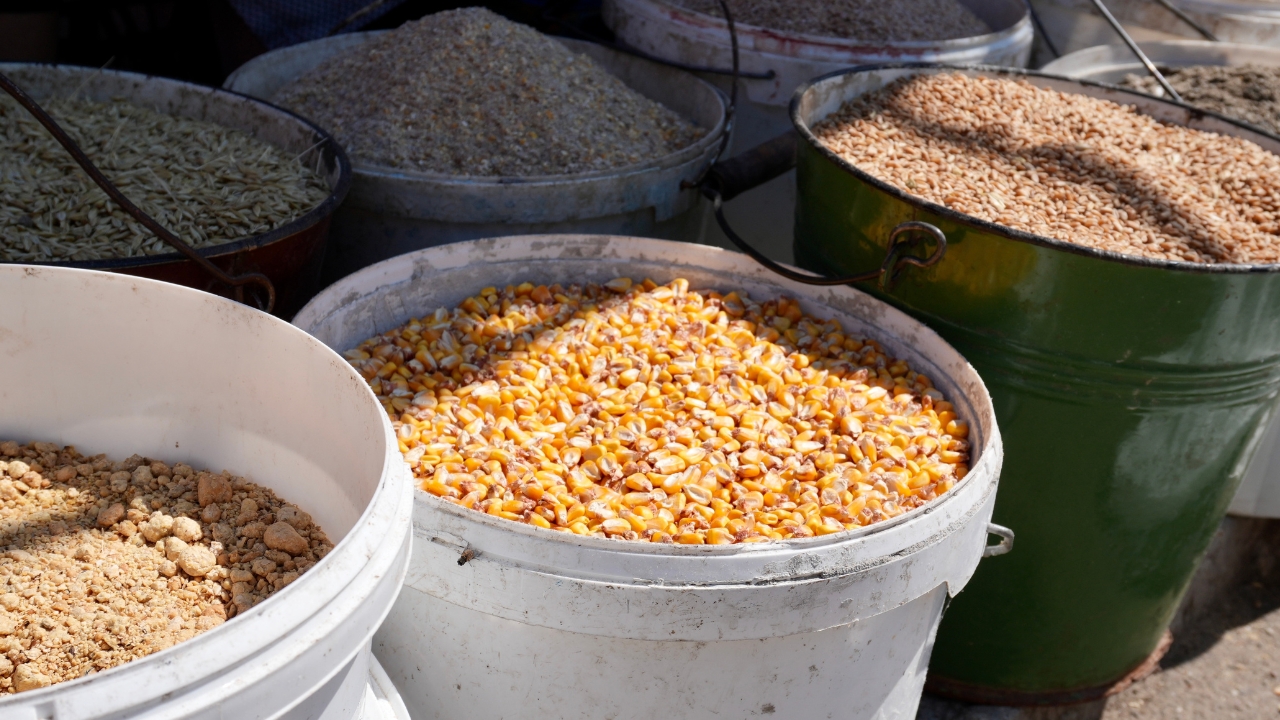
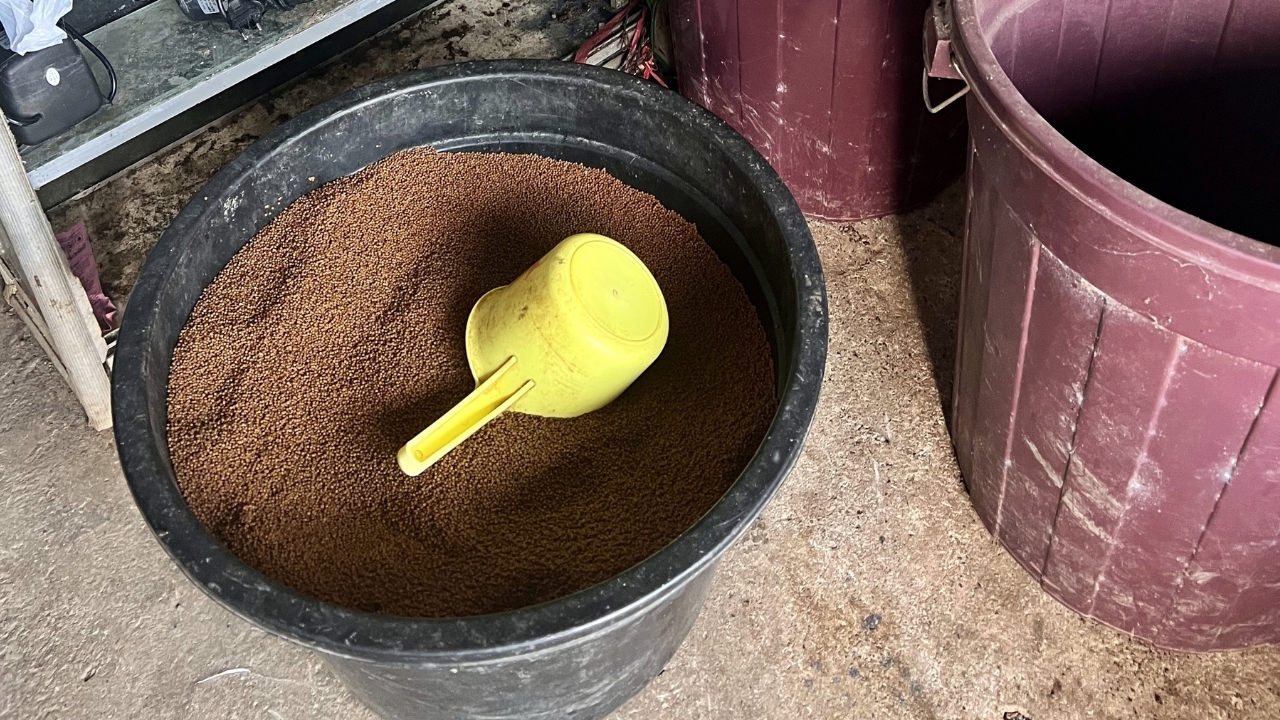
It might feel convenient to stash feed on the porch, in a shed, or under a tarp, but weather destroys it fast. Rain, humidity, and temperature swings are all hard on grain.
Feed needs a stable environment. If you don’t have an insulated space, at least use sealed containers in a garage or barn to keep the elements out. Otherwise, you’ll end up throwing away spoiled bags.
Using Open Containers
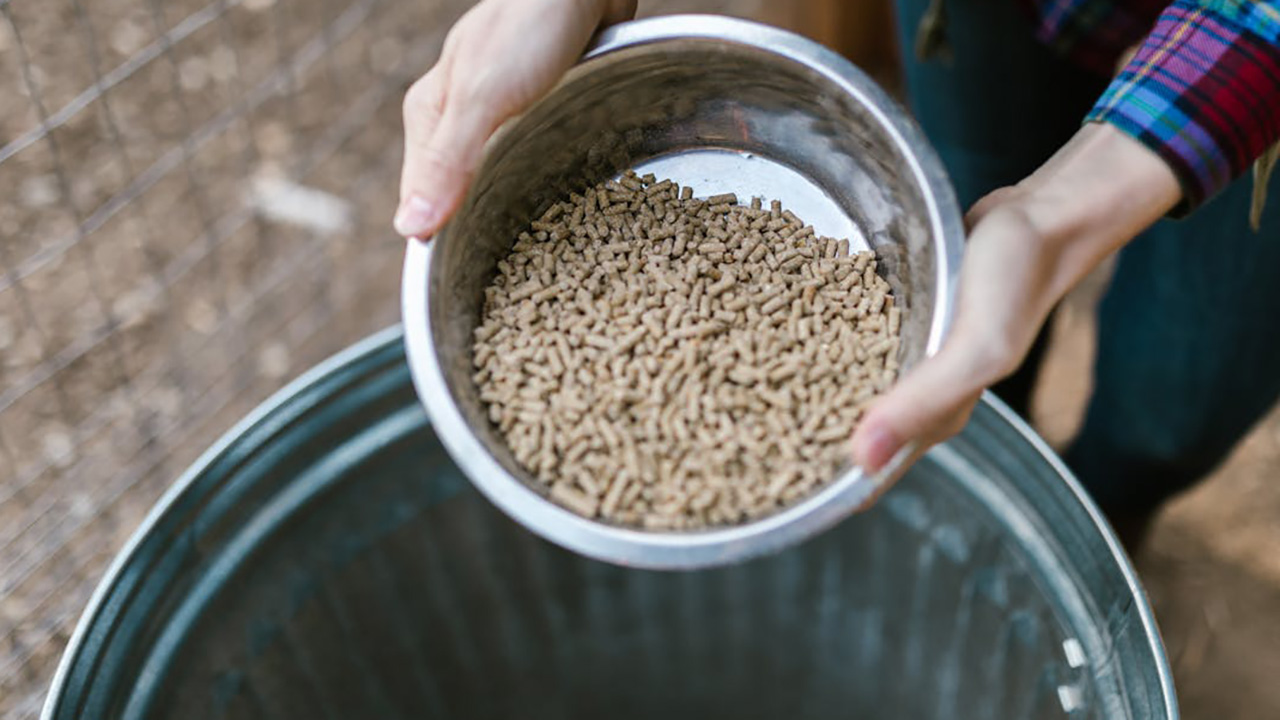
Animals, insects, and rodents all look at open feed as an invitation. Once pests get in, you can lose bags overnight. Even a few mice can contaminate large amounts.
Sealed metal or heavy-duty plastic containers are worth every penny. They keep feed safe, clean, and free from contamination, which saves you far more than the cost of replacing ruined bags.
Mixing Old and New Feed
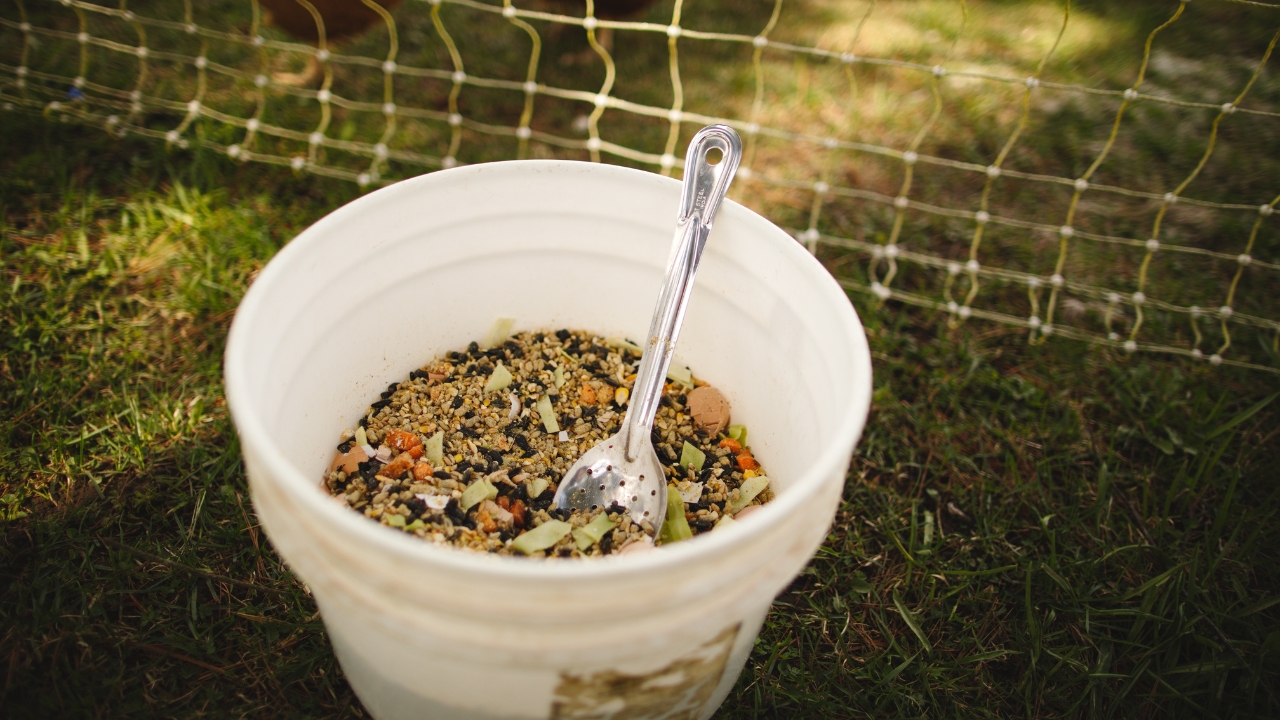
It might seem efficient to pour new feed on top of old, but it usually leads to problems. Any mold, moisture, or insects in the bottom get spread into the new bag.
Always empty the container before refilling. That way, you know the feed stays fresh and you’re not accidentally ruining good supplies with leftovers that should’ve been tossed.
Buying More Than You Can Use
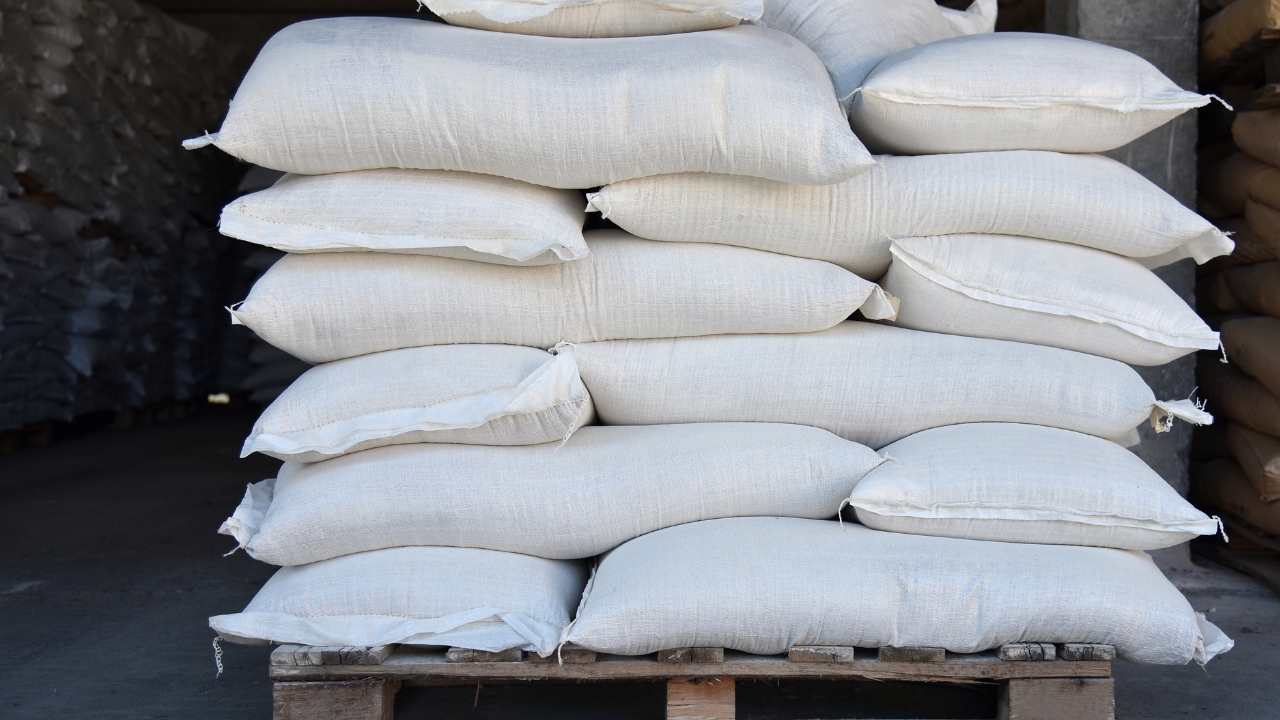
Bulk buying only pays off if you can use feed before it spoils. Grain and pellets don’t last forever, especially in hot or humid conditions.
Calculate how long a bag typically lasts your animals and avoid overstocking. Buying too much at once often leads to wasted feed and wasted money.
Ignoring Expiration Dates
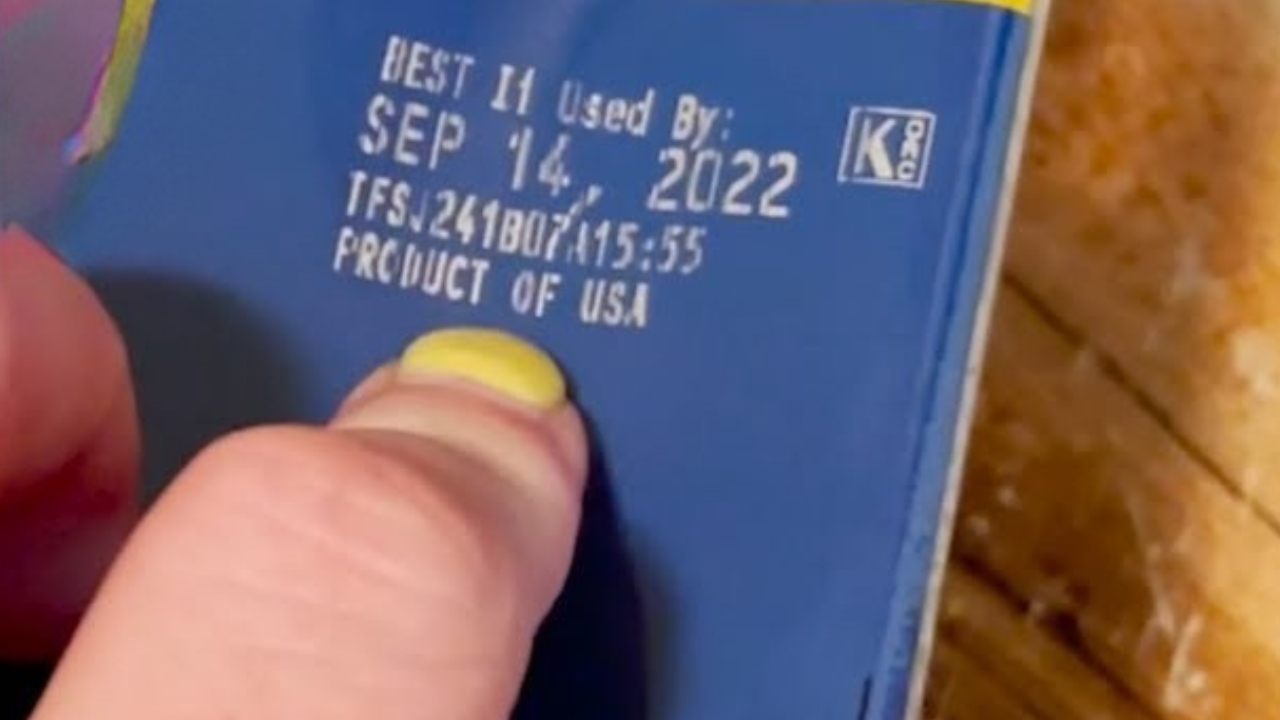
Feed does have a shelf life. Vitamins and nutrients break down over time, and spoiled feed can cause health issues for your animals.
When you buy, check the manufacture or expiration date on the bag. Rotate stock so older feed is used first. Staying aware of dates ensures you’re feeding animals good nutrition while avoiding costly waste.
Leaving Bags Open

A bag left open is a magnet for moisture and pests. Even a small tear or loose fold can ruin the contents.
If you don’t have a container handy, at least clip or tie the bag shut tightly. A few seconds of prevention keeps you from losing pounds of feed.
Storing in Damp Areas

Basements, barns with leaks, and unventilated sheds all trap humidity. Even if bags don’t get wet, damp air alone is enough to cause mold and spoilage.
Always store feed in dry, ventilated spaces. A dehumidifier or extra airflow can make a huge difference in keeping bags usable for longer.
Ignoring Pest Signs

If you see droppings, chewed bags, or insects around your feed, you already have a problem. Ignoring it only makes the losses worse.
Check your storage area often and act quickly at the first sign of pests. Traps, secure containers, and cleaning up spills help stop them from spreading.
Not Cleaning Containers Regularly

Even sealed bins need attention. Dust, crumbs, and oil residue build up and can spoil the new feed you pour in.
Wash and dry your containers every few months before refilling them. It takes little effort but keeps every bag safe from contamination that could ruin a whole supply.
*This article was developed with AI-powered tools and has been carefully reviewed by our editors.