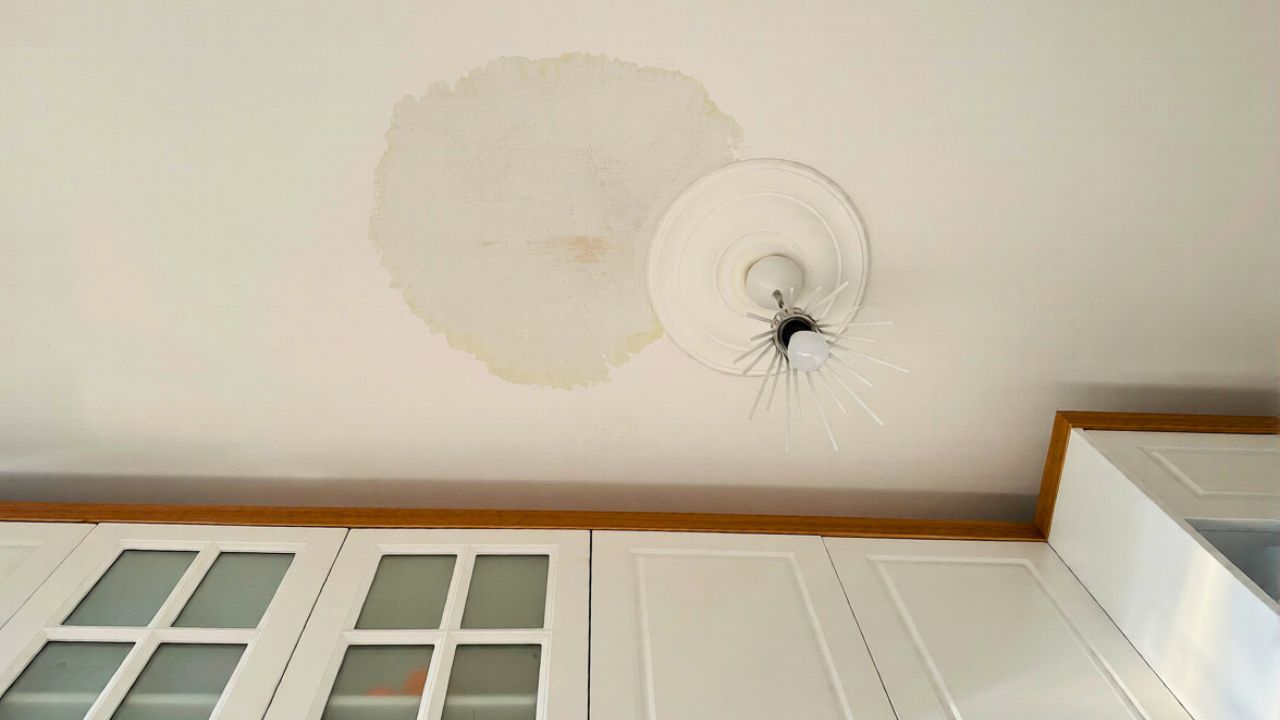
The “small water stain” that turns into a claim fight if you ignore it
A faint ring on the ceiling or a discolored patch on drywall looks harmless, but that “small water stain” is often the first visible sign of a problem that is already spreading out of sight. If you ignore it, you are not just risking a bigger repair bill, you are setting yourself up for a drawn‑out fight over what your insurance will actually cover. The difference between a quick fix and a denied claim usually comes down to how early you act and how seriously you treat that first mark.
From tiny stain to major dispute
When you first notice a water stain, you are seeing the end of a chain of events that started behind walls, under floors, or in the attic. Moisture has already found a path, whether from a pinhole leak in a copper line, a failed wax ring under a toilet, or a slow drip around a roof penetration. By the time the surface changes color, materials like insulation, subflooring, and framing may already be saturated, which means the clock is ticking on mold growth, structural weakening, and, eventually, questions from an adjuster about why you waited.
Insurance policies are written to cover sudden and accidental damage, not problems that build over weeks or months while a homeowner looks the other way. That is why a stain that seems too minor to worry about can later be framed as evidence of “ongoing seepage” or “owner neglect” when you finally file a claim. The pattern is the same one you see in other arenas of life, where Ignoring small issues allows them to escalate into unmanageable crises that are far harder, and more expensive, to resolve.
The myth of the “small” water problem
Homeowners often talk themselves into waiting by treating a stain as cosmetic, something to watch rather than something to investigate. You might convince yourself that a faint yellow halo under a bathroom fan is just humidity, or that a brown edge near a window is from an old spill. Plumbing pros warn that this is wishful thinking. As one breakdown of common homeowner mistakes puts it bluntly, “3. A small water stain is a small problem,” then immediately undercuts that belief by noting that, Unfortunately, big things tend have small beginnings. Even the smallest water mark can be the tip of a much larger leak.
That logic matters when you are dealing with insurers who will scrutinize not just what happened, but when you should reasonably have known something was wrong. If you paint over a stain instead of tracing it back to its source, you are effectively documenting that you saw a warning sign and chose appearance over diagnosis. Later, when you are arguing that the damage was sudden, photos of that same area, or notes from a contractor who saw the earlier mark, can be used to argue that the problem was gradual and therefore excluded. Treating the “small” stain as a small problem is not just a maintenance mistake, it is a strategic error in how you protect your coverage.
How negligence gets written into your claim file
Insurers rarely use the word “negligent” in casual conversation, but it shows up in claim files when there is evidence that a homeowner failed to act on clear signs of trouble. Negligence is not always dramatic. It can be as simple as skipping annual roof inspections, ignoring a musty smell in a closet, or letting a known drip continue because placing a bucket under it feels easier than calling a plumber. That pattern fits the broader warning that AVOID NEGLIGENCE because it can manifest in small, seemingly insignificant ways that, over time, have profound negative consequences.
In a property claim, those “small, seemingly insignificant” choices are exactly what an adjuster will probe. They will ask when you first noticed the stain, whether you called a professional, and what you did to stop further damage. If your answers suggest that you saw the problem weeks earlier but did nothing, the file may start to reflect a narrative of owner inaction. That narrative can justify partial payouts, higher deductibles, or outright denials on the grounds that the loss was not sudden. By the time you are arguing over policy language, the real fight is no longer about the stain itself, but about whether your behavior fits the insurer’s definition of a responsible policyholder.
The moment of decision: act now or let it fester
There is usually a specific moment when you decide whether to treat a stain as a to‑do item or background noise. You might be standing in the hallway, coffee in hand, noticing a new shadow on the ceiling and thinking, “I should check that out,” before moving on with your day. Relationship experts describe a similar crossroads in personal conflicts, noting that Every couple experiences this particular moment when a small topic can either be addressed calmly or allowed to escalate into a bigger conflict. Your home is no different. That first sighting of a stain is your chance to choose the path of least damage.
Acting in that moment does not mean you have to panic or tear open walls on the spot. It means documenting what you see, checking nearby plumbing fixtures or roof lines, and, if you cannot identify a harmless explanation, scheduling a professional inspection. It also means taking simple mitigation steps that insurers expect, such as shutting off a suspect water supply line or placing a container under an active drip. Those early moves show that you treated the issue as urgent, which can be critical later if you need to demonstrate that you did everything reasonably possible to limit the loss.
Why people ignore the warning signs
Despite the stakes, many homeowners look away from early signs of water damage. Part of the reason is psychological. You are busy, you want to believe your home is fine, and you may fear the cost of what an investigation will uncover. It is easier to tell yourself that a stain is old, or that it is just from condensation, than to confront the possibility of a roof leak or a failing shower pan. That tendency to minimize is reinforced when the damage is not yet disruptive. If the floor is not squishy and nothing is actively dripping, the temptation is to wait and see.
Another factor is simple habit. As one guide to household maintenance points out, people often see subtle signs of water damage and do nothing, noting that But mostly we ignore these signs due to ignorance and negligence, which can lead to a cost beyond your means. That pattern is exactly what insurers rely on when they write exclusions for “repeated seepage or leakage.” If you routinely wave away small anomalies, you are building a track record that can be used against you when a minor issue finally becomes impossible to ignore.
The financial stakes when you delay
Water is relentless. A slow leak that might have cost a few hundred dollars to fix when it first appeared can, over time, rot framing, delaminate subfloors, and require mold remediation that runs into the tens of thousands. Those numbers are not abstract. Restoration specialists warn that The Financial Implications of Delayed Water Damage Repair are severe, because ignoring damage can lead to serious financial implications and the longer you wait, the more extensive and expensive the repairs become. On top of direct repair costs, you may face temporary relocation, lost rental income if the property is an investment, and long‑term hits to resale value if the history of water damage shows up in inspection reports.
Delay also reshapes the insurance conversation. A claim that might have been straightforward when the damage was confined to a small area can become a patchwork of covered and uncovered items once the insurer decides that part of the loss was preventable. You may find that they will pay to replace drywall in one room but not in another, or that they will cover emergency mitigation but not the full cost of rebuilding. Deductibles and coverage limits that seemed reasonable when you bought the policy can suddenly feel inadequate when you are staring at a multi‑room gut job. In that context, the decision to ignore a small stain is not just about maintenance, it is about whether you are willing to gamble your savings on the hope that a slow leak will somehow fix itself.
Turning early action into leverage, not conflict
The good news is that the same small details that can be used to argue negligence can also be used to prove diligence. If you photograph a stain the day you notice it, note the date, and document the steps you take to investigate, you are building a record that supports your version of events. When you call a roofer, plumber, or mitigation company, ask for written findings and keep invoices, even if the initial visit is just diagnostic. Those records show that you treated the issue as urgent and can help counter any later suggestion that you allowed the problem to fester.
Early action also gives you more control over the narrative with your insurer. When you report a potential issue promptly, you can ask specific questions about coverage, mitigation expectations, and preferred vendors before the damage spirals. That proactive stance shifts the dynamic from a defensive claim fight to a collaborative problem‑solving process. It aligns with the broader lesson that small, timely interventions prevent larger conflicts, whether you are managing a household, a relationship, or a historical flashpoint where minor disputes, left unaddressed, become crises. By treating that first water stain as a call to investigate rather than a blemish to ignore, you protect not only your home, but your ability to make your insurance policy work the way you thought it would when you signed it.
Like Fix It Homestead’s content? Be sure to follow us.
Here’s more from us:
- I made Joanna Gaines’s Friendsgiving casserole and here is what I would keep
- Pump Shotguns That Jam the Moment You Actually Need Them
- The First 5 Things Guests Notice About Your Living Room at Christmas
- What Caliber Works Best for Groundhogs, Armadillos, and Other Digging Pests?
- Rifles worth keeping by the back door on any rural property
*This article was developed with AI-powered tools and has been carefully reviewed by our editors.