The three plant families to start from cuttings before winter
If you’re trying to stretch your garden budget, winter is the best time to think like a propagator. Before the real cold hits, you can take cuttings from a few reliable plant families and turn what you already own into next year’s lineup.
You don’t need a greenhouse and grow lights to make it work. A decent pair of pruners, some containers, and a quiet corner indoors are enough to get started—especially if you stick to plants that root easily.
Woody herbs: rosemary, sage, and thyme
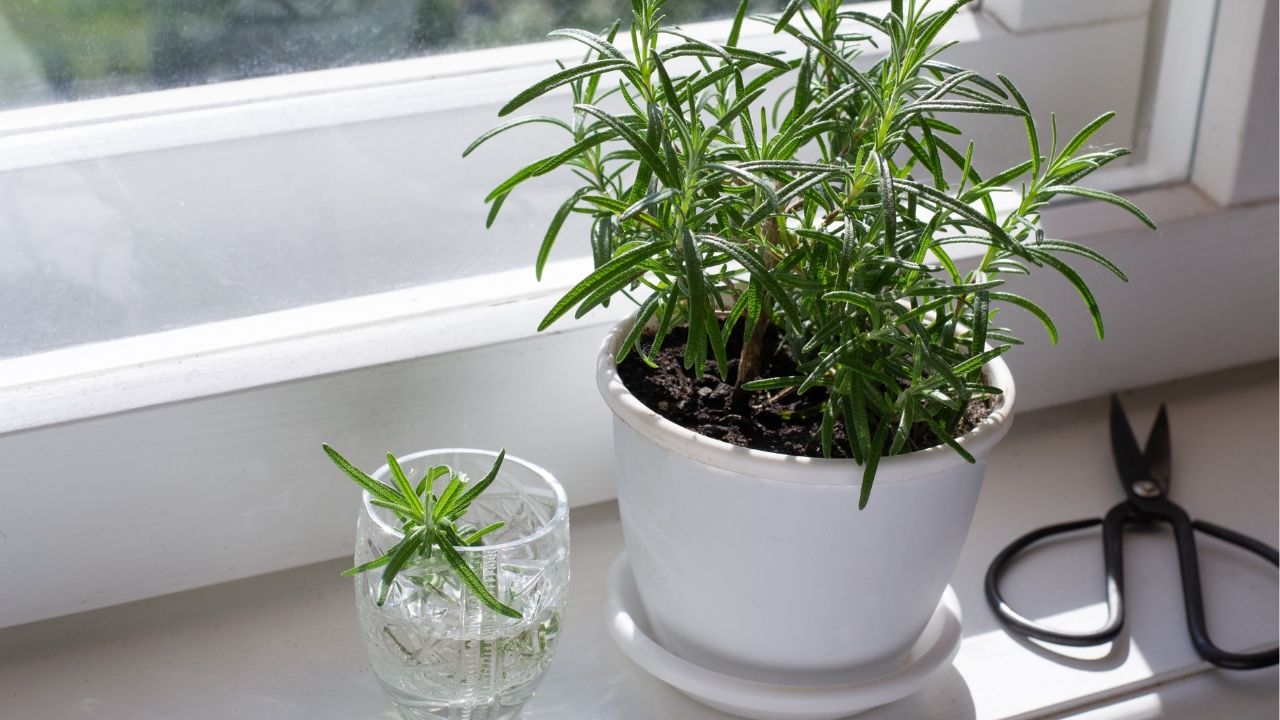
Woody herbs are some of the easiest plants to copy before winter. Rosemary, sage, and thyme all handle cuttings pretty well, and once they’re established, they’re tough, long-lasting plants for beds and containers.
Look for healthy, non-flowering stems. Snip 4–6 inch pieces, remove the bottom leaves, and lightly trim just below a node (where the leaf meets the stem). You can dip the cut end in rooting hormone if you have it, but it’s not mandatory.
Stick the cuttings into small pots filled with damp, well-draining mix—potting soil cut with a little perlite works fine. Keep them in bright, indirect light inside and mist the leaves lightly if the air is very dry. Over a few weeks, you’ll see new growth, which usually means roots are forming.
Come spring, you’ll have small herbs ready to move outside, and you won’t be buying new rosemary plants for the third year in a row.
Softwood houseplants: pothos, philodendron, spider plants
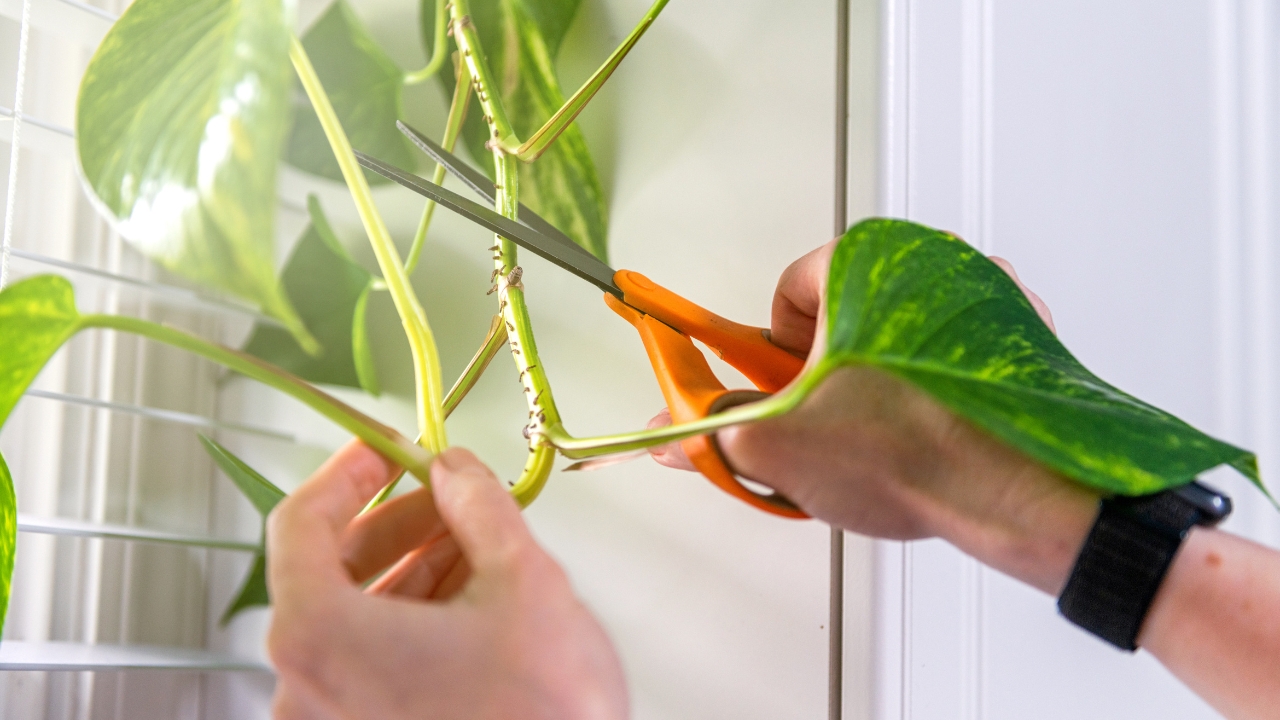
If you’ve got houseplants near your windows, you’re already sitting on free plants. Many popular houseplants root easily from cuttings, especially the trailing or vining styles.
Pothos and heartleaf philodendron are almost foolproof. Cut a 4–6 inch piece with several leaves and at least a couple of nodes. Strip the bottom leaves, then either:
- Place the cuttings in a jar of water, changing the water every few days
- Or tuck them directly into damp potting mix
Spider plants give you a head start by sending out “babies.” Those little plantlets can be rooted by pinning them down into soil while still attached, or snipping and planting them in small pots of their own.
The key is warmth and patience. Don’t park cuttings in a cold drafty window. A bright spot a few feet back from the glass is usually better in winter. Once the roots are solid and you see fresh leaves, you’ve basically got brand-new plants grown from what you already owned.
Shrubs you want more of: hydrangea, willow, and some spireas
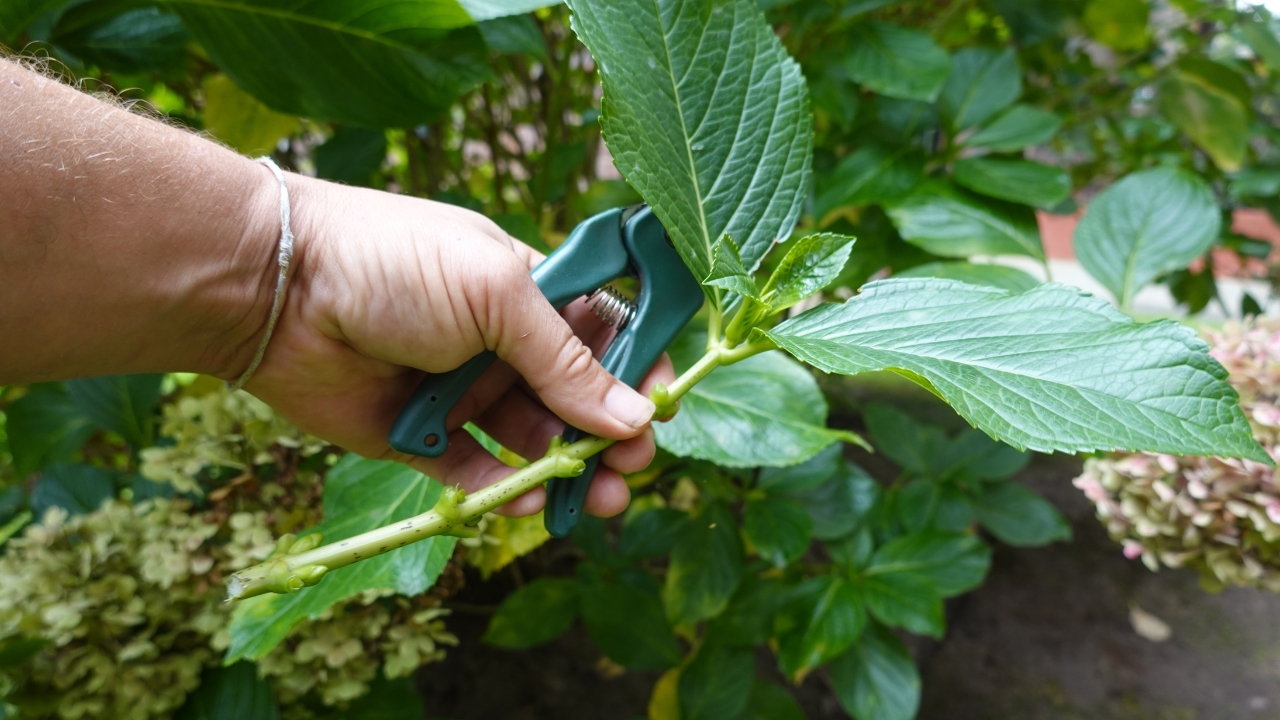
If you have shrubs you love and want more of around the yard, late fall is a good time to grab a few hardwood cuttings before everything goes fully dormant and the ground freezes. Hydrangea (many types), willow, and some spireas are good candidates.
For hardwood cuttings, you’re working with mature stems, not soft new growth. Cut 6–8 inch sections from healthy branches about the thickness of a pencil. Make a straight cut at the top and a slightly angled cut at the bottom so you don’t mix them up later. Strip off any leaves that are left.
You can root these directly outdoors in a prepared spot or in deep pots if your winters aren’t brutal, or pot them up and keep them in a cold but protected place like an unheated garage. Push the bottom third to half of the cutting into damp soil, and firm it around the stem so it doesn’t wobble.
These take longer than herbs or houseplants. You might not see much action until spring, but once new buds swell and leaf out, you’ll know they’ve taken. Over a couple of seasons, those sticks turn into usable shrubs—for free.
Keep it simple and label everything
When you’re starting cuttings, it’s easy to get carried away and forget what’s what. Use simple plant tags or masking tape on pots with the plant name and date. That helps you track which ones rooted well and which ones weren’t worth the effort.
You don’t need to propagate everything in the yard. Pick a few herbs, houseplants, or shrubs you already love and want more of. A handful of cuttings now can turn into full, healthy plants later, and you’ll go into spring with a head start instead of a cart full of new plants you had to buy again.
Like Fix It Homestead’s content? Be sure to follow us.
- I made Joanna Gaines’s Friendsgiving casserole and here is what I would keep
- Pump Shotguns That Jam the Moment You Actually Need Them
- The First 5 Things Guests Notice About Your Living Room at Christmas
- What Caliber Works Best for Groundhogs, Armadillos, and Other Digging Pests?
- Rifles worth keeping by the back door on any rural property
*This article was developed with AI-powered tools and has been carefully reviewed by our editors.